The History Of The Treadmill

Today, the treadmill is the most popular piece of fitness equipment, found in homes and health clubs around the world. But where did this great cardiovascular machine come from?

Ancient Roman Tread Mill Crane

The “tread mill” also known as the “tread wheel” was first introduced in the height of the Roman Empire, around the late first century. When the Romans found they had a need to lift heavier weight, they incorporated the treadmill, replacing the winch in their cranes. The men would walk within the wheel itself and because the treadmill had a larger diameter, they were able to lift double the weight with half the crew.

The Horse Treadmill

In the 1800s, when stationary machines were powered by unreliable natural sources like wind and water, farmers were in need of a more consistent power source. They found that a treadmill machine could capture the “brake” power of a horse. According to historian Brian Wells, “the unit of measurement of force of strength necessary to operate these new stationary machines became known as “horse power” based on the average pulling power of an average draft horse.”

Dog, Sheep and Goat Treadmills

Small versions of the horse treadmill were introduced to tackle every day domestic operation. The treadmills produced both rotary and reciprocating powers for use with light machinery like butter churns, grind stones, fanning mills and cream separators.

Prisons – Treadmills for Punishment

During the Victorian Era, British engineer William Cubitt invented the prison treadmill. Installed for hard labor, these treadmills were designed as a means to usefully employ convicts and use their power to be productive. The prisoner would simply work the wheel to produce power to grind corn and pump water, although some served no purpose at all other than punishment. Eventually The Prisons Act of 1889 abolished hard labor and instead recognized that labor within prisons should have a constructive purpose.

Medical Treadmills

The first modern medical treadmill was used in 1952 by Dr. Robert Bruce of the University of Washington, a cardiologist who conducted research with co-worker Wayne Quinton to monitor and diagnose various heart conditions and diseases. From his findings he eventually developed the Bruce Protocol, a diagnostic test used in the evaluation of cardiac function which is still used today.

He is known to many as “The Father of Exercise Cardiology”.

Treadmills for Exercise

Bill Staub and Dr. Kenneth Cooper brought the first home exercise treadmill to market through Aerobics, Inc. The popularity of aerobic exercise equipment at home and in gyms grew throughout the 1960s and 1970s.

Life Fitness

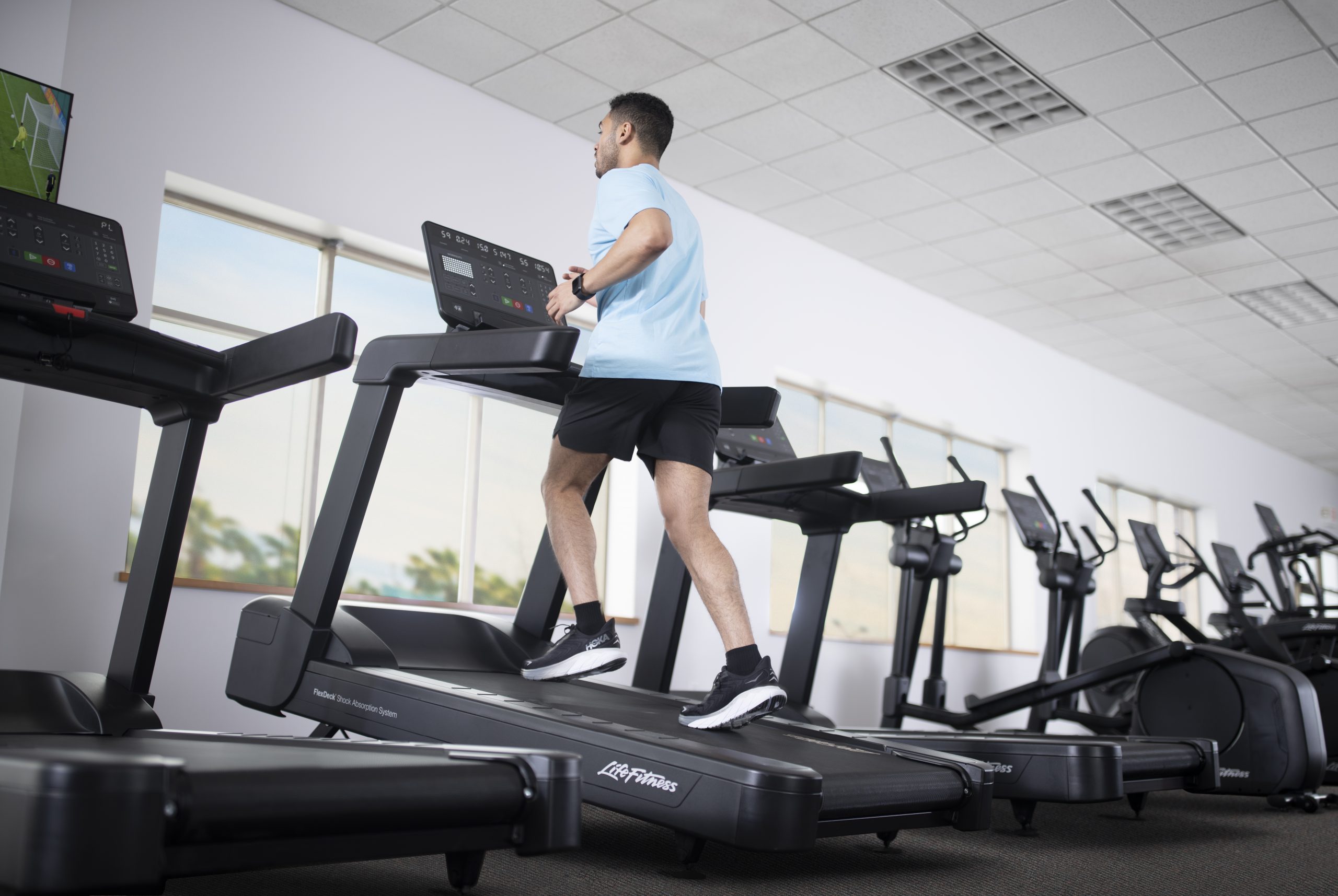
In 1991, Life Fitness produced its first treadmill, the 9500HR, which took an entire week to assemble. It included the patented FlexDeck Shock Absorption System, which reduces joint stress by up to 30 percent when compared to running on concrete.

Technology and Entertainment

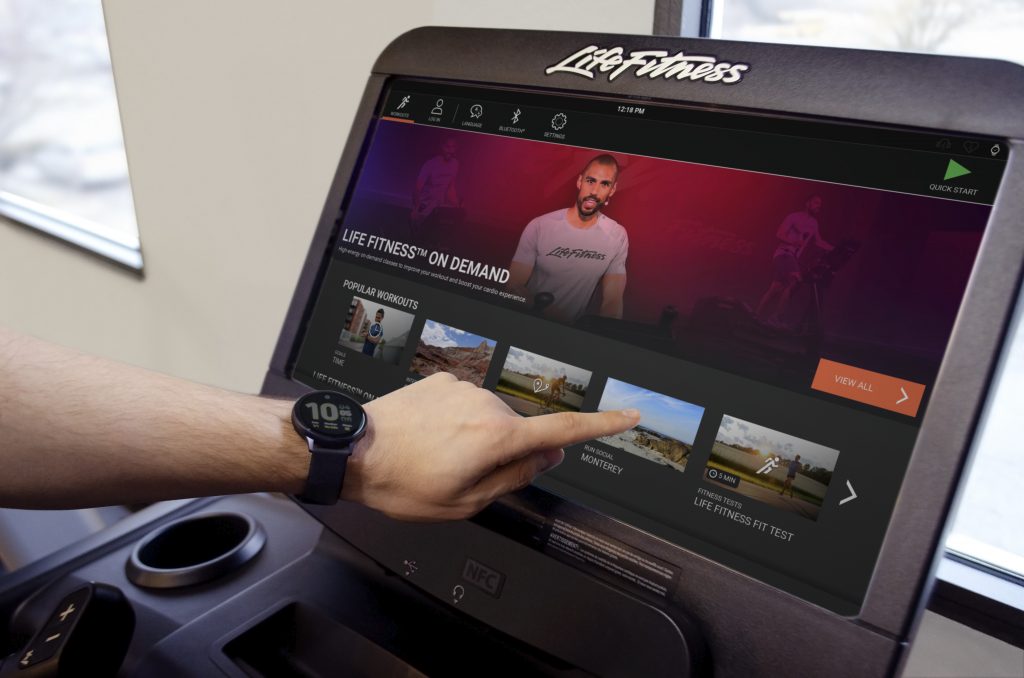
Life Fitness introduced the first integrated LCD touch screen console and attachable LCD screen on a treadmill in 2003 and later developed the first cardio products with device and USB connectivity.

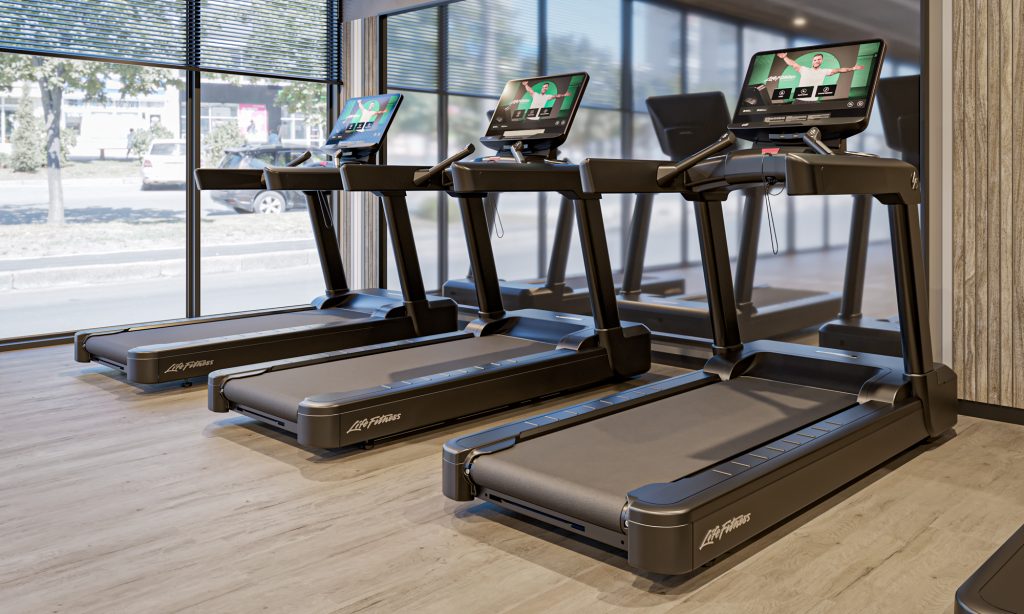
Today, treadmills continue to be the most popular fitness equipment in both homes and gyms. And they’ve come a long way from even from where there were a decade ago. Integrated TV, internet access and compatilibity with fitness and entertainment apps make treadmills much less of a chore than they were at the turn of the century.

Source: https://www.lifefitness.com/en-us/customer-support/education-hub/blog/the-history-of-the-treadmill

Share

6 Reasons Why Group Exercise Is A Great Start To Your Fitness Journey

Beginning a fitness routine to get healthy can be a daunting task. If you’re not a regular at the gym, heading to the health club for the first time can be intimidating. But consider introducing yourself to fitness through a group exercise session or two. Classes offer the instruction, motivation and camaraderie that you may need to get started. Here are few reasons why joining a group session may be right for you.

You get professional fitness instruction.

Certified personal trainers can provide great guidance on form, workout intensity and goal setting. They can help you become acquainted with the exercise options that are best for you and hep ensure that you get results from all of your hard work. And, if you find a trainer you like during group exercise, consider asking them if they’re available for one-on-one instruction. Learning from a professional is a great way to get started with fitness.

There’s motivation in a group.

Teamwork and camaraderie are big reasons why group exercise is extremely popular. Encouragement comes in the form of a group instructor asking for one more push up, or trying to match what others in the class are doing. The feeling that “we’re all in this together” is a powerful driving force and you might be surprised by just how much it motivates you. And if you’re competitive, trying to keep up with some of the fittest in the class should help you amp up the intensity.

You gain inspiration from others.

If you’re new to fitness you may need a goal to shoot for. Look around at others who excel in your session and realize that many of them were at the same point you are. Know that if you stick with your routine you can reach their fitness level. The people in your group exercise class all have different stories, take the time to learn them.

Scheduled workouts keep you on the fitness path.

Finding random time to go to the gym isn’t always easy, but when it’s on your schedule in advance it’s more likely to become routine. You can plan time around your weekly or daily group sessions and make your workouts more convenient. Being a workout regular is much easier when convenience is considered.

It’s a chance to meet new people.

Going to the gym regularly is easier when you have a workout partner, and group training is a great way to meet people who have similar fitness goals. Any fitness facility is a more welcoming place when you have friends there, and it doesn’t take long to get to know the regulars in a group exercise classes.

Group exercise is fun.

Let’s not forget this important aspect. When done right a group training session should be an invigorating experience complete with an energetic instructor and a lively environment. When it’s at its best, the group exercise experience takes your mind off of the fact that you’re burning calories and working up a sweat.

Source: https://www.lifefitness.com/en-us/customer-support/education-hub/blog/6-reasons-why-group-exercise-is-a-great-start

Share

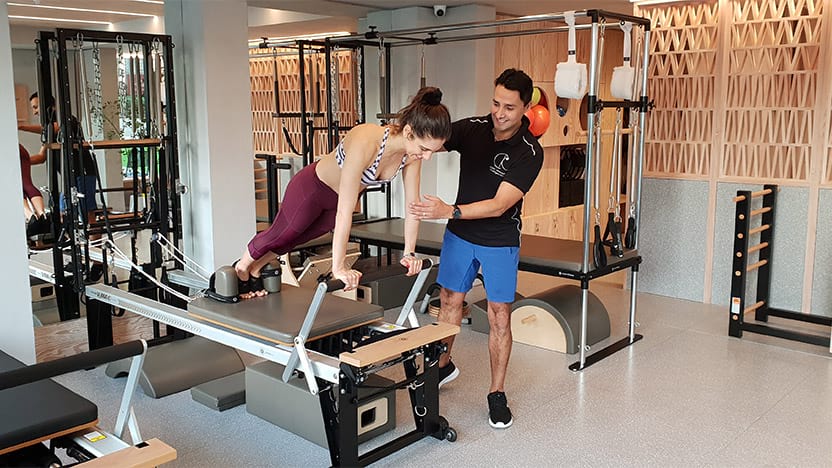
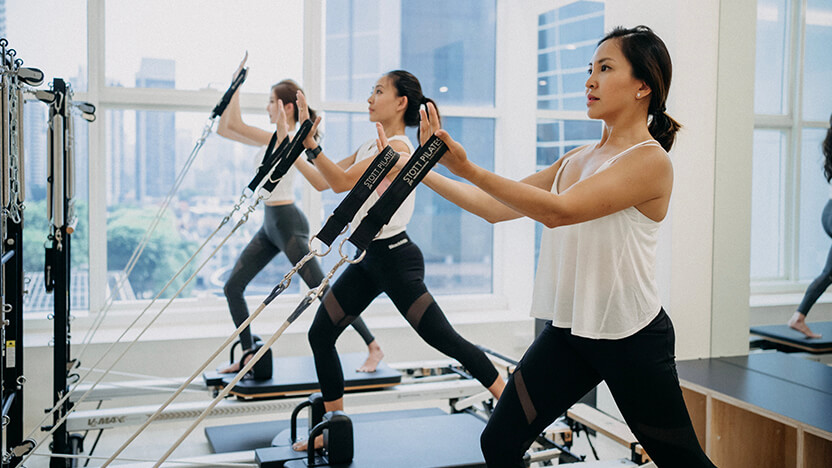
Why this osteopath is adding STOTT PILATES® for Rehab to his studio offering

With an increasing number of clients coming into his London Pilates studio looking for rehab treatment, registered osteopath and STOTT PILATES® Certified Instructor Carlo Yanez decided it was time to bridge the gap between his health care education and his fitness training.

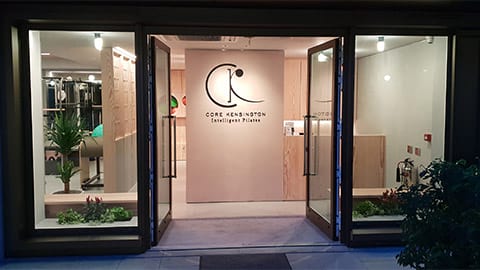
“I see people of all ages with a variety of musculoskeletal issues. Many clients come to me with back problems, shoulder or knee issues and I treat them and give them general STOTT PILATES exercises,” says Carlo, the owner of boutique Pilates studio, Core Kensington.

Despite all of his training, Carlo felt limited in how he could treat these clients. He wanted to find a way of combining his skillsets to become a one-stop shop for clients, and in turn, diversify and grow his business.

“Osteopaths are typically not exercise professionals and they don’t really undergo exercise training. And as a STOTT PILATES Certified Instructor, while we did touch on some modifications for rehab, the general program was geared more towards fitness professionals working in studio settings.”

Why use the Reformer for rehab?

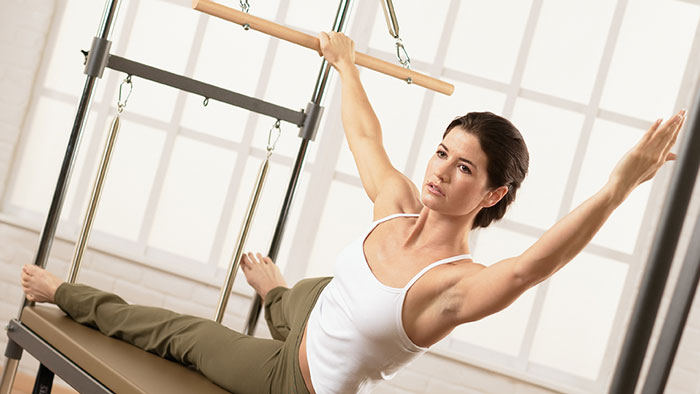
The Rehab Reformer is the ideal piece of equipment for multipurpose studios and clinics— as Carlo can attest.

As a STOTT PILATES Certified Instructor, he’s seen how much his clients enjoy and benefit from using it for their Pilates group and one-on-one sessions, and he’s also observed a few London physiotherapy clinics incorporating it into their practices.

This one piece of equipment can help studio owners and clinics provide multiple services to clients, setting them apart from the competition and allowing them to retain clients for longer as they progress through rehab and return to regular activity.

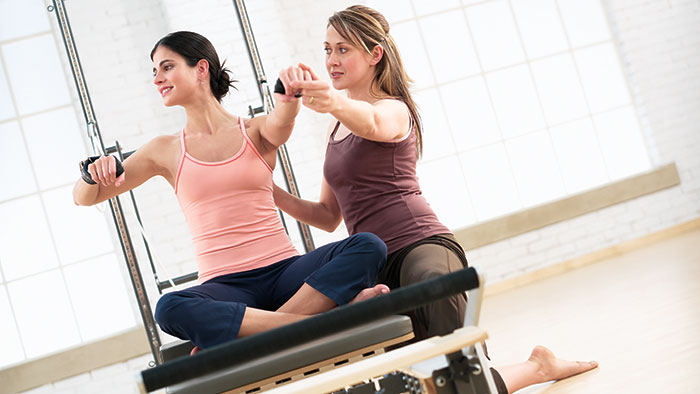
“By using a Reformer in a rehab setting, clients receive an enhanced experience from the limitless exercises available on this amazing piece of equipment. The Reformer not only provides support to the client and therapist, but also allows for more precise movements, progressions and regressions. Additionally, the Reformer is fun, and clients love it once they try it,” Carlo says.

However, just because someone is a qualified physiotherapist, osteopath or sports therapist doesn’t mean they are trained in how to use the Reformer properly, Carlo says.

“Pilates training is usually separate from other rehabilitation specializations. Moreover, not many own Pilates equipment in their practices. The STOTT PILATES Rehab courses for the Reformer will give me more insight into how to use the Reformer specifically for clinical application rather than just in a fitness setting, which is presently the norm,” Carlo says.

“Clients can see the difference in knowledge from someone who uses the Reformer for general use versus someone who is trained to use it for rehab.”

New knowledge and business goals

Carlo has big ambitions for Core Kensington and rehab will be a significant part of his business offering going forward.

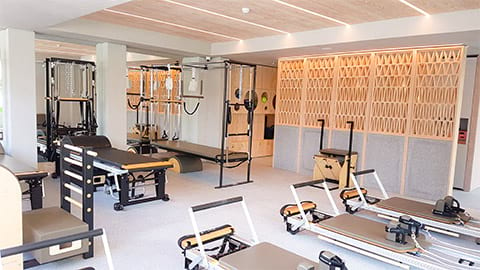
Right now, he’s looking at opening a new studio, which will include a small physiotherapy and rehab clinic. It will emulate his existing studio business model, which emphasizes small, personalized group Pilates classes and integrated health solutions for busy professionals.

“I plan on integrating the new knowledge I’ve obtained from the rehab course with my existing knowledge to better help my patients and to provide preventative injury group classes to my timetable at the studio, such as back care classes and rehab on the Reformer, aimed at people with joint injuries,” he says.

Beyond expanding his studio’s footprint and class schedule, he’s also planning to share his new knowledge with the eight instructors he oversees.

“The STOTT PILATES Rehab Certification will give me the knowledge and confidence to retain and help more clients in-house, becoming a one-stop shop for their fitness and physiotherapy needs. I will be more than just an instructor and an osteopath. It is a good business move because I can market myself as a Pilates rehab specialist, which will separate me from the competition. It’s another tool in the toolbox.”


Source: https://www.merrithew.com/blog/post/2019-06-26/why-this-osteopath-is-adding-stott-pilates-for-rehab-to-his-studio-offering


Share

Transforming Tradition: The Evolution of Rugby School’s Performance Gym

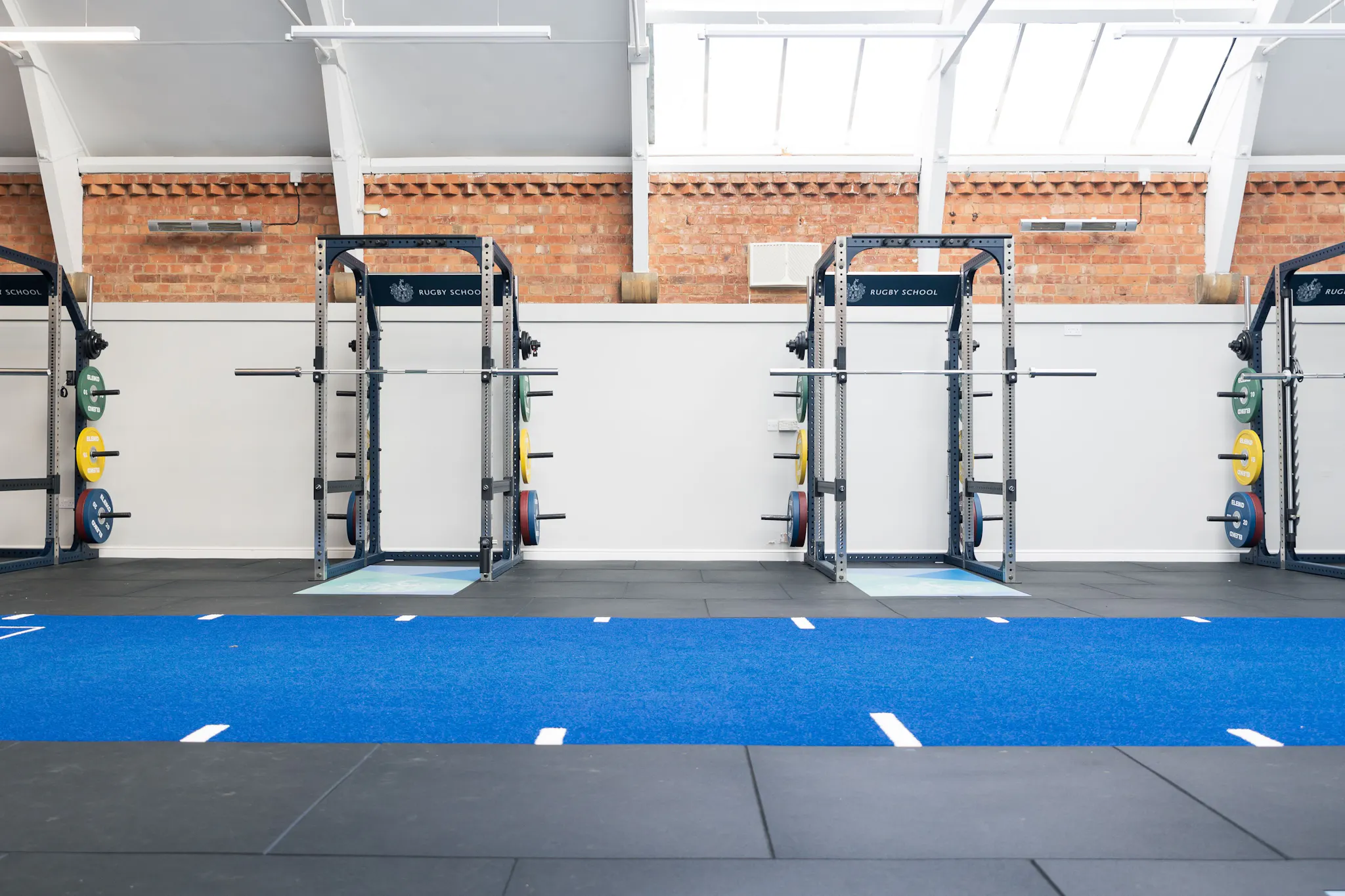
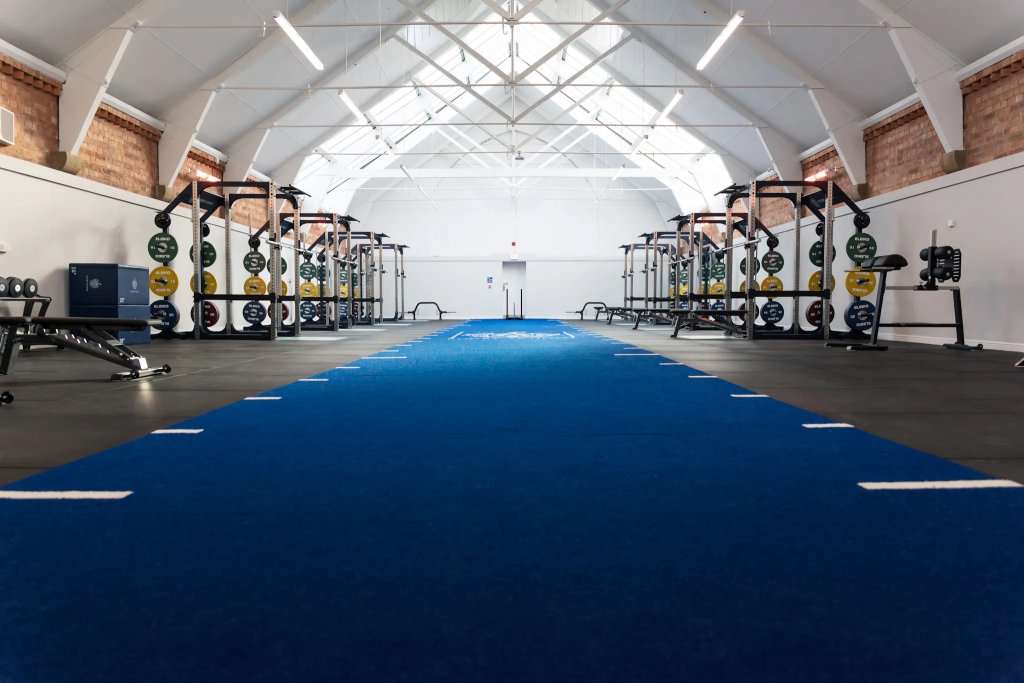
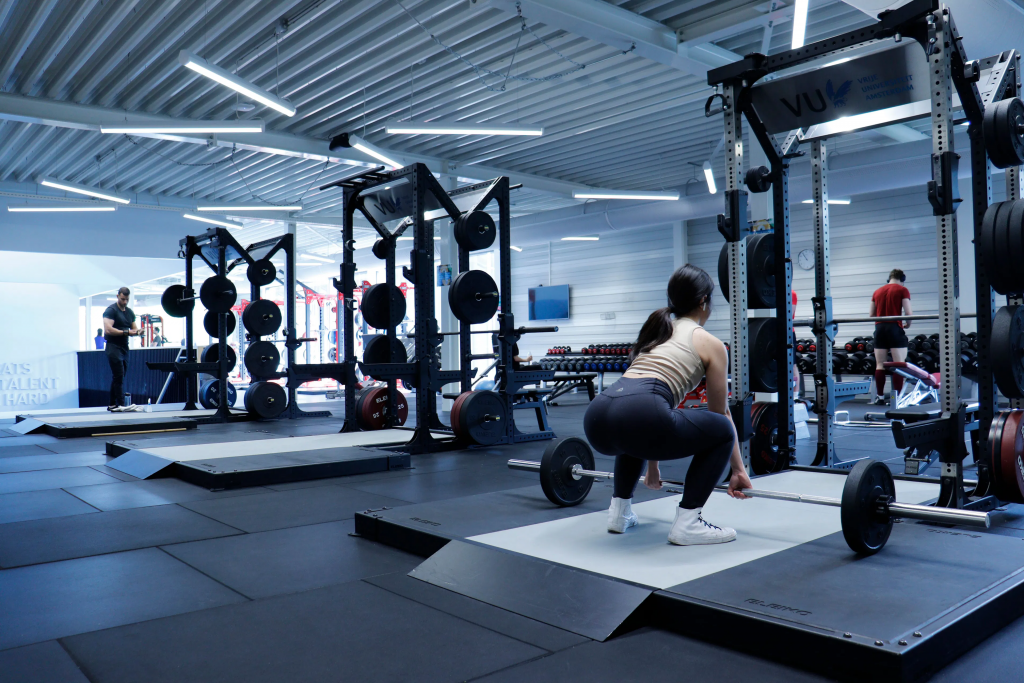
Once an old shooting range now high-performance gym, the Rugby School space was transformed to meet the growing demands of the school’s athletic development provision.

With the Strength and Conditioning program within the school catering for pupils as young as 13, right through to junior internationals at 18, the school needed to create an inspiring training space that could facilitate the varying demands of all students and encourage progression throughout the school.

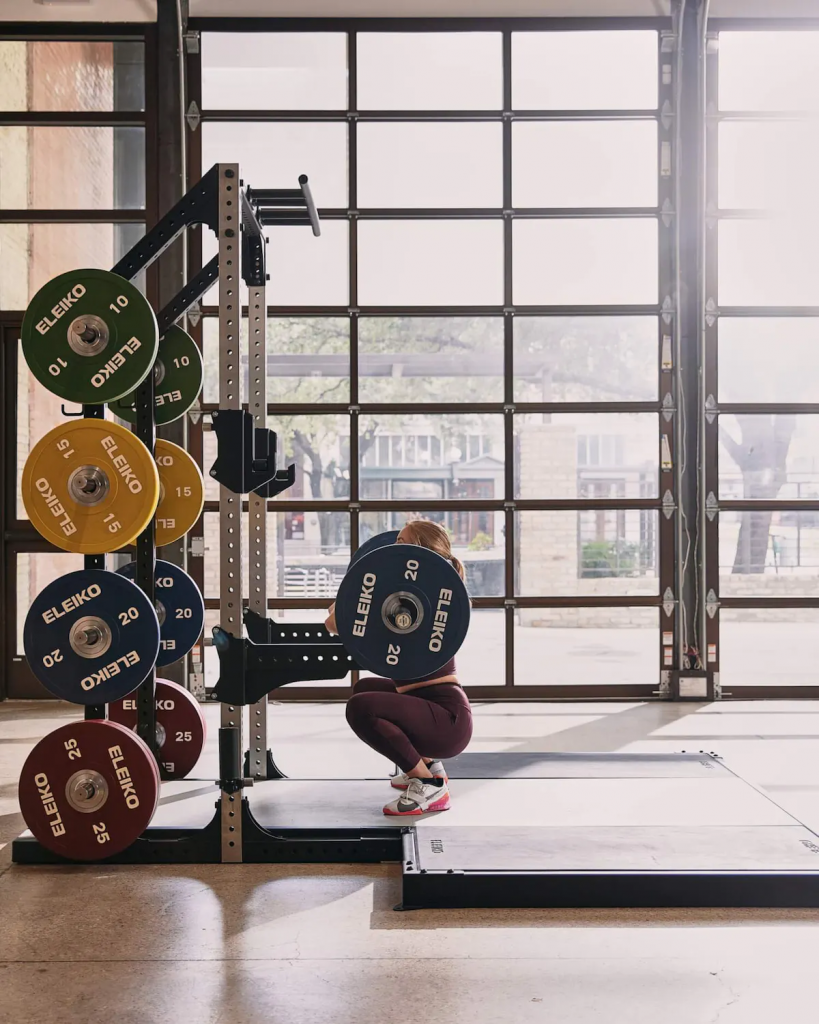
The refurbished performance gym opens the space to more students, allowing greater contact time and a unique training environment that can be enjoyed by all. Students now have the option to train independently or as part of a squad using the Prestera Power Racks with an array of lifting attachments, and coaches have greater access to the tools they need to progress students training.

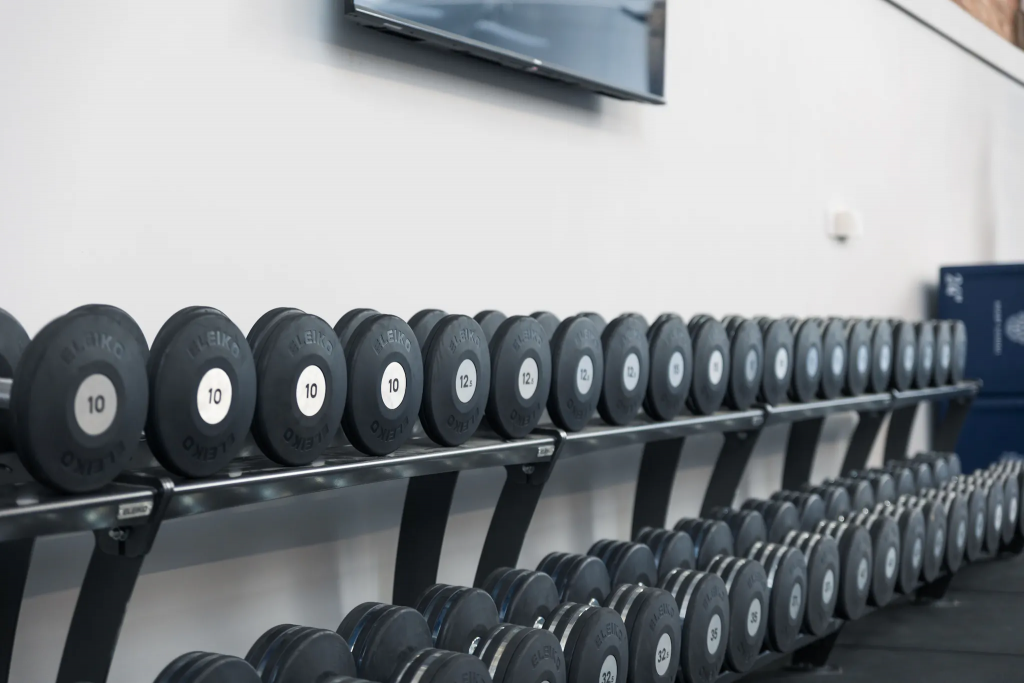
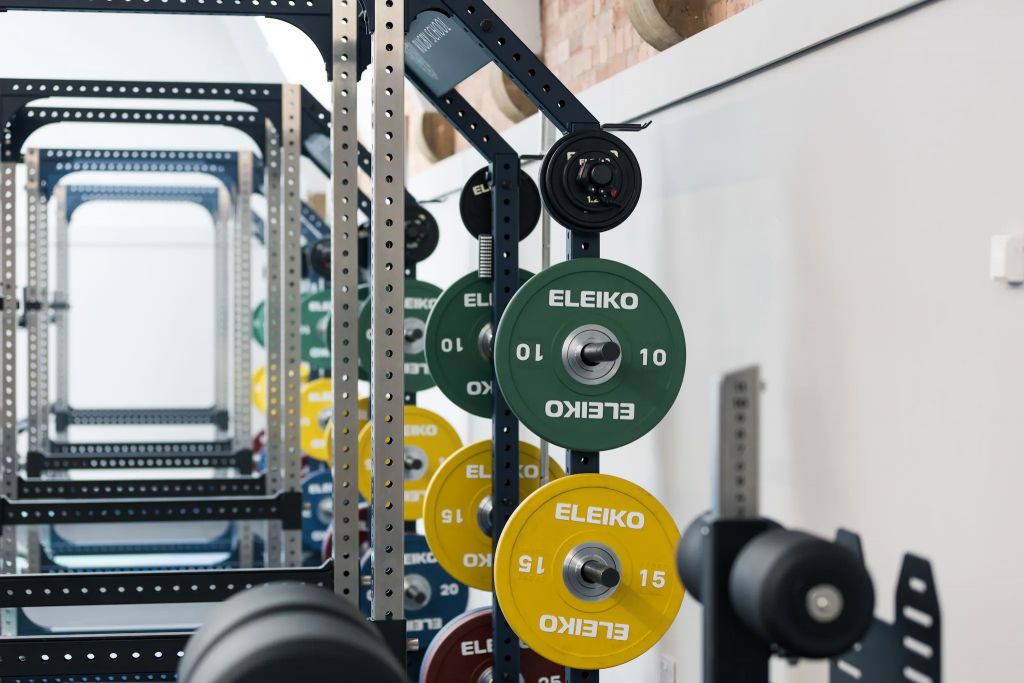
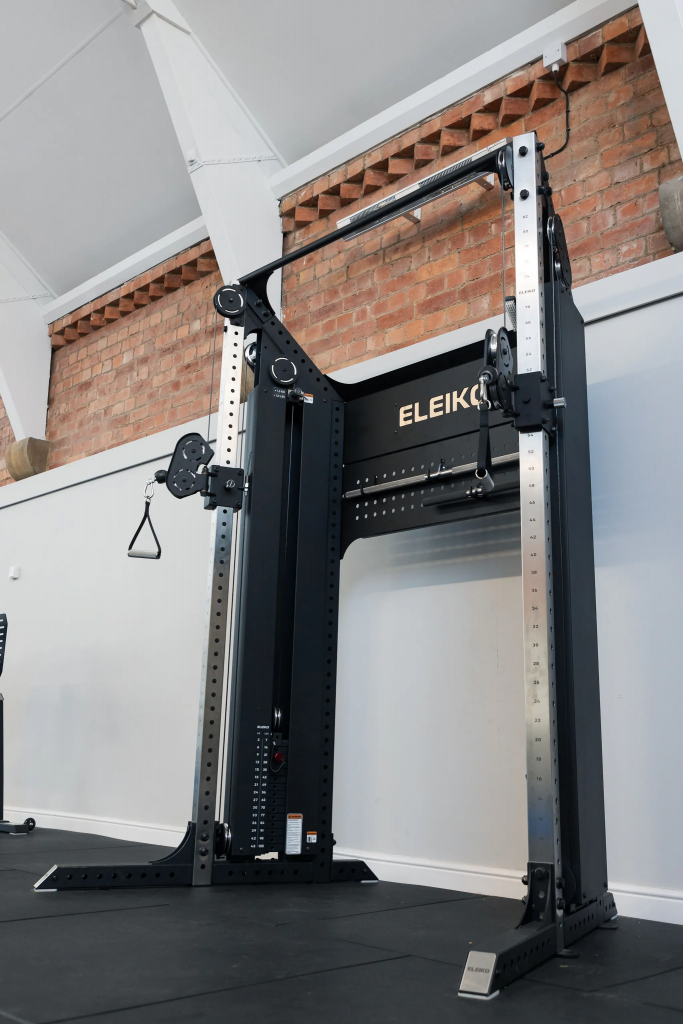
Functionality as well as aesthetics were key to the brief and the customised Prestera Power racks helped to meet both criteria. Custom-branded Prestera racks and a variety of Eleiko strength tools such as speciality barbells, sport training plates, plate dumbbells, a dual adjustable pulley machine and more, unlock a host of new training possibilities for both students and coaches – as well as a safe environment in which to perform the Olympic weightlifting movements.

Custom rack colours, branded sport training plates, turf track and plyo boxes were also implemented, harnessing the school’s identity throughout for a unique lifting experience.

Rugby School has a rich history in sport, producing the game that millions love worldwide. Keeping at the forefront of UK Independent schools with its strong academic and cocurricular offering, the new performance gym enriches Rugby School’s already impressive indoor and outdoor facilities.

The gym opens as the school celebrates 200 years of Rugby football and will offer more students than ever the chance to participate in Strength and Conditioning sessions. Commenting on the new high-performance facility, Nathan Atlay, Head of Athletic Development at Rugby School says,

“From start to finish Eleiko were integral in finding solutions to the space from flooring through to rack customisation, utilising innovative products and space-saving solutions that also reflect the school’s brand. The install process was smooth with Eleiko working around our term dates and leaving the facility in pristine condition.”

Eleiko Prestera, our modular, customisable strength system is being adopted across sporting universities and performance centres worldwide, with distinctive configurations to redefine what is possible for floor plans and training. Contact our team to discover the possibilities.

Source: https://eleiko.com/en/stories/rugby-school-uk


Share

The Power of Pilates: Two Ballet Dancers’ Path to Excellence & Recovery

In the ballet world, every movement counts and serves as a testament to a dancer’s dedication. This art form, renowned for its demand for precision, finds a harmonious companion in Pilates. Pilates, transcending its role as a fitness regimen, has emerged as a transformative element in a dancer’s toolkit. Its emphasis on body alignment, control and strength mirrors the essence of ballet, creating a synergy that enhances performance and aids in recovery.

Today, we spotlight the experiences of two dancers from The National Ballet of Canada, Genevieve Penn Nabity and Mattieu Pagés, whose journeys with Pilates have embodied both the pursuit of excellence and the path to rebuilding post-injury.

Meet the Dancers: Genevieve & Matthieu

Starting ballet at the age of three in a Michigan studio, Genevieve’s passion led her to The National Ballet of Canada. Her journey is a testament to dedication and the pursuit of excellence in ballet.

A graduate of the Zurich Dance Academy, Matthieu faced a hurdle after he partially tore his big toe’s ligaments after landing poorly following a big jump. This setback required a complete halt in dancing – a daunting prospect for any dancer. His story is one of resilience and determination in the face of adversity.

Genevieve – Performance Enhancement through Pilates

What are your current ballet career goals?

My primary focus is on enhancing my petite and grande allegro jumps. I would also like to increase my stamina to perform full-length ballet performances, often extending over two hours. In the ever-evolving journey of an artist, training never truly ends. I’ve identified these aspects as weaker areas in my dancing and I’m determined to improve them. This season there are many roles that require quick footwork and large soaring jumps, for which I want to be fully prepared. Maintaining peak performance, health and preventing injuries are also key priorities in my ongoing fitness journey.

How have you integrated Pilates and mind-body exercise into your training?

I have practiced Pilates since my early days as a ballet student, so the mind-body connection is practically second nature to me. My mom taught me that focusing on the muscular action is necessary for the effective execution of any exercise, technical step or piece of choreography.

How do you expect Pilates to enhance your ballet performance?

I believe my overall endurance will increase when I improve my muscle stamina under tension. I have been working on weight training with our athletic trainers and Pilates with our instructor to ensure the small intrinsic muscles are balanced and firing, as well. I need all my muscles, global and postural, working together to keep me dancing safely and to the best of my ability.

What are the similarities between ballet and Pilates?

There are striking parallels between the core principles of ballet and Pilates. Key aspects include mobility versus stability, the use of breath as an enhancer for specific movements and choreography that challenges coordination.

Which Pilates Reformer exercises have been most effective?

Selecting just a few exercises is challenging, but the Advanced Snake stands out for me. This exercise places my body in an off-center position, demanding control and precision as I navigate through spinal articulations. It’s a rigorous exercise, but the feeling of progress and the strengthening of intricate muscles is incredibly rewarding.

Additionally, I love using the Jumpboard and Rotational Disks. These tools are excellent for targeting the intrinsic muscles of the feet and legs, particularly in a decreased load-bearing position. These exercises are useful for any athlete trying to address muscle imbalances and prevent overuse injuries. In general, working on the Reformer in any medial position is a challenge, but extremely beneficial for my ballet training.

Any advice for fellow dancers?

It may be hard to start additional training, especially considering the daily physical demands of dance. However, I have noticed considerable changes in my endurance and stability by incorporating cross-training, with a gym workout twice a week and a Pilates session once a week. This regimen has made me a more well-rounded and consistent dancer, thanks to better muscle balance and conditioning. Pilates is also a great way to release endorphins, which help you stay positive as you navigate the challenges you may face as a dancer.


Matthieu: Recovery & Strength Building Post-Injury

How have you adapted your ballet training to accommodate your injury?

In resuming my training post-injury, I prioritized weightless exercises to minimize pressure on my articulation. Additionally, I scaled back the intensity of my ballet routines to ensure a gradual and safe recovery, being careful not to overexert myself too quickly.

What inspired you to incorporate Pilates into your recovery routine?

Since I was in school, Pilates has been an integral component of my training. Its effectiveness in meeting a dancer’s specific needs, particularly its ability to isolate and strengthen muscle groups, inspired me to incorporate it into my recovery routine. With the right expertise, Pilates is a game-changer in the recovery process.

Which Pilates Reformer exercises have been most beneficial?

The Reformer has been especially useful for exercises that strengthen without adding weight to my legs. The “Footwork Lower and Lift” exercise on the Reformer are a favorite exercise of mine. They allow me to focus on regaining strength, without worrying about overloading the weight on my articulation, especially for exercises like single-leg raises.

Have you noticed improvements since incorporating Pilates into your recovery?

Yes, definitely! Incorporating Pilates and mind-body exercises into my recovery routine has significantly helped restore my range of motion and strength closer to pre-injury levels.

What steps are you taking to prevent future injuries?

Even when I’m fully healed, I plan to continue the exercises prescribed during my recovery process to build strength and minimize the risk of future injuries. Unfortunately, we can never predict when and where an injury can occur, but we can consistently strengthening vulnerable body parts to significantly reduce the likelihood of injury.

What advice would you give to other injured ballet dancers?

Pilates can be transformative in your recovery journey. However, it’s crucial to pace yourself and avoid rushing the process. It can be frustrating to feel limited compared to your pre-injury capabilities, but it’s important to resist the urge to push your body too hard. Overexerting won’t speed up your healing and in fact, it might hinder progress and exacerbate the issue. Patience and gradual progression are key in utilizing Pilates and mind-body exercises effectively for recovery.

Genevieve and Matthieu’s stories are testaments to the power of Pilates and mind-body exercise in ballet. Whether by pushing the boundaries of performance or navigating the road to recovery, Pilates stands as a pivotal element in their dance narratives. It’s a reminder that Pilates emerges as a pivotal tool for ballet dancers.


Source: https://www.merrithew.com/blog/post/2023-12-20/the-power-of-pilates-two-ballet-dancers-path-to-excellence-recovery

Share

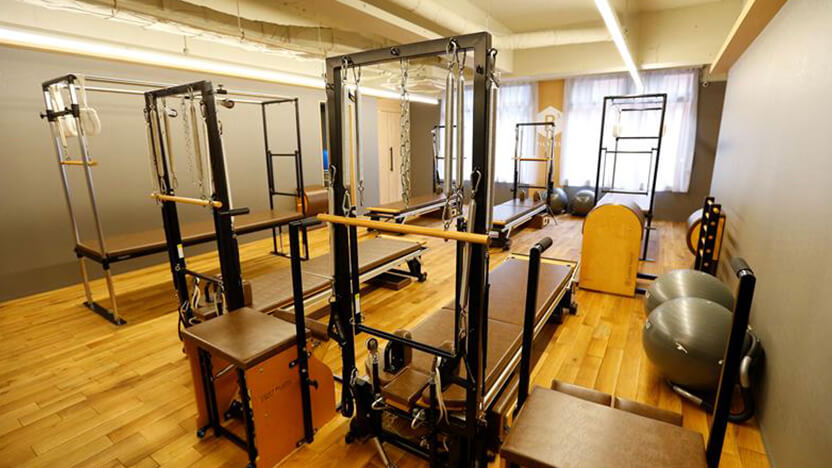
Post-Rehab Workout Equipment: Cadillac, V2 Max Plus Reformer & Stability Chair

One of the fastest-growing branches of Pilates training is the post-rehab sector.

Rehab and therapy professionals are increasingly looking to alternative modalities to supplement and strengthen post-rehab work, and are finding Pilates to be an excellent choice. When properly applied, Pilates exercises dovetail with rehab and therapeutic efforts to help with a broad range of physical dysfunction, including neurological disorders, cardiopulmonary restrictions, orthopedic complaints and a host of other physiological conditions.

Accommodating post-rehab clients effectively means using equipment that caters to specific needs while taking into consideration the amount of space and funds available to the studio owner. Below is a breakdown of how the Cadillac, V2 Max Reformer and Stability Chair can benefit a post-rehab Pilates practice.

Cadillac

  • Working surface is high, making it easier for clients to mount and dismount safely.
  • A large mat area accommodates exercisers of all sizes.
  • Independent springs provide resistance for addressing imbalances and performing bilateral, unilateral and reciprocal work.
  • Varying spring tension, height and positioning allow for precise adjustments necessary for each client that ensure the right amount of resistance and the ideal angle for each exercise.
  • Accommodates sitting, standing, kneeling, supine, prone and side-lying exercises.

V2 Max Plus Reformer

  • Ideal for studios where space is an issue. The vertical frame on the V2 Max Plus means that this Reformer offers 80 percent of the exercises that can be performed on the Cadillac, including those with the Roll-Down Bar, Push-Thru Bar, Arm Springs, Leg Springs and Extension Strap, in a significantly smaller space.
  • The Roll-Down Bar and Push-Thru Bar function in the same way as on the Cadillac, with springs above and below, but on the V2 Max Plus they can also be used in conjunction with the moving Reformer carriage.
  • The V2 Max Plus Rehab Reformer offers a higher carriage surface (6.5 in higher than the V2 Max Plus) to accommodate clients who may have difficulty getting on and off the Reformer.
  • Arm and leg springs can be attached to a number of eyehooks located at varying heights on the Vertical Frame, including the multi-position Travelling Eyehooks.
  • The retractable rope system and travelling pulleys provide various angles of resistance and the ability to increase the overall ROM for many movements.

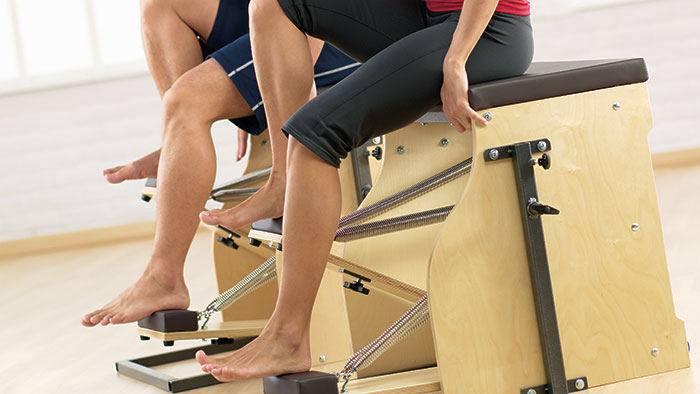
Stability Chair

  • Ideal for smaller spaces to supplement Matwork.
  • Accommodates a diverse range of clients, including those that may be limited to exercising in a vertical position, such as older adults, prenatal women, those with blood pressure issues, vertigo, eye conditions or balance concerns.
  • The smaller working area means that the Stability Chair can be used for exercises that build overall strength, suitable for athletes.
  • Simple, straightforward exercises are easy to learn and teach, and provide a workout focused on maintaining muscular balance or addressing functional disparity caused by sports training or habitual movement patterns.
  • The Split-Pedal Stability Chair allows bilateral, unilateral and reciprocal arm and leg movements.
  • Is suited to group classes solely on the Chair, or mixed with Matwork and props, or used in circuit training.


Source: https://www.merrithew.com/blog/post/2017-02-27/post-rehab-workout-equipment-cadillac-v2-max-plus-reformer-and-stability-chair

Share

Top 7 KPIs to Track Your Pilates Studio’s Success

Running a successful Pilates studio requires passion, expertise and a keen eye on the numbers that drive your business forward. Key Performance Indicators (KPIs) play a crucial role in assessing the overall performance of your studio, helping you make informed decisions and strategize effectively.

By tracking these essential metrics, you can gain valuable insights into various aspects of your Pilates studio’s operations, identify areas for improvement, and ensure long-term success.

In this blog post, we will explore the must-have KPIs that every Pilates studio owner or manager should track. Whether you’re just starting or looking to optimize your existing studio, understanding these performance indicators will empower you to make data-driven decisions that enhance client satisfaction, improve financial stability, and propel your business to new heights.

Join us in conversation with Wataru Kamiizumi, Merrithew® Lead Instructor Trainer, president and founder of ZONE Academy of Fitness, Merrithew Licensed Training Center and Thicha Srivisal, Merrithew Lead Instructor Trainer and co-founder of Breathe Pilates, Merrithew Licensed Training Center as they talk about some KPIs that they swear by for their studios.


Class attendance

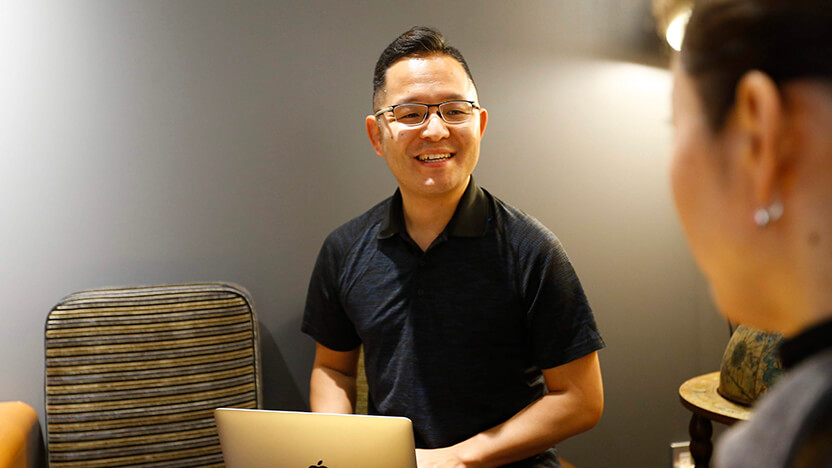
“Class attendance is a fundamental KPI for measuring the success of a Pilates studio. By tracking the number of attendees in each class, studio owners can evaluate the popularity of different sessions and instructors.”

– Wataru Kamiizumi, President & Founder of Bcube, Osaka, Japan

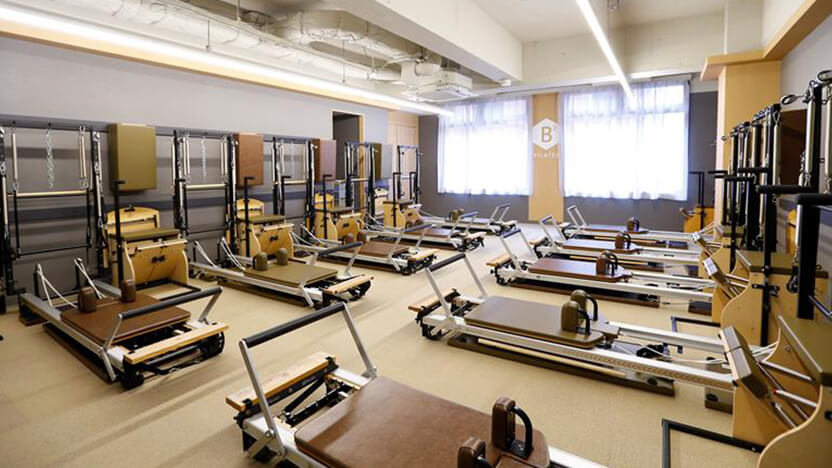
Image source: Wataru Kamiizumi, Bcube

Increasing class attendance signifies higher demand and engagement, indicating a successful studio. Consistently monitoring this KPI helps identify any declining trends or opportunities for growth.


Client retention rates

“Client retention is crucial for the long-term success of any Pilates studio. Monitoring the percentage of clients who continue their memberships or return for additional sessions provides insights into customer satisfaction and loyalty,” Wataru says.

“A high retention rate suggests that clients value the studio’s offerings and are achieving their fitness goals. By implementing strategies to enhance retention, such as personalized attention and creating a welcoming environment, studio owners can foster stronger relationships with their clients”

– Thicha Srivisal, Co-founder of Breathe Pilates, Singapore.


Revenue generated per client

“Tracking the revenue generated per client provides a clear indication of the studio’s financial performance and the effectiveness of its pricing strategies. By dividing the total revenue by the number of clients, studio owners can calculate the average revenue generated per client.” Wataru suggests.

This metric will help you identify high-value clients and assess the overall profitability of the business. Increasing revenue per client can be achieved through upselling additional services, introducing package upgrades, or offering specialized training sessions.


Studio space utilization rate

“Optimizing the usage of studio space is vital for maximizing revenue and providing a seamless experience to the clients,” Thicha says.

Tracking the studio space utilization rate helps assess how efficiently the available space is utilized. By analyzing peak and off-peak hours, studio owners can identify opportunities to schedule additional classes or offer specialized programs. “Maximizing studio space utilization ensures a steady flow of classes and accommodates the needs of a growing customer base,” Wataru says.


Number of new clients per month

Attracting new clients is essential for the growth and sustainability of a Pilates studio. Monitoring the number of new clients monthly helps evaluate the effectiveness of marketing campaigns, referral programs, and customer acquisition strategies.

“By analyzing the trends and identifying the most successful acquisition channels, studio owners can allocate resources to areas that generate the highest number of new clients. This KPI provides valuable insights into the studio’s overall market presence and growth potential,” Wataru says.


Client satisfaction

“Maintaining a high level of client satisfaction is vital to the success of any Pilates studio. Tracking client satisfaction scores through surveys, feedback forms, or post-session evaluations allows studio owners to gauge the quality of their services,” Wataru says.

By continuously striving to improve client satisfaction, studios can enhance their reputation, encourage positive word-of-mouth referrals, and retain their existing clientele. This KPI provides actionable feedback for making targeted improvements to the overall client experience.

“Measuring customer satisfaction is crucial for maintaining long-term client relationships and driving positive word-of-mouth recommendations,” Thicha suggests.

Regularly collecting customer feedback and assessing customer satisfaction scores allows studio owners to identify improvement areas and promptly address any concerns. A high customer satisfaction score indicates a positive studio experience, leading to increased loyalty, repeat business, and client referrals.


Number of classes booked

“Tracking the number of classes booked provides insights into the popularity and demand for different types of Pilates sessions. This KPI helps studio owners understand client preferences and adjust class schedules accordingly,” Thicha says.

By offering a variety of classes, including private sessions, group classes, and specialized programs, studios can cater to the diverse needs and fitness levels of their clients. Increasing the number of classes booked indicates higher engagement and overall studio success.

By monitoring these KPIs you can gain valuable insights into various aspects of your studio’s performance. These insights will enable you to make informed decisions, optimize your operations, enhance client satisfaction, and drive long-term success. Get ready to take your Pilates studio to new heights by harnessing the power of data-driven decision-making.

Source: https://www.merrithew.com/blog/post/2023-07-04/top-7-kpis-to-track-your-pilates-studios-success?utm_source=Mailchimp&utm_campaign=d150f21307-NL_202402_Part_1&utm_medium=email&utm_term=0_-437fd17e9b-%5BLIST_EMAIL_ID%5D&ct=t(NL_202402_Part_1)&goal=0_0cd2a6749f-d150f21307-182743006&mc_cid=d150f21307&mc_eid=0c09e032cf


Share

Best Time for Training

What’s the best time of day to train for size and strength?

Most of us have a time that we prefer to train. For some it’s in the morning, others in the afternoon, and still others prefer the evening. But is there a difference?

It has been well established that maximal voluntary contraction, or maximum isometric strength, peaks in the evening between 16:00-20:00 (4:00-8:00 pm). Exercise performance for a variety of tasks have also been shown to be better in the evening. Even so, is this improvement in performance and strength in the evening period set in stone, or can training change this?


Researchers conducting the highest level of research have shown a few interesting points on this matter.

They include:

  1. Baseline strength levels (assessed by maximal isometric strength) are higher in the late afternoon-evening than in the morning
  2. Strength training in the morning can increase your baseline strength in the morning to similar strength levels as found in the late afternoon-evening
  3. Strength training in the evening improves evening baseline strength, but does not improve the morning baseline strength, so a noticeable difference still exists between morning and evening strength levels
  4. Strength gains are similar whether you train in the morning or evening
  5. Changes in muscle size are similar for both morning or evening training – though the research on this is fairly sparse

General take aways:

  • If you are training for health, wellness, and/or general performance, train at a time that you prefer
  • If you are training for specific event or competition, it may be advantageous to at least have some training session around the same time as your event or competition

Reference

Grgic, J., Lazinica, B., Garofolini, A., Schoenfeld, B. J., Saner, N. J., & Mikulic, P. (2019). The effects of time of day-specific resistance training on adaptations in skeletal muscle hypertrophy and muscle strength: A systematic review and meta-analysis. Chronobiology international, 36(4), 449–460. https://doi.org/10.1080/07420528.2019.1567524


Source: https://eleiko.com/en-it/stories/best-time-for-training

Share

Managing Noise and Vibration in Gym Spaces

Discover effective ways to reduce noise and vibration in gym spaces, ensuring a comfortable environment for clients and staff.


The Growing Popularity of Strength Training

Strength training has become increasingly popular in recent years, with more and more people recognizing its numerous benefits. Whether individuals are looking to build muscle, increase strength, or improve overall fitness, strength training has proven to be an effective method. As a result, training spaces dedicated to strength training have also seen a rise in demand.

Lifting – Olympic weightlifting and powerlifting – has become something sought after in the mainstream. It’s a way of training embraced by anyone who wants to be stronger and perform better not only in sports, but in all aspects of their life. Regardless of the type of facility, the demand for lifting platforms, barbells and strength programs is undeniable.

However, along with the increased popularity of strength training comes the issue of noise and vibration. The sound and movement generated from weights being dropped can disrupt gym users and the surrounding environment or neighbouring businesses. Therefore, it is essential for gym and fitness facilities to address this issue and find effective solutions to mitigate noise and vibration.

Understanding the Effects of Noise and Vibration in Fitness Facilities

Noise and vibration in fitness facilities can have various negative effects. Firstly, excessive noise can be disruptive and unpleasant for gym users. It can make it difficult to concentrate, communicate, and enjoy the workout experience.

Furthermore, vibration caused by weights being dropped can lead to structural damage to the building. This can result in costly repairs and compromise the safety of the facility. It is crucial to understand the impact of noise and vibration to implement appropriate measures for their mitigation.

Choosing the Right Flooring Solutions for Sound and Vibration Reduction

One of the most effective ways to reduce noise and vibration in gym spaces is by choosing the right flooring solutions. Specialized flooring materials, such as rubberized mats or tiles and weightlifting platforms, can help absorb and dampen the impact of dropped weights. These solutions are designed to minimize vibrations and sound transmission, creating a quieter and more comfortable environment.

It is important to select flooring options that are specifically engineered for noise and vibration reduction as well as durability. Consulting with professionals in the field can provide valuable insights and recommendations on the best flooring solutions for each unique gym space.

With the right equipment, lifting weights can be performed in a manner that is inviting and creates incredible opportunities for facilities to provide members with an in-demand style of training that gets results – for members, trainers and operators alike.

Sound and Vibration Reducing Platforms

In 2017, Eleiko introduced a new lifting platform solution to the fitness industry – the SVR or Sound and Vibration Reduction Platform – transforming the training landscape and allowing facilities and members to embrace free weights and lifting in their clubs while keeping members and neighbours happy.

The first of its kind, the Eleiko SVR Platform combined an exclusive mix of materials that addressed three issues related to training with and dropping barbells – noise, vibration, and barbell bounce. Striking the perfect balance, the distinctive platform dramatically reduces the noise from barbell drops; the materials absorb the vibration and ensure a quieter, less disruptive experience. In addressing excessive bounce, the SVR distinguishes itself from other solutions.

Enabling a quieter training environment regardless of the type of training space, sound and vibration-reducing platforms are available for numerous use cases. From freestanding platforms catering to weightlifting to a smaller footprint platform well suited for deadlifts, to a range of platforms that integrate seamlessly into Prestera Half Racks, Double Half Racks and Power Racks; there is a way to cut noise from dropped weights, creating a more inviting and focused training atmosphere.

The SVR’s performance was verified with a scientific study conducted by an acoustical laboratory performing drop tests and recording the results with state-of-the-art sound equipment.

The study compared the sound levels generated by dropping 30kg from 1-meter height onto different surfaces, including 8mm tile, 30mm tile, weightlifting platform, and SVR platform. The 8mm tile was used as a baseline for comparison.

The SVR outperformed all other options tested, demonstrating a reduction of 25.7 dB from the baseline and 18.8 dB from 30mm tiles. A 10 dB reduction is a significant difference in perceived loudness – half as quiet or twice as loud. This means that the SVR platform can make the sound of dropped weights up to 1.8 times quieter than the 30mm tile or traditional weightlifting platform.

Equipment Selection to Minimize Sound and Vibration

In addition to selecting appropriate flooring, choosing the right barbell can further minimize vibration in gym spaces. Using high quality equipment with tight tolerances in the fit between the bar sleeve and weight plates can significantly reduce the noise and rattling from the impact of dropped weights.

It is important to consider both the sleeve construction within the bar to ensure components and parts aren’t loose and rattling, and then consider the way the bars and plates fit together as well as how secure the barbell collars are against the weight plates to minimize excess space that can cause noise and vibration when dropped.

Furthermore, regular maintenance and inspection of equipment can help identify any potential issues that may contribute to excessive noise and vibration. Addressing these issues promptly can prevent further damage and ensure a safer and quieter gym environment for all users.

Conclusion

In the world of strength training, managing noise and vibration is crucial in cultivating a welcoming and well-functioning training environment. Eleiko’s SVR Platform, proven to outperform alternatives, reduces noise and absorbs vibrations, creating a pleasant and inviting training environment for all to enjoy.


Source: https://eleiko.com/en/stories/managing-noise-and-vibration-in-gym-spaces


Share

Design Your Pilates Home Studio: Insights from Studio Owners

While the fitness landscape continues to transform, so does our approach to exercise and wellness. Fitness enthusiasts are continuing to incorporate home gyms into their exercise routines, not to replace the traditional gym experience, rather to enhance it and provide a different avenue for personal health.

Whether you’re interested in launching a professional Pilates home studio or looking to carve out a private sanctuary for your workouts, join us as we explore how to complement the studio experience in the comfort of your home.

Gain insights from three Merrithew® Instructor Trainers and a dedicated customer, who have transformed their homes into thriving Pilates studios.

Leslie Wall Home Studio exterior

Leslie Wall, Merrithew Lead Instructor Trainer

Leslie Wall, Merrithew Lead Instructor Trainer and founder of Pilates in the 6, reflects on the launch of her home studio during the early days of the pandemic.

What inspired you to create a home studio?

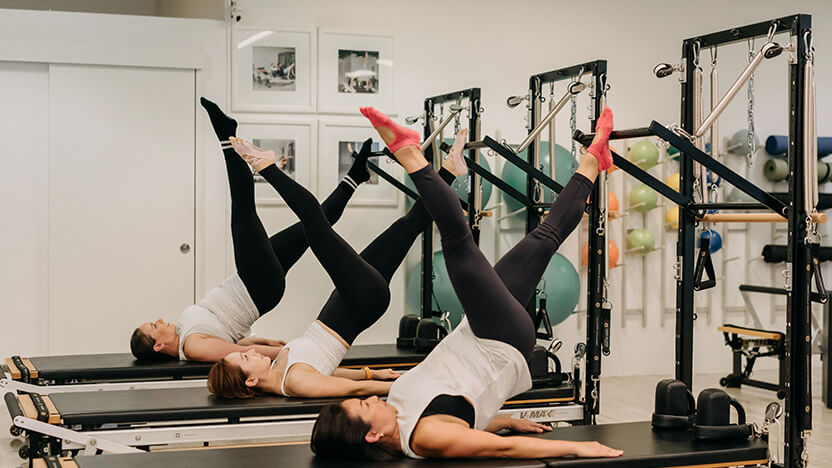
As COVID began, like many, I faced uncertainty about what to do next, especially concerning my career as a Pilates Instructor. Thankfully, my husband — a contractor by profession — offered to build me a Pilates studio in our backyard. His generous effort and hard work brought my vision of a home studio to life. By building a separate space, I was able to have a studio close to home and private enough to bring out the best in my clients. The private setting of my studio allows for focused, distraction-free sessions, tailored to each client’s objectives. The design of the studio has evolved, now equipped with two Reformers side by side and a Stability Chair pulled away from the wall when needed. Large windows flood the studio with natural light, creating a welcoming atmosphere. I’ve decorated my space with photos of personal milestones that remind me of my journey and add unique character to my studio.

Leslie Wall Home Studio interior with Merrithew equipment

Which pieces of Merrithew equipment are in your studio?

I have a V2 Max Reformer because of its versatility. I love that you get three pieces in one: a Mat, Reformer and roughly 80% of a Cadillac. I also have an SPX® Max Reformer, so that I can offer semi-private classes. The Split-Pedal Stability Chair is a favorite because it challenges balance with its small base of support. Lastly, I have an Arc Barrel and Spine Corrector. These two barrels offer much support to the spine through any form of movement, but my favorite is to do inversions on these pieces. On my wish list, I hope Santa is listening, is a Ladder Barrel.

Leslie Wall instructing students at Home Studio

What equipment would you recommend?

This is a challenging question because I love all of Merrithew’s equipment. For those on a tight budget who want smaller equipment, I recommend the Foam RollerMini Stability BallsFlex-Bands and the Stability Chair. If you have a bit more financial flexibility, then I would consider the V2 Max Reformer because of its versatility.

Leslie Wall instructing an online class at Home Studio


What are your top tips for setting up a home gym?

My advice for opening a studio to serve clients is to either separate it from your home, if you have the means, or have a separate entrance. This separation is beneficial as it eliminates the need for constant housekeeping in anticipation of client visits. As for personal use, create an environment that motivates you. Opt for colors that inspire you and design a space that encourages movement.

Adriana Rotella Home Studio interior

Adriana Rotella, Merrithew Lead Instructor Trainer

For the past seven years, Adriana Rotella, Merrithew Lead Instructor Trainer, has operated a Pilates home studio.

What inspired you to create a home studio?

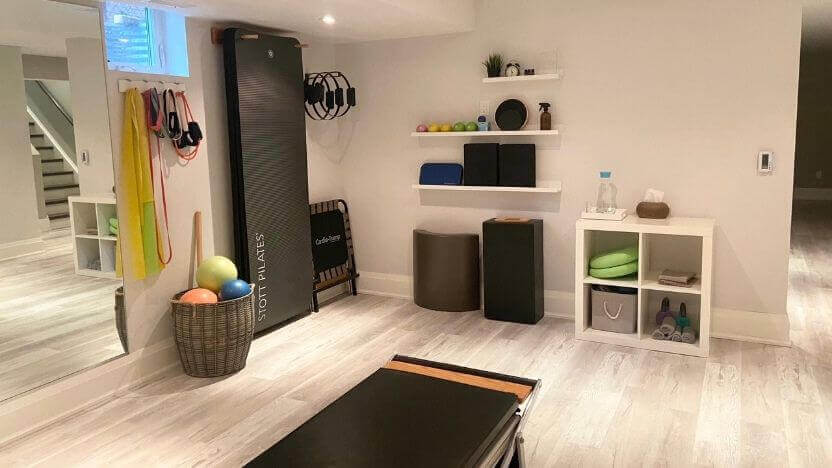
On the days I wasn’t traveling into Merrithew’s Corporate Training Centre (CTC), having a home studio gave me the flexibility to see some clients at home and work around my son’s school schedule more easily. When planning my home studio layout, I knew that I wanted to accommodate small groups, up to five people, with space for one or two Reformers. A nearby washroom was essential, along with maintaining a private and professional ambiance. The studio’s layout includes simple shelving on the walls to hold small props and mirrors across one wall crucial for self-correction. I also had plans to eventually invest in a Stability Chair, which I’ve since added, so I made sure to include enough space for it in the studio’s layout. Outside the studio, I set up a small, inviting seating area for clients waiting for their sessions to begin, further contributing to the studio’s warm and inviting atmosphere.

Which pieces of Merrithew equipment are in your studio?

I have a V2 Max Reformer I purchased in 2001 to which I added a Vertical Frame about six years ago. This update has expanded my exercise programming options significantly. I also have a Stability Chair, an Arc Barrel and small props including the Halo® Trainer PlusRotational Disks and Stability Cushions. The variety of equipment means my clients and I are never bored and have plenty of variety in our sessions.

What equipment would you recommend?

If I had to pick one piece of equipment, a V2 Max Reformer is a must-have! This equipment attracts clients to my studio and creates a professional setting similar to a Pilates studio. Also, small props like the Flex-BandFitness Circle and Mini Stability Ball are great options as they offer variety and enhance client programs economically.

What are your top tips for setting up a home gym?

Having a separate side entrance, where clients do not have to come through my house, is ideal and highly recommended. It maintains professionalism and keeps the studio as a separate entity, preventing clients from feeling like they’re exercising in my home. Additionally, providing a client-dedicated washroom nearby is convenient. The wall-to-wall mirror is a great feature, enabling clients to monitor their form and allowing me to observe them from various angles. It’s also important to choose a location within your home that’s away from busy areas, offering clients privacy and the sense that they’re in a dedicated studio space. I suggest scheduling a 15-minute gap between clients to avoid rushing them and to provide time for any questions or schedule adjustments, especially since there’s no front desk staff. Lastly, create a space that fits your budget and that you enjoy being in, as you’ll spend a lot of time there. Clients will be more inclined to want to spend time in a space where they feel comfortable.

Laureen DuBeau Home Studio interior

Laureen DuBeau, Merrithew Master Instructor Trainer

In 2014, Laureen DuBeau, Merrithew Master Instructor Trainer, opened Uxbridge Pilates, her first home studio.

What inspired you to create a home studio?

My goal was to teach in closer proximity to my home, as my family moved outside of Toronto. Integrating the Pilates studio into my home meant I could welcome clients without having to travel a great distance. At that time, my kids were young, and it was important for me to have more time with them. In 2022, I closed that studio and since then, I have created an abbreviated studio space where I mainly conduct virtual trainings. While my home studio supports my teaching career, it also allows me to train my 85-year-old mother and 88-year-old father. My hope is to spark that same enthusiasm for Pilates in my children.

Which pieces of Merrithew equipment are in your studio?

I have a V2 Max Plus ReformerStability ChairLadder BarrelSpine Corrector and Arc Barrel, along with a plethora of light equipment and small props. The V2 Max Plus Reformer gives me the option of doing all the Reformer repertoire, as well as replicating Cadillac exercises. To complete it, I also have a JumpboardCardio-Tramp® Rebounder and Vinyasa TriangleFlex-Bands®Fitness Circles®Stability Cushions, Twist Balls, Resistance Loop, Toning Balls and Mini Stability Ball are only some of the props I use. Each one has its unique benefits and helps me provide targeted exercises for all my clients.

What equipment would you recommend?

Space is definitely the most important aspect to consider when selecting equipment for your home studio. You want to be able to get the most ‘bang for your buck’ by selecting versatile and multi-functional equipment. The V2 Max Plus Reformer is an excellent example as it combines the Reformer and the features of the Cadillac on the Vertical Frame. It also has moveable eyehooks and pulleys giving three-dimensional settings for the rope system on the Vertical Frame to enable customizable rope settings for clients at different angles. If you’re limited to one piece of equipment, the V2 Max Plus Reformer would be the top choice. From a space-saving perspective, the Stability Chair is the most versatile. It takes up very little real estate, which is extremely valuable in a home studio, but can also support a wide range of exercises.

What are your top tips for setting up a home gym?

It’s important to consider the main goal of your studio and decide if you will use it for personal or professional purposes. Think through whether you will strictly use it for one-on-one clients or small group sessions.

Jazmine Wickam Home Studio interior

Jazmine Wickam, Merrithew Customer

Jazmine Wickam, a Merrithew customer, shares her experience relocating her Pilates practice home after her studio closed due to pandemic lockdowns.

What inspired you to create a home studio?

I was a full time Pilates instructor and closed my location once the government shut everything down during the pandemic. During that time, I purchased a Reformer so I could continue to do personal workouts at home. My vision for my home studio prioritized style and functionality.

Which pieces of Merrithew equipment are in your studio?

In my home studio, I currently have the V2 Max Reformer Bundle in Onyx with the tower and a Stability Chair. Prior to purchasing the V2 Max in Onyx, I had a regular V2 Max Reformer and upgraded to the Onyx because I enjoy all black esthetics and the functionality of the tower as I like to incorporate different exercises.

What are your top tips for setting up a home gym?

I recommend doing thorough research and taking precise measurements before buying any equipment to guarantee it fits well in your home. A good aspect of investing in a Reformer is its value retention, making it a wise choice if you ever decide to resell. Additionally, enjoy the process of designing your studio. Creating a mood board can be a fun way to explore and visualize different layout possibilities.


Source: https://www.merrithew.com/blog/post/2023-11-17/design-your-pilates-home-studio-insights-from-studio-owners


Share