How Symbio Treadmill Surface Firmness Variety Enhances Member Experience
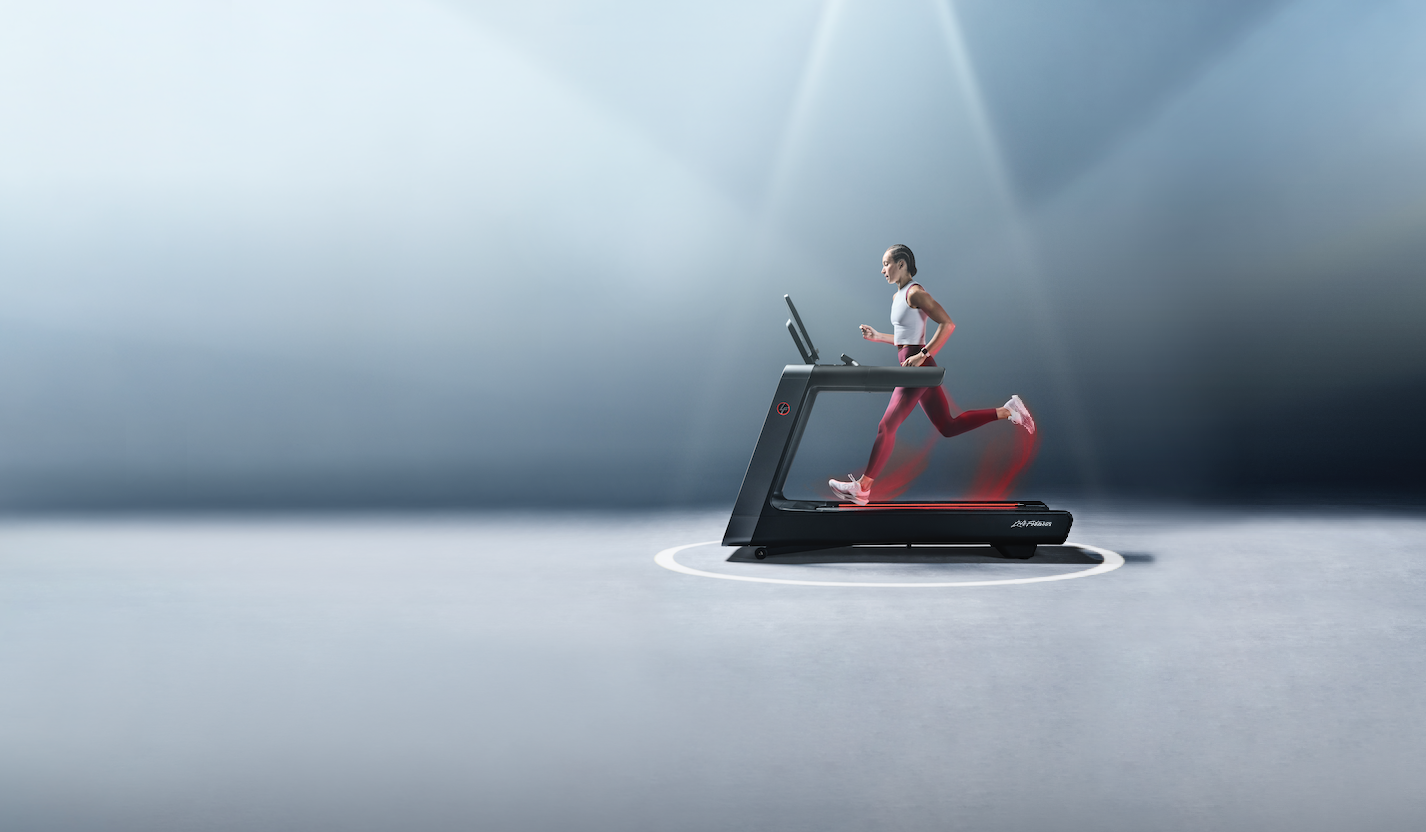
The patented Adaptive Flex Deck® on the Symbio Runner elevates the classic Flex Deck® feel with the addition of four new treadmill deck firmness settings. Users can now choose between five different deck firmness options (Classic, Soft, Very Soft, Firm, and Very Firm). This offers them a range from 40% softer to 40% firmer than the classic Flex Deck®.
With the Adaptive Flex Deck®, exercisers can personalize their workout and instantly change the feel of the surface beneath their feet, with the press of a button.
So, what’s so important about variety in deck firmness? Allow us to explain…
When running outside, exercisers feel a difference on hard concrete, soft grass, or a bouncy rubber track. Research shows that runners’ bodies perceive differences in terrain and subconsciously make micro-adjustments, such as changing leg spring stiffness, while maintaining the same overall running form. These small, precise changes in running form affect how the tendons, ligaments, muscles, bones, and other tissues in runners’ legs absorb shock and impact forces.
Adjusting leg stiffness is an active mechanism the body uses to absorb shock from impacts as the foot strikes the ground. Running on different surfaces varies the stresses experienced by the lower limbs, building resilience and robustness, which can help to reduce the risk of overuse injury.
Why Offering a Range of Running Surface Settings Is So Important
In today’s fitness landscape, offering diverse running surfaces within your facility is more important than ever. By providing a variety of surfaces, you cater to the unique needs and preferences of all runners, from beginners to performance athletes. Diverse running surfaces not only enhance the overall workout experience but also help prevent injuries, improve performance, and keep exercisers engaged. Whether it’s the cushioned comfort of an indoor track, the natural feel of a turf field, or the challenging terrain of a trail simulator, having multiple options ensures that every runner can find their perfect stride. Embrace the importance of diversity in running surfaces and watch your facility become a hub for fitness enthusiasts of all levels.
- Optimizing Leg Stiffness for Enhanced Performance. Runners’ bodies instinctively adjust leg stiffness based on the running surface. Training on various surfaces helps the body make these micro-adjustments, optimizing leg stiffness for different terrains.
- Minimizing Injury Risk. Running on diverse surfaces influences how tendons, ligaments, muscles, bones, and other tissues absorb shock and impact. By rotating through different surfaces, runners build resilience and robustness, reducing the risk of injury.
- Achieving Training Goals. Runners can tailor their surface choice to their workout. For instance, a firm, responsive surface is ideal for intervals and tempo runs, while a softer surface suits recovery runs. Those preparing for a trail or road race can train on surfaces that mimic race terrain.
- Adding Variety to Training. Incorporating different running surfaces into training routines prevents monotony and keeps runners engaged. Varying routes and surfaces can help maintain motivation and keep training programs fresh and engaging.
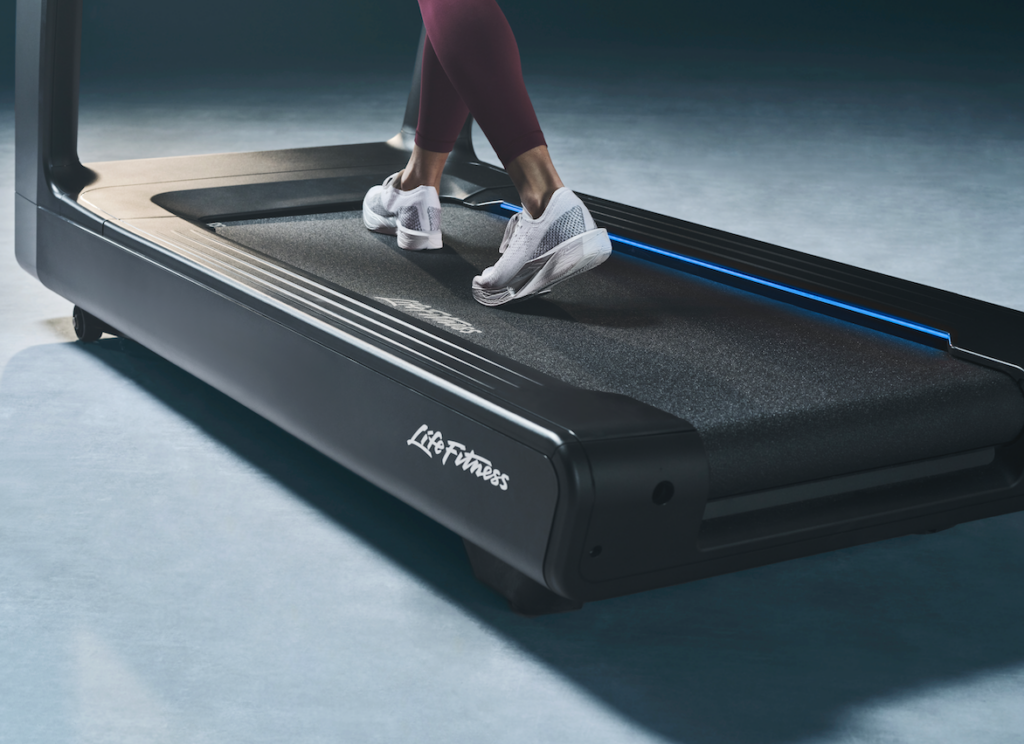
Appeal to All Levels of Exercisers with Our Adaptive Flex Deck®
The Adaptive Flex Deck is revolutionizing the way we approach running, making it an essential addition to any fitness facility. Its advanced technology seamlessly caters to a wide range of exercisers, from those just starting their fitness journey to seasoned runners looking to enhance their performance. By offering a unique blend of comfort, support, and innovation, the Adaptive Flex Deck® not only attracts new exercisers but also keeps them engaged and motivated. Whether you’re looking to attract a beginner taking their first steps into their running journey or an advanced runner pushing their limits, the Adaptive Flex Deck® provides an unparalleled running experience that appeals to all levels of fitness enthusiasts.
- Beginners can initiate their training program at lower velocities – even walking pace – to ensure they have a comfortable user experience in their initial sessions. Beginners can also begin with a softer deck setting to help avoid injuries such as shin splints as they work to improve their running form.
- Injured runners can also start with softer deck settings to reduce ground impacts for a more suitable running environment during the initial stages of rehabilitation.
- Advanced runners can switch between different surface settings to accommodate their training in preparation for a competition.
- Team sport athletes can choose the softer deck settings in season to maintain fitness while also reducing wear and tear on their joints.
Source: https://www.lifefitness.com/en-us/customer-support/education-hub/blog/indoor-running-symbio-adaptive-flex-deck