The Power of Pilates: Two Ballet Dancers’ Path to Excellence & Recovery
In the ballet world, every movement counts and serves as a testament to a dancer’s dedication. This art form, renowned for its demand for precision, finds a harmonious companion in Pilates. Pilates, transcending its role as a fitness regimen, has emerged as a transformative element in a dancer’s toolkit. Its emphasis on body alignment, control and strength mirrors the essence of ballet, creating a synergy that enhances performance and aids in recovery.
Today, we spotlight the experiences of two dancers from The National Ballet of Canada, Genevieve Penn Nabity and Mattieu Pagés, whose journeys with Pilates have embodied both the pursuit of excellence and the path to rebuilding post-injury.
Meet the Dancers: Genevieve & Matthieu
Starting ballet at the age of three in a Michigan studio, Genevieve’s passion led her to The National Ballet of Canada. Her journey is a testament to dedication and the pursuit of excellence in ballet.
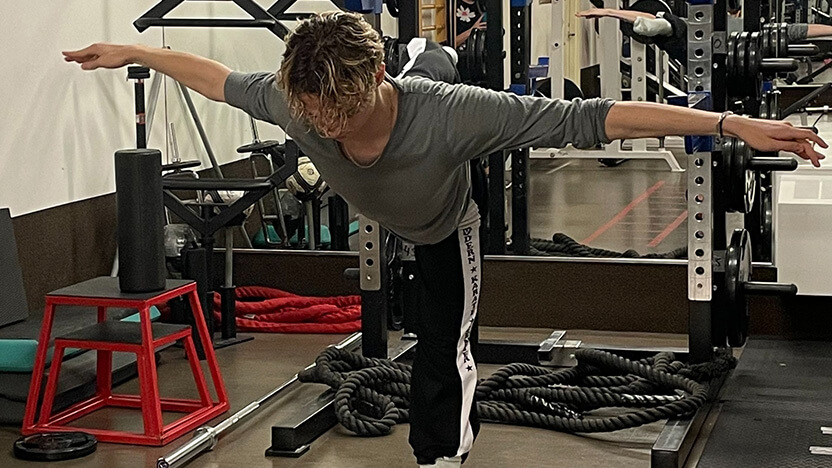
A graduate of the Zurich Dance Academy, Matthieu faced a hurdle after he partially tore his big toe’s ligaments after landing poorly following a big jump. This setback required a complete halt in dancing – a daunting prospect for any dancer. His story is one of resilience and determination in the face of adversity.
Genevieve – Performance Enhancement through Pilates
What are your current ballet career goals?
My primary focus is on enhancing my petite and grande allegro jumps. I would also like to increase my stamina to perform full-length ballet performances, often extending over two hours. In the ever-evolving journey of an artist, training never truly ends. I’ve identified these aspects as weaker areas in my dancing and I’m determined to improve them. This season there are many roles that require quick footwork and large soaring jumps, for which I want to be fully prepared. Maintaining peak performance, health and preventing injuries are also key priorities in my ongoing fitness journey.
How have you integrated Pilates and mind-body exercise into your training?
I have practiced Pilates since my early days as a ballet student, so the mind-body connection is practically second nature to me. My mom taught me that focusing on the muscular action is necessary for the effective execution of any exercise, technical step or piece of choreography.
How do you expect Pilates to enhance your ballet performance?
I believe my overall endurance will increase when I improve my muscle stamina under tension. I have been working on weight training with our athletic trainers and Pilates with our instructor to ensure the small intrinsic muscles are balanced and firing, as well. I need all my muscles, global and postural, working together to keep me dancing safely and to the best of my ability.
What are the similarities between ballet and Pilates?
There are striking parallels between the core principles of ballet and Pilates. Key aspects include mobility versus stability, the use of breath as an enhancer for specific movements and choreography that challenges coordination.
Which Pilates Reformer exercises have been most effective?
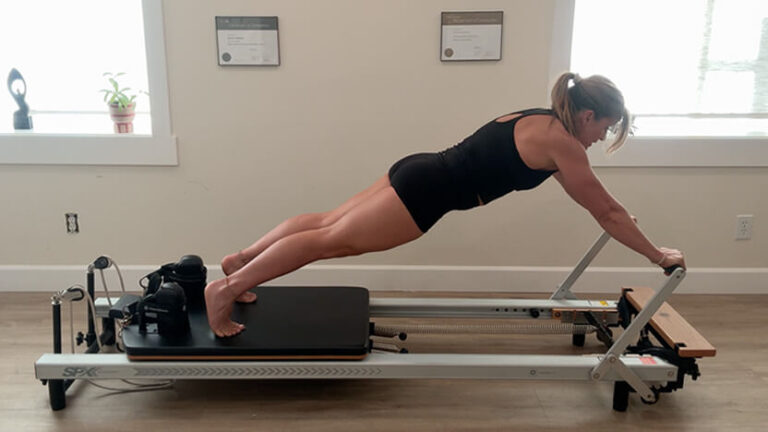
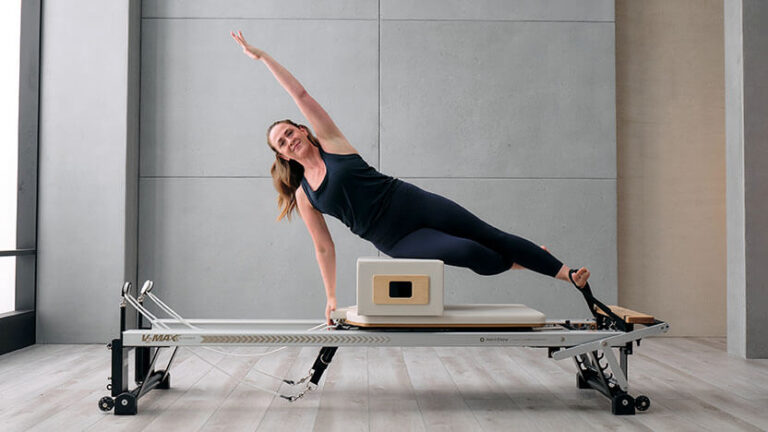
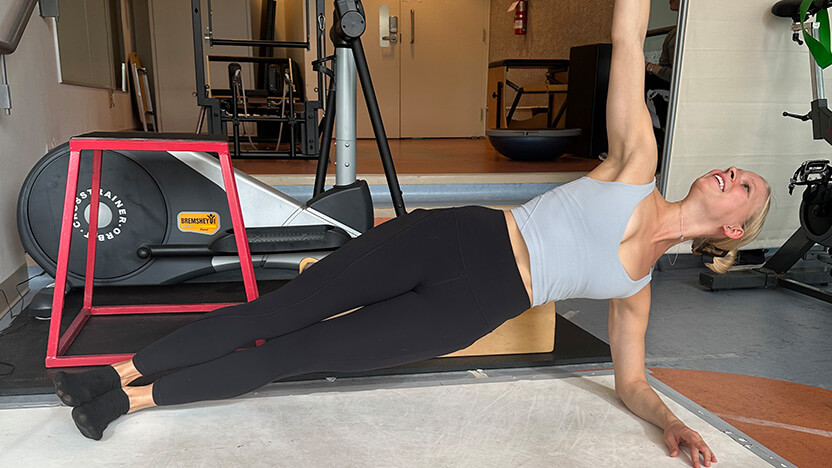
Selecting just a few exercises is challenging, but the Advanced Snake stands out for me. This exercise places my body in an off-center position, demanding control and precision as I navigate through spinal articulations. It’s a rigorous exercise, but the feeling of progress and the strengthening of intricate muscles is incredibly rewarding.
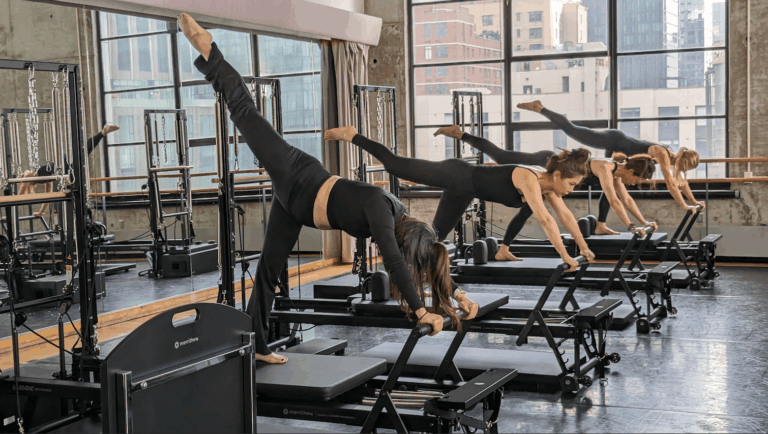
Additionally, I love using the Jumpboard and Rotational Disks. These tools are excellent for targeting the intrinsic muscles of the feet and legs, particularly in a decreased load-bearing position. These exercises are useful for any athlete trying to address muscle imbalances and prevent overuse injuries. In general, working on the Reformer in any medial position is a challenge, but extremely beneficial for my ballet training.
Any advice for fellow dancers?
It may be hard to start additional training, especially considering the daily physical demands of dance. However, I have noticed considerable changes in my endurance and stability by incorporating cross-training, with a gym workout twice a week and a Pilates session once a week. This regimen has made me a more well-rounded and consistent dancer, thanks to better muscle balance and conditioning. Pilates is also a great way to release endorphins, which help you stay positive as you navigate the challenges you may face as a dancer.
Matthieu: Recovery & Strength Building Post-Injury
How have you adapted your ballet training to accommodate your injury?
In resuming my training post-injury, I prioritized weightless exercises to minimize pressure on my articulation. Additionally, I scaled back the intensity of my ballet routines to ensure a gradual and safe recovery, being careful not to overexert myself too quickly.
What inspired you to incorporate Pilates into your recovery routine?
Since I was in school, Pilates has been an integral component of my training. Its effectiveness in meeting a dancer’s specific needs, particularly its ability to isolate and strengthen muscle groups, inspired me to incorporate it into my recovery routine. With the right expertise, Pilates is a game-changer in the recovery process.
Which Pilates Reformer exercises have been most beneficial?
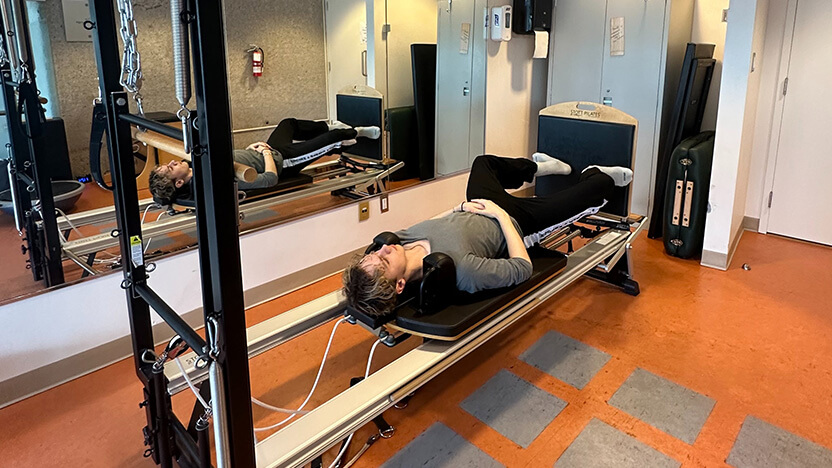
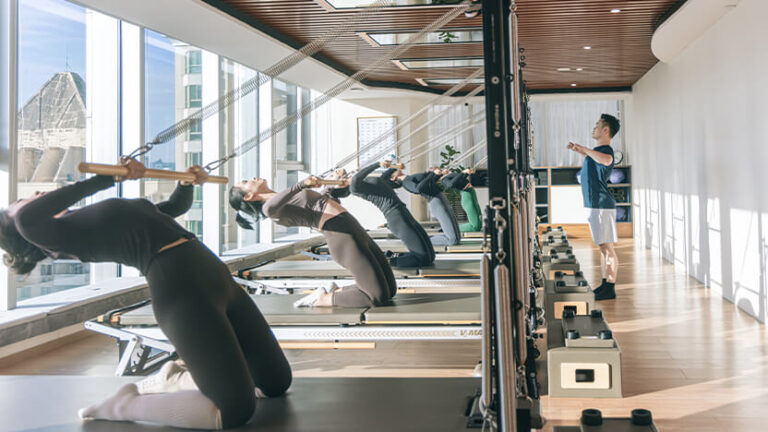
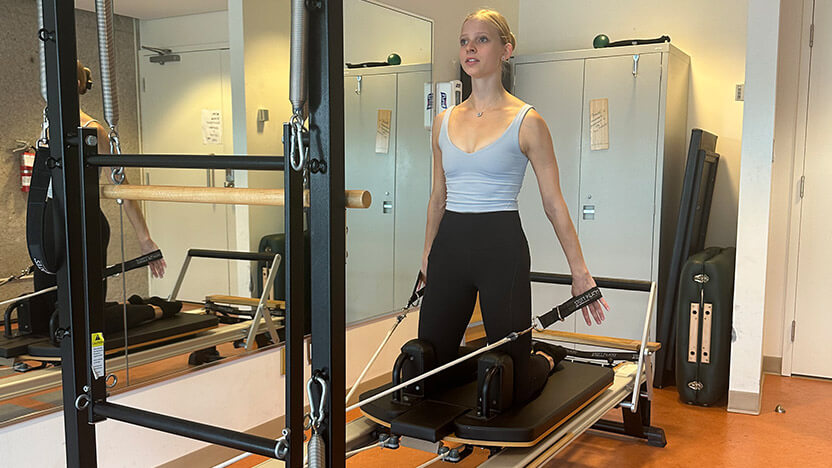
The Reformer has been especially useful for exercises that strengthen without adding weight to my legs. The “Footwork Lower and Lift” exercise on the Reformer are a favorite exercise of mine. They allow me to focus on regaining strength, without worrying about overloading the weight on my articulation, especially for exercises like single-leg raises.
Have you noticed improvements since incorporating Pilates into your recovery?
Yes, definitely! Incorporating Pilates and mind-body exercises into my recovery routine has significantly helped restore my range of motion and strength closer to pre-injury levels.
What steps are you taking to prevent future injuries?
Even when I’m fully healed, I plan to continue the exercises prescribed during my recovery process to build strength and minimize the risk of future injuries. Unfortunately, we can never predict when and where an injury can occur, but we can consistently strengthening vulnerable body parts to significantly reduce the likelihood of injury.
What advice would you give to other injured ballet dancers?
Pilates can be transformative in your recovery journey. However, it’s crucial to pace yourself and avoid rushing the process. It can be frustrating to feel limited compared to your pre-injury capabilities, but it’s important to resist the urge to push your body too hard. Overexerting won’t speed up your healing and in fact, it might hinder progress and exacerbate the issue. Patience and gradual progression are key in utilizing Pilates and mind-body exercises effectively for recovery.
Genevieve and Matthieu’s stories are testaments to the power of Pilates and mind-body exercise in ballet. Whether by pushing the boundaries of performance or navigating the road to recovery, Pilates stands as a pivotal element in their dance narratives. It’s a reminder that Pilates emerges as a pivotal tool for ballet dancers.
Source: https://www.merrithew.com/blog/post/2023-12-20/the-power-of-pilates-two-ballet-dancers-path-to-excellence-recovery