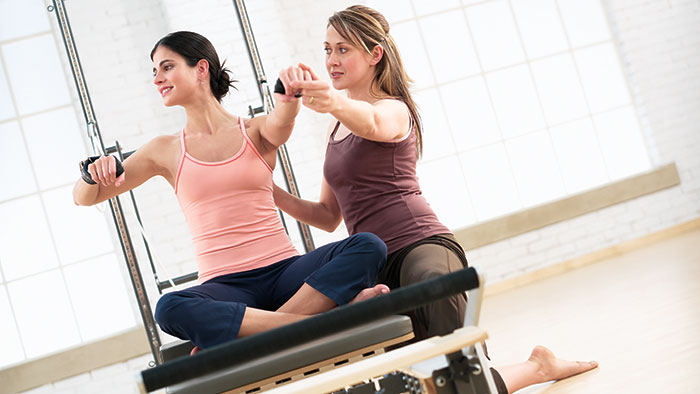
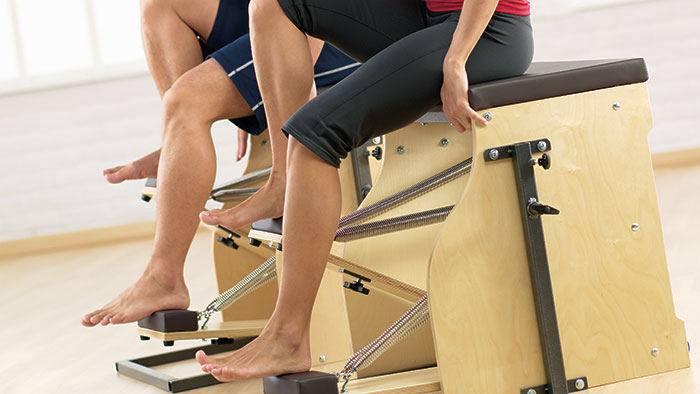
The 5 Best Home Gym Ideas
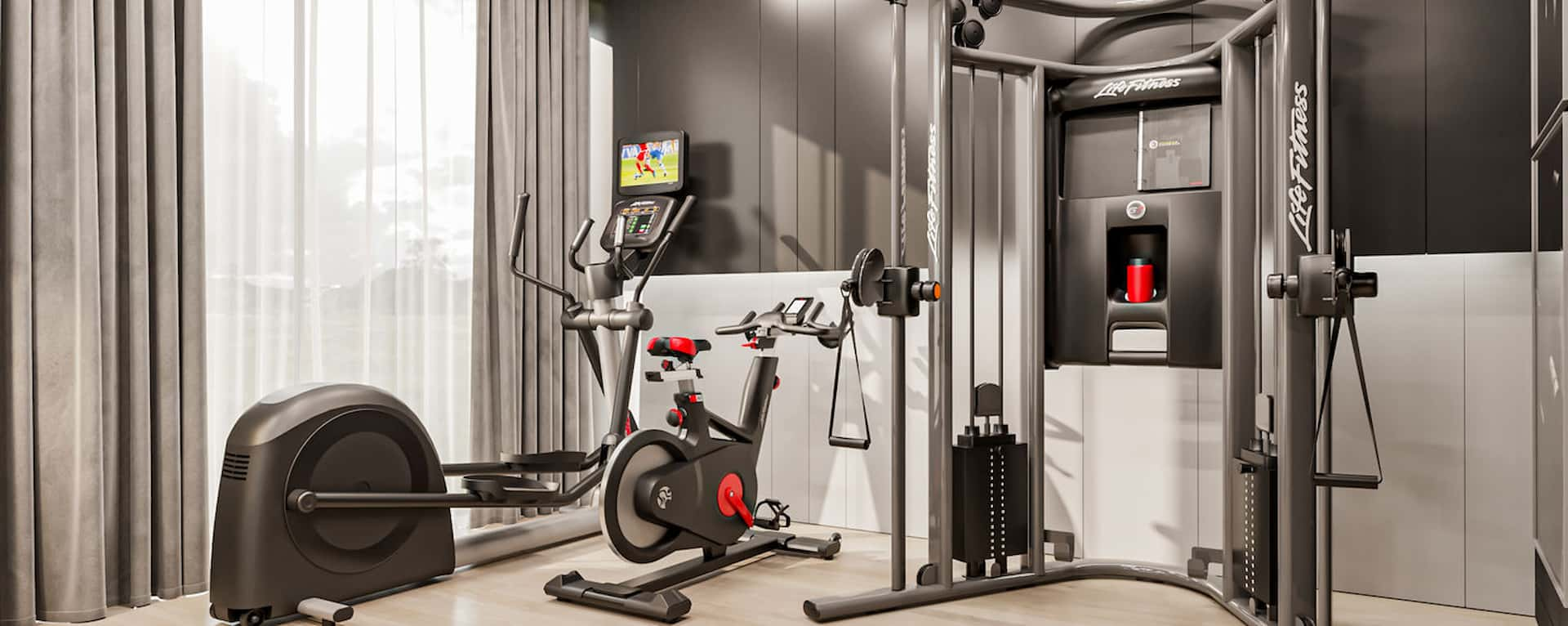
Staying healthy now is more important than ever before. Due to COVID-19 people started to workout at home, because they needed to. What was born from hardship, became a habit for many and they actually started to like it. And although the benefits of a health club are evident, working out at home can be a great addition to keeping up a healthy routine more easily. Investing in a home gym seems a right decision to make in the light of the things that keep on everything happening around us.

But how could that gym set up at home possibly look like and where should it be? We have put together 5 home gym ideas for you, that hopefully will not only serve as an inspiration but also as a first step into a healthier life.


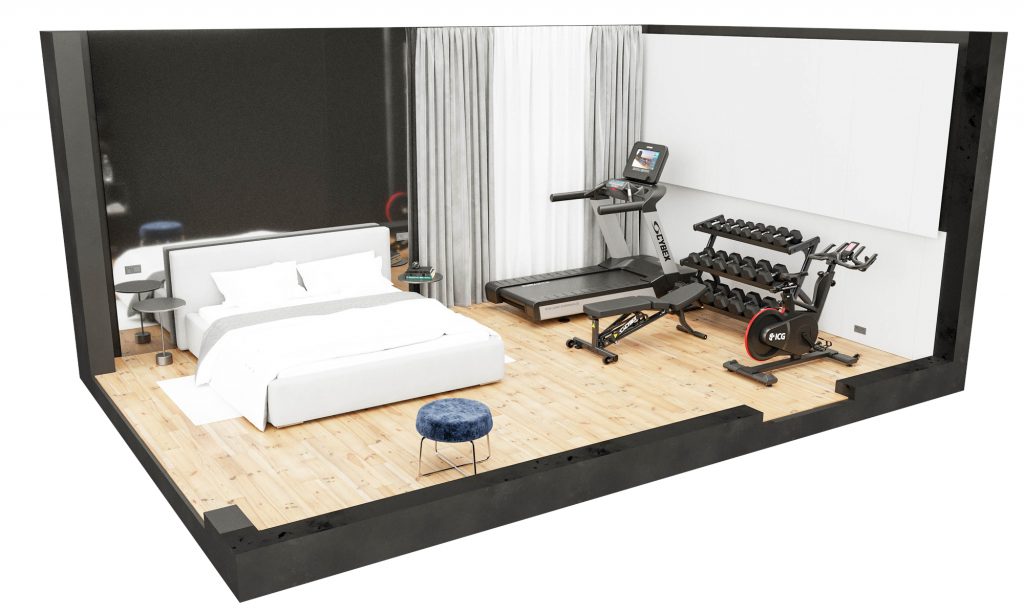
BEDROOM GYM 

When space is tight, home fitness equipment can end up in a bedroom. While this doesn’t give you a dedicated space to train, it can be all you need to keep your workouts top of mind. Here are a few things to keep in mind while making a bedroom gym.

BENEFITS

  • Easy access to your fitness equipment makes it easier to start working out.
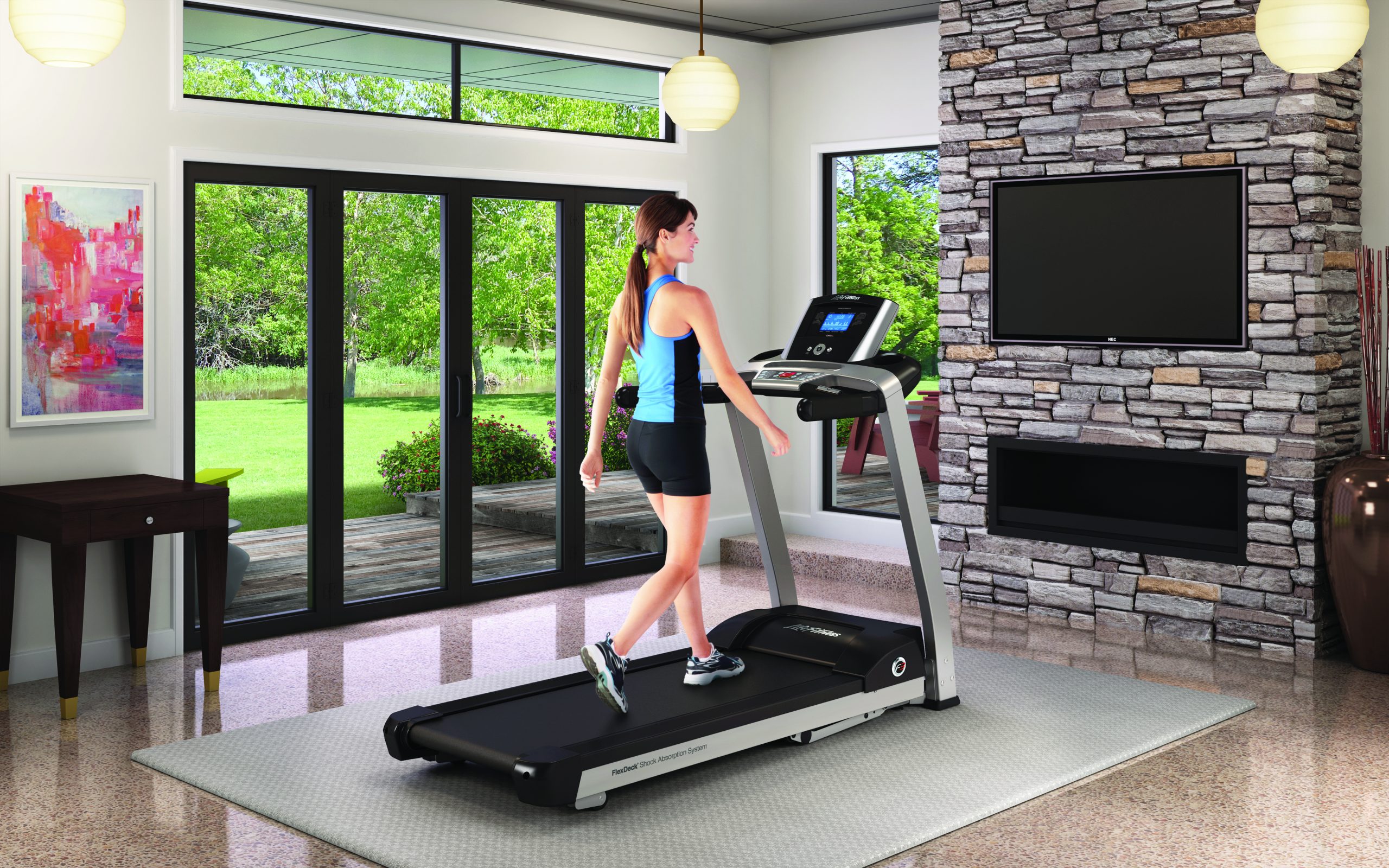
  • If your bedroom has a flat screen TV it can take your mind off of your cardio workouts at home, just be sure to angle any cardio equipment so that there’s a clear view of the TV.
  • A room away from common areas provides privacy during workouts and keeps gym equipment out of sight when you have guests.

GYM EQIPMENT IDEAS

  • One piece of cardio equipment placed near an outlet (if required). Consider more compact options like foldable treadmills, hometrainers, spin bikes, rowing machines, ellipticals or compact cross trainers that tend to have a small footprint.
  • Yoga mat or exercise mat for stretching and yoga sessions.
  • Stock up on gym accessories like stability balls, gym balls, medicine balls, resistance bands or dumbbells. They provide plenty of added workout options, don’t require a large amount of storage space and can be easily stored out of sight in a closet or under the bed.

If you have a little more space at your disposal, consider adding a functional training rack to your configuration for more workout options and built-in storage.

ADDED CONSIDERATIONS

  • If noise is an issue, consider cardio equipment like cross trainers that have nearly silent operation.
  • Avoid hanging clothes on your cardio equipment because it’s easy to decide not to work out when you have to clear off your treadmill first!
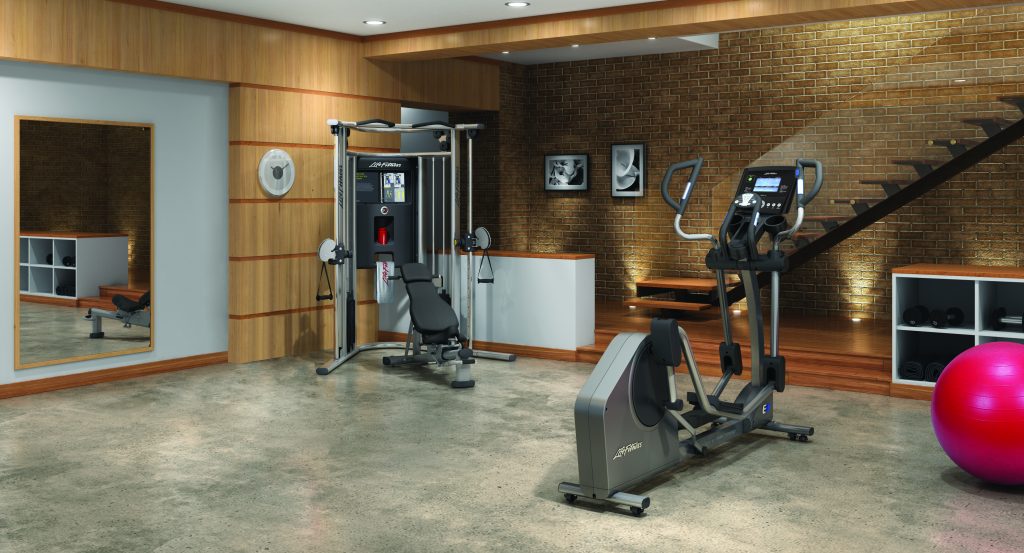
THE BASEMENT GYM 

Basement gyms range from equipment placed off to the side of an entertainment center to full rooms dedicated to training. Basements are great for strength training and weightlifting due to the resiliency of the space. With a basement gym you often have the rugged durability needed for serious training but in a space that is more refined and better temperature controlled than e.g. a garage.

BENEFITS 

  • Basements can offer a dedicated workout space that allows for multiple equipment options and larger fitness equipment such as treadmills, smith machines (squat racks), rowing machines, etc.
  • This part of the house is generally cooler than above-ground floors, which is a plus during strenuous workouts.
  • Basements often have a concrete foundation, meaning they can handle a fair amount of weight.

GYM EQUIPMENT IDEAS 

  • One or two pieces of cardio equipment. Consider a treadmill and a rowing machine or spin bike.
  • Weight training tools like a squat rack, bench, kettlebells, dumbbells and barbells.
  • Other accessories like stability balls, medicine balls, an exercise mat and a foam roller.

ADDED CONSIDERATIONS 

Additional flooring is ideal for basement gyms outfitted with rugged strength training and weightlifting equipment. Rubber flooring can be purchased online or at most hardware stores. Standard 50 x 50 cm square interlocking tiles vary in thickness and are easy to install.
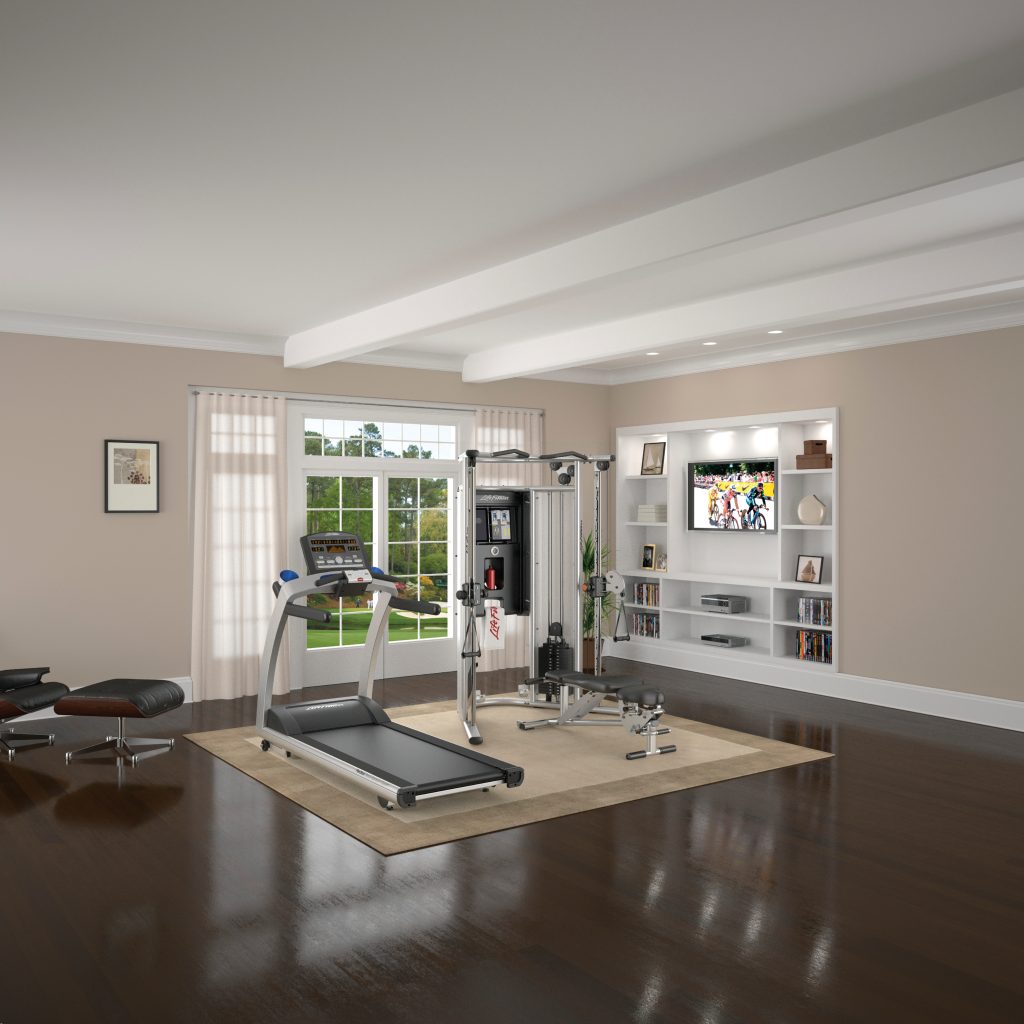
THE LIVING ROOM GYM 

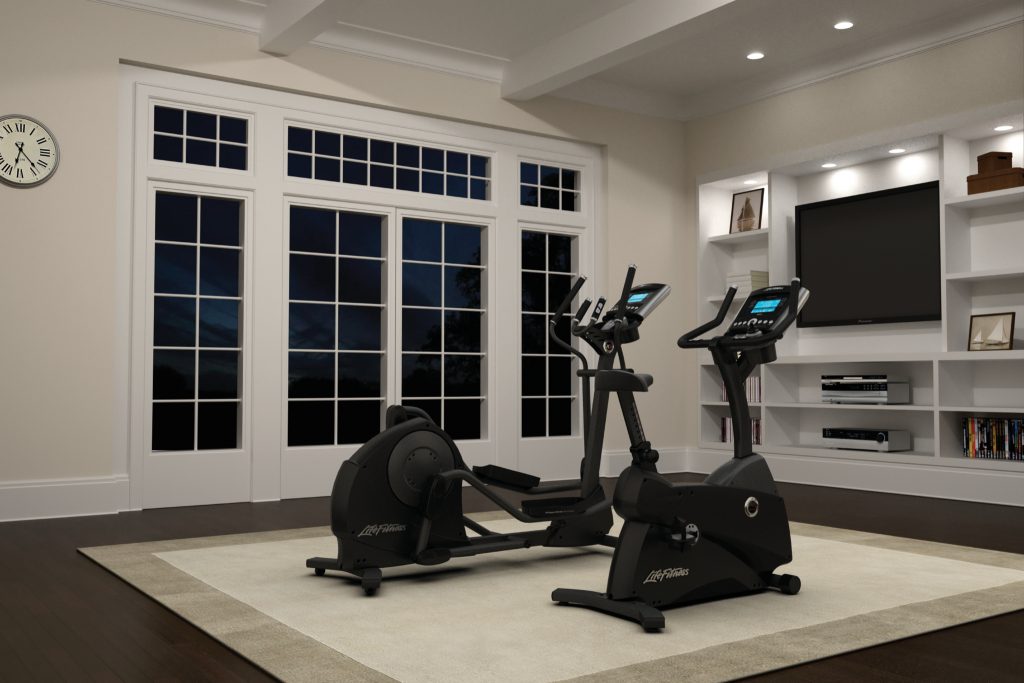
When space is tight, home gym equipment can end up in the living room. While this doesn’t give you a dedicated space to train, it can be all you need to keep your workout routine intact and top of mind. Here are a few things to keep in mind while creating a fitness space in your living room.

BENEFITS 

  • A living room may be full of entertainment options like TV and music, which can take your mind off of your cardio exercises at home.
  • Easy access to your gym equipment makes it easier to get workouts done.

GYM EQUIPMENT IDEAS 

  • One piece of cardio equipment. Consider a foldable treadmill, indoor cycle or rowing machine, all of which can be easily moved out of the way when not in use.
  • Strength training tools like kettlebells and dumbbells that can be stored out of view, and an exercise mat for stretching and yoga.

ADDED CONSIDERATIONS 

  • Consider the aesthetics of the equipment. Cardio equipment like an IC5 indoor cycle or Row HX trainer have design elements that you might not mind showing off.
  • If noise is an issue, consider cardio equipment like cross-trainers that have nearly silent operation.
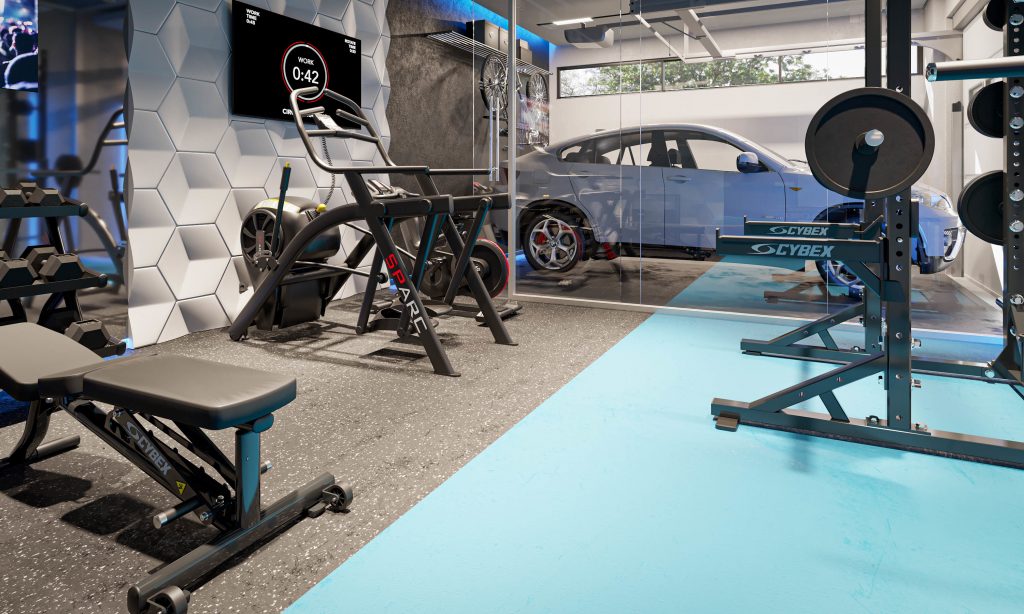
THE GARAGE GYM 

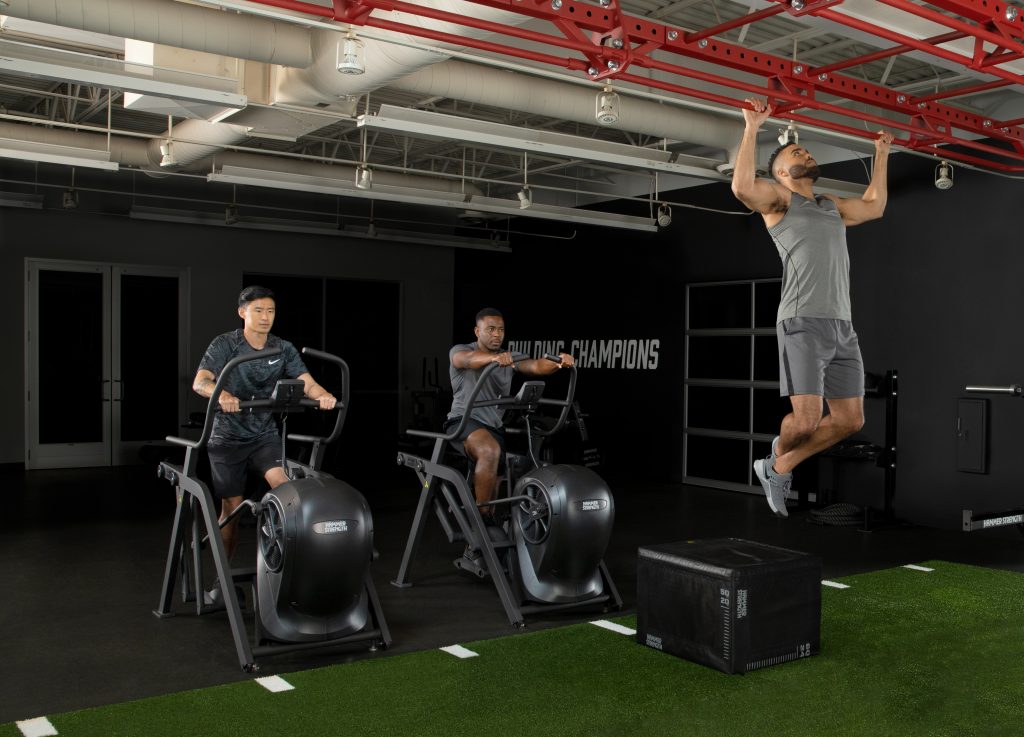
The garage is a great place for strength training, functional training and bodyweight training. It’s an ideal area for a home gym as it allows you to have serious workouts and throw around some weights without damaging your home. A garage can be large enough to create an impressive, dedicated space for home workouts. And you can create a motivating environment with music, lighting and whatever design elements you can think of.

BENEFITS 

  • Excellent for a large functional workout zone or strength training area.
  • Allows you to exercise in a separate part of the home away from distractions.
  • Ample space gives you the opportunity to add equipment over time and slowly build up your home gym.

GYM EQUIPMENT IDEAS 

  • One or two pieces of cardio equipment
  • A half rack or Smith Machine
  • Dumbbells
  • Weight bench or crunch bench
  • Barbells and weight plates

ADDED CONSIDERATIONS 

Additional flooring is ideal for garage gyms outfitted with rugged strength training equipment. Rubber flooring can be purchased online or at most hardware stores. Standard 50 x 50 cm square interlocking tiles vary in thickness and are easy to install.
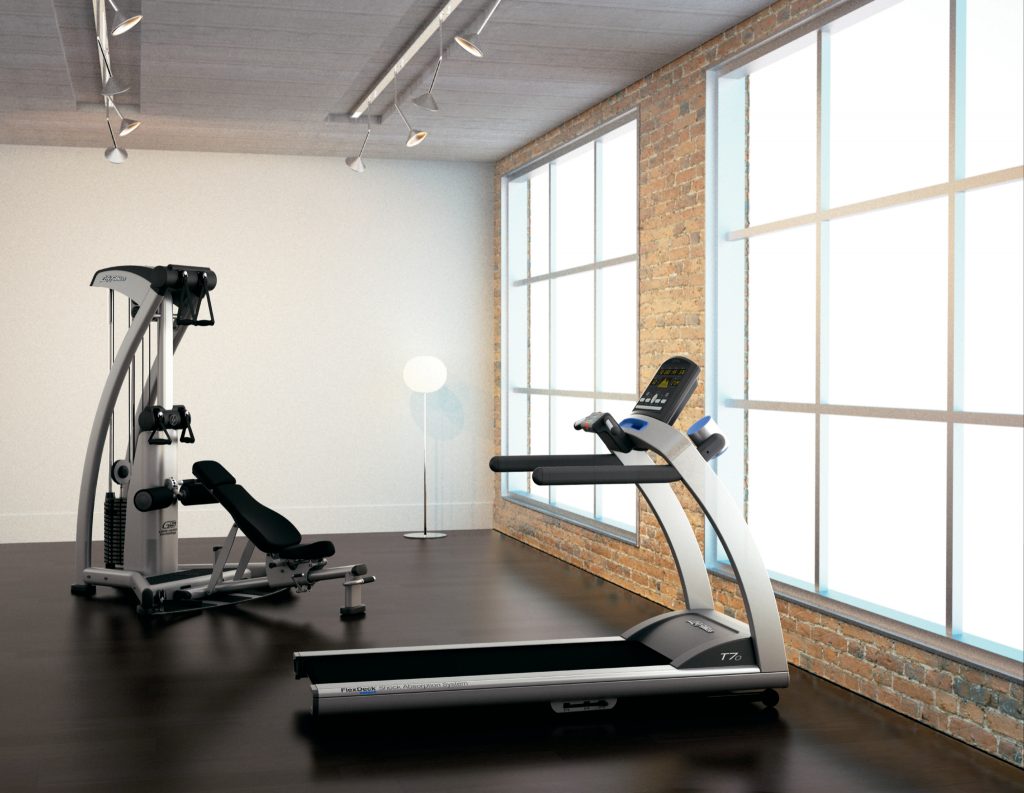
THE LOFT GYM 

We know this option might rarely be for everyone, however, if fitness is your lifestyle and you live in a loft that still needs some functional decoration fitting your sportive needs, this is just what you have been looking for!

Putting up a gym in your loft literally has the boutique feel to it and helps you to keep your fitness routine top of mind. Being part of your extended living room, this type of home gym provides you with all the entertainment options you need for a good workout.

BENEFITS 

  • A living room may be full of entertainment options like TV and music, which can take your mind off of your home workouts.
  • Easy access to your gym equipment makes it easier to get workouts in.

GYM EQUIPMENT IDEAS 

  • Depending on space various pieces of cardio equipment. Consider a mix of powered and non-powered devices like a treadmill, Indoor Cycling bikes or rowing machines to add some variety to your workout routine.
  • Strength training tools like kettlebells and dumbbells that can be stored in a functional training rack which provides with numerous options for additional functional exercises and keeps the space tidy. A CMDAP can help working out dedicated muscle groups that need extra attention, while still being multifunctional.

ADDED CONSIDERATIONS 

  • Consider the aesthetics of the equipment. Cardio equipment like an IC5 indoor cycle or Row HX trainer have design elements that you might not mind showing off.
  • If noise is an issue, consider cardio equipment that have silent operation.
Source: https://www.lifefitness.com/en-eu/customer-support/education-hub/blog/the-5-best-home-gym-ideas

Share

How To Build The Perfect Home Gym

Even if you’re already a member of a health club, a home gym offers the perfect complement to your training routine. Having fitness equipment in your home is a great way to keep your health top of mind. However, building a home gym can be challenging as well, since numerous things have to be considered in order to create a place you really love to workout at. This is why we have put together the most important facts you have to keep in mind, when planning the home gym of your dreams.

ENVIRONMENTAL CONSIDERATIONS FOR A HOME GYM

ATMOSPHERE  

The right atmosphere can keep you motivated and inspired. No matter where you place your equipment, try to create an area that allows you to escape day-to-day distractions. A workout room can provide both a space for exercise and a place to recharge.

LIGHTING  

Lighting can completely change the feel of a space. Try harsh or dim lighting to add intensity to a space, or softer lighting for a more relaxed workout area. Add colored lighting for a unique space that gets you in the zone.

MUSIC & ENTERTAINMENT  

Music is a great motivational tool. You can always use headphones but since you are in your home you have plenty of options for sound bars and speakers. The TV that you already have can serve as a great distraction during long cardio workouts.

COLOUR  

Whether it’s the logo of a favorite sports team, a splash of color, or motivating photography, adding elements that inspire you help progress your training and create an environment that you truly want to be in. Be creative!

MIRRORS  

Mirrors are a great option for amplifying light in your gym and making it feel larger. They also help you keep an eye on your form.

FLOORING  

An important, and often overlooked, consideration that depends upon your training style. If you primarily use cardio machines, an equipment mat to protect your floors and a yoga mat for stretching may be all you need. If you are placing dumbbells and weights on the floor, consider a more robust option for added protection and noise reduction.

ELECTRICITY  

Before you plan out your home gym, consider where the outlets are in the room. This helps you pick the best locations for equipment that requires power, like treadmills and ellipticals.

WHICH EQUIPMENT SHOULD I INCLUDE IN MY HOME GYM?

CARDIO EQUIPMENT  

Cardio equipment is a staple of most fitness routines. Even if you enjoy outdoor activities like cycling or running, cardio equipment is a great alternative when the weather isn’t cooperating. It also provides specific workouts and data tracking to help keep you on track. There are several major types of cardio equipment, including treadmills, upright and recumbent bikes, spin bikes, cross trainers, and rowing machines.

SIZE

One of the biggest determining factors in selecting equipment is the footprint. Treadmills often take up the largest amount of space, followed by cross-trainers. Indoor cycles and rowing machines tend to have smaller footprints.

MOBILITY AND STORAGE

Another important factor is the ability to move and store fitness equipment. Some treadmills can be folded up when not in use, significantly decreasing the need for dedicated space. Rowing machines are easy to move and can be stored upright in a corner or even a tall closet. These features are great to have if you are limited on space.

ENTERTAINMENT 

Some cardio pieces offer limited entertainment options, while others are the equivalent of a smart TV with workout programming, apps, workout tracking and more. Choose the specific workout entertainment experience that fits your workout routine.

COMFORT AND CONVENIENCE

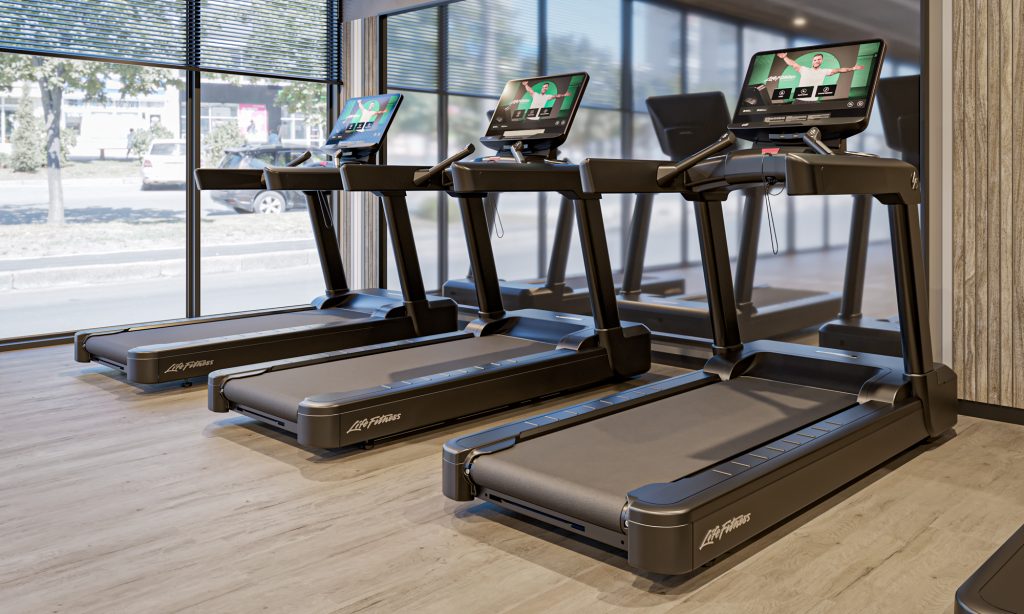
Many products have additional features outside of what’s offered in the console or workout programming. Quality treadmills offer features like shock absorption to reduce impact on the joints. Automatic stop, side platforms to step on and off, hand rails, and noise reduction features are all important if multiple users will be exercising on the equipment.

STRENGTH TRAINING EQUIPMENT

There are several types of equipment available for strength training in a home gym environment, each offering their own benefits. Your fitness goals, preferred method of training, and available space will determine which options are best for you.

CABLE MOTION 

CMDAP: Cable motion dual adjustable pulleys are a great option that combine some excellent features of both home gym systems and free weights. CMDAPs utilize two cable pulleys tethered to a weight stack, which means that resistance is easily selectable and is built into the product. The cables allow you to define your own motion paths, so you can perform a wide array of exercises for a total body workout. CMDAPs tend to have a larger footprint than most offerings and require more ceiling height. A CMDAP also requires plenty of open space around the equipment to perform exercises.

FIXED MOTION 

Home Gym Systems: Home gyms provide significant exercise variety and are designed to save space. Resistance is built into the machine. Home gyms provide an experience like selectorized machines used in health clubs with fixed paths of motion that are meant to isolate specific muscle groups.

Smith Machines: Provide versatility and allow you to perform many of the exercises that can be done on a rack, but in a design that is ideal if you’re working out alone. Smith machines have a bar incorporated into the equipment, but weight plates are necessary for resistance and a bench is also crucial for expanding exercise options.

FREE WEIGHTS 

Dumbbells: Free weights provide complete control of your motion pattern. Having a set or two of dumbbells is a recommendation for any home gym since they are small and relatively easy to store.

Racks: Incredibly versatile and offer you the ability to utilize major compound lifts for strength and functional training. Racks are great for those that want to train with free weights, but consider the additional purchase of a bar and weight plates needed for this option. A bench is also another component if you are building your home gym around a rack. Racks are also configurable and provide the ability to add on a multitude of accessories for additional exercises and training techniques, like Functional Training or bodyweight exercises.

Source: https://www.lifefitness.com/en-eu/customer-support/education-hub/blog/how-to-build-the-perfect-home-gym

Share

Ask the Expert: How to Use the Arc to Shape Your Glutes and Bottom

Build muscle in your glutes and shape your bottom

The simple answer is that you should plan on using both strength training and cardio to build muscles in your glutes and shape your bottom. There is no magical exercise that will ‘tone’ or ‘shape’ a muscle, but performing exercises that effectively target the glutes in combination with a reduction in body fat will make these muscles appear more prominent. There is always the potential for issues whenever one is training for aesthetics: your genetics will always play a role. It is possible that certain body ‘shapes’ may not be possible for some people. But, if you focus on training to be fit, happy, and healthy, then looking better will be an added bonus.

Exercises for your glutes

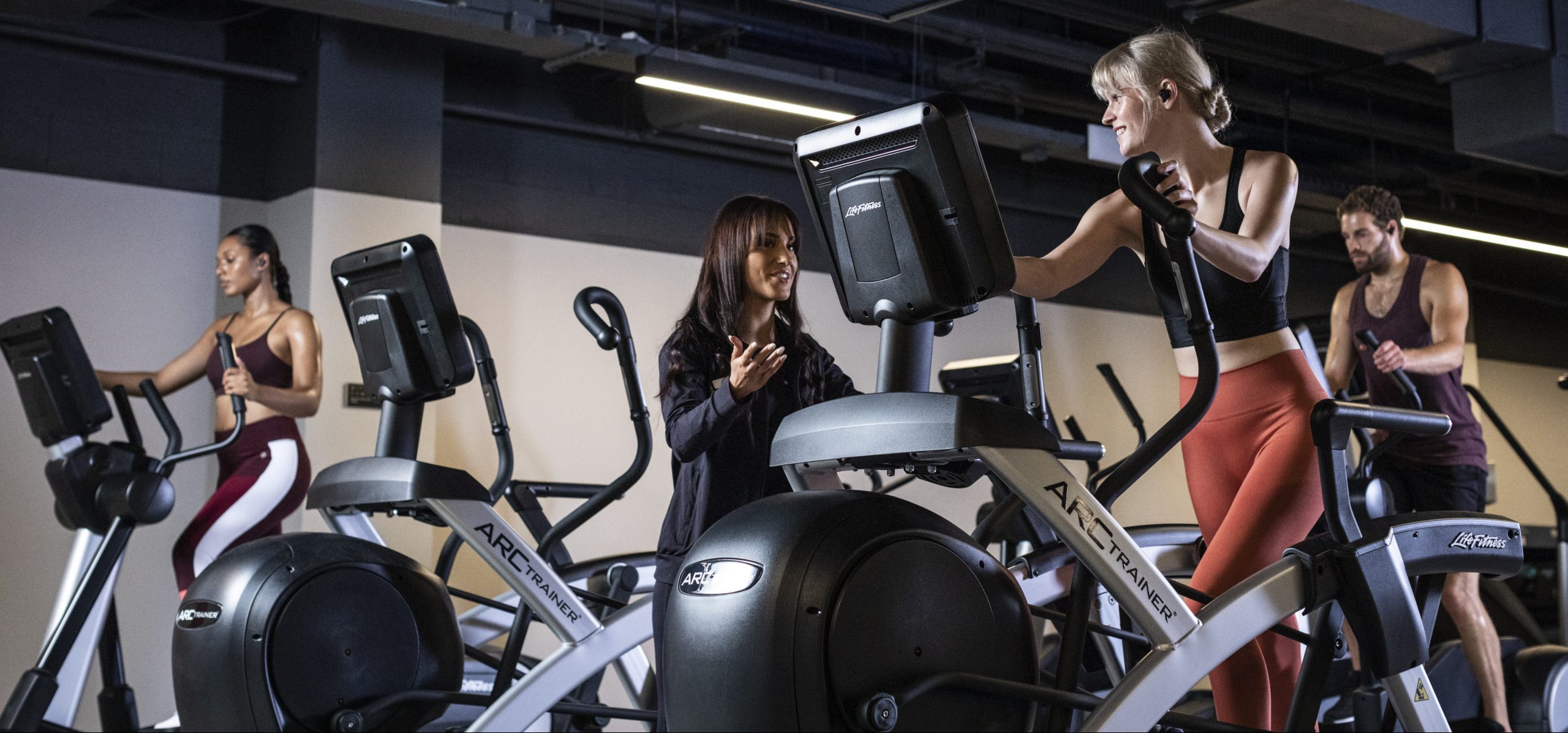
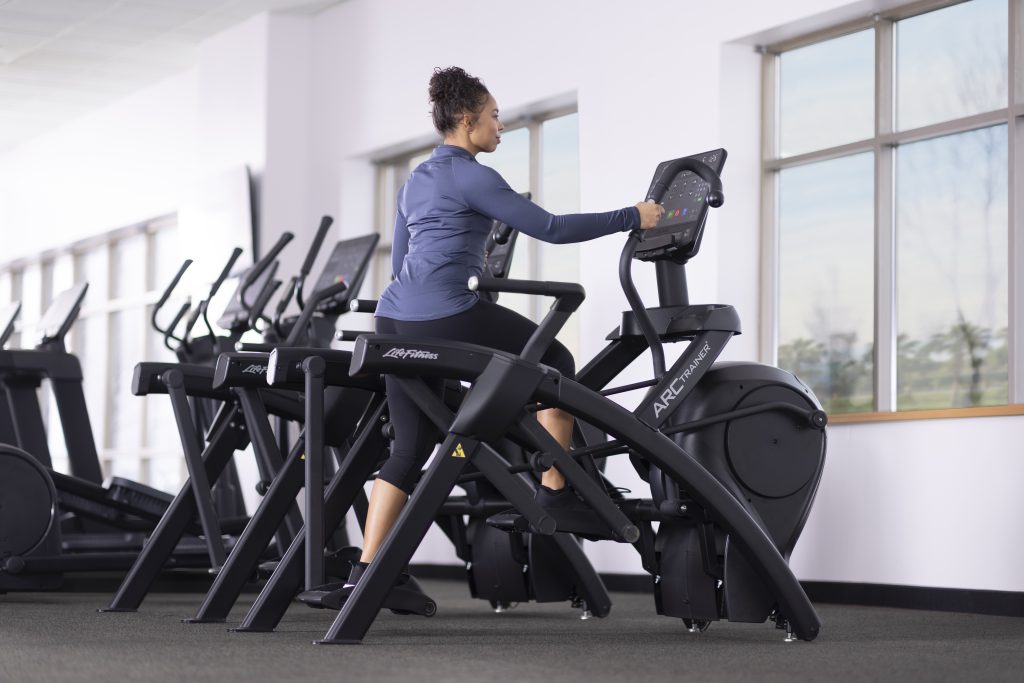
Typical strength exercises that will work the glutes include the Eagle NX Leg Press, Squats, and Lunges (among many others). But the Arc Trainer is unique in that it can be used for both cardio and strength training.

Use the incline feature

One feature to keep your eye on when using the Arc Trainer is the incline level. Our internal research shows that, at high inclines (10-20), the Arc Trainer is a quadriceps-dominant motion similar to climbing or stepping. At lower inclines (0-10) the focus will shift from the quads to the glutes.

When focusing on your glutes and bottom, start at a low incline and push yourself to keep a high rate of strides per minute.

Combine strategies for best results

Working at higher power levels will help increase the strength of your leg muscles. Combining strength training, cardio, and a balanced diet will help you achieve results the fastest. Good luck on your fitness journey.

Source: https://www.lifefitness.com/en-us/customer-support/education-hub/blog/ask-the-expert-how-to-use-the-arc-to-shape-your-glutes-and-bottom

Share

Guide to choosing eco-friendly gym flooring: Is rubber flooring a good option?

In today’s eco-conscious world, selecting the right flooring for your gym isn’t just about durability and aesthetics—it’s also about making a positive impact on the environment. With sustainability at the forefront of many fitness enthusiasts’ and gym owners’ minds, knowing what to look for in eco-friendly gym flooring is key. Here’s your comprehensive guide to making an informed, sustainable choice. 

1. The Importance of the Material: 

Recycled tyre rubber solutions are subjected to a compaction process using polyurethane (PU) adhesive. As a result of wear and tear, the adhesive bond may weaken, releasing some of the recycled rubber particles. 

Flooring made from virgin recycled rubber, on the other hand, undergoes a vulcanisation process which results in a polymer chain with a very compact structure and no particles are released into the environment. Therefore, we recommend that, to adopt more sustainable practices, you research the origins of each type of flooring and seek renewable and recyclable materials from sustainable sources that guarantee a cleaner production cycle. 

2. The Lifecycle Lowdown:

Consider the entire lifecycle of the product. Is the flooring designed to last, reducing the need for frequent replacements? Also, check if it’s recyclable at the end of its life. A commitment to a circular economy is a hallmark of truly sustainable flooring options.

3. Production Practices:

How is the flooring made? The most eco-friendly options are produced using energy-efficient processes that minimize waste and carbon footprint. Companies transparent about their manufacturing practices offer reassurance that they’re as committed to the planet as they are to their products.

4. Certifiably Sustainable:

Look for certifications that validate a product’s environmental claims. Certifications can provide a benchmark for sustainability, ensuring that the flooring meets stringent environmental standards.

5. The Power of Efficiency:

Efficiency isn’t just about how the flooring is made; it’s also about how it performs. High-quality, durable gym flooring reduces the need for replacements, cutting down on waste and ensuring your investment is both economically and environmentally sound.

Making Your Choice:

When choosing your gym’s flooring, consider not just the immediate impact but the long-term implications of your choice on the environment. Pavigym’s expertise in eco-friendly flooring can guide you towards making a responsible choice that benefits both your health and the environment.  By prioritizing sustainability in your selection criteria, you contribute to a healthier planet and set a positive example for your community. 

Remember, every step towards sustainability is a step in the right direction. Choose wisely, choose for the future.  

Source: https://www.pavigym.com/en/blog/eco-friendly-gym-flooring

Share

The History Of The Treadmill

Today, the treadmill is the most popular piece of fitness equipment, found in homes and health clubs around the world. But where did this great cardiovascular machine come from?

Ancient Roman Tread Mill Crane

The “tread mill” also known as the “tread wheel” was first introduced in the height of the Roman Empire, around the late first century. When the Romans found they had a need to lift heavier weight, they incorporated the treadmill, replacing the winch in their cranes. The men would walk within the wheel itself and because the treadmill had a larger diameter, they were able to lift double the weight with half the crew.

The Horse Treadmill

In the 1800s, when stationary machines were powered by unreliable natural sources like wind and water, farmers were in need of a more consistent power source. They found that a treadmill machine could capture the “brake” power of a horse. According to historian Brian Wells, “the unit of measurement of force of strength necessary to operate these new stationary machines became known as “horse power” based on the average pulling power of an average draft horse.”

Dog, Sheep and Goat Treadmills

Small versions of the horse treadmill were introduced to tackle every day domestic operation. The treadmills produced both rotary and reciprocating powers for use with light machinery like butter churns, grind stones, fanning mills and cream separators.

Prisons – Treadmills for Punishment

During the Victorian Era, British engineer William Cubitt invented the prison treadmill. Installed for hard labor, these treadmills were designed as a means to usefully employ convicts and use their power to be productive. The prisoner would simply work the wheel to produce power to grind corn and pump water, although some served no purpose at all other than punishment. Eventually The Prisons Act of 1889 abolished hard labor and instead recognized that labor within prisons should have a constructive purpose.

Medical Treadmills

The first modern medical treadmill was used in 1952 by Dr. Robert Bruce of the University of Washington, a cardiologist who conducted research with co-worker Wayne Quinton to monitor and diagnose various heart conditions and diseases. From his findings he eventually developed the Bruce Protocol, a diagnostic test used in the evaluation of cardiac function which is still used today.

He is known to many as “The Father of Exercise Cardiology”.

Treadmills for Exercise

Bill Staub and Dr. Kenneth Cooper brought the first home exercise treadmill to market through Aerobics, Inc. The popularity of aerobic exercise equipment at home and in gyms grew throughout the 1960s and 1970s.

Life Fitness

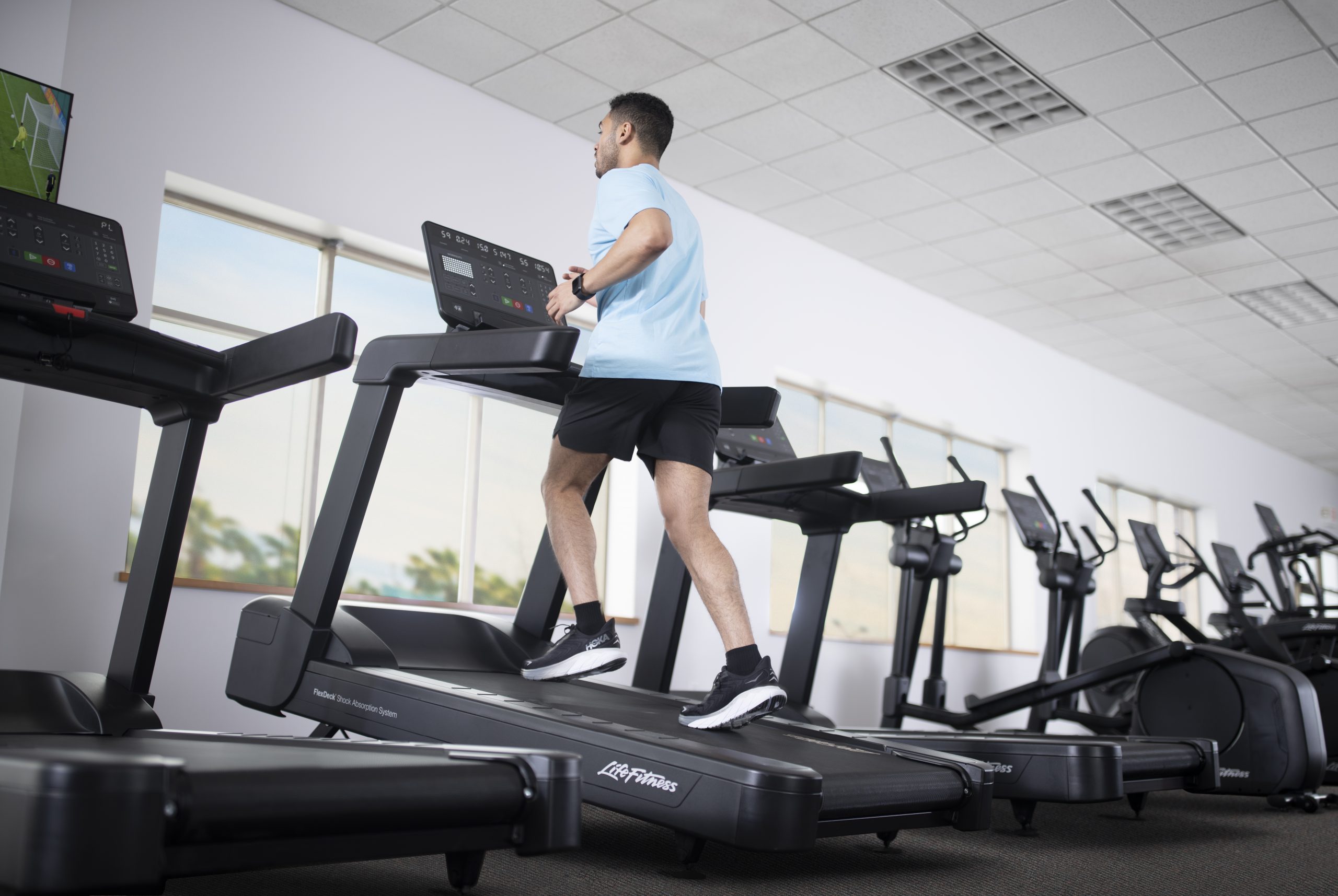
In 1991, Life Fitness produced its first treadmill, the 9500HR, which took an entire week to assemble. It included the patented FlexDeck Shock Absorption System, which reduces joint stress by up to 30 percent when compared to running on concrete.

Technology and Entertainment

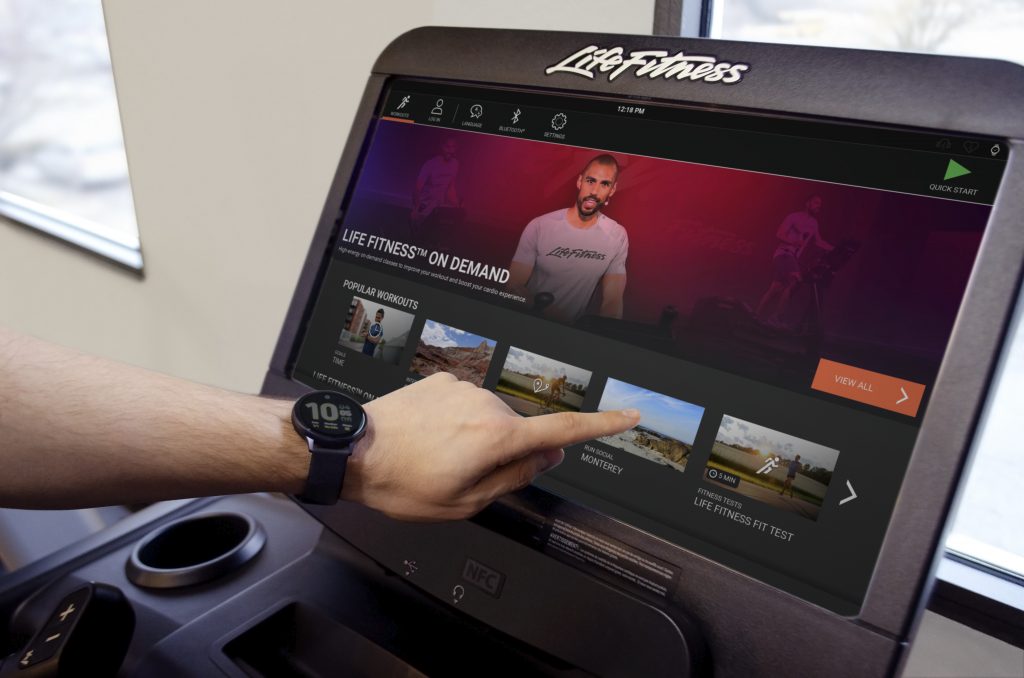
Life Fitness introduced the first integrated LCD touch screen console and attachable LCD screen on a treadmill in 2003 and later developed the first cardio products with device and USB connectivity.

Today, treadmills continue to be the most popular fitness equipment in both homes and gyms. And they’ve come a long way from even from where there were a decade ago. Integrated TV, internet access and compatilibity with fitness and entertainment apps make treadmills much less of a chore than they were at the turn of the century.

Source: https://www.lifefitness.com/en-us/customer-support/education-hub/blog/the-history-of-the-treadmill

Share

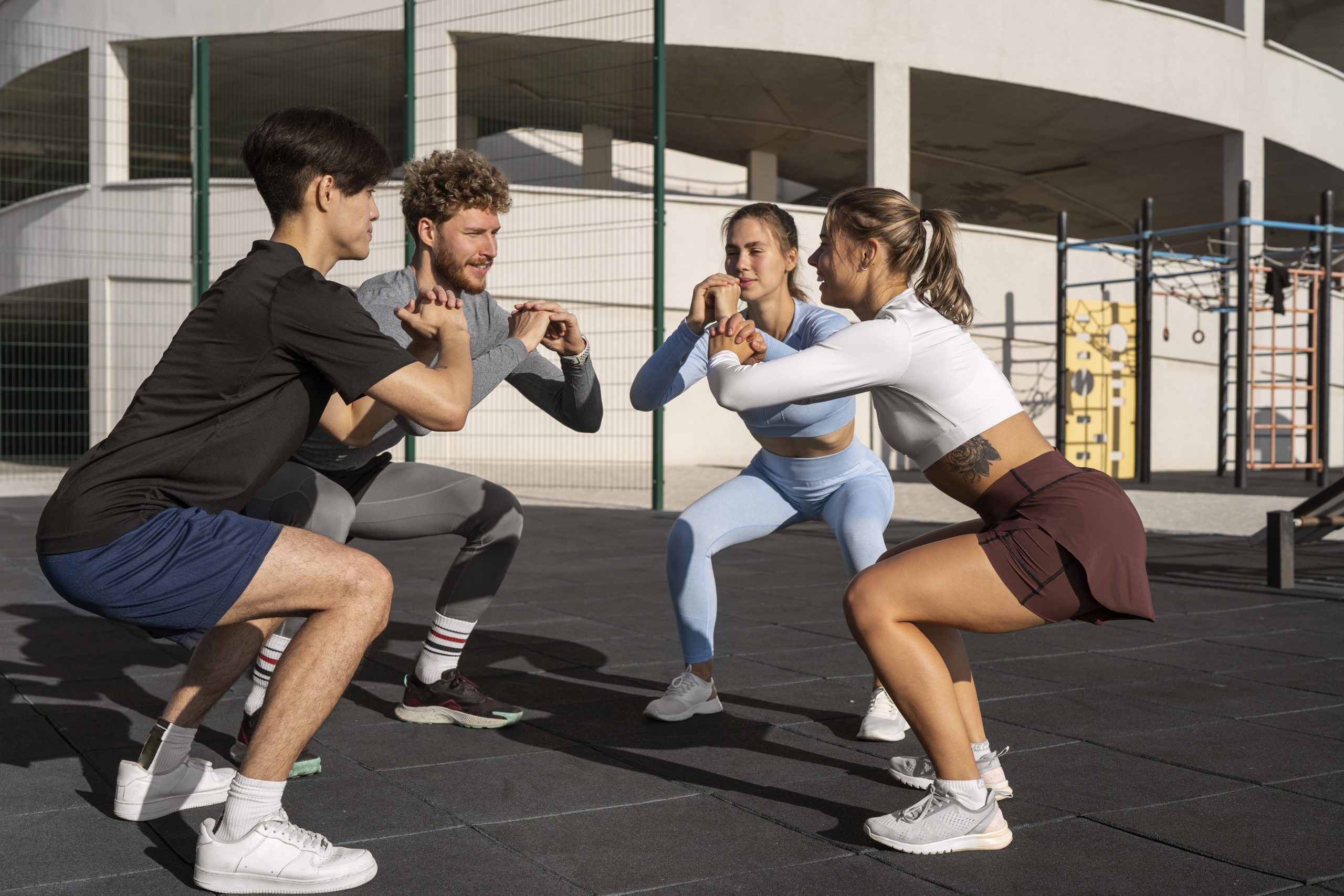
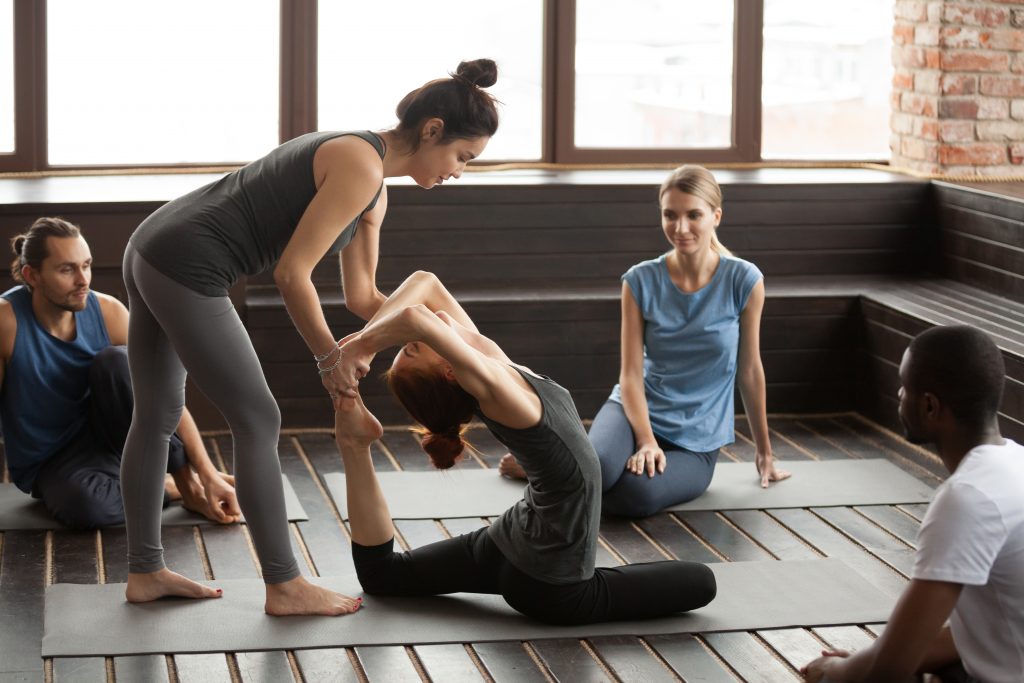
6 Reasons Why Group Exercise Is A Great Start To Your Fitness Journey

Beginning a fitness routine to get healthy can be a daunting task. If you’re not a regular at the gym, heading to the health club for the first time can be intimidating. But consider introducing yourself to fitness through a group exercise session or two. Classes offer the instruction, motivation and camaraderie that you may need to get started. Here are few reasons why joining a group session may be right for you.

You get professional fitness instruction.

Certified personal trainers can provide great guidance on form, workout intensity and goal setting. They can help you become acquainted with the exercise options that are best for you and hep ensure that you get results from all of your hard work. And, if you find a trainer you like during group exercise, consider asking them if they’re available for one-on-one instruction. Learning from a professional is a great way to get started with fitness.

There’s motivation in a group.

Teamwork and camaraderie are big reasons why group exercise is extremely popular. Encouragement comes in the form of a group instructor asking for one more push up, or trying to match what others in the class are doing. The feeling that “we’re all in this together” is a powerful driving force and you might be surprised by just how much it motivates you. And if you’re competitive, trying to keep up with some of the fittest in the class should help you amp up the intensity.

You gain inspiration from others.

If you’re new to fitness you may need a goal to shoot for. Look around at others who excel in your session and realize that many of them were at the same point you are. Know that if you stick with your routine you can reach their fitness level. The people in your group exercise class all have different stories, take the time to learn them.

Scheduled workouts keep you on the fitness path.

Finding random time to go to the gym isn’t always easy, but when it’s on your schedule in advance it’s more likely to become routine. You can plan time around your weekly or daily group sessions and make your workouts more convenient. Being a workout regular is much easier when convenience is considered.

It’s a chance to meet new people.

Going to the gym regularly is easier when you have a workout partner, and group training is a great way to meet people who have similar fitness goals. Any fitness facility is a more welcoming place when you have friends there, and it doesn’t take long to get to know the regulars in a group exercise classes.

Group exercise is fun.

Let’s not forget this important aspect. When done right a group training session should be an invigorating experience complete with an energetic instructor and a lively environment. When it’s at its best, the group exercise experience takes your mind off of the fact that you’re burning calories and working up a sweat.

Source: https://www.lifefitness.com/en-us/customer-support/education-hub/blog/6-reasons-why-group-exercise-is-a-great-start

Share

Why this osteopath is adding STOTT PILATES® for Rehab to his studio offering

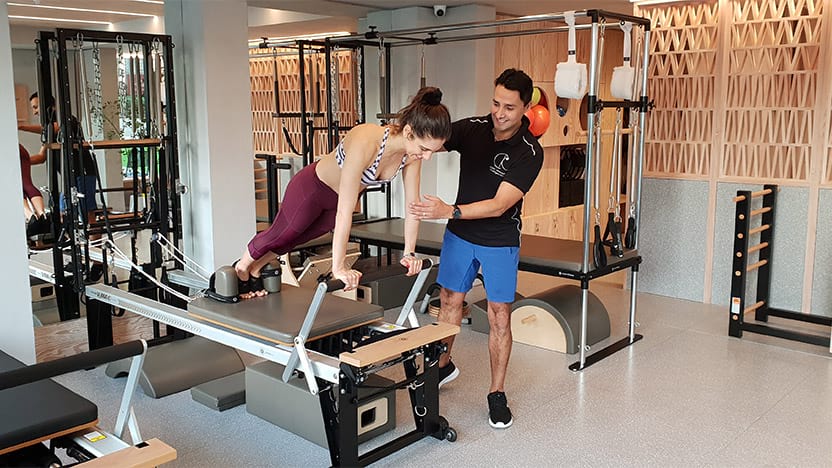
With an increasing number of clients coming into his London Pilates studio looking for rehab treatment, registered osteopath and STOTT PILATES® Certified Instructor Carlo Yanez decided it was time to bridge the gap between his health care education and his fitness training.

“I see people of all ages with a variety of musculoskeletal issues. Many clients come to me with back problems, shoulder or knee issues and I treat them and give them general STOTT PILATES exercises,” says Carlo, the owner of boutique Pilates studio, Core Kensington.

Despite all of his training, Carlo felt limited in how he could treat these clients. He wanted to find a way of combining his skillsets to become a one-stop shop for clients, and in turn, diversify and grow his business.

“Osteopaths are typically not exercise professionals and they don’t really undergo exercise training. And as a STOTT PILATES Certified Instructor, while we did touch on some modifications for rehab, the general program was geared more towards fitness professionals working in studio settings.”

Why use the Reformer for rehab?

The Rehab Reformer is the ideal piece of equipment for multipurpose studios and clinics— as Carlo can attest.

As a STOTT PILATES Certified Instructor, he’s seen how much his clients enjoy and benefit from using it for their Pilates group and one-on-one sessions, and he’s also observed a few London physiotherapy clinics incorporating it into their practices.

This one piece of equipment can help studio owners and clinics provide multiple services to clients, setting them apart from the competition and allowing them to retain clients for longer as they progress through rehab and return to regular activity.

“By using a Reformer in a rehab setting, clients receive an enhanced experience from the limitless exercises available on this amazing piece of equipment. The Reformer not only provides support to the client and therapist, but also allows for more precise movements, progressions and regressions. Additionally, the Reformer is fun, and clients love it once they try it,” Carlo says.

However, just because someone is a qualified physiotherapist, osteopath or sports therapist doesn’t mean they are trained in how to use the Reformer properly, Carlo says.

“Pilates training is usually separate from other rehabilitation specializations. Moreover, not many own Pilates equipment in their practices. The STOTT PILATES Rehab courses for the Reformer will give me more insight into how to use the Reformer specifically for clinical application rather than just in a fitness setting, which is presently the norm,” Carlo says.

“Clients can see the difference in knowledge from someone who uses the Reformer for general use versus someone who is trained to use it for rehab.”

New knowledge and business goals

Carlo has big ambitions for Core Kensington and rehab will be a significant part of his business offering going forward.

Right now, he’s looking at opening a new studio, which will include a small physiotherapy and rehab clinic. It will emulate his existing studio business model, which emphasizes small, personalized group Pilates classes and integrated health solutions for busy professionals.

“I plan on integrating the new knowledge I’ve obtained from the rehab course with my existing knowledge to better help my patients and to provide preventative injury group classes to my timetable at the studio, such as back care classes and rehab on the Reformer, aimed at people with joint injuries,” he says.

Beyond expanding his studio’s footprint and class schedule, he’s also planning to share his new knowledge with the eight instructors he oversees.

“The STOTT PILATES Rehab Certification will give me the knowledge and confidence to retain and help more clients in-house, becoming a one-stop shop for their fitness and physiotherapy needs. I will be more than just an instructor and an osteopath. It is a good business move because I can market myself as a Pilates rehab specialist, which will separate me from the competition. It’s another tool in the toolbox.”


Source: https://www.merrithew.com/blog/post/2019-06-26/why-this-osteopath-is-adding-stott-pilates-for-rehab-to-his-studio-offering


Share

Transforming Tradition: The Evolution of Rugby School’s Performance Gym

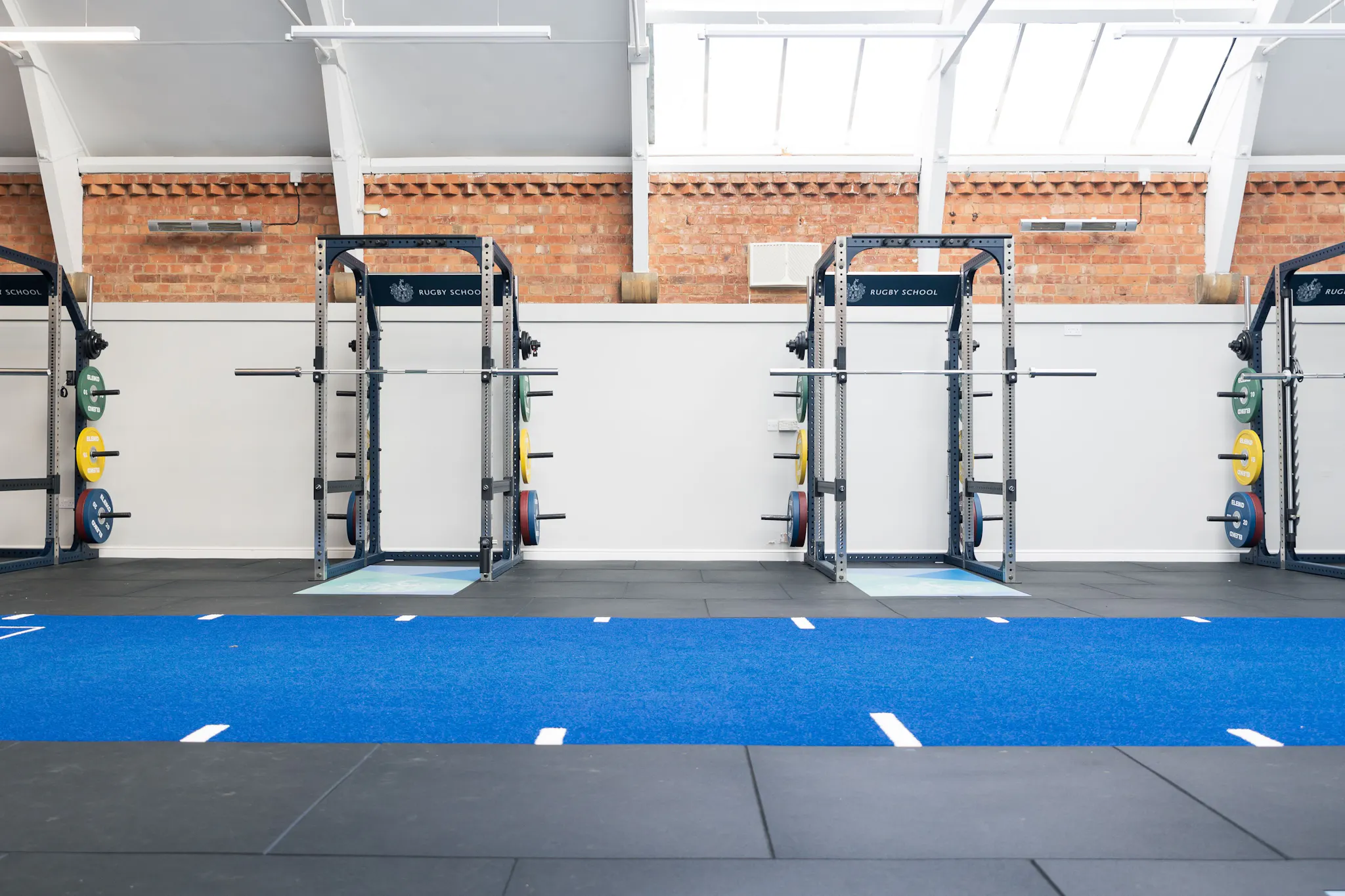
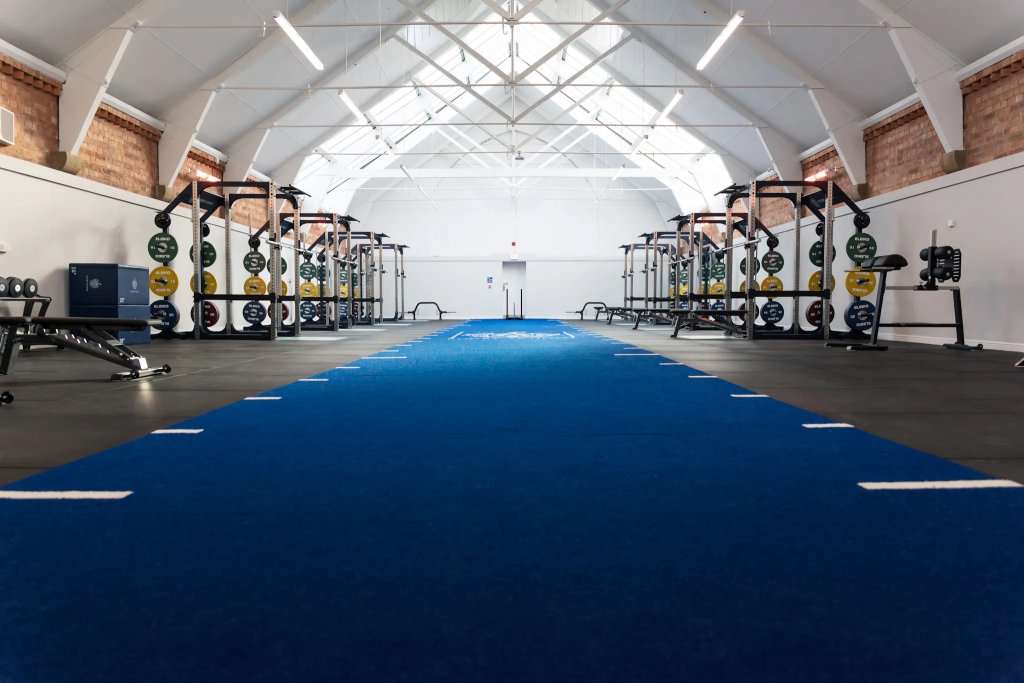
Once an old shooting range now high-performance gym, the Rugby School space was transformed to meet the growing demands of the school’s athletic development provision.

With the Strength and Conditioning program within the school catering for pupils as young as 13, right through to junior internationals at 18, the school needed to create an inspiring training space that could facilitate the varying demands of all students and encourage progression throughout the school.

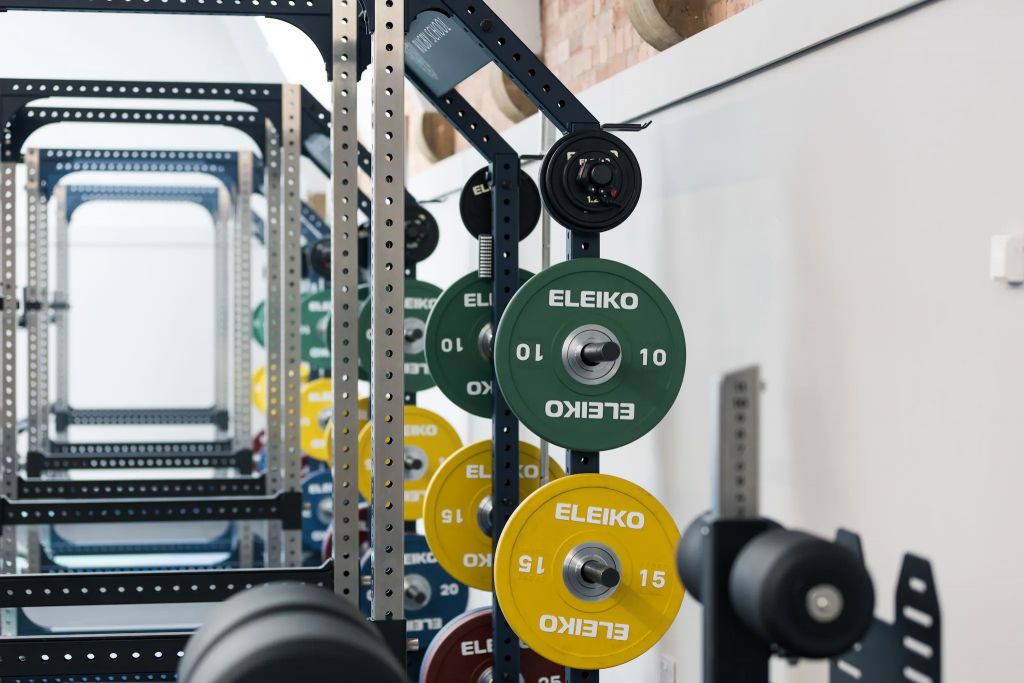
The refurbished performance gym opens the space to more students, allowing greater contact time and a unique training environment that can be enjoyed by all. Students now have the option to train independently or as part of a squad using the Prestera Power Racks with an array of lifting attachments, and coaches have greater access to the tools they need to progress students training.

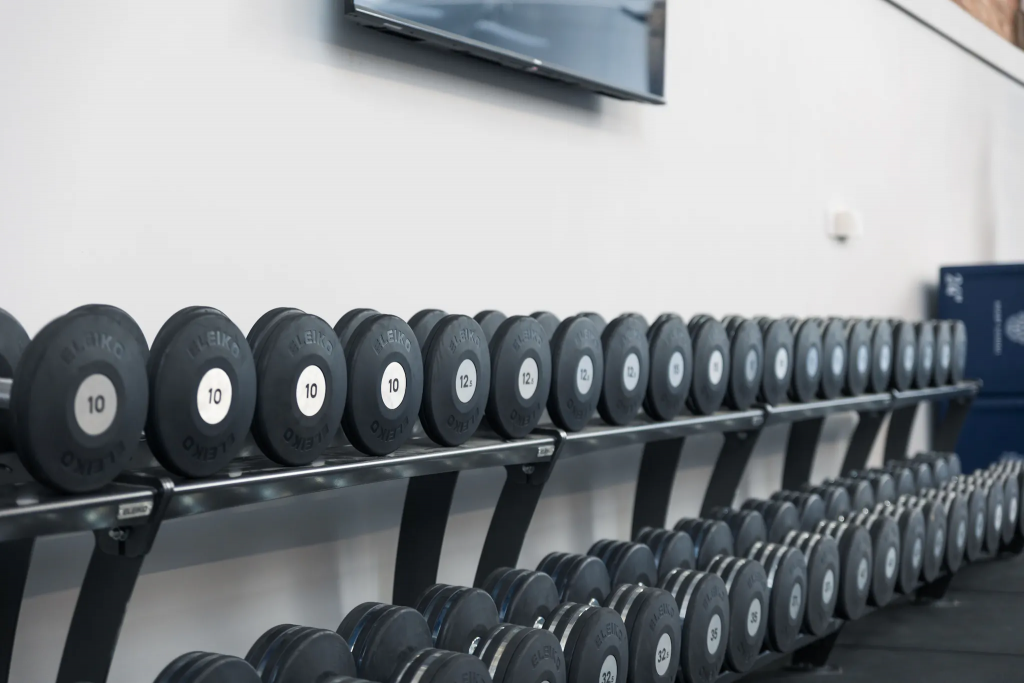
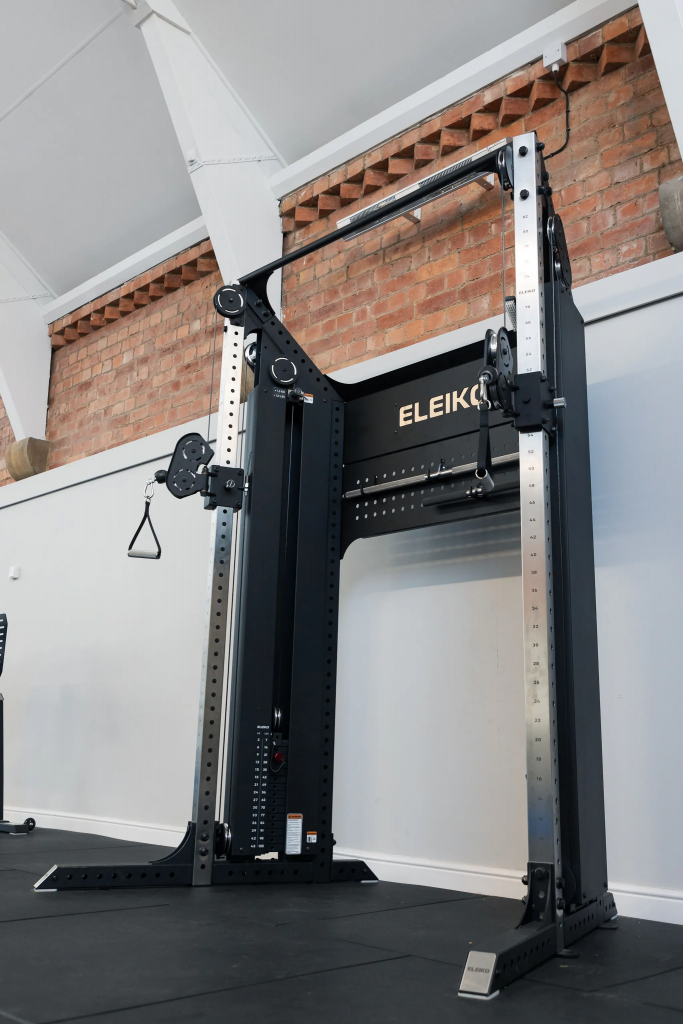
Functionality as well as aesthetics were key to the brief and the customised Prestera Power racks helped to meet both criteria. Custom-branded Prestera racks and a variety of Eleiko strength tools such as speciality barbells, sport training plates, plate dumbbells, a dual adjustable pulley machine and more, unlock a host of new training possibilities for both students and coaches – as well as a safe environment in which to perform the Olympic weightlifting movements.

Custom rack colours, branded sport training plates, turf track and plyo boxes were also implemented, harnessing the school’s identity throughout for a unique lifting experience.

Rugby School has a rich history in sport, producing the game that millions love worldwide. Keeping at the forefront of UK Independent schools with its strong academic and cocurricular offering, the new performance gym enriches Rugby School’s already impressive indoor and outdoor facilities.

The gym opens as the school celebrates 200 years of Rugby football and will offer more students than ever the chance to participate in Strength and Conditioning sessions. Commenting on the new high-performance facility, Nathan Atlay, Head of Athletic Development at Rugby School says,

“From start to finish Eleiko were integral in finding solutions to the space from flooring through to rack customisation, utilising innovative products and space-saving solutions that also reflect the school’s brand. The install process was smooth with Eleiko working around our term dates and leaving the facility in pristine condition.”

Eleiko Prestera, our modular, customisable strength system is being adopted across sporting universities and performance centres worldwide, with distinctive configurations to redefine what is possible for floor plans and training. Contact our team to discover the possibilities.

Source: https://eleiko.com/en/stories/rugby-school-uk


Share

The Power of Pilates: Two Ballet Dancers’ Path to Excellence & Recovery

In the ballet world, every movement counts and serves as a testament to a dancer’s dedication. This art form, renowned for its demand for precision, finds a harmonious companion in Pilates. Pilates, transcending its role as a fitness regimen, has emerged as a transformative element in a dancer’s toolkit. Its emphasis on body alignment, control and strength mirrors the essence of ballet, creating a synergy that enhances performance and aids in recovery.

Today, we spotlight the experiences of two dancers from The National Ballet of Canada, Genevieve Penn Nabity and Mattieu Pagés, whose journeys with Pilates have embodied both the pursuit of excellence and the path to rebuilding post-injury.

Meet the Dancers: Genevieve & Matthieu

Starting ballet at the age of three in a Michigan studio, Genevieve’s passion led her to The National Ballet of Canada. Her journey is a testament to dedication and the pursuit of excellence in ballet.

A graduate of the Zurich Dance Academy, Matthieu faced a hurdle after he partially tore his big toe’s ligaments after landing poorly following a big jump. This setback required a complete halt in dancing – a daunting prospect for any dancer. His story is one of resilience and determination in the face of adversity.

Genevieve – Performance Enhancement through Pilates

What are your current ballet career goals?

My primary focus is on enhancing my petite and grande allegro jumps. I would also like to increase my stamina to perform full-length ballet performances, often extending over two hours. In the ever-evolving journey of an artist, training never truly ends. I’ve identified these aspects as weaker areas in my dancing and I’m determined to improve them. This season there are many roles that require quick footwork and large soaring jumps, for which I want to be fully prepared. Maintaining peak performance, health and preventing injuries are also key priorities in my ongoing fitness journey.

How have you integrated Pilates and mind-body exercise into your training?

I have practiced Pilates since my early days as a ballet student, so the mind-body connection is practically second nature to me. My mom taught me that focusing on the muscular action is necessary for the effective execution of any exercise, technical step or piece of choreography.

How do you expect Pilates to enhance your ballet performance?

I believe my overall endurance will increase when I improve my muscle stamina under tension. I have been working on weight training with our athletic trainers and Pilates with our instructor to ensure the small intrinsic muscles are balanced and firing, as well. I need all my muscles, global and postural, working together to keep me dancing safely and to the best of my ability.

What are the similarities between ballet and Pilates?

There are striking parallels between the core principles of ballet and Pilates. Key aspects include mobility versus stability, the use of breath as an enhancer for specific movements and choreography that challenges coordination.

Which Pilates Reformer exercises have been most effective?

Selecting just a few exercises is challenging, but the Advanced Snake stands out for me. This exercise places my body in an off-center position, demanding control and precision as I navigate through spinal articulations. It’s a rigorous exercise, but the feeling of progress and the strengthening of intricate muscles is incredibly rewarding.

Additionally, I love using the Jumpboard and Rotational Disks. These tools are excellent for targeting the intrinsic muscles of the feet and legs, particularly in a decreased load-bearing position. These exercises are useful for any athlete trying to address muscle imbalances and prevent overuse injuries. In general, working on the Reformer in any medial position is a challenge, but extremely beneficial for my ballet training.

Any advice for fellow dancers?

It may be hard to start additional training, especially considering the daily physical demands of dance. However, I have noticed considerable changes in my endurance and stability by incorporating cross-training, with a gym workout twice a week and a Pilates session once a week. This regimen has made me a more well-rounded and consistent dancer, thanks to better muscle balance and conditioning. Pilates is also a great way to release endorphins, which help you stay positive as you navigate the challenges you may face as a dancer.


Matthieu: Recovery & Strength Building Post-Injury

How have you adapted your ballet training to accommodate your injury?

In resuming my training post-injury, I prioritized weightless exercises to minimize pressure on my articulation. Additionally, I scaled back the intensity of my ballet routines to ensure a gradual and safe recovery, being careful not to overexert myself too quickly.

What inspired you to incorporate Pilates into your recovery routine?

Since I was in school, Pilates has been an integral component of my training. Its effectiveness in meeting a dancer’s specific needs, particularly its ability to isolate and strengthen muscle groups, inspired me to incorporate it into my recovery routine. With the right expertise, Pilates is a game-changer in the recovery process.

Which Pilates Reformer exercises have been most beneficial?

The Reformer has been especially useful for exercises that strengthen without adding weight to my legs. The “Footwork Lower and Lift” exercise on the Reformer are a favorite exercise of mine. They allow me to focus on regaining strength, without worrying about overloading the weight on my articulation, especially for exercises like single-leg raises.

Have you noticed improvements since incorporating Pilates into your recovery?

Yes, definitely! Incorporating Pilates and mind-body exercises into my recovery routine has significantly helped restore my range of motion and strength closer to pre-injury levels.

What steps are you taking to prevent future injuries?

Even when I’m fully healed, I plan to continue the exercises prescribed during my recovery process to build strength and minimize the risk of future injuries. Unfortunately, we can never predict when and where an injury can occur, but we can consistently strengthening vulnerable body parts to significantly reduce the likelihood of injury.

What advice would you give to other injured ballet dancers?

Pilates can be transformative in your recovery journey. However, it’s crucial to pace yourself and avoid rushing the process. It can be frustrating to feel limited compared to your pre-injury capabilities, but it’s important to resist the urge to push your body too hard. Overexerting won’t speed up your healing and in fact, it might hinder progress and exacerbate the issue. Patience and gradual progression are key in utilizing Pilates and mind-body exercises effectively for recovery.

Genevieve and Matthieu’s stories are testaments to the power of Pilates and mind-body exercise in ballet. Whether by pushing the boundaries of performance or navigating the road to recovery, Pilates stands as a pivotal element in their dance narratives. It’s a reminder that Pilates emerges as a pivotal tool for ballet dancers.


Source: https://www.merrithew.com/blog/post/2023-12-20/the-power-of-pilates-two-ballet-dancers-path-to-excellence-recovery

Share

Post-Rehab Workout Equipment: Cadillac, V2 Max Plus Reformer & Stability Chair

One of the fastest-growing branches of Pilates training is the post-rehab sector.

Rehab and therapy professionals are increasingly looking to alternative modalities to supplement and strengthen post-rehab work, and are finding Pilates to be an excellent choice. When properly applied, Pilates exercises dovetail with rehab and therapeutic efforts to help with a broad range of physical dysfunction, including neurological disorders, cardiopulmonary restrictions, orthopedic complaints and a host of other physiological conditions.

Accommodating post-rehab clients effectively means using equipment that caters to specific needs while taking into consideration the amount of space and funds available to the studio owner. Below is a breakdown of how the Cadillac, V2 Max Reformer and Stability Chair can benefit a post-rehab Pilates practice.

Cadillac

  • Working surface is high, making it easier for clients to mount and dismount safely.
  • A large mat area accommodates exercisers of all sizes.
  • Independent springs provide resistance for addressing imbalances and performing bilateral, unilateral and reciprocal work.
  • Varying spring tension, height and positioning allow for precise adjustments necessary for each client that ensure the right amount of resistance and the ideal angle for each exercise.
  • Accommodates sitting, standing, kneeling, supine, prone and side-lying exercises.

V2 Max Plus Reformer

  • Ideal for studios where space is an issue. The vertical frame on the V2 Max Plus means that this Reformer offers 80 percent of the exercises that can be performed on the Cadillac, including those with the Roll-Down Bar, Push-Thru Bar, Arm Springs, Leg Springs and Extension Strap, in a significantly smaller space.
  • The Roll-Down Bar and Push-Thru Bar function in the same way as on the Cadillac, with springs above and below, but on the V2 Max Plus they can also be used in conjunction with the moving Reformer carriage.
  • The V2 Max Plus Rehab Reformer offers a higher carriage surface (6.5 in higher than the V2 Max Plus) to accommodate clients who may have difficulty getting on and off the Reformer.
  • Arm and leg springs can be attached to a number of eyehooks located at varying heights on the Vertical Frame, including the multi-position Travelling Eyehooks.
  • The retractable rope system and travelling pulleys provide various angles of resistance and the ability to increase the overall ROM for many movements.

Stability Chair

  • Ideal for smaller spaces to supplement Matwork.
  • Accommodates a diverse range of clients, including those that may be limited to exercising in a vertical position, such as older adults, prenatal women, those with blood pressure issues, vertigo, eye conditions or balance concerns.
  • The smaller working area means that the Stability Chair can be used for exercises that build overall strength, suitable for athletes.
  • Simple, straightforward exercises are easy to learn and teach, and provide a workout focused on maintaining muscular balance or addressing functional disparity caused by sports training or habitual movement patterns.
  • The Split-Pedal Stability Chair allows bilateral, unilateral and reciprocal arm and leg movements.
  • Is suited to group classes solely on the Chair, or mixed with Matwork and props, or used in circuit training.


Source: https://www.merrithew.com/blog/post/2017-02-27/post-rehab-workout-equipment-cadillac-v2-max-plus-reformer-and-stability-chair

Share