How To Build The Perfect Home Gym
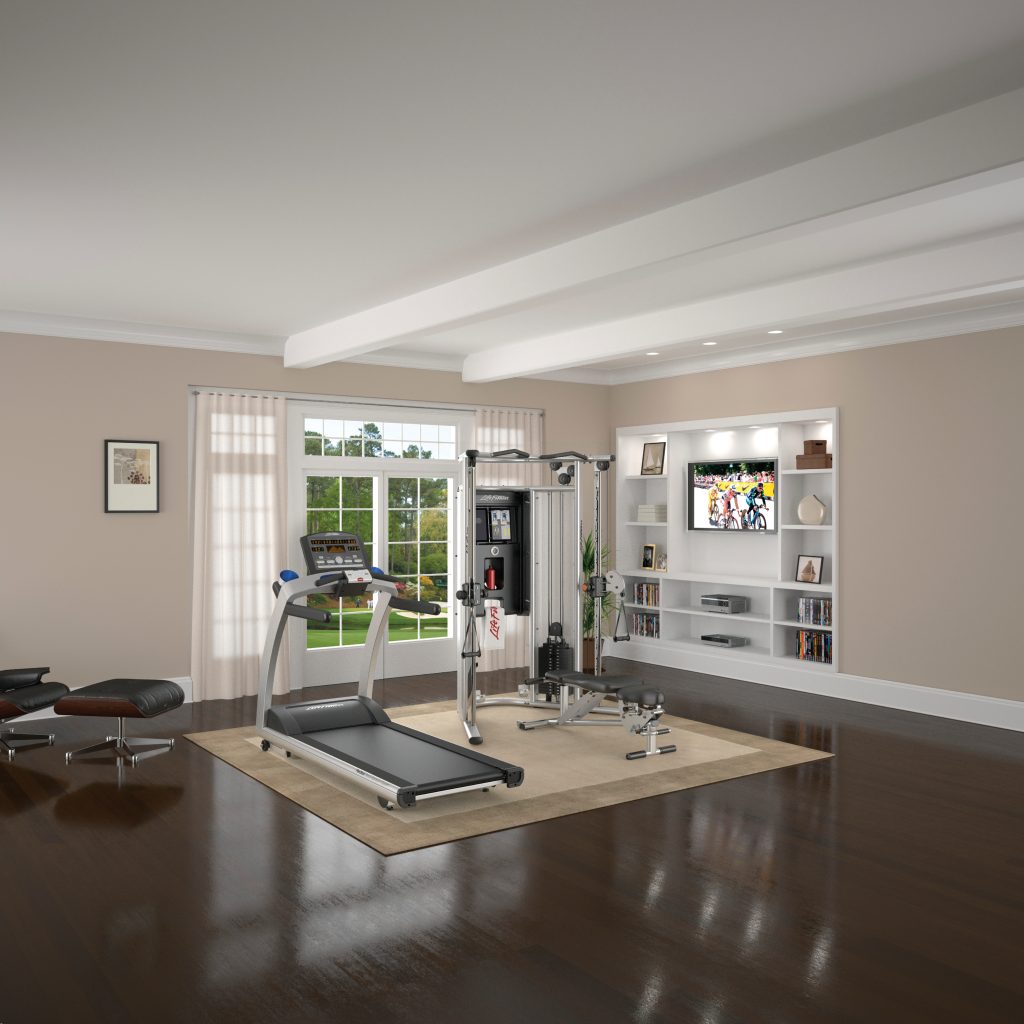
Even if you’re already a member of a health club, a home gym offers the perfect complement to your training routine. Having fitness equipment in your home is a great way to keep your health top of mind. However, building a home gym can be challenging as well, since numerous things have to be considered in order to create a place you really love to workout at. This is why we have put together the most important facts you have to keep in mind, when planning the home gym of your dreams.
ENVIRONMENTAL CONSIDERATIONS FOR A HOME GYM
ATMOSPHERE
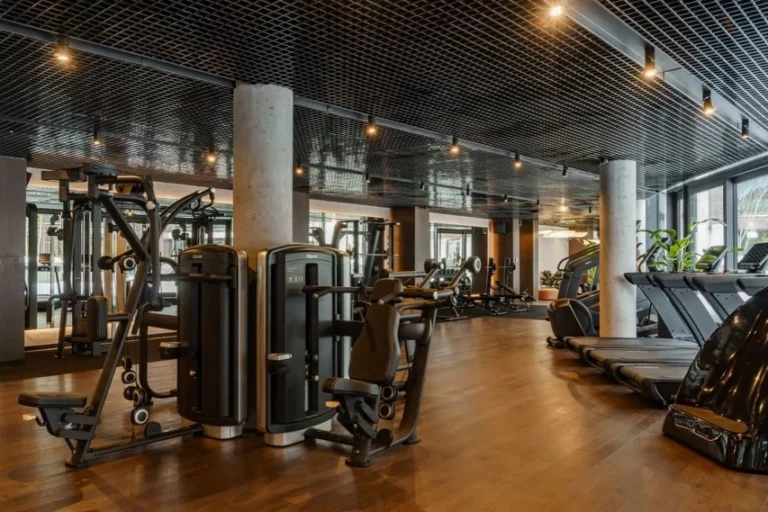
The right atmosphere can keep you motivated and inspired. No matter where you place your equipment, try to create an area that allows you to escape day-to-day distractions. A workout room can provide both a space for exercise and a place to recharge.
LIGHTING
Lighting can completely change the feel of a space. Try harsh or dim lighting to add intensity to a space, or softer lighting for a more relaxed workout area. Add colored lighting for a unique space that gets you in the zone.
MUSIC & ENTERTAINMENT
Music is a great motivational tool. You can always use headphones but since you are in your home you have plenty of options for sound bars and speakers. The TV that you already have can serve as a great distraction during long cardio workouts.
COLOUR
Whether it’s the logo of a favorite sports team, a splash of color, or motivating photography, adding elements that inspire you help progress your training and create an environment that you truly want to be in. Be creative!
MIRRORS
Mirrors are a great option for amplifying light in your gym and making it feel larger. They also help you keep an eye on your form.
FLOORING
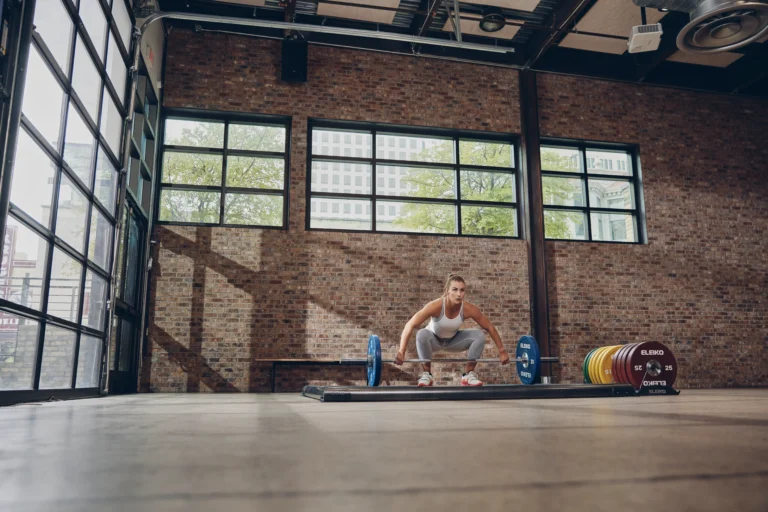
An important, and often overlooked, consideration that depends upon your training style. If you primarily use cardio machines, an equipment mat to protect your floors and a yoga mat for stretching may be all you need. If you are placing dumbbells and weights on the floor, consider a more robust option for added protection and noise reduction.
ELECTRICITY
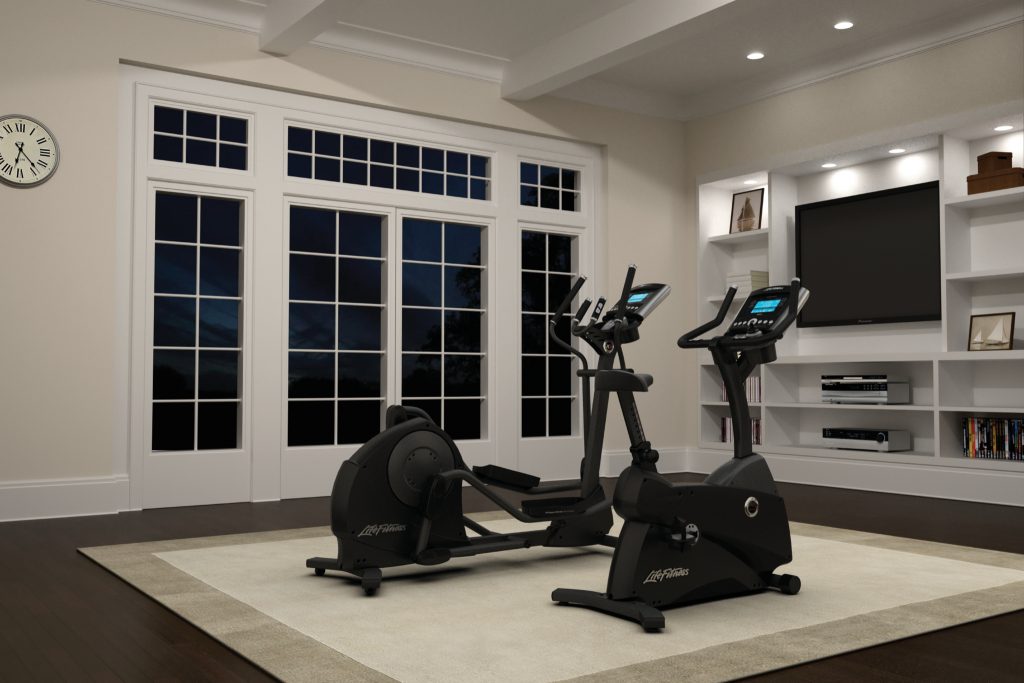
Before you plan out your home gym, consider where the outlets are in the room. This helps you pick the best locations for equipment that requires power, like treadmills and ellipticals.
WHICH EQUIPMENT SHOULD I INCLUDE IN MY HOME GYM?
CARDIO EQUIPMENT
Cardio equipment is a staple of most fitness routines. Even if you enjoy outdoor activities like cycling or running, cardio equipment is a great alternative when the weather isn’t cooperating. It also provides specific workouts and data tracking to help keep you on track. There are several major types of cardio equipment, including treadmills, upright and recumbent bikes, spin bikes, cross trainers, and rowing machines.
SIZE
One of the biggest determining factors in selecting equipment is the footprint. Treadmills often take up the largest amount of space, followed by cross-trainers. Indoor cycles and rowing machines tend to have smaller footprints.
MOBILITY AND STORAGE
Another important factor is the ability to move and store fitness equipment. Some treadmills can be folded up when not in use, significantly decreasing the need for dedicated space. Rowing machines are easy to move and can be stored upright in a corner or even a tall closet. These features are great to have if you are limited on space.
ENTERTAINMENT
Some cardio pieces offer limited entertainment options, while others are the equivalent of a smart TV with workout programming, apps, workout tracking and more. Choose the specific workout entertainment experience that fits your workout routine.
COMFORT AND CONVENIENCE
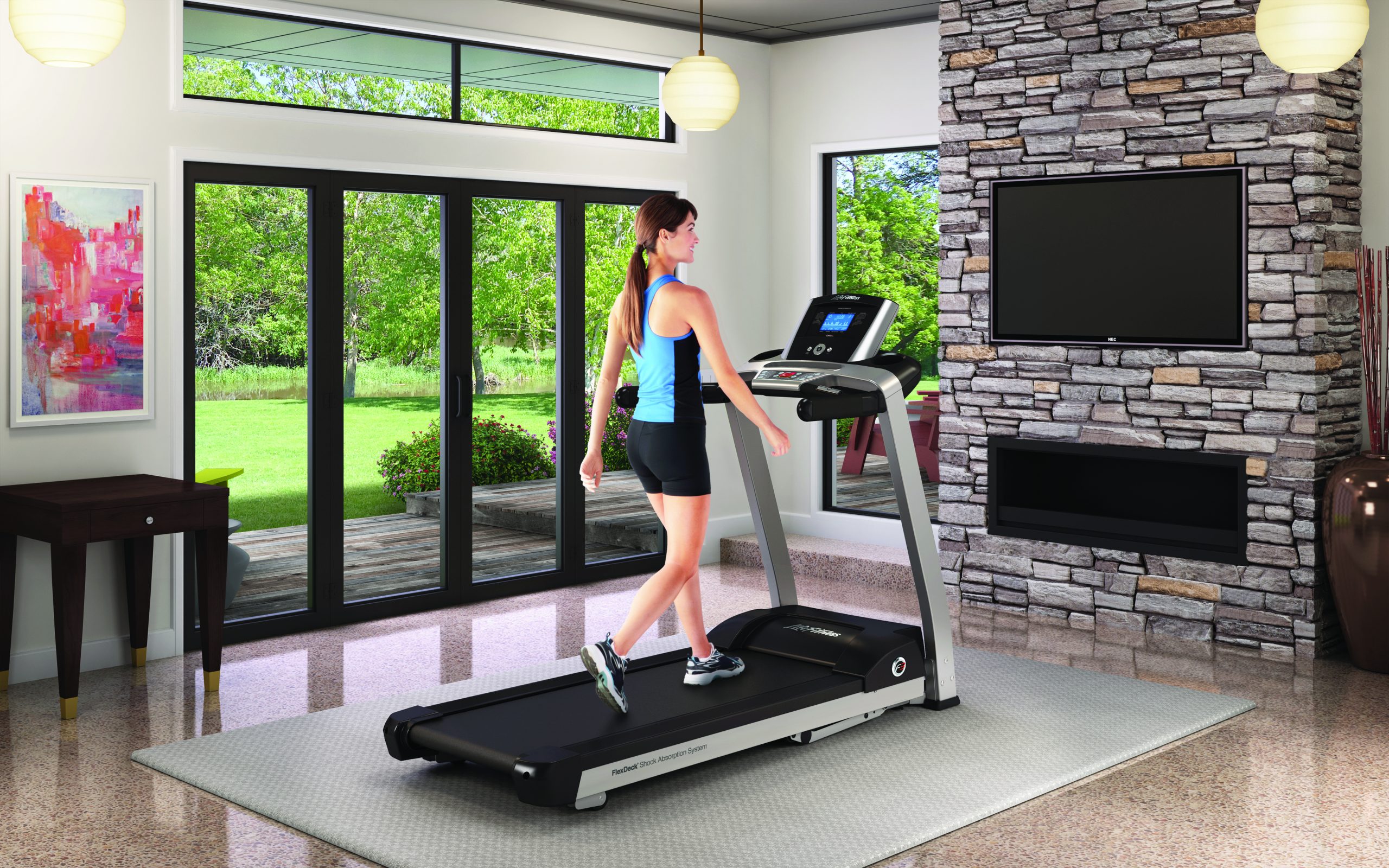
Many products have additional features outside of what’s offered in the console or workout programming. Quality treadmills offer features like shock absorption to reduce impact on the joints. Automatic stop, side platforms to step on and off, hand rails, and noise reduction features are all important if multiple users will be exercising on the equipment.
STRENGTH TRAINING EQUIPMENT
There are several types of equipment available for strength training in a home gym environment, each offering their own benefits. Your fitness goals, preferred method of training, and available space will determine which options are best for you.
CABLE MOTION
CMDAP: Cable motion dual adjustable pulleys are a great option that combine some excellent features of both home gym systems and free weights. CMDAPs utilize two cable pulleys tethered to a weight stack, which means that resistance is easily selectable and is built into the product. The cables allow you to define your own motion paths, so you can perform a wide array of exercises for a total body workout. CMDAPs tend to have a larger footprint than most offerings and require more ceiling height. A CMDAP also requires plenty of open space around the equipment to perform exercises.
FIXED MOTION
Home Gym Systems: Home gyms provide significant exercise variety and are designed to save space. Resistance is built into the machine. Home gyms provide an experience like selectorized machines used in health clubs with fixed paths of motion that are meant to isolate specific muscle groups.
Smith Machines: Provide versatility and allow you to perform many of the exercises that can be done on a rack, but in a design that is ideal if you’re working out alone. Smith machines have a bar incorporated into the equipment, but weight plates are necessary for resistance and a bench is also crucial for expanding exercise options.
FREE WEIGHTS
Dumbbells: Free weights provide complete control of your motion pattern. Having a set or two of dumbbells is a recommendation for any home gym since they are small and relatively easy to store.
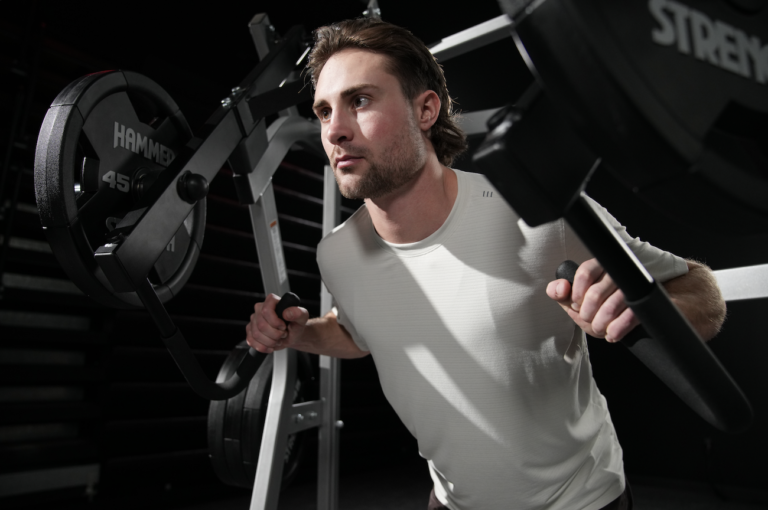
Racks: Incredibly versatile and offer you the ability to utilize major compound lifts for strength and functional training. Racks are great for those that want to train with free weights, but consider the additional purchase of a bar and weight plates needed for this option. A bench is also another component if you are building your home gym around a rack. Racks are also configurable and provide the ability to add on a multitude of accessories for additional exercises and training techniques, like Functional Training or bodyweight exercises.
Source: https://www.lifefitness.com/en-eu/customer-support/education-hub/blog/how-to-build-the-perfect-home-gym