The Rise of Strength Training Among Millennials and Gen Z
What Gym Operators Need to Know
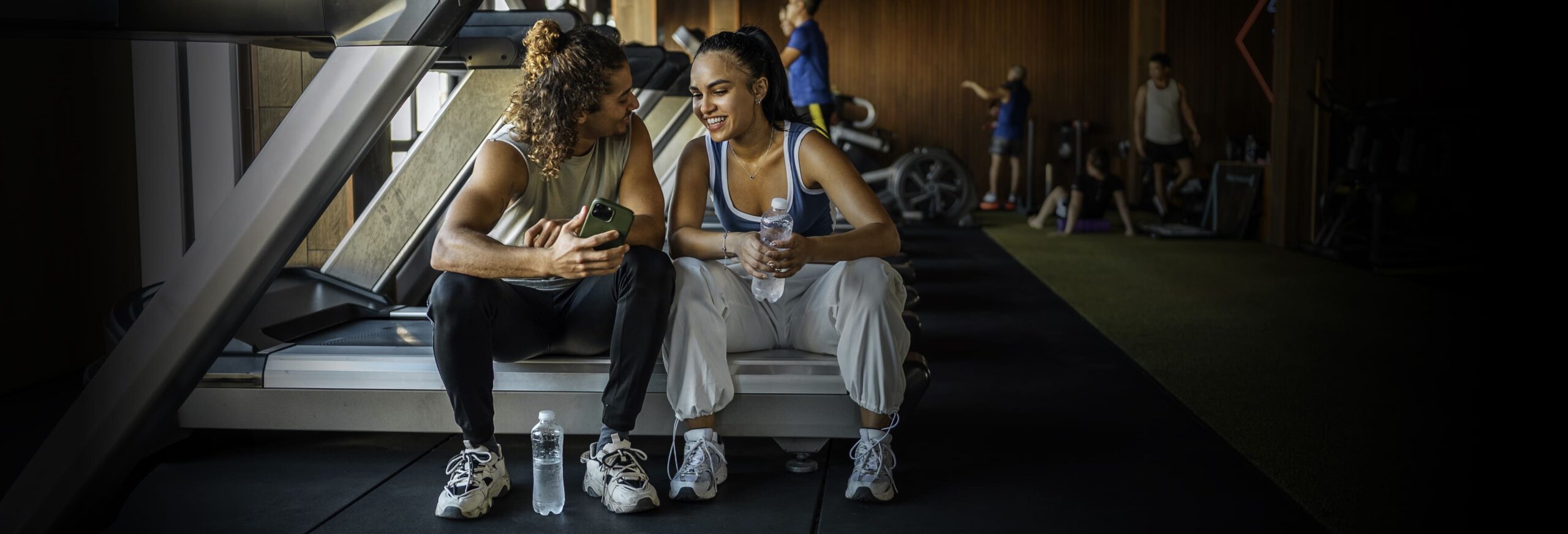
Over the past decade, the fitness industry has witnessed a significant generational shift—one that’s reshaping how gyms operate, what equipment they prioritize, and how they design their spaces. The surge in popularity of strength training among Millennials and Gen Z isn’t just a passing trend; it’s a fundamental change in fitness culture. For facility managers and gym operators, understanding this shift is critical to staying competitive and relevant in a crowded market.
Why Are Millennials and Gen Z Embracing Strength Training?
1. Health Redefined
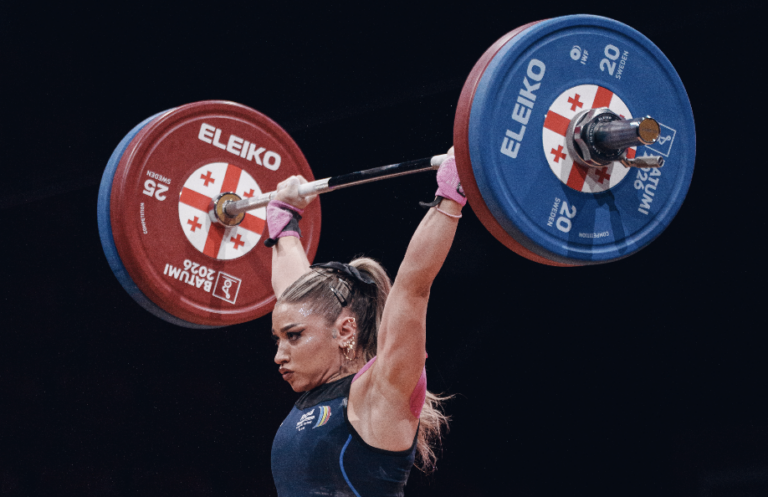
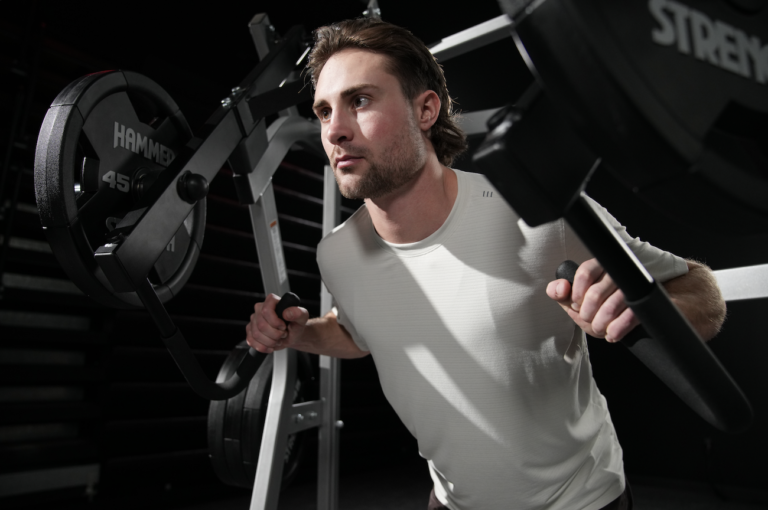
Younger generations have redefined what it means to be “fit.” Unlike older generations who may have focused on cardio or weight loss as the primary goal, Millennials and Gen Z view fitness as a cornerstone of mental health, longevity, and functionality. Strength training—be it Olympic lifting, powerlifting, or functional fitness—aligns with those values. It builds resilience, improves posture, supports injury prevention, and offers visible progress that appeals to a goal-oriented mindset.
2. Influence of Social Media and Fitness Influencers
Platforms like Instagram, TikTok, and YouTube have amplified strength training as both a personal and social achievement. Influencers who document their fitness journey, personal records, and strength gains have normalized and glamorized the gym as a lifestyle hub, not just a place to burn calories. The barbell has become a symbol of fitness prowess.
3. Shift in Gender Norms
Another factor: the breakdown of gender stereotypes around strength. Strength training is no longer seen as the exclusive domain of men. Women, especially younger women, are engaging in powerlifting, and resistance training in record numbers. According to an analysis by Powerlifting in Data, participation of women in International Powerlifting Federation (IPF)-affiliated competitions has significantly increased over the past decade. In 2010, women comprised 18.4% of first-time competitors, which rose to 30.9% by 2023. Notably, women aged 21–25 experienced an average annual growth rate of 13.3% over the last ten years, surpassing the 7.2% growth rate for men in the same age group. Women aged 26–30 also saw a substantial growth rate of 10.5% .
The messaging has evolved from “get skinny” to “get strong,” and that’s resonating deeply.

4. Practicality and Personalization
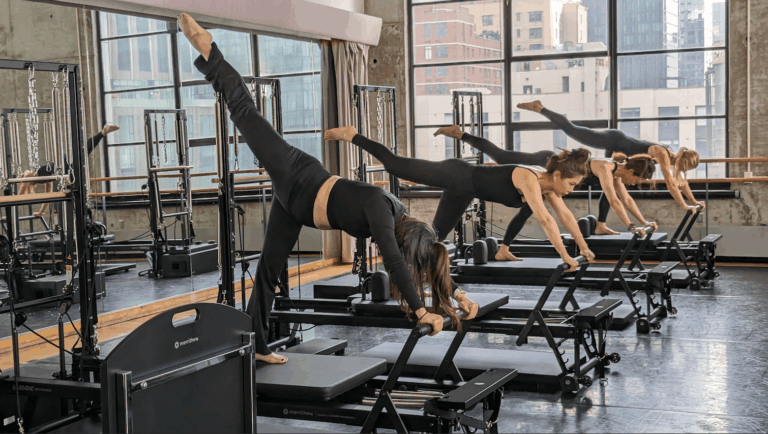
Strength training offers both flexibility and personalization. Gen Z and Millennials value autonomy and want to curate their fitness experiences. Free weights, squat racks, kettlebells, and modular rigs allow them to train in a way that fits their individual goals and energy levels.
Why Gym Operators Should Care
If your facility hasn’t yet responded to this generational wave, you risk becoming irrelevant to the very people who are shaping the future of fitness.
1. Millennials and Gen Z Are the Core Growth Demographic
Millennials now make up the largest portion of the adult population. Gen Z is right behind them, and they’re entering the workforce and gaining spending power. According to the Les Mills Global Consumer Fitness Survey, Millennials and Gen Z—collectively referred to as “Generation Active”—now comprise 80% of all gymgoers. This demographic also accounts for 89% of users engaging in online or app-based workouts, indicating a strong preference for digital fitness solutions. Together, these cohorts represent the most gym-engaged, fitness-savvy consumer base the industry has ever seen. They aren’t just looking for a gym—they’re choosing where to invest their time, money, and community allegiance.
2. Retention Depends on Relevance
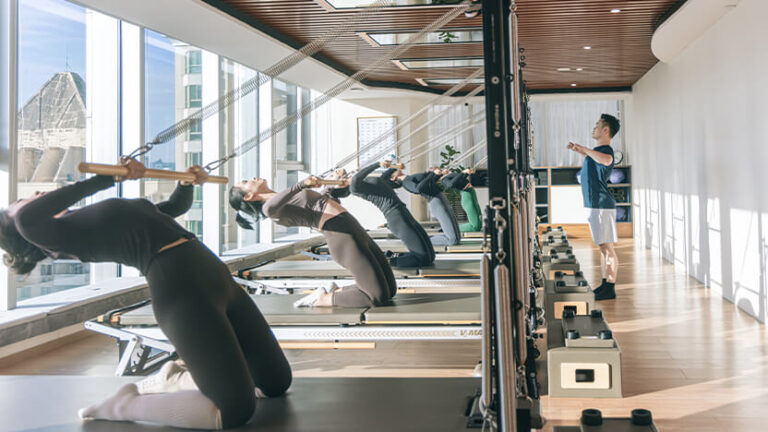
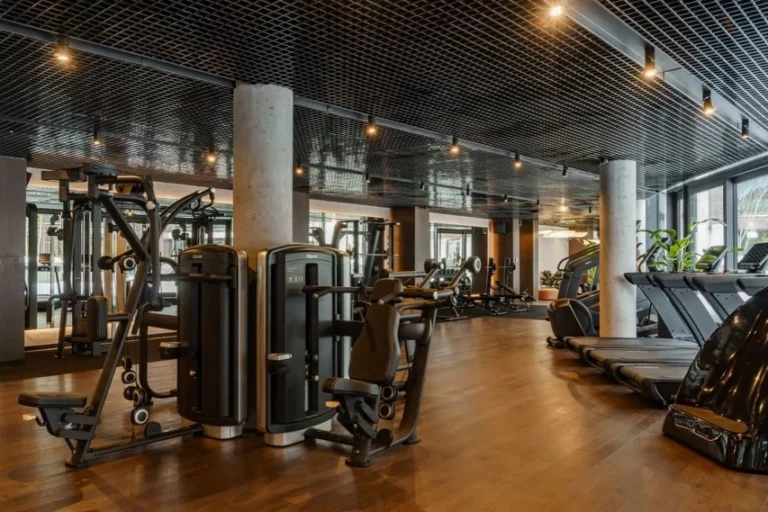
The younger generations are digitally native and deeply brand conscious. They’re not afraid to cancel a membership if the environment, the equipment, or the community doesn’t align with their goals or values. They crave functionality, aesthetics, and experience. Younger, modern gym-goers, especially Gen Z, value well-designed spaces that cater to various training styles. The days of dark, cramped, machine-packed rooms are giving way to airy, well-zoned facilities that accommodate a range of training styles.
3. Strength is Social
Strength training naturally fosters community—PRs are cheered on, lifting form is shared and critiqued, and camaraderie is built in the weight room. That sense of tribe and mutual growth is a retention multiplier. Savvy gyms lean into that by creating programming, platforms, and physical spaces that support and showcase strength culture.
What Facility Managers Should Consider
1. Rethink Floor Planning
While cardio will always have a role, today’s top-performing gyms also have space for strength. Consider reallocating underused areas to accommodate:
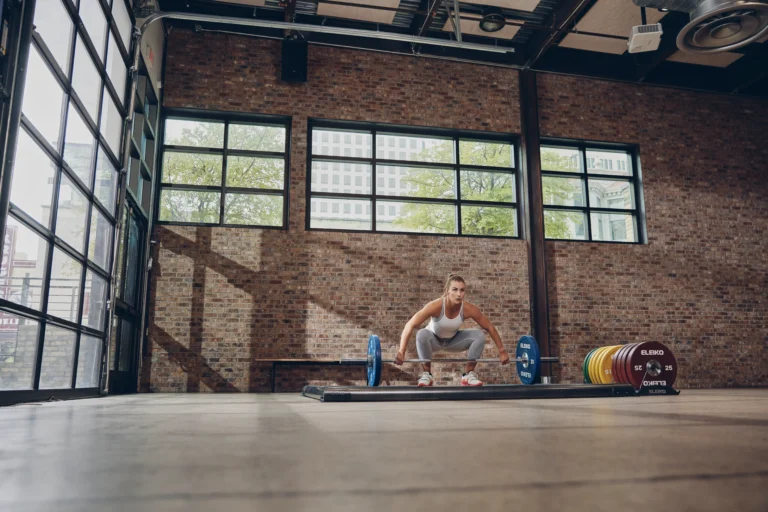
- Multiple squat racks and lifting platforms
- Dumbbell zones with more than just the basic 5–50 lb set
- Deadlift stations with noise-dampening flooring
- Functional training rigs and turf areas for sleds, kettlebells, and mobility work
2. Invest in the Right Equipment
Gone are the days when a single universal machine setup was enough. Younger members expect premium bars, bumper plates, kettlebells, resistance bands, adjustable benches, plyo boxes, and more. Quality matters—rusty gear and worn-out pads are red flags.
3. Design for Culture, Not Just Capacity
Create zones that encourage interaction and community. Open floor plans, social workout spaces, and aesthetic lighting all contribute to the sense that strength training isn’t just an activity—it’s a lifestyle. Think gym meets lounge meets content studio.
4. Offer Strength-Focused Programming
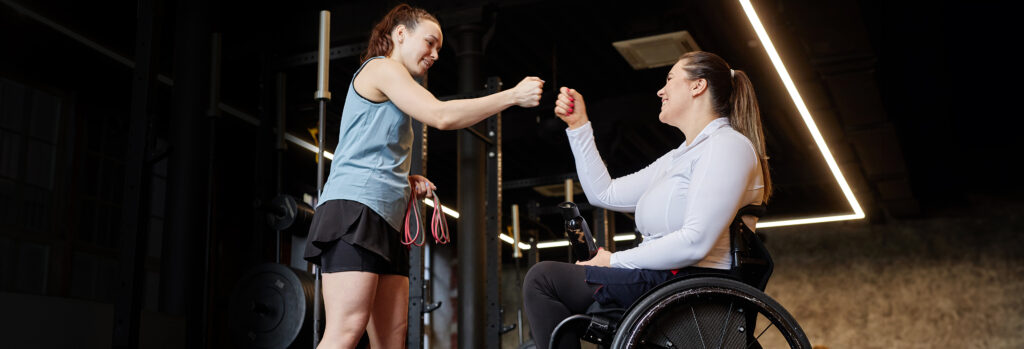
Build out your schedule with structured barbell clubs, small group strength classes, powerlifting fundamentals, and even strength assessments. These offerings provide on-ramps for new members and give veterans ways to level up.
5. Hire (and Train) Staff Who Understand Strength
Your trainers and floor staff should be fluent in movement patterns, progressive overload, and strength program design. Younger members often come in with a baseline knowledge—and high expectations. A staff that can guide, correct, and celebrate their lifting journey adds real value.
6. Build a Digital Layer
Millennials and Gen Z want to log their lifts, share progress, and tap into community digitally. Offering app-based workout tracking, leaderboards, or in-gym social features can deepen engagement and build loyalty.
The Opportunity Ahead
Strength training isn’t a fleeting trend—it’s the beating heart of modern fitness. The generational shift isn’t just about preference; it’s about a new philosophy of health, performance, and community. For facility managers willing to adapt, the opportunity is massive. By responding to these evolving needs—through equipment, layout, programming, and culture—you can future-proof your space, deepen member loyalty, and turn your gym into a destination for the next generation of strength seekers.
Article by Laura Cohen
Source: https://www.lifefitness.com/en-us/customer-support/education-hub/blog/younger-generations-shaping-strength-training