Top 5 Gen Z Fitness Industry Trends: What Gym Owners Need to Know

Intro

The gym is changing. 

Gen Z and Millennials together now account for 65% of all gym members, with Gen Z growing the fastest (smarthealthclub). They are also speaking with their wallets: Gen Z spends nearly three times more on fitness than Baby Boomers (businessinsider).

Gen Z (born 19972012) is quickly becoming the dominant force in the fitness market. Recent studies show that 73% of Gen Z are using a fitness facility, compared to just 54% of Gen X and 42% of Boomers (Les Mills).

86.8% of gym owners are projecting rising numbers in 2025(Les Mills).

As the most influential demographic in the fitness industry, gym owners and operators should take note to understand and adapt to their unique preferences, behaviors, and expectations. 

Unlike previous generations, Gen Z approaches fitness as a holistic lifestyle choice, fundamentally changing how gym owners operate, design facilities, and structure business models.

This guide examines the top Gen Z fitness trends for 2025, also providing insight into the Gen Z mindset for gym owners. Backed by current research and actionable insights, we hope to help your facility thrive in a rapidly evolving marketplace.


Inside the Gen Z Mindset

Holistic Wellness Over Aesthetic Goals

Gen Z views fitness as an essential part of daily life rather than a temporary goal.  

Their wellnessoriented approach goes beyond conventional exercise to include recovery, nutrition, and mental health support.  

Gen Z recognizes the connection between physical activity and mental wellness, viewing exercise as a vital tool for managing stress, anxiety, and depression. 


Technology—Native Expectations

Growing up with smartphones and instant connectivity, Gen Z expects seamless digital integration in all aspect of their lives.

This digital—first mindset drives demand for app—based booking systems, wearable device integration, and social media presence within gym environments.

More than 50% of Gen Z gym members prefer facilities that offer comprehensive mobile apps for class scheduling, progress tracking, and online coaching (smarthealthclubs).  Meeting these expectations is becoming essential for engaging and retaining members.


Community—Centered Fitness Culture

Contrary to stereotypes about screen—obsessed youth, Gen Z also craves authentic in—person connections. 

The gym has emerged as their new social hub, with 37% viewing working out as a way to socialize and 42% forming new friendships through fitness activities (The Gym Group).

This social aspect of fitness is becoming increasingly important as traditional “third places” decline. 

For many Gen Z, gyms have evolved into important gathering spaces where people from diverse backgrounds can connect over their shared passion for fitness.


Key Gen Z Fitness Trends What This Means for Gyms

1. Flexible Hybrid Fitness

Gen Z prioritizes flexibility and convenience for their workout routines.

An overwhelming 72% of regular Gen Z exercisers adopt a hybrid approach, combining in—gym workouts with at—home sessions (Les Mills). 

Gyms that successfully implement hybrid models see impressive results: hybrid members complete 67% more workouts than those who only go to the gym and are 40% more likely to maintain their memberships for three or more years (Les Mills).

Action Steps 

  • Offer seamless integration between live classes, on—demand digital workouts, and app—based training.
  • Invest in platforms that enable members to track their progress, book classes, and access virtual coaching at any time, from anywhere.


2. The Digital Native

Gen Z aren’t just looking to connect to free WiFi. 

As the first generation to grow up fully immersed in technology, they expect digital integration at every touchpoint of their fitness journey.

Over 65% of Gen Z usew wellness apps and fitness trackers to monitor their health (NextWaveGenZ) with 44% of regular exercisers already using paid fitness apps, showing a willingness to invest in tech-driven fitness experiences (Personal Trainer Today).

Furthermore, they expect their gyms to offer comprehensive digital ecosystems that enhance their fitness experience through data tracking, social connectivity, and personalized programming.

Action Steps

  • Integrate popular wearables (Apple Watch, Whoop, Garmin) and fitness apps with your gym’s ecosystem.
  • Provide comprehensive mobile apps that offer personalized workout plans, progress tracking, and AI—driven feedback.
  • Implement contactless payment systems and check—in procedures.


3. Group Fitness Dominance

Social fitness experiences are a major driver of retention and engagement.

Group fitness has become the cornerstone of Gen Z’s gym experience, with 81% of Gen Z gym-goers taking part in group workouts (healthclubmanagement). This strong preference is driven by their desire for community, motivation, and professional guidance.

Popular Class Types include:

  • Strength training classes 
  • HIIT and functional fitness programs
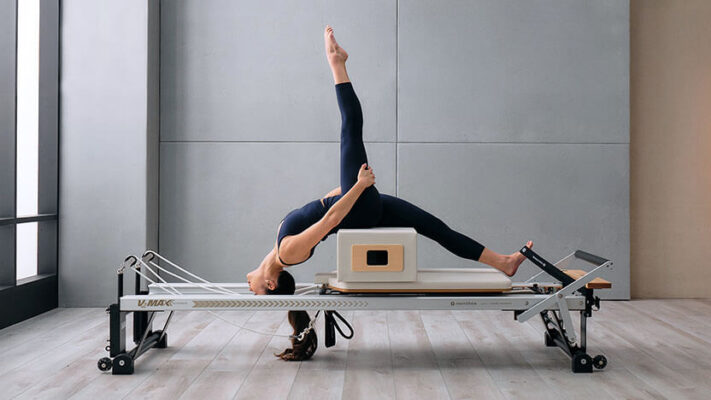
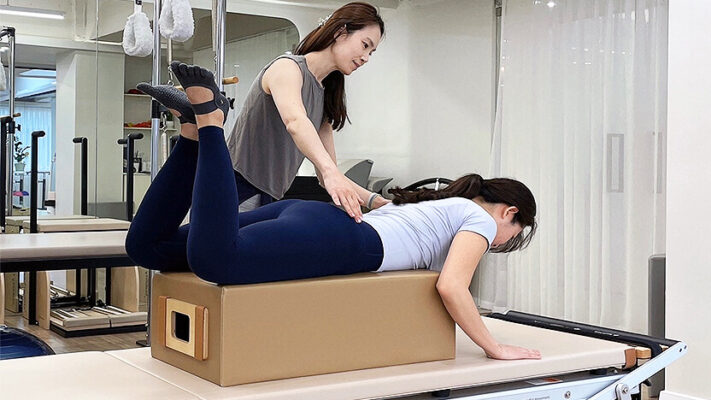
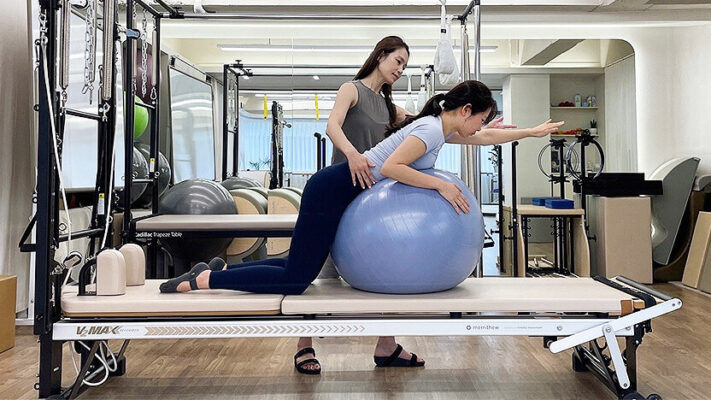
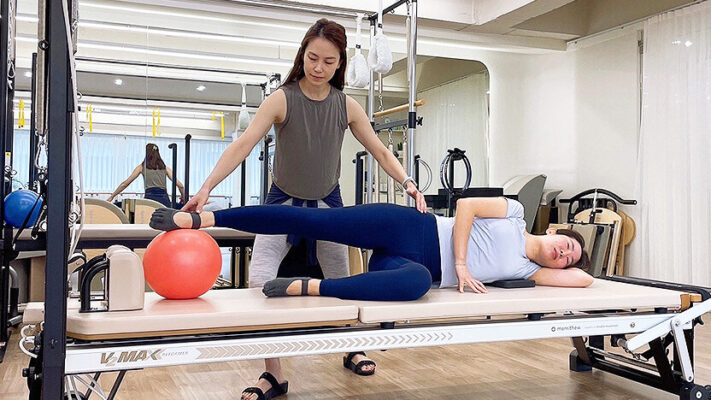
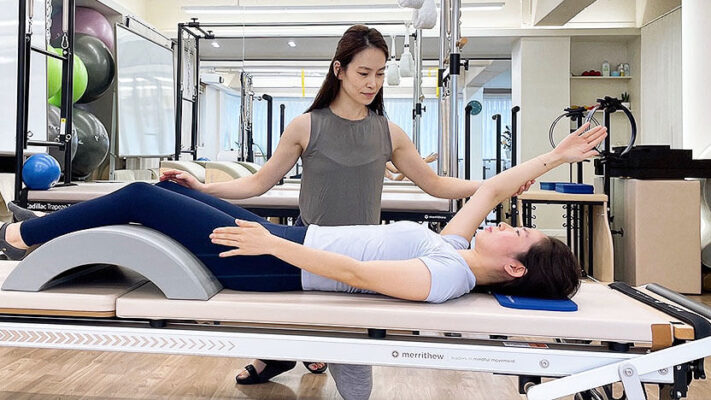
  • Pilates and reformer classes 
  • Recovery and mindfulness sessions

Group fitness has a significant positive financial impact on gyms. Participants in group fitness classes generally spend 23% more on their memberships and are 2.5 times more likely to buy additional services (healthclubmanagement)

This trend presents a valuable revenue opportunity for gym owners who are willing to invest in comprehensive group fitness programs.


4. Strength & Functional Training

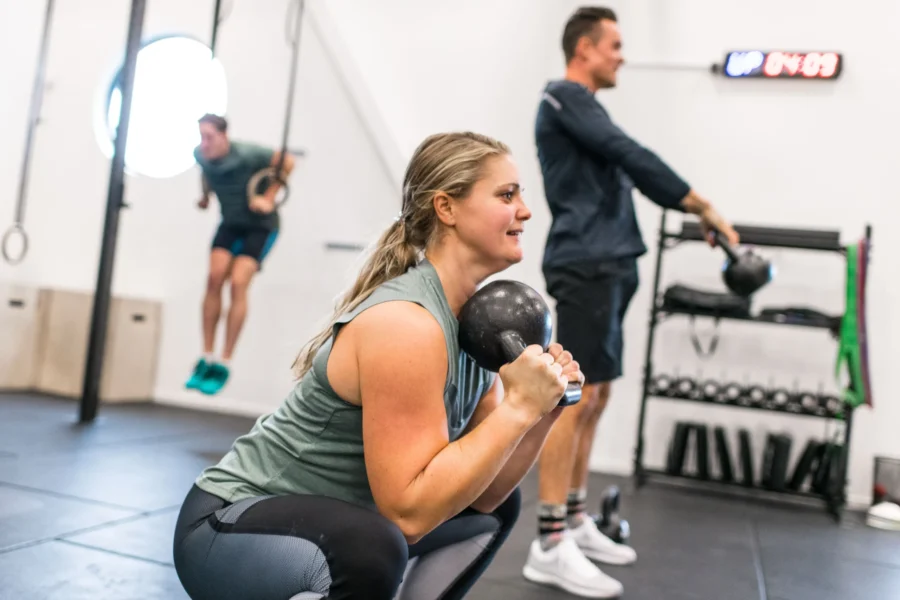
Gen Z is leading a resurgence in strength and functional training. Strength training has now become the most popular group workout among Gen Z, rising from 10th place in 2021, with 50% of group exercisers participating(Les Mills)

Gen Z women are particularly driving the shift toward strength training, moving away from traditional cardio. This generation is inspired by fitness influencers who promote functional strength and muscle building, rejecting the “skinny” ideal that characterized previous generations.

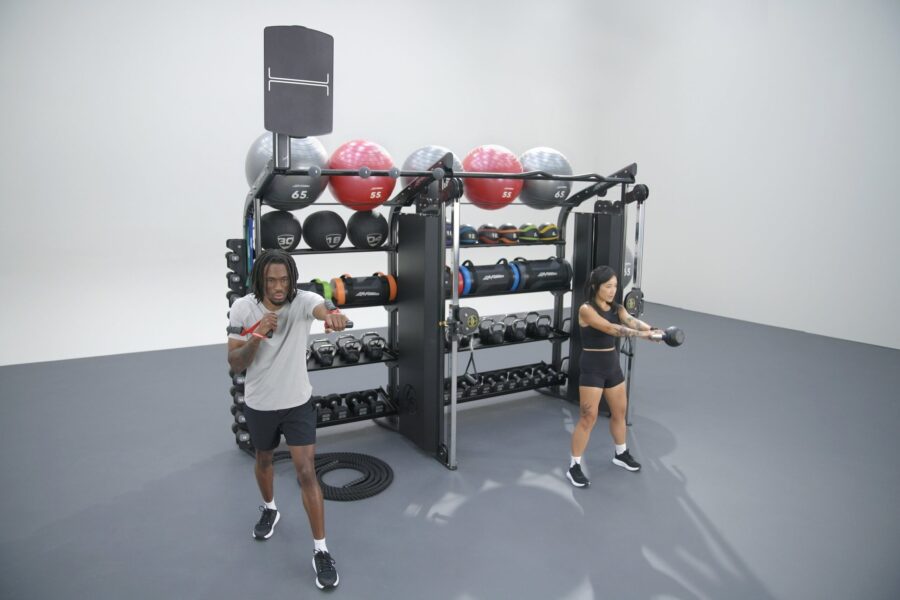
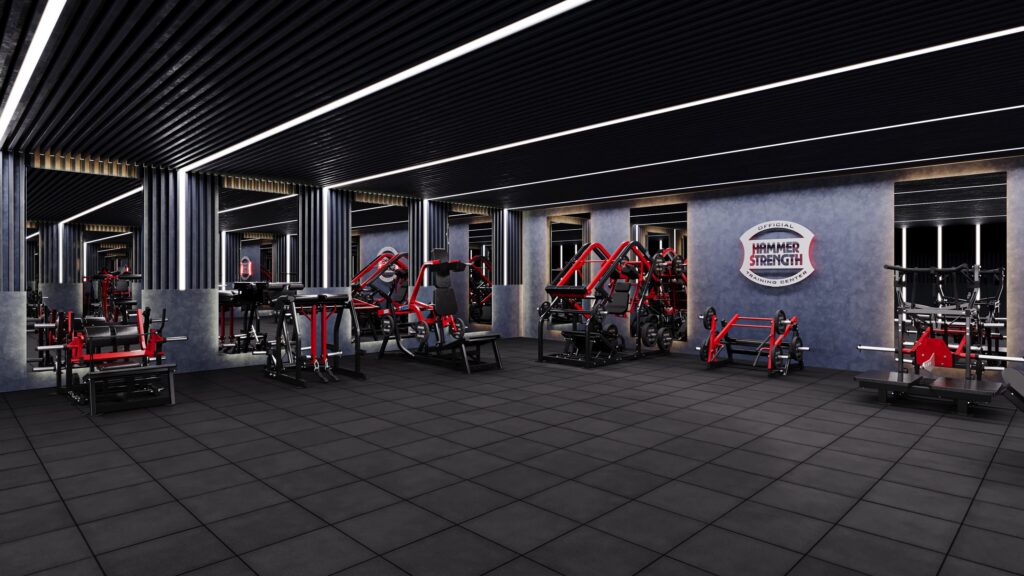
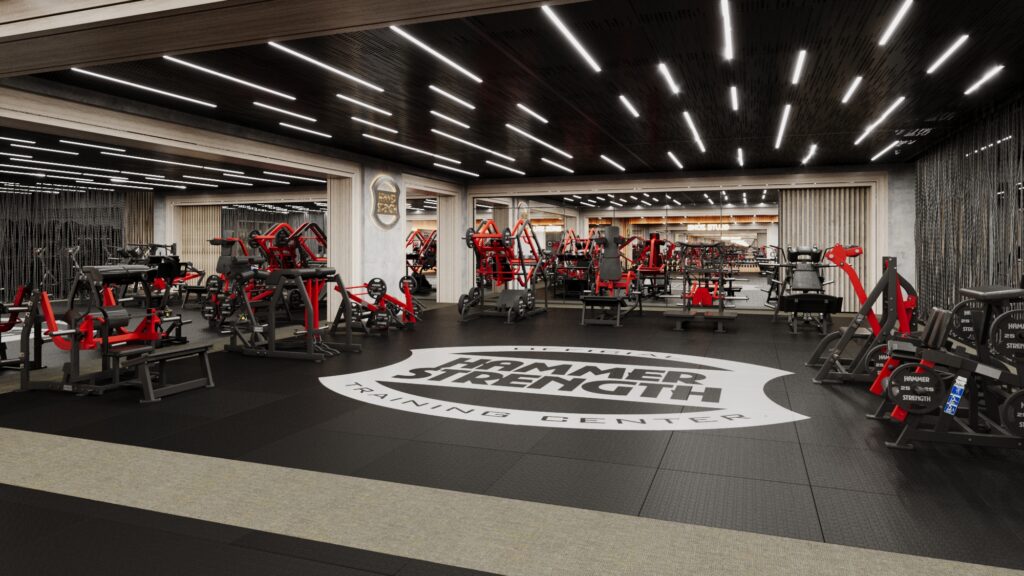
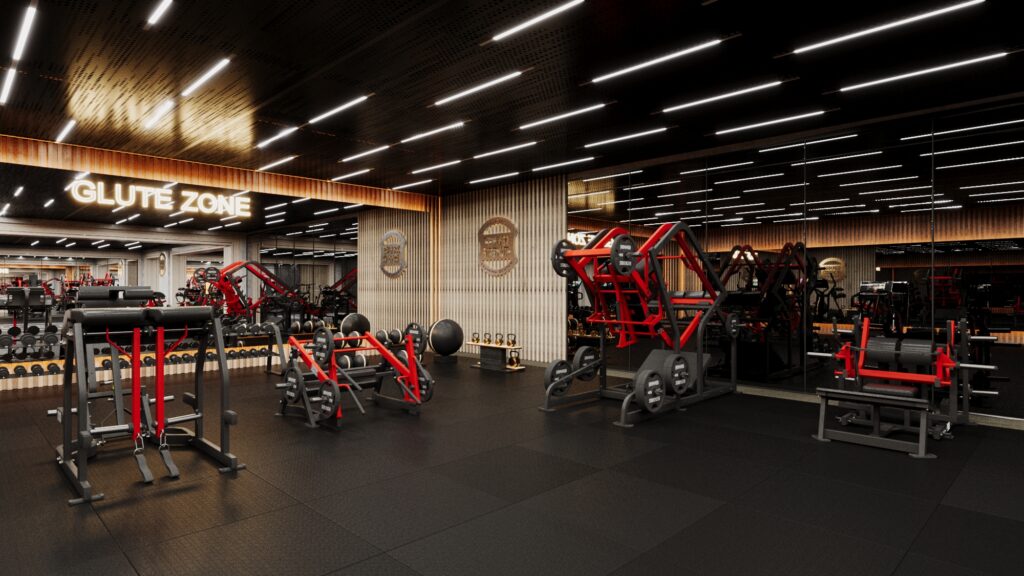
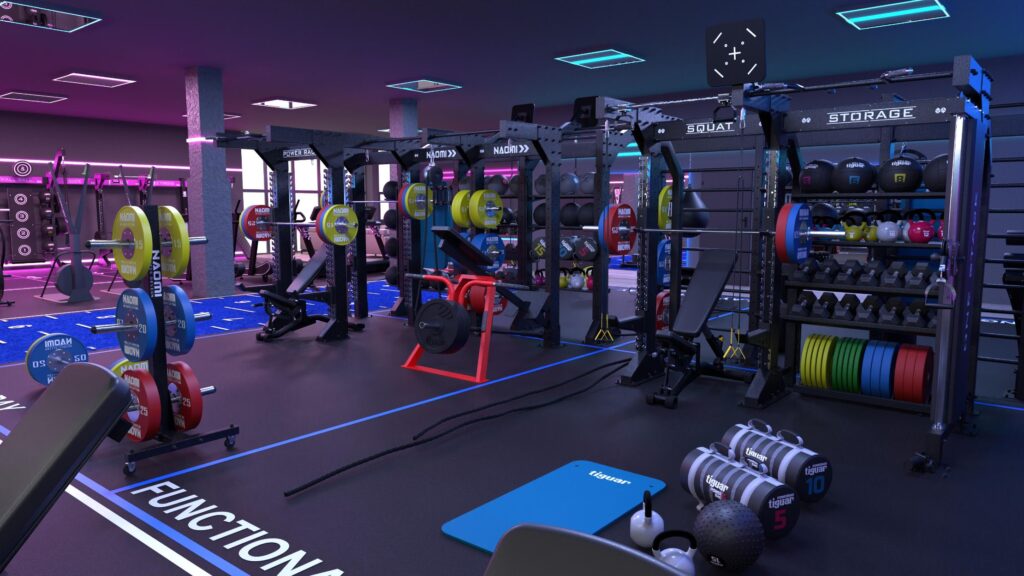
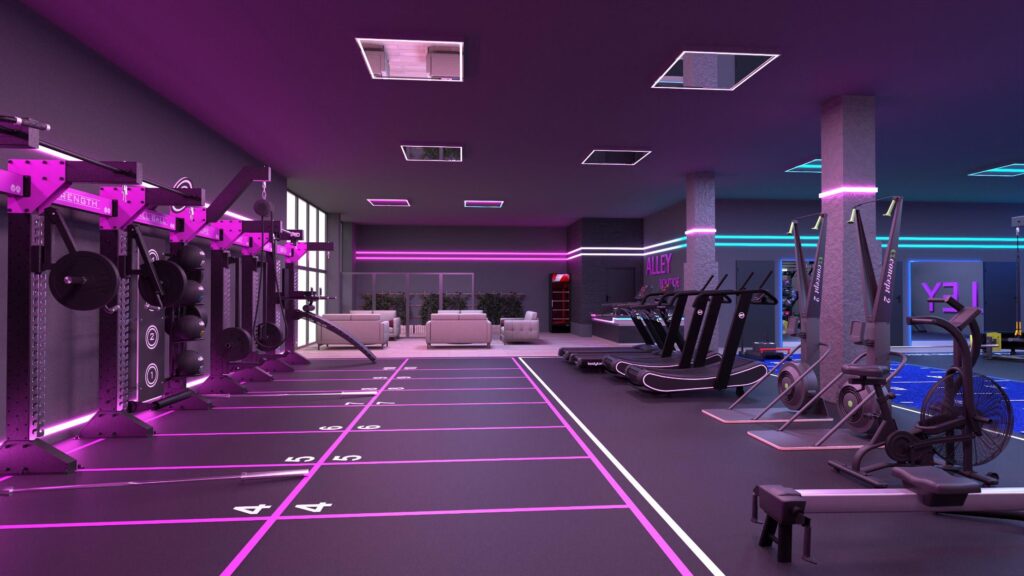
To accommodate this shift, gyms need to make significant changes. This includes allocating more floor space for strength training equipment, designing separate areas for different training styles, and investing in modern, Instagram-worthy equipment that photographs well.

Additionally, gyms should offer strength training education programs to help overcome the intimidation that some members feel when using this equipment.

Action Steps

  • Expand the offerings of strength and functional training, including group formats.
  • Foster a sense of community through group classes, fitness challenges, and social events.
  • Create inclusive and supportive environments that appeal to Gen Z’s desire for connection.


5. Holistic Wellness: Mental Health & Recovery

Gen Z views fitness through a holistic lens, placing equal importance on mental and emotional well—being alongside physical health. According to Strava, 65% of Gen Z users consider health and fitness to be a top priority for 2025 (today.com)

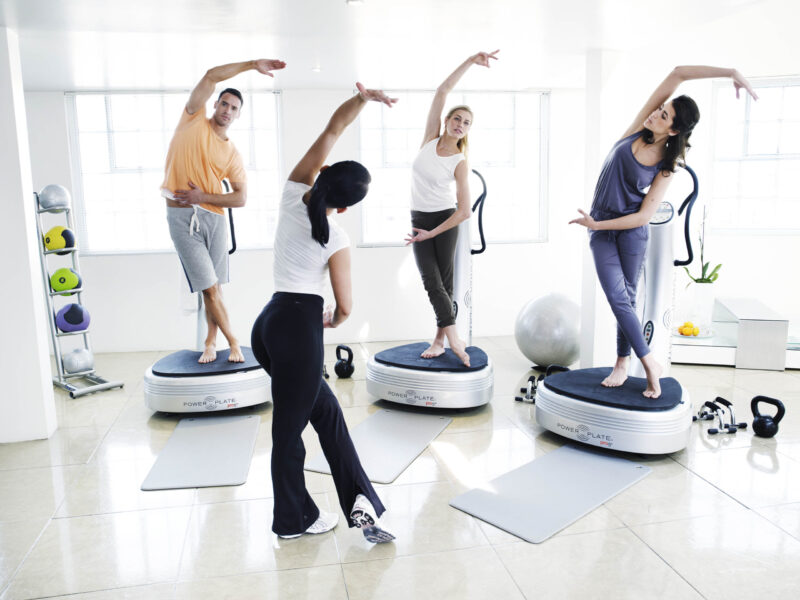
There is a growing demand for classes that focus on stretching, mobility, yoga, and mindfulness. Currently, 35% of Gen Z participates in stretch and mobility classes, while 33% engage in yoga. (Les Mills).

Moreover, Gen Z emphasizes recovery as much as active exercise to achieve optimal performance and overall well—being, leading to an unprecedented demand for specialized wellness services.

In—Demand Recovery Services:

  • Red light therapy and cryotherapy treatments
  • Massage therapy and professional stretch sessions
  • Meditation and mindfulness rooms
  • Nutrition counseling and supplement guidance
  • Sleep optimization programs

For example, the “fire and ice” therapy trend, which combines cryotherapy with red light therapy, highlights Gen Z’s interest in innovative recovery methods. (Global Wellness Institute)

Action Steps

  • Provide a diverse range of wellness services such as yoga, meditation, and recovery classes.
  • Design programming that addresses mental health and stress management.
  • Market your facility as a hub for holistic well—being, extending beyond just physical fitness.

Final Recommendations

1. Evaluate existing technology to identify and address gaps in mobile app functionality and wearable integrations.

2. Develop comprehensive hybrid offerings that create seamless integration between in—person and digital fitness offerings.

3. Revamp group fitness programming to emphasize strength training and community—building elements.

4. Implement more flexible membership models to find ways to reduce commitment barriers to attracting new members.

5. Invest in social media presence to build authentic community engagement across digital platforms.

6. Offer recovery services to meet growing demand for holistic wellness offerings.

7. Align sustainability practices and operations with Gen Z environmental and social values.

8. Create community-focused spaces by designing facilities that facilitate both fitness activities and social connections


Conclusion: Future—Proofing Your Gym for Gen Z

The fitness industry is undergoing a generational shift that brings both significant challenges and unique opportunities.  

Gym owners who quickly and authentically adapt to the preferences of Generation Z will not only survive but also thrive in the evolving fitness landscape of 2025 and beyond. 

The future of the fitness industry belongs to those who recognize that Gen Z seeks more than just traditional workout spaces. Gen Z desire community, experiences, and lifestyle support that enhance their overall well—being. By embracing these trends and making strategic changes, gym owners can position themselves for long—term success.

Stay ahead by investing in elevating your fitness experience. Ready to take your gym to the next level?

Get in touch with F1 Recreation! 


Source: https://www.intenzafitness.com/fitness-industry/top-5-gen-z-fitness-industry-trends-what-gym-owners-need-to-know-2025/

Share

Reform your space: Match your Pilates Studio Style with Merrithew® Reformers

In the fiercely competitive wellness industry, your Pilates studio’s success hinges on its ability to authentically reflect its brand identity and stand out from the rest. Amidst a sea of options, clients are often drawn to Pilates studios that offer an immersive and engaging fitness experience.

This is where the art of studio design, particularly the strategic selection of equipment colors, comes into play. Colors have psychological effects that can influence mood, feelings and behaviours. By paying attention to the finer details of studio design, such as carefully choosing the right colors for your Reformers, you can transform your studio into a space where clients are empowered to achieve their wellness goals and keep coming back.


Harnessing the Power of Black

One color that demands your attention is black. Often associated with elegance and modernity, black can be a game-changer when it comes to elevating the ambiance of your space. Here are three reasons why incorporating black accents can enhance your studio:

  1. Timeless elegance: Black is a classic color that never goes out of style. Its timeless appeal exudes a sense of luxury and sophistication, instantly elevating the overall aesthetic of your studio. It also adds a touch of exclusivity that resonates with discerning clients seeking a premium experience.
  2. Versatile and adaptable: One of the greatest advantages of the color black is its versatility. Black provides a canvas upon which you can layer different elements to create a visually captivating space. It provides an excellent backdrop for experimenting with colors and textures.
  3. Enhances focus and concentration: In the serene setting of a Pilates studio, black can have a calming effect that promotes focus and concentration during workouts. By minimizing visual distractions and creating a sense of intimacy, black fosters an environment where clients can fully immerse themselves.

If the color black is your vibe, complement your studio with Merrithew Reformers in Jet Black. Our Pilates Reformers are designed to withstand years of use and accommodate diverse client needs.


Shining Bright: The Allure of Silver

Silver, with its radiant sheen and understated sophistication, lends a touch of glamor and modernity to any room. Here are three reasons why silver is a stellar choice for enhancing the ambiance of your studio:

  1. Reflects light and enhances brightness: Silver possesses reflective properties that allow it to bounce light around the room, creating a luminous and airy atmosphere. By incorporating silver into your studio, you can amplify natural and artificial light sources, making the space feel brighter and more spacious.
  2. Evokes a sense of serenity and tranquility: Silver is often associated with qualities such as purity, clarity and tranquility. It helps create a calming and harmonious environment conducive to relaxation, focus and mindfulness. Clients will appreciate the peaceful ambiance that silver brings to their Pilates practice.
  3. Adds a touch of glamour and luxury: Synonymous with opulence, silver instantly elevates any room, giving it a sense of glamour and refinement. Clients will be drawn to the upscale ambiance and premium experience that silver evokes, enhancing their overall perception of your studio.

If silver is your mood, then match your studio with our Silver Reformers. We’ve designed every detail of our Pilates Reformer so you can focus on enhancing your clients’ experience.


Color Your Space with Vibrant Vibes

As you design your Pilates studio, don’t shy away from vibrant colors as they can inject joy and create a stimulating atmosphere. Here are three reasons why vibrant colors are an excellent choice for your studio:

  1. Stimulates creativity and motivation: Vibrant colors have the power to stimulate creativity, boost motivation and evoke positive emotions, as bright hues have a unique psychological impact on mood and mindset.
  2. Boosts energy and engagement: In a Pilates studio setting, where clients strive to achieve their fitness goals, vibrant colors can provide an extra burst of energy to help push through challenging workouts.
  3. Creates a sense of fun and playfulness: Pilates is not only about physical fitness but also about enjoying the journey. Vibrant colors inject a sense of playfulness into your space, creating an environment where clients can let loose, explore movement and embrace their inner child.

If you love vibrant colors, customize your Merrithew Reformer upholstery in the color of your choice. Our Pilates Reformer is customizable to suit the design of your studio.


By curating a visually captivating space with careful color selection and thoughtful design, you not only attract new customers but also cultivate enduring relationships with loyal clients, driving sustainable business growth. By harnessing the power of branding and authenticity, you can choose the right colors to enhance the mood, boost motivation and create an inviting atmosphere. So, embrace the power of design, unleash your creativity and transform your Pilates studio into a sanctuary where clients feel inspired, motivated and happy to return for more transformative Pilates experiences.


Source: https://www.merrithew.com/blog/post/2024-05-27/reform-your-space-match-your-pilates-studio-style-with-merrithew-reformers

Share

How To Start Your Fitness Journey

Day one or one day, the choice is yours. A simple yet powerful statement. We have all been here before; wondering how to stay motivated to workout, where to begin and if it will all be worth it in the end. Sometimes the answers are easier said than acted out. So how do you begin a fitness journey? Here are the Torque Fitness tips & tricks for fitness success.


Startup & Show Up

Think of your fitness journey as your very own small business. The only way to be successful in business is to begin with a plan. Taking time to think through your schedule and understand what is attainable is a monumental first step. By creating goals and an action plan, you are more likely to start your journey and continue to show up. A plan can be as simple as selecting specific workout days each week or an in-depth outline for the next month, highlighting all aspects of a schedule from workouts to meal plans and meditation. Everyone begins their fitness journey in a unique way, the most important aspect is to show up and start up!


Stay Strong & Get Stronger

Temptation to deviate from a new routine is constantly circulating. But the more you stick with a new fitness and lifestyle schedule, the more likely you are to gain strength within your fitness journey. Physical strength is derived from mental toughness and the ability to hold onto goals and the path needed to achieve said goals. To get stronger, one must actively pursue a path of strength through accountability and consistency. The more workouts completed on a steady schedule; the more likely strength will show up physically. Torque’s motto ‘Don’t Quit. Ever.’ is a constant reminder to continuously pursue goals – even when it’s difficult!


Equipped With Equipment

Planning and beginning a fitness journey are important action steps of a fitness journey. Another impactful part of the journey involves the products used to achieve goals. By utilizing well-built, durable products, the possibility of injury is decreased. Torque Fitness believes in the force of powerful products. By crafting unique, long-lasting products, Torque encourages all members of the fitness community to grow more and do more. Equipping workouts with well-built equipment is important because the investment increases motivation. By investing in fitness products, you are solidifying the necessity of your commitment to the fitness journey.


Connection & Community

Investing in growth comes in many forms throughout the fitness journey. Another way to stay motivated to workout is through accountability with like-minded individuals. By joining a community of people who are motivated to work out, you will learn more about the tribulations and triumphs within the fitness journey. This community will inspire, assist with growth, and ultimately become a major tool for success. From Facebook groups to buddies at the gym, there are a multitude of ways to discover and connect with fitness individuals throughout the community. Wherever you are in your fitness journey, there is a group ready to get stronger with you.


Starting your fitness journey is not always easy but by taking simple action steps, success and strength are likely. From planning to products, Torque Fitness is here to support your journey at all stages to ensure you Don’t Quit. Ever.


Source: https://www.torquefitness.com/blogs/news/how-to-start-your-fitness-journey

Share

Try TRX’s Home Calisthenics Workout Plan

Ever feel stuck in a workout rut? No gym. No equipment. No problem. Calisthenics, powered by your own body weight, lets you build strength, endurance, and flexibility anywhere. But when you combine it with the TRX Suspension Trainer™? You unlock a whole new level of functional fitness.

TRX adds just the right challenge: instability that forces your muscles to work harder, adapt faster, and move smarter. It takes classic bodyweight moves and turns them into dynamic, full-body exercises that hit strength, balance, and coordination all at once. Let’s dive into how you can build your ultimate home workout with nothing but your body and a TRX.

Core Principles of Calisthenics Training

Calisthenics boils down to five key movement patterns:

  • Push: Think push-ups. Great for chest, shoulders, and triceps.

  • Pull: Pull-ups and TRX Rows build strong backs and biceps.

  • Squat: Air squats and lunges develop lower-body power.

  • Hinge: Bridges and TRX Hamstring Curls strengthen your glutes and hamstrings.

  • Core: Planks and TRX Pikes lock in a rock-solid midsection.

Progress matters. Increase reps, slow your tempo, or shift your body angle to up the difficulty. That’s progressive overload—and it’s key to getting stronger. TRX levels up calisthenics by adding instability. When your body has to stabilize, more muscles fire. The result: smarter strength that translates to real life.

Essential Equipment for Home Workouts

Minimal gear. Maximum results. That’s the beauty of calisthenics. A 6×6 foot space is all you need. A chair, pull-up bar, or even a doorway expands your options. But to truly optimize your setup:

  • TRX Suspension Trainer™: Mount it to a door, ceiling, or tree. Change your angle to scale exercises up or down.

  • TRX YBell Neo™: Combines kettlebell, dumbbell, and push-up stand. Great for variety.

  • TRX Rip Trainer™: Builds core strength and rotational power using a resistance band and bar combo.

These tools pack small but bring a big impact.

The Ultimate Home Calisthenics Workout Plan

This four-day split balances strength, mobility, and core training. Each day targets different muscle groups so you recover while still progressing. Let’s break it down:

Day 1: Upper Body Focus

  • Push-Ups: 3 sets of 10–15 reps

  • TRX Rows: 3 sets of 8–12 reps

  • Dips (on chair): 3 sets of 10–15 reps

  • TRX Chest Press: 3 sets of 10–12 reps

Day 2: Lower Body Focus

  • Squats: 3 sets of 15–20 reps

  • TRX Suspended Lunges: 3 sets of 10 per leg

  • Glute Bridges: 3 sets of 15 reps

  • TRX Hamstring Curls: 3 sets of 10–12 reps

Day 3: Core and Mobility

  • Planks: 3 sets of 30–60 seconds

  • TRX Pikes: 3 sets of 8–10 reps

  • Leg Raises: 3 sets of 10–15 reps

  • TRX Fallouts: 3 sets of 8–12 reps

  • Dynamic Stretching (10 mins): Arm circles, hip rotations, walking lunges, trunk twists, leg swings

Day 4: Rest or Active Recovery

Light walk, yoga, or stretching. Then restart the cycle.

Each week, aim to increase reps or intensity. Keep it sustainable, and results will follow.

Advanced TRX Calisthenics Progressions

The TRX Suspension Trainer™ scales with you. Want to make it easier? Stand more upright. Want a challenge? Step farther from the anchor point or raise your feet.

Here’s how to level up:

  • TRX Rows: Start vertical (beginner), lean back (intermediate), or elevate feet (advanced)

  • TRX Push-Ups: Start with feet on the floor, then progress to feet in straps

  • Superset Smart: Combine TRX with calisthenics. Try 10 TRX Rows + 10 Push-Ups. Or pair TRX Lunges with Bodyweight Squats.

This keeps your heart rate high and muscles guessing. It’s efficient, effective training at its best.

Tips for Success

  • Start Small: Add 1–2 reps weekly. Focus on consistency, not perfection.

  • Form First: Quality beats quantity. Maintain good alignment and control.

  • Listen to Your Body: Muscle fatigue is fine. Sharp pain isn’t. Modify when needed.

  • Anchor Smart: Attach your TRX to a secure spot. Door anchors go on the opposite side of the door swing.

  • Clear Your Space: Give yourself at least 6 feet of radius.

  • Maintain Your Gear: Clean and store your TRX properly to extend its life.

Taking Your Workouts On the Go

TRX was made to move. It weighs less than 2 pounds and fits in a backpack. That means:

  • Hotel workouts

  • Park sessions

  • Beach training

  • Anywhere you find a sturdy anchor

Try this 15-minute TRX circuit:

  • TRX Squats

  • TRX Rows

  • TRX Push-ups

  • TRX Lunges

  • TRX Fallouts

  • TRX Mountain Climbers

  • TRX Y-Flies

Perform each move for 45 seconds, rest 15 seconds, then repeat. Two rounds. Total-body blast, minimal time.

No Excuses, Just Movement

Forget boring. Forget limits. With calisthenics and TRX, you turn any space into a training ground. You build strength, boost mobility, and move with purpose. No bulky equipment. No excuses.

Your mission is simple: Anchor your Suspension Trainer™, start moving, and stay consistent. Within weeks, you’ll feel stronger, more capable, and ready for whatever life throws at you.

Always consult your physician before beginning any new exercise program.

Source: https://www.trxtraining.com/blogs/news/home-calisthenics-workout-plan

Share

8 Proven Treadmill Running Tips for Better Results

Treadmill running is a fantastic way to stay fit, lose weight, and maintain a consistent exercise routine, even when outdoor running is not an option. It offers a controlled and predictable environment, which can be highly beneficial for setting fitness goals. However, many runners struggle with challenges, such as stagnating progress, lack of motivation, or incorrect form, which can diminish their workout’s effectiveness. This post shares eight proven treadmill running tips for better results.

Start With Warm-Ups and Stretches

Doing a warm-up and light stretches is important no matter what type of workout you do, as they allow your heart rate to increase gradually and get blood flow moving to your muscles. A gradual increase in your heart rate is especially important for treadmill running as it prepares your body for a more intense workout.

Start by performing dynamic stretches, such as leg swings, walking lunges, or high knees. These movements activate key muscle groups used during running and reduce the chances of stiffness or strain. Additionally, light cardio, such as brisk walking or slow jogging for five minutes on the treadmill, can ease your body into the workout and improve oxygen flow to your muscles.

Gym Owner Tip

Buy a stretch cage for your gym so members can warm up their muscles before hopping on the treadmill. TRUE Fitness sells stretch cages that are perfect for any type of fitness center. Users can hold onto the frame for support as they perform a variety of stretches designed to engage the entire body. The TRUE Stretch Cage features a solid steel construction, space-efficient design, and easy-to-follow stretching guides, making it an excellent addition to any gym.

Maintain Proper Posture

Your feet should hit the ground, heel first, directly below your hip, when you run; the weight should shift to your toes as you kick for your next step. Keep your arms slightly bent and close to your body, swinging back and forth in a smooth motion, not crossing over your chest. You should also maintain an open chest with relaxed shoulders and look forward.

Poor running posture can lead to a variety of injuries, such as back pain, knee pain, and shin splints. Poor posture can also cause unnecessary strain on your muscles and joints, making running difficult.

Gym Owner Tip

Consider hiring a few trainers for your gym and educating staff members on proper running form. Doing so will help members prevent injuries and improve their fitness and running performance.

Time Each Run

Instead of aimlessly running, structure your sessions based on a specific duration or routine that aligns with your goals. Beginners benefit from 20-30 minutes of moderate running, while advanced runners can aim for 45-60 minutes.

You could use a similar training method to marathoners to build your endurance and speed. During a 30-minute workout, run for two minutes and walk for one minute in between. Over time, you can increase your running time or speed up your pace to continue pushing your body in healthy ways.

Stick to a Flat Incline

A key treadmill running tip for better results is to keep the incline at 0% when you start. Once you add an incline, you should keep it around 2%, at most, since running “uphill” for prolonged periods puts additional stress on the knees and joints.

Using an incline can improve your running results when done appropriately. During a walk, you may experiment with higher inclines as an alternative way of pushing your body. Walking at an incline is a perfect exercise option for days when you take a break from running to let your muscles recover.

Mix Up Workouts

Repetition can lead to boredom and plateaus, and running every single day can be hard on your joints. You can keep things interesting by doing a range of exercises throughout the week. For instance, you may run four days per week, spend one day doing another form of cardio, one day cross-training, and the final day resting. This routine will keep your body and mind engaged and give your joints a break.

Gym Owner Tip

Offer various types of treadmills to help your members improve their running. Commercial slat treadmills reduce friction and provide a more natural, joint-friendly running experience.

Build Your Endurance

Running a treadmill offers an excellent opportunity to increase your stamina gradually in a controlled environment. Start by setting a baseline for your current fitness level, such as the duration or distance you can comfortably run and build upon it incrementally.

Adding just one to two minutes to your running time or covering an extra half-mile each week strengthens your endurance over time without overwhelming your body. Additionally, practice pacing yourself by beginning your runs at a comfortable speed and finishing strong.

Wear the Right Shoes

You should only wear shoes designed for running, as they provide the support and cushioning necessary to protect your feet from impact. The shoes you wear should allow for toe splay—your toes should spread out comfortably with each impact. Wearing the wrong shoes increases the risk of injury by irritating the muscles in the feet, which can extend up to the legs, sometimes causing shin splints.

Gym Owner Tip

Your fitness center should require all members to wear gym shoes whenever they walk through the workout zone. Talk to members with poor running form about correcting it and help them determine whether their shoes are to blame.

Use Quality Equipment

reliable treadmill with adequate cushioning, a powerful motor, and customizable settings makes all the difference. Proper cushioning reduces the impact on your joints, while a steady motor ensures smooth operation during high-intensity sessions.

Invest in TRUE Fitness’s Equipment

Transform your treadmill workouts with the right equipment and unmatched support. TRUE Fitness provides top-of-the-line treadmills designed to enhance your gym and ensure your members have the best workout experience.

Investing in reliable, high-quality equipment makes all the difference whether you’re just starting or looking to upgrade your routine. Our treadmills offer superior cushioning, advanced motor power, and tailored features. Plus, you’ll have guidance every step of the way with TRUE Fitness’s dedicated support services.


Source: https://truefitness.com/8-proven-treadmill-running-tips-for-better-results/

Share

Is Your Home Gym Helping You Stay Consistent?

Consistency Starts at Home.

Achieving your health and fitness goals requires consistency, and the best way to maintain this is by making training simple and accessible. The F1 Recreation team can help you build a home gym tailored to your objectives and available space — enabling you to you to stay on track with your training from the comfort of your home.


Your Home. Your Haven. Your Health.

How it works:

1. Consultation

We review your space and training goals to determine the optimal equipment and layout for your home gym.

2. Design

We present your bespoke layout and equipment plan, incorporating any feedback or adjustments.

3. Installation

Once finalized, we place your order and schedule delivery — installation can be arranged if needed.

Build a gym tailored to your space & needs.

Design your home gym with F1 Recreation!

Click here to start your home fitness journey now.


Source: https://eleiko.com/en/design-home-gym?utm_campaign=10737431-NEWSLETTER%20PRIVATE%202025&utm_medium=email&_hsenc=p2ANqtz-_0wn0whzJIuZCeQAoozu6n2SQGTWMjYQI0YpnG-kNTzvEWKKcO5xwOQ-zS06-qfDjWM6g1hzkd9B1n6JRhqbvHc810Y5tCIh46q0qSSf_0R3i4AoM&_hsmi=376545026&utm_content=376545026&utm_source=hs_email


Share

Exercise of the Month: Control Front on the Reformer

Ask someone to name a core-strengthening exercise, and chances are they’ll say “plank.” It’s the most commonly thought-of exercise for building abdominal strength and trunk stability. And yes, plank has its merits. It’s accessible, effective and widely understood. But is it the final word in core strength? Not quite.

Let’s break down why, and what makes the Control Front variation a whole different ballgame.

It’s worth highlighting that plank is the “trusty steed” of core training because it teaches basic alignment, bracing and endurance. But it’s an isometric hold. While that builds endurance, it doesn’t always reflect how our core works in real life. It’s about responding to shifts in load, balance and momentum. That’s what this Reformer exercise challenges you to do.

Boiled down, the Control Front is a plank on a moving surface. The carriage adds a layer of instability that requires full-body engagement so that you’re not just holding a shape, you’re constantly adjusting and recalibrating. It’s a test of dynamic control, and there’s no disguising bad habits as collapsed shoulders, disengaged glutes or passive legs. On the Reformer, the feedback is immediate. You drift too far forward or back: You feel it. Your control slips: The carriage moves. That kind of precision is what develops strength and total body integration.

Ready to take on the Control Front? Let’s turn talk into toes on the carriage.

Brigitte Wrenn, Merrithew® Lead Instructor Trainer and Co-Owner of Sea Breeze Pilates in St Leonards-on-Sea, and Bamboo Fitness in London, breaks down the Control Front with expert guidance so you can perform it with strength, safety and confidence. It’s a fun and challenging move that can take your practice up a notch!

To start, it’s recommended to use one to two 100% Reformer springs (the red ones), depending on your strength and experience level. With the footbar position #1 to support proper body alignment, Brigitte makes mention to ensure that the carriage stopper and gearbar are set for your height.

  1. Lighter Tension: Engages torso stabilizers (abdominals) and shoulder extensors (posterior deltoid, latissimus dorsi and teres major) by increasing instability and requiring greater control during the return phase.
  2. Heavier Tension: Provides more support and resistance but increases the load on the shoulder flexors (anterior deltoid, pec major and long head of biceps) during the push phase and building upper body strength.

Key Benefits

  • Strengthens the Upper Body: Targeting especially the anterior deltoids in the front of shoulders, and the latissimus dorsi of the upper back.
  • Enhances Shoulder Stability: Improved strength and control of the shoulder joints can help prevent injury especially in high-impact or repetitive motion activities, while also improving performance and reducing fatigue in activities like swimming, tennis or weightlifting.
  • Builds Core Strength and Control: Engaging the abdominals, hip extensors to improve trunk stability, which supports dynamic movement and better posture.
  • Encourages Total Body Integration: Promoting coordinated muscle engagement across the entire body, fostering a deeper sense of body awareness.

Brigitte’s Pro Tips

  • Form Comes First: Don’t chase range at the expense of control. Keep each movement deliberate and steady. Precision is where the real strength builds.
  • Think Long Line: Maintain the straight line from the crown of your head to your heels, this helps prevent the common pitfalls of sinking hips or a dropped chest and keeps the work exactly where you want it.

Build Up to Control Front

Not quite ready for the full expression of Control Front? Start by building confidence and control with a few targeted exercises and modifications.

  • Plank on the Mat: Helps develop essential shoulder and core strength.
  • Long Stretch: From the Intermediate Reformer repertoire introduces Reformer balance and load in a supported way.
  • Modified Reformer Plank: To create a more stable setup, you can take one of two approaches. You might choose to place your feet on the platform extender or footbar, which helps ground the lower body. Alternatively, you can place your hands on the carriage—or on the sides of the carriage if you have broader shoulders—to reduce instability and the challenge of balance. If you go with the hands-down option, be sure to lower the footbar by one increment to keep a straight line through the body. These adjustments allow you to focus on proper alignment and develop control, offering a supportive starting point before progressing to the full version.

Author: Holly Eady

Source: https://www.merrithew.com/blog/post/2025-04-22/exercise-of-the-month-control-front-on-the-reformer

Share

Hand Positioning

3 Reasons You Should Adjust Your Hand Position

Introduction

In the world of strength training, we perform lifts or exercises to provide stress on the mind and body with the hope that it will create the change we desire. Typically, we are taught a specific, or ideal, movement pattern that makes the lift or exercise “right”. While to a degree this is necessary, it can often cultivate the sense of failure when we cannot achieve that “right” movement, and even set us up for injury. Unfortunately, the two main reasons people stop their exercise program is arguably due to injury and/or boredom.

One of the simplest ways to help overcome both injury and boredom is to manipulate your position and/or actions of your exercises. A simple example is changing your hand position on exercises like a ‘pull-up’. Anytime we change the hand position we will also effect the arm, and/or body as well. We all know that pull-ups are typically performed on a straight bar with an overhand grip. When we use an underhand grip, it’s called a ‘chin-up’. But there are numerous other hand, arm, body positions that can be used such as:

  • combination grips of one hand over- the other under-handed
  • shoulders parallel to the bar or perpendicular to the bar
  • hands closer or wider apart

Here are 3 reasons why you should adjust hand, arm, and/or body position.


#1 Progression

While there may be an ideal version of every exercise, not everyone will have the ability to achieve this version from the start. However, when we are provided with the ability to progress into this ‘ideal’, more people can have success from the start. When people feel like they are succeeding, they grow more confident and more likely to keep training. When we are sustaining our training, we are gaining – mentally, emotionally, and physically.


Let’s use the pull-up as an example for progressions. Progressions can come in a number of ways depending on your ability level, environment, and equipment. If you have never performed a pull-up before, or your shoulders (rotator cuff) have a history of weakness or injury, the overhand and/or wider grip pull-up may not be the best place to start. By bringing the hands in closer to the body and/or using an under-hand grip (chin-up), you will take some pressure off the shoulder/rotator cuff and increase your likelihood for success. As you gain strength in this movement, you can gradually move hands a bit wider and progress into a neutral grip and then overhand grip as well. The neutral grip on a straight bar will require your shoulders to be perpendicular to the bar.

For those who have Eleiko’s adjustable handles, the progression sequence becomes very easy. Not only do the handles swivel to allow for over-, neutral, and under-hand positions, but various positions in between. Furthermore, the width of the handles is adjustable in 22-degree increments allowing you to systematically adjust both the width and hand position as needed and desired with a flick of a lever. A simple, methodical progression when using the adjustable handles is as follows:

  • Narrow grip (hands close together), start with underhand position, move to semi-underhand (half way between underhand and neutral), then to neutral-hands (palms facing each other)
  • Semi-narrow grip (between 0-90-degrees), moving from under-, to semi-under, to neutral, to over-hand position
  • Semi-wide grip (between 90-180-degrees), moving from under-, to semi-under, to neutral, to over-hand position


If you have elastic bands available to you, these can be extremely helpful as well. Elastic bands anchored to the bar or handle and placed under the foot or feet will provide assistance in pulling up. In essence, it is decreasing the amount of load/weight your muscles have to move, which allows you to perform the movement whilst minimizing compensations.


#2 Decrease Risk of Injury

Most injuries from strength training result from repetitive overuse and improper progressions, which result in placing too much stress on muscles and tissues that are not prepared to do the job they’re being asked to do. Looking at a pull-up, when we are able to change our hand position we can avoid both, and we just discussed progression above.

Repetitive overuse, as the name implies, is doing the same thing over and over and over. When addressing this concern, it helps to have a little anatomy background. Our bodies are one large bag of many different tissues. Everything is connected. This means that our hands (fingers and thumb), which grab the bar or handles for a pull-up, are intimately connected via muscles, fascia, bones, nerves, blood and lymph vessels to the wrist, elbow, shoulder, and torso. Anything we change at the hand will effect each of these other areas.

While proper progression (discussed above) effects the mechanical elements of the pull-up helping us to use better technique, etc., changing hand position also effects the tissue element. By varying our hand position as we perform the pull-up over weeks or months, we decrease the amount of stress placed on the same line of tissue. This allows our bodies to better recover and repair, which decreases the risk of overuse and ultimately injury. This is vital for reducing elbow and shoulder injuries that can keep us from sustaining our training, and thus not gaining.


#3 Variety

Boredom often comes from lack of variety. Many people get bored with their training programs because they feel stagnated. Adding variety to your training is like adding spices to your food. It can make all the difference in the world. Having the ability to modify exercise on demand making them ‘different’ not only helps our bodies, as discussed above, but it also helps our mental and emotional outlook. Our mental and emotional outlook is every bit as important as the physical aspects for keeping us on track and into our training.

Variety can also make traditional exercises more attractive to many people. Whether using a straight barbell or Eleiko’s specifically designed adjustable handles, creating variety in how pull-ups are performed is essential to continued growth and performance. By using adjustable handles, you are able to generate as many pull-up variations as you want whilst gaining the benefit of decreasing the risk of injury regardless of your ability level.


Conclusion

In order to reap the numerous benefits of strength training, we must be able to train consistently. Consistency comes when we can minimize both injury and boredom. By simply adjusting your hand position during exercises like the pull-up you create a progression process to be successful, decrease the risk of injury by reducing tissue strain, and create variety allowing for more physical, mental, and emotional stimulation. By having the ability to strategically modify exercises we can keep on sustaining our training to make sure we’re always gaining. Using equipment and strategies specifically designed for this purpose results in better outcomes physically, mentally, and emotionally.

Source: https://eleiko.com/en/stories/hand-positioning
Share

The Under-Appreciated Benefits of Strength Training 

Strength training is having a moment. Many people still don’t fully understand why it matters.

As adoption grows across ages and fitness levels, resistance training remains widely misunderstood even among experienced gym-goers and fitness professionals. While its benefits for muscle growth and athletic performance are well known, other equally powerful effects often fly under the radar.

In this article, fitness entrepreneur and thought leader Luke Carlson shares his perspective on three research-backed benefits of strength training that deserve more attention. His take offers a timely prompt for trainers, coaches, and facility operators to rethink how they talk about strength and why it should be central to every fitness journey.


The Under-appreciated Benefits of Strength Training

Strength training is on the rise—and rightfully so. Once the domain of bodybuilders and athletes, it’s now embraced by people of all ages, backgrounds, and goals. Yet even with this growth, I believe most people—both casual exercisers and committed strength enthusiasts—still don’t fully understand what strength training actually does for the human body and mind.

Ask someone why they lift weights, and you’ll often hear familiar answers: build muscle, get stronger, look better. These are valid goals—but they’re only the tip of the iceberg.

The deeper, more powerful reasons to strength train are rarely discussed, even by experienced trainers and coaches. As a result, the most meaningful benefits remain overlooked—and our ability as fitness professionals to inspire and influence is limited.

Below are three of the most under-appreciated (yet critically important) benefits of strength training—each grounded in compelling scientific evidence and each offering a new lens through which to view our role as health advocates.


1. It Protects Your Heart

The link between resistance training and cardiovascular health is a game-changer—and it challenges long-standing assumptions.

For decades, cardio was considered the heart-health modality, while strength training was seen as a tool for building muscle. But the science tells a different story.

In a comprehensive review published in the International Journal of Obesity, Dr. Barbara Strasser concluded that “resistance training is at least as effective as aerobic endurance training in reducing some major cardiovascular disease risk factors.” Similarly, a review by Dr. James Fisher and colleagues found that strength training performed to momentary muscular failure significantly improves cardiovascular fitness.

Meta-analyses also show strength training helps reduce risk factors associated with metabolic syndrome—a cluster of conditions that increase the likelihood of heart disease, stroke, and diabetes. The American Heart Association now recommends resistance training for adults with and without cardiovascular disease.

These findings should be headline news: resistance training may be the most effective tool we have to reduce cardiovascular disease risk. As fitness professionals, it’s time to dismantle the cardio vs. strength dichotomy and start positioning strength training as essential heart medicine.


2. It Guards Against Cognitve Decline

Emerging research highlights strength training as a powerful protector of brain health—especially in aging populations.

A meta-analysis in Psychological Review found that resistance training had a positive effect on executive function and overall cognitive performance. Even more compelling: a study in the Journal of the American Geriatrics Society tracked 100 adults over age 55 with mild cognitive impairment. After six months of high-intensity progressive resistance training, participants saw improvements in global cognition, executive function, memory, and more. Notably, aerobic training did not produce the same cognitive benefits.

We’re facing a global aging crisis, with cognitive decline impacting millions. Strength training—done properly—has the potential to be a powerful, accessible, non-pharmaceutical intervention. If your facility serves older adults or aging populations, this is a story worth telling—and a program worth building.


3. It Reduces All-Cause Mortality

Here’s a bold statement, backed by science: the stronger you are, the harder you are to kill.  

A recent meta-analysis published in the American Journal of Preventive Medicine found that regular resistance training is associated with a reduced risk of all-cause mortality, cardiovascular disease mortality, and cancer-specific mortality. And the most surprising part? These outcomes were achieved with just 60 minutes of strength training per week—with no added benefit from doing more.

In other words, we don’t need to live in the gym to reap the life-extending benefits of strength. We simply need to prioritize it consistently, intelligently, and with the right guidance.

As we age, we’re not asked to be more flexible, more mobile, or even more active. We’re asked to be strong—to maintain function, independence, and resilience. This is the message we must embed into every strength training conversation.


Bridging the Gap Between Research and Practice

The science is clear: strength training isn’t just about aesthetics or performance—it’s a cornerstone of long-term health, vitality, and longevity.

Unfortunately, these benefits are still not widely understood. Most exercisers don’t know them. Many trainers don’t teach them. And facilities rarely program around them. That’s the gap—and that’s our opportunity.

As fitness professionals, we have both the privilege and the responsibility to educate, inspire, and elevate. We must move beyond superficial narratives and share the real “why” behind strength training. The deeper truths. The life-changing potential. The science-backed case for making strength central to every fitness journey.

Let’s start telling that story—loudly, clearly, and often.


Source: https://www.lifefitness.com/en-us/customer-support/education-hub/blog/underappreciated-benefits-of-strength-training

Share

Mounting the Torque Relentless Ripper™: A Mountain of Options

The Relentless Ripper™ by Torque Fitness isn’t just another ski machine; it’s a revolution in gym equipment design, especially when it comes to its mounting capabilities. Ideal for both personal and commercial spaces, the Ripper offers unparalleled flexibility in installation, making it a top choice for those who prioritize space efficiency without sacrificing functionality.


Unmatched Mounting Versatility

One of the standout features of the Relentless Ripper™ is its almost endless array of mounting options. Whether you’re looking to integrate this ski machine into your home gym or a commercial facility, its design ensures you can install it just about anywhere. The Ripper can be easily mounted to walls, enhancing its appeal for those with limited floor space. For those who have existing setups, it seamlessly attaches to most racks and rigs, especially those with a 3×3 post.

Specifically, the Ripper is compatible with several high-profile Torque series lines such as X-CREATE, X-RACK, and X-SIEGE. This compatibility allows gym owners and home fitness enthusiasts alike to customize their setups without the need for additional or specialized equipment.


Why Mounting Flexibility Matters

The ability to mount the Relentless Ripper™ in various ways isn’t just about saving space; it’s about maximizing the usability of every square inch of your workout area. In home gyms, space is often at a premium, and being able to mount the Ripper on the wall or on existing rigs can free up valuable floor space for other exercises.

In commercial settings, the adaptability of the Ripper allows for more efficient use of space, which is crucial for creating versatile workout areas that cater to a wide range of activities.

Beyond the Mount: Features of the Relentless Ripper™

While the mounting options of the Relentless Ripper™ are a significant advantage, its other features contribute to its overall value. It utilizes Mag-Force Technology™ for resistance, providing a unique and variable workout intensity that adapts to the user’s speed, much like the resistance one feels when moving through water. This technology ensures that each workout can be customized to the fitness level of the individual, making it suitable for a wide range of users, from beginners to seasoned athletes.


Final Thoughts

The Relentless Ripper™ is more than just a ski machine; it’s a versatile, space-efficient solution that fits perfectly into various gym settings thanks to its innovative mounting options. Whether you’re setting up a home gym or outfitting a commercial facility, the Ripper promises not only to meet but exceed your fitness equipment needs, all while ensuring optimal use of space. Its robust build, ergonomic design, and adaptable resistance technology make it a standout choice, proving that good things do come in highly versatile packages.


Source: https://www.torquefitness.com/blogs/news/mounting-the-relentless-ripper-a-mountain-of-options

Share