Strength Training for Women

The conversation around women and strength training has whiplashed in recent years from “lift light to get toned” to “lift heavy or it doesn’t count.” For operators, programming directors, and personal training leaders, the messaging shifts faster than the science actually warrants, and your female members are caught in the middle.

In this article, Luke Carlson — CEO of Discover Strength, Chair of the HFA Board of Directors, and a 25-year strength training practitioner — cuts through the noise. Drawing on quality research and decades of in-facility experience, Luke lays out what the evidence actually says about load, repetition ranges, and effort, and what it means for how your team should be programming and coaching one of the fastest-growing demographics in the industry.


For decades, women were told they should lift lighter weights and perform higher repetitions if they wanted to become “toned.” That message became so deeply embedded in the fitness industry that it was repeated everywhere: fitness magazines, university exercise science programs, and by nearly every personal trainer in the world.

Now the pendulum has swung in the opposite direction.

Today, women — especially menopausal women — are hearing a new message:

“You need to lift heavy – 12 reps with a moderate weight simply won’t cut it if your goal is strength, lean muscle, and bone health.”

Unfortunately, misinformation still dominates the conversation.

As coaches and personal trainers, we have a massive opportunity to position ourselves as experts and allies with our female clients and members, but it’s important that we understand that they’ve been marketed to and mislead.

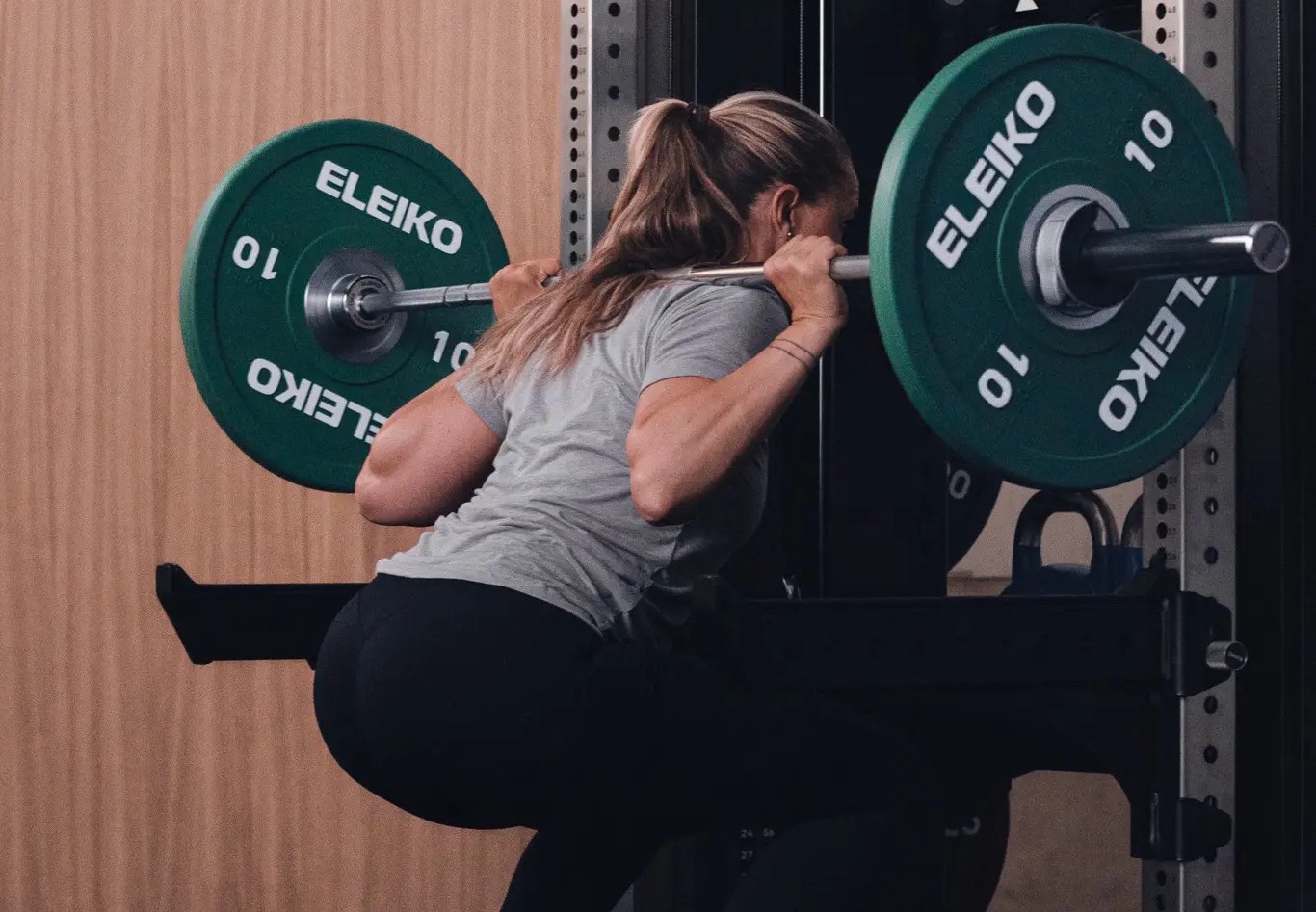
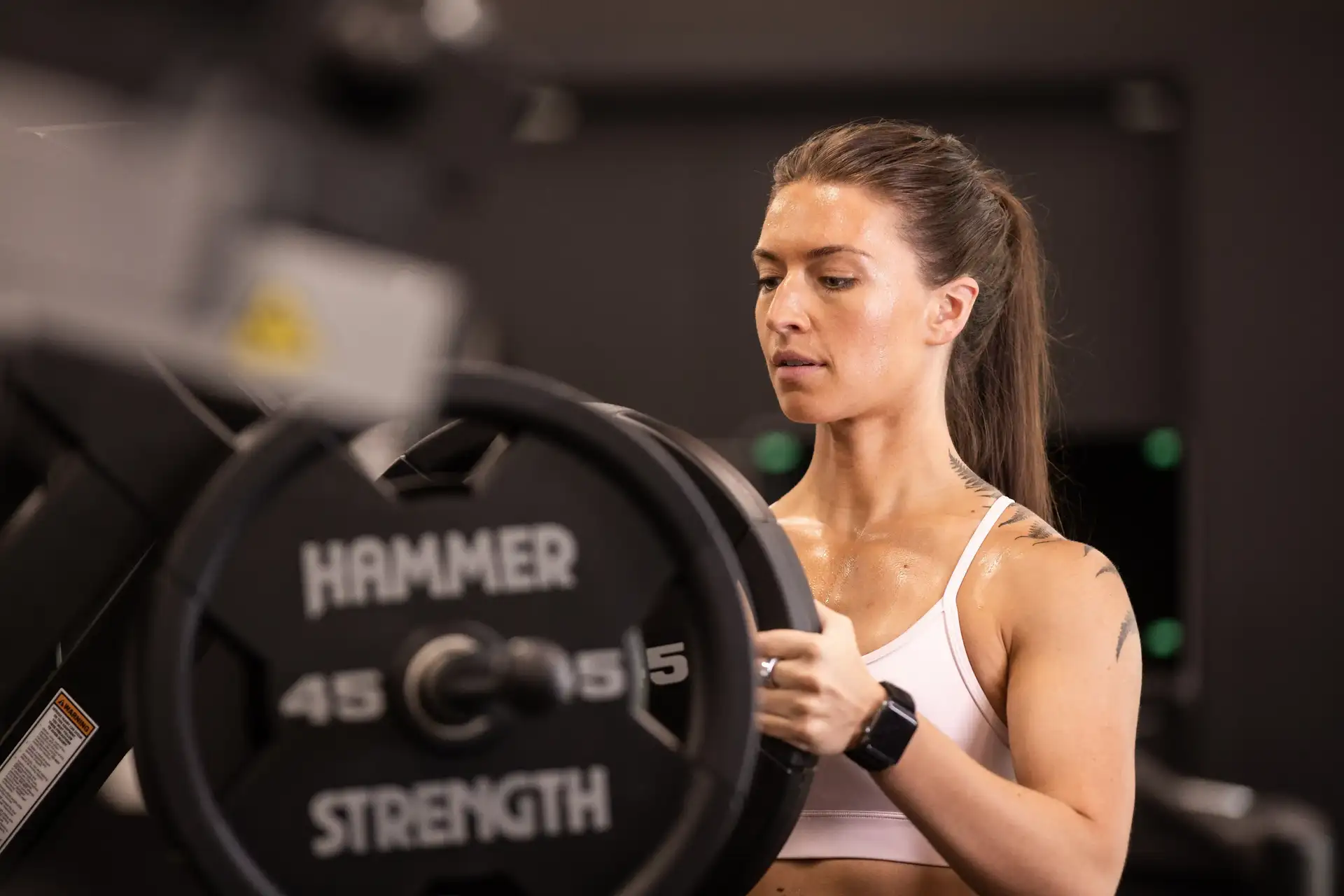
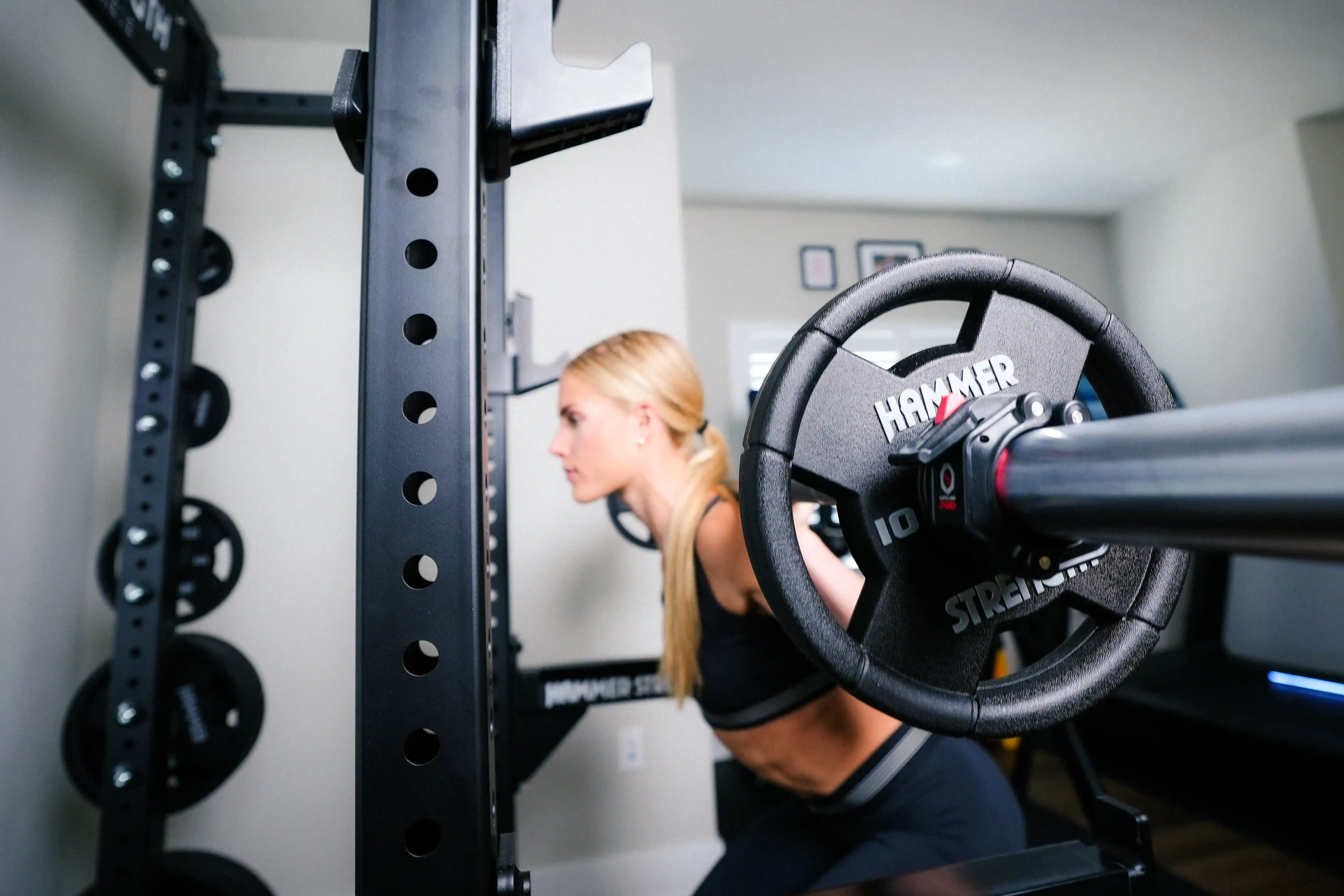
woman using Hammer Strength Squat Rack

The research on strength training for women is remarkably clear: women can lift light weights, moderate weights, or heavy weights and produce the exact same outcomes in muscle strength, muscle hypertrophy, and muscle size.

The long-standing belief that certain repetition ranges uniquely create “tone,” while other repetition ranges uniquely build muscle or strength, is largely unsupported by the evidence.

This matters because women deserve an evidence-based and empowering approach to exercise — not fear-based messaging from influencers, social media personalities, or pundits promoting rigid rules and unnecessary complexity.  This represents an opportunity to position your gym, studio, or club as a voice of evidence-based reason in a sea of misinformation.  Additionally, it makes the design and implementation of a strength training program simple (and perceived complexity is cited as a major barrier to strength training participation).

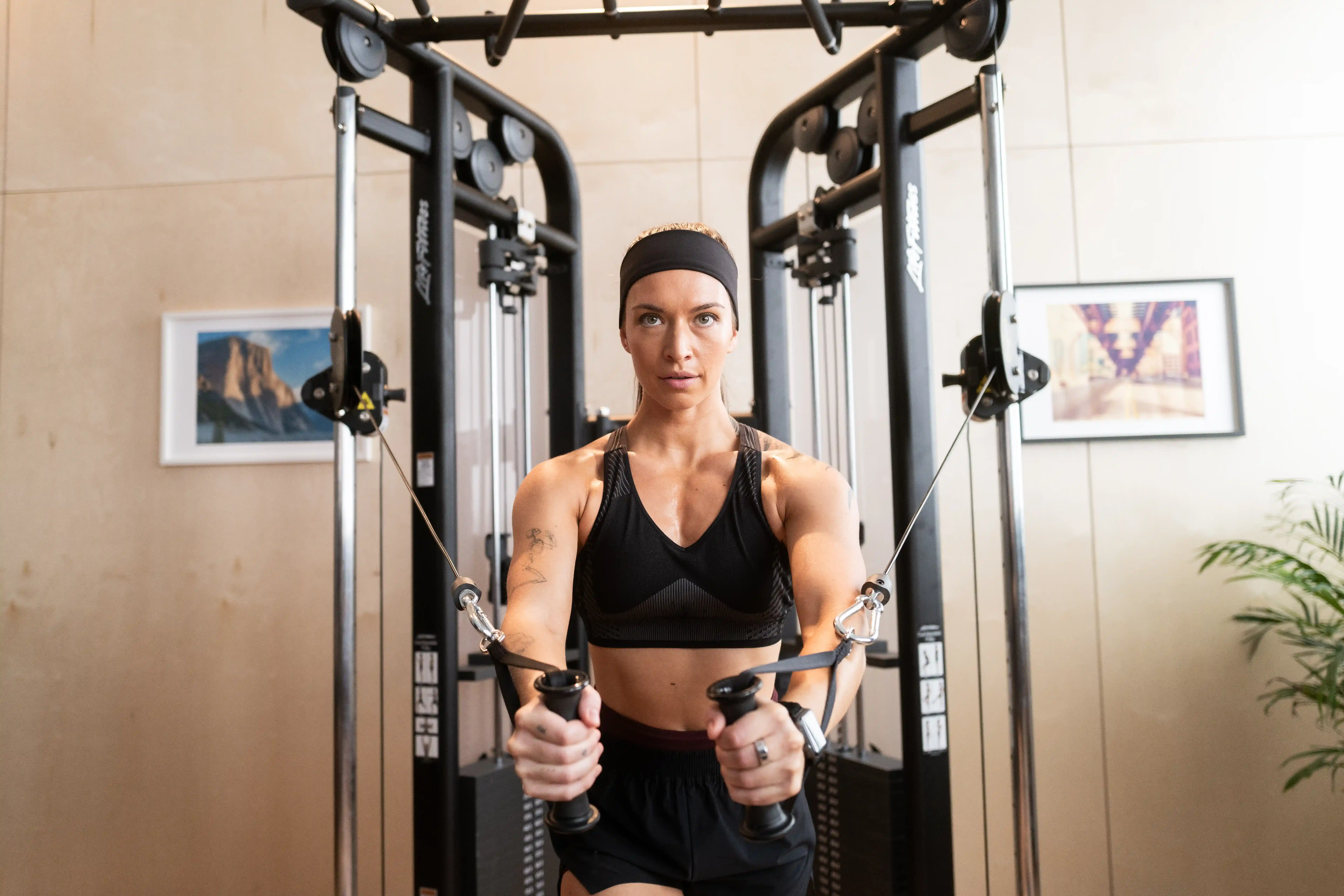
woman using cable machine

Here’s what the preponderance of research tells us:

  • Women can improve strength and build muscle using a wide range of loads and repetition ranges.
  • The most important variable is effort. Sets should be performed close to muscular failure or to momentary muscular failure.
  • There are no magical exercises, machines, or training tools.
  • Free weights and machines are both highly effective.
  • Women build muscle through the same physiological mechanisms as men. The foundational principles of strength training are the same.
  • Women do not need to “cycle sync” their workouts around the menstrual cycle to produce results. Instead of timing the workout for where one is in the menstrual cycle, research indicates that a woman can simply plan the workout based on how she feels that day.  The approach is individualized but isn’t based on menstrual cycle phase.
  • Improvements in bone mineral density can occur with light, moderate, or heavier resistance training loads. A woman doesn’t need to lift a heavy weight to improve bone density, as was once assumed.

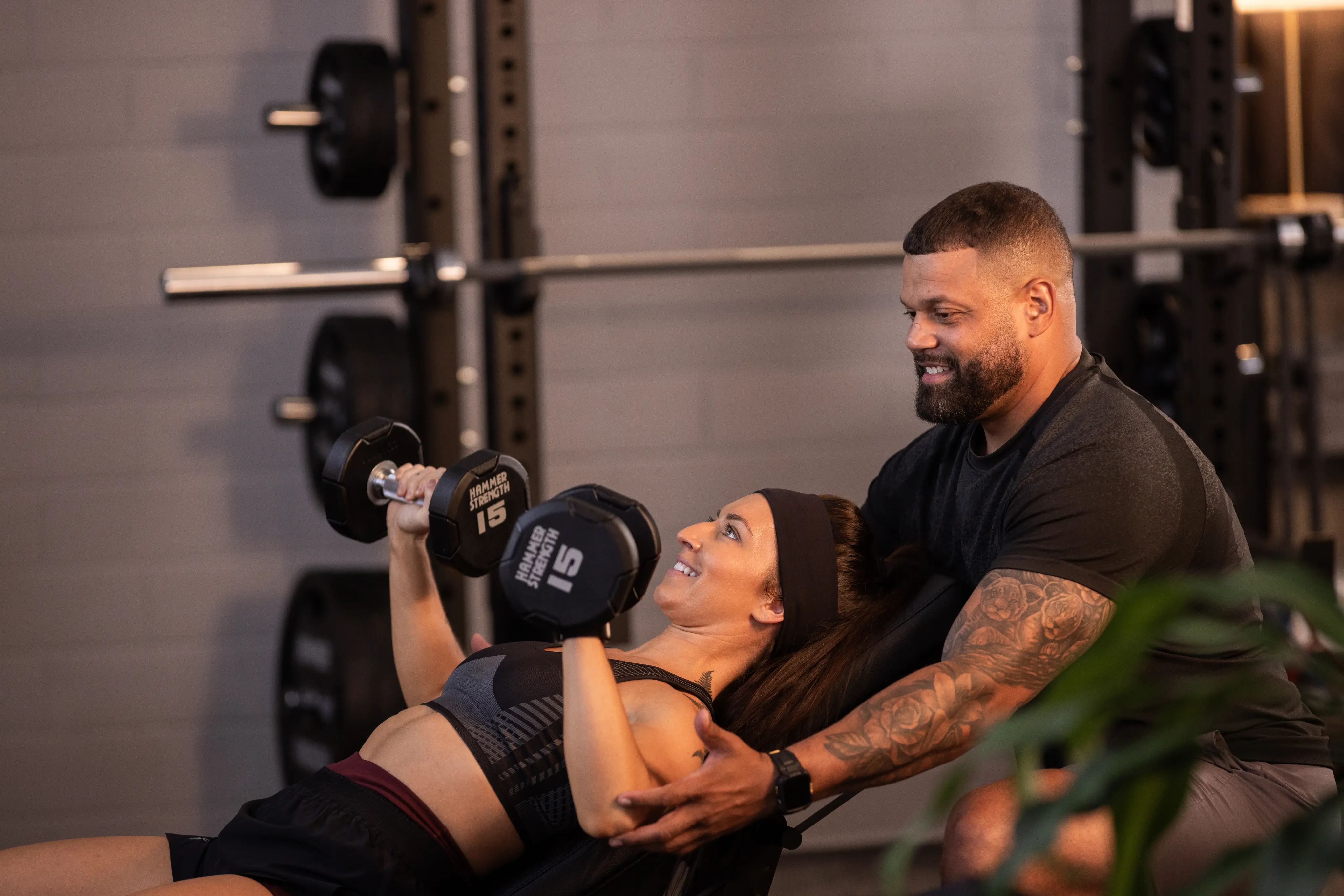
Woman doing shoulder press

The implication is incredibly liberating.

Women do not need to fear lifting heavier weights. But they also do not need to believe that heavy lifting is the only effective approach.

What matters most is consistency, progressive effort, recovery, and participating in a strength training program that is safe, sustainable, and enjoyable enough to continue for decades.


Source: https://www.lifefitness.com/en-us/customer-support/education-hub/blog/strength-training-for-women-load-reps-research

Share

Key Benefits of Matwork vs. Reformer Pilates

Matwork and Reformer Pilates are often compared as separate choices. In practice, they are complementary approaches that develop strength, awareness, and control in different ways.

How Strength Feels Different on the Mat & Reformer

Strength feels different on the Mat and Reformer. The Reformer provides external support through its springs and moving carriage. While this creates resistance, it also offers feedback and, at times, an opportunity to rely on the machine.

On the Mat, the body has fewer external supports and greater freedom of movement. Exercises are performed primarily against gravity, requiring the body to stabilize and organize itself without much assistance from equipment.

As STOTT PILATES® Master Instructor Trainer (IT), PJ O’Clair explains, “what often shows up isn’t necessarily a lack of strength, but a difference in awareness and control.” For many, this is why Matwork feels more challenging, as it reveals not just strength, but the quality of control behind it.

How Strength Feels Different on the Mat & Reformer

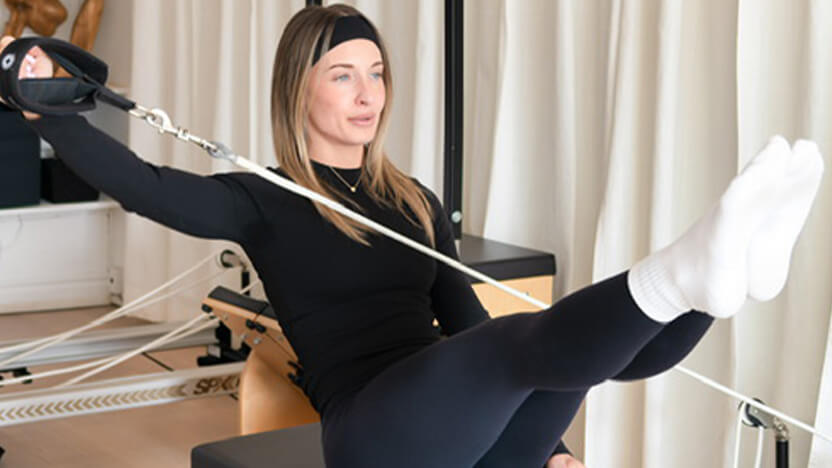
On the Reformer, springs can either assist movement or add resistance, depending on the exercise, spring setting, and programming intention. The carriage, straps, footbar, and springs provide external feedback that helps the body sense alignment, resistance, and movement patterns more clearly. At the same time, the moving carriage introduces an element of instability, requiring the body to respond with control, timing, coordination, and precision.

The Beginner’s Experience

When programmed appropriately, both Matwork and Reformer Pilates can be accessible and appropriately challenging for beginners. Strength, coordination, and body awareness develop progressively over time, making gradual progression essential

As PJ O’Clair explains, “The determining factor is not the modality, but the quality of instruction.” A skilled instructor creates an environment where clients can build confidence, refine movement patterns, and progress toward more complex challenges at an appropriate pace.

Enhancing Matwork with Small Props

Small accessories can add another layer of challenge and variety to Matwork:

  • Toning Balls™ provide low-load resistance, making them ideal for developing muscular endurance. Their subtle instability and rolling capacity also encourage fluidity and support an improved range of motion.
  • Flex-Band® creates a progressive challenge throughout the movement, particularly emphasizing eccentric control, the phase where strength is often most effectively developed.

Integrate these tools into movement to advance Pilates accessory training and sharpen strength, control, and mobility.

Enhancing Matwork with Small Props

Takeaway

Mat and Reformer Pilates are not competing approaches. They are complementary tools within one cohesive system. Matwork develops strength, awareness, and control using bodyweight, gravity, and freedom of movement. The Reformer adds springs, a moving carriage, and external feedback, allowing exercises to be supported, resisted, or made more unstable depending on the goal.

Together, they offer a fuller Pilates experience. Many Reformer exercises can also be explored on the Mat using bodyweight or small props, making the two approaches highly connected rather than separate.

Choose Mat Pilates for an accessible practice you can do almost anywhere, and that fits easily into your routine.

Choose Reformer Pilates for guided support and adjustable resistance, adding variety and structure to your practice.

Choose both to experience the best of both worlds, blending bodyweight precision with controlled resistance for a well-rounded practice.


Source: https://www.merrithew.com/blog/post/2026-05-14/key-benefits-of-matwork-vs.-reformer-pilates?srsltid=AfmBOoqe4SkQMxxFgCav_Is_LQ0s_-FbMgZonHky3V6My1_AuC2KXW9r

Share

Does A Recumbent Bike Work The Inner Thighs?

Recumbent bikes are a staple in both home and commercial gyms thanks to their low-impact design and back-supportive seating. They help improve cardiovascular health and strengthen the lower body, but does a recumbent bike work the inner thighs too?

Let’s take a closer look at how these bikes engage different muscle groups, including the adductors (inner thigh muscles) and how to optimise your training for better results.


What muscles does a recumbent bike target?

A recumbent bike primarily targets the quadriceps, hamstrings, glutes and calf muscles. The seated and reclined position changes the angle of engagement compared to an upright bike. This puts more emphasis on the glutes and hamstrings, especially during the push phase of each pedal stroke.

However, does a recumbent bike work inner thigh muscles as well? To some extent, yes, but not in isolation.

Do recumbent bikes work the inner thighs?

While a recumbent bike doesn’t directly isolate the adductors (your inner thigh muscles), it does engage them as stabilisers. These muscles assist in keeping your legs aligned during each pedal stroke, especially when resistance levels are increased. If you’re pedalling with proper form and moderate resistance, your inner thighs are active but not maximally challenged.

Does a recumbent bike work the inner thighs enough for toning or strengthening? The effect is mild compared to exercises that directly target the adductors, like side-lying leg lifts or using a hip adduction machine. Still, consistent recumbent biking can support inner thigh conditioning as part of a broader lower-body routine.


How to increase inner thigh activation on a recumbent bike

To engage your inner thighs more effectively during a recumbent bike workout, try the following strategies:

  • Increase resistance — Higher resistance makes your muscles work harder with each stroke, which naturally brings more stabiliser muscles like the inner thighs into play. Aim for a level that challenges your legs without compromising form.
  • Focus on controlled movement — Slowing down your pedalling and using a full range of motion encourages greater muscle activation across the lower body. This added control helps engage your adductors more consistently.
  • Maintain proper knee alignment — Keep your knees tracking over your feet to avoid shifting effort to your outer thighs or hips. Good alignment encourages more balanced muscle recruitment, including the inner thighs.

Though these adjustments won’t turn the recumbent bike into a targeted inner thigh machine, they will help make your sessions more effective for overall lower-body strength.

Are recumbent bikes good for beginners?

Recumbent bikes are especially useful for beginners or those recovering from injury. The seat provides full lumbar support, and the step-through design makes it easier to mount and dismount. Does a recumbent bike work inner thigh muscles? Maybe not so much, but for beginners also looking for safe and accessible options to improve lower-body mobility and endurance, these bikes are a good starting point.

Try pairing recumbent bike workouts with targeted strength exercises like bodyweight squats or resistance band adductor pulls to round out your leg training. Lateral leg raises, glute bridges and inner thigh squeezes with a Pilates ball can also help strengthen supporting muscles that the bike may not fully activate.

Support your lower-body training with Life Fitness

If you’re building a gym setup that prioritises comfort, safety and performance, a recumbent bike is a smart addition. Life Fitness offers a range of commercial-grade and home-use recumbent bikes with ergonomic design, intuitive resistance controls and real-time workout tracking.

Looking to target more muscle groups? Pair your cardio equipment with leg press machines, hip adduction stations or cable attachments that offer greater inner thigh engagement. Explore the full Life Fitness range online or contact our team to find the right setup for your training goals.


Source: https://www.lifefitness.com.au/does-a-recumbent-bike-work-inner-thighs/

Share

The Vertical Frame: Multiplanar Training for Reformers

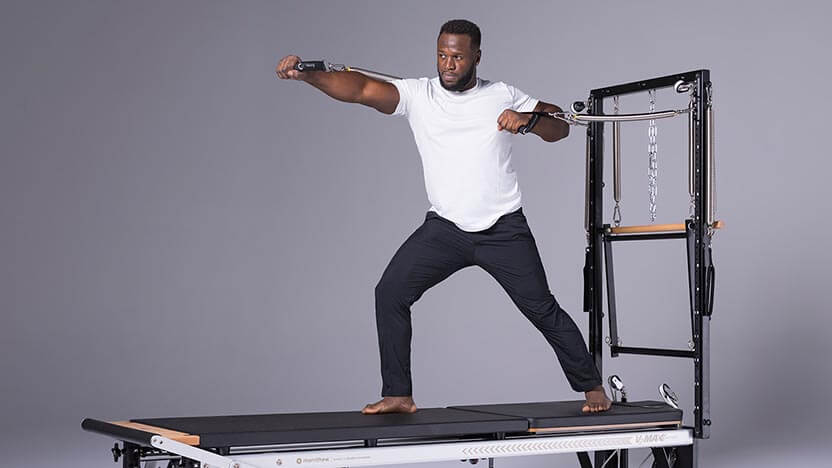
In many studios, the Reformer serves as the foundation of Pilates practice, supporting the development of movement patterns with precision and consistency. The carriage travels along a fixed track, and spring resistance follows a defined line of pull, allowing the body to organize efficiently while building strength, control, and awareness through repetition

With the addition of a Vertical Frame, spring attachment points extend above and around the body, introducing new vectors of resistance. This creates opportunities for multiplanar movement and expands programming beyond the traditional Reformer repertoire.

Within this integrated system, the Reformer functions as a virtual Cadillac, supporting an expanded range of exercises while remaining contained within a compact footprint.

Movement in All Planes

Adding a Vertical Frame expands how the Reformer can be used, introducing new spring positions and directions of resistance. Resistance is no longer limited to the horizontal plane of the carriage, instead, springs can be attached at varying heights and angles, introducing vertical and diagonal lines of pull.

This multi-directional resistance challenges coordination, stability, and proprioception throughout the entire kinetic chain. Rather than simplifying movement, it requires the body to organize more precisely in response to changing forces, supporting more dynamic and functional training.

Movement in All Planes

Expanded Repertoire Possibilities

The impact of the Vertical Frame is most evident in programming. With the inclusion of components such as the push-through bar, roll-down bar, and additional spring attachments, instructors can incorporate a wider range of exercises typically associated with the Cadillac repertoire.

This allows for greater emphasis on spinal articulation, scapular stability, and controlled mobility. Because resistance can shift in both angle and intensity, the body must continuously adapt, promoting balanced strength and improved movement efficiency.

Enhanced Feedback and Body Awareness

The Vertical Frame also enhances the feedback clients receive during movement. Because springs are anchored at elevated and varied positions, changes in alignment or control are more immediately noticeable.

This real-time feedback helps clients refine technique with greater accuracy, encouraging improved body awareness and reducing reliance on external cues. Over time, this supports more independent and consistent movement patterns.

Designed for Precision

The Vertical Frame is engineered to support the precision of the STOTT PILATES method. Features such as adjustable spring attachment points and traveling pulleys allow the line of resistance to evolve with the movement.

This helps maintain consistent tension throughout an exercise, minimizing abrupt changes in load and supporting smooth, controlled transitions. The system is highly adaptable, making it suitable for a wide range of body types and experience levels while maintaining stability and alignment.

Seamless Integration

The Vertical Frame is compatible with Merrithew V2 MaxSPX Max, and Plus Reformer models.

It integrates directly with the Reformer frame, carriage, and rope system, preserving familiar lines of pull while expanding exercise possibilities. This allows instructors to transition between exercises efficiently without significant equipment changes or interruptions.

The result is a cohesive system that supports progressive programming and fluid session flow, enabling more complex sequencing within a single setup.

Maximizing Studio Efficiency

For studio owners, a Reformer equipped with a Vertical Frame increases programming versatility without requiring additional floor space. Instructors can move seamlessly between rehabilitation-focused exercises and more advanced strength and mobility work, all on the same piece of equipment.

This efficiency supports a wider range of clients and class formats while maintaining a streamlined studio environment

A More Complete System

The Vertical Frame enhances the Reformer by expanding its capabilities within the STOTT PILATES method. It introduces greater exercise variety, supports multiplanar movement, and allows for more comprehensive programming.

The result is a versatile training environment defined by precision, adaptability, and depth, supported by equipment designed to evolve with both the client and the studio.


Source: https://www.merrithew.com/blog/post/2026-05-20/the-vertical-frame-multiplanar-training-for-reformers


Share

The Multi-Unit Housing Advantage

How the Right Cardio Investment Protects NOI (Net Operating Income)

In multifamily residential communities, competitive advantage is built long before the lease is signed.

Prospective residents decide quickly, and often emotionally, based on what they see during a tour or in listing photos. They’re reading the space, imagining their routines, and asking one simple question: Can I see myself living here? Amenities don’t just support the value proposition; they signal it. And few amenities answer that question faster than the fitness center.

Once considered a bonus, fitness has become a core expectation for today’s renter. The quality of that space influences first impressions, leasing velocity, and long-term resident satisfaction.

In other words: fitness is no longer a perk. It’s a performance driver.

Fitness Is Now a Leasing Expectation, Not a Differentiator

Modern renters expect on-site fitness the same way they expect in-unit laundry or reliable Wi-Fi. When it’s missing or outdated, it can quietly lower perceived value.

And when residential fitness is done well, it works harder than almost any other amenity:

  • Strengthens tour impact
  • Supports rent justification
  • Encourages longer stays
  • Reduces reliance on off-site gym memberships

For owners and operators, the question isn’t whether to invest in fitness, it’s how to deliver the right experience without overbuilding, overspending, or adding operational complexity.

When Fitness Spaces Underperform

Many community fitness centers were built to meet expectations at the time of development and have continued to serve residents over the years. But as renter expectations evolve, those spaces can begin to feel less aligned with modern living.

Outdated cardio equipment, unintuitive consoles, or visible wear can subtly change how the space is perceived. Residents may still use the fitness center, but the experience feels less intentional and less reflective of the overall community.

That can show up as:

  • Fewer amenity mentions in reviews
  • Weaker differentiation in listings
  • Missed opportunities to reinforce value during tours
  • Greater likelihood residents supplement with external gyms

Today, fitness is an absolute must-have. It’s a visible signal of how well a community understands modern residential living. When it feels current, intuitive, and easy to use, it supports leasing conversations and reinforces value long after move-in. When it doesn’t, it quietly works against you.

Why Atmos Fits Multi-Unit Housing

For housing operators, the most effective amenities deliver strong perceived value with minimal operational burden. That balance is where Atmos excels.

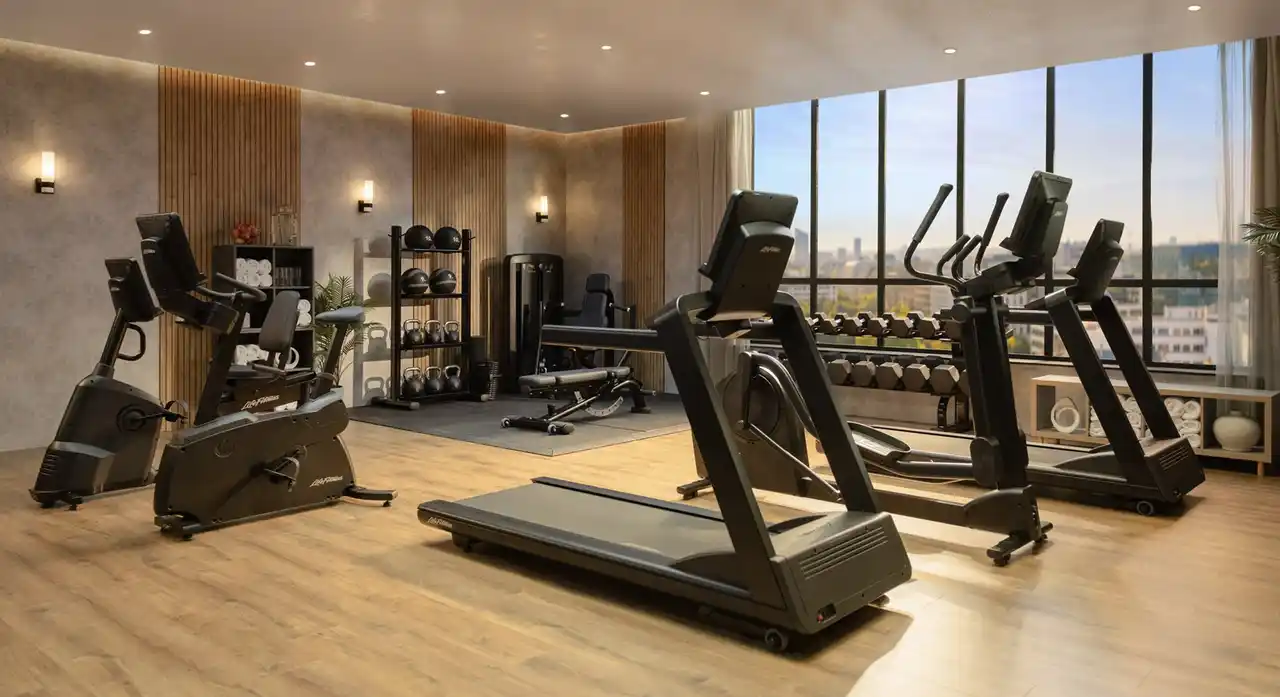
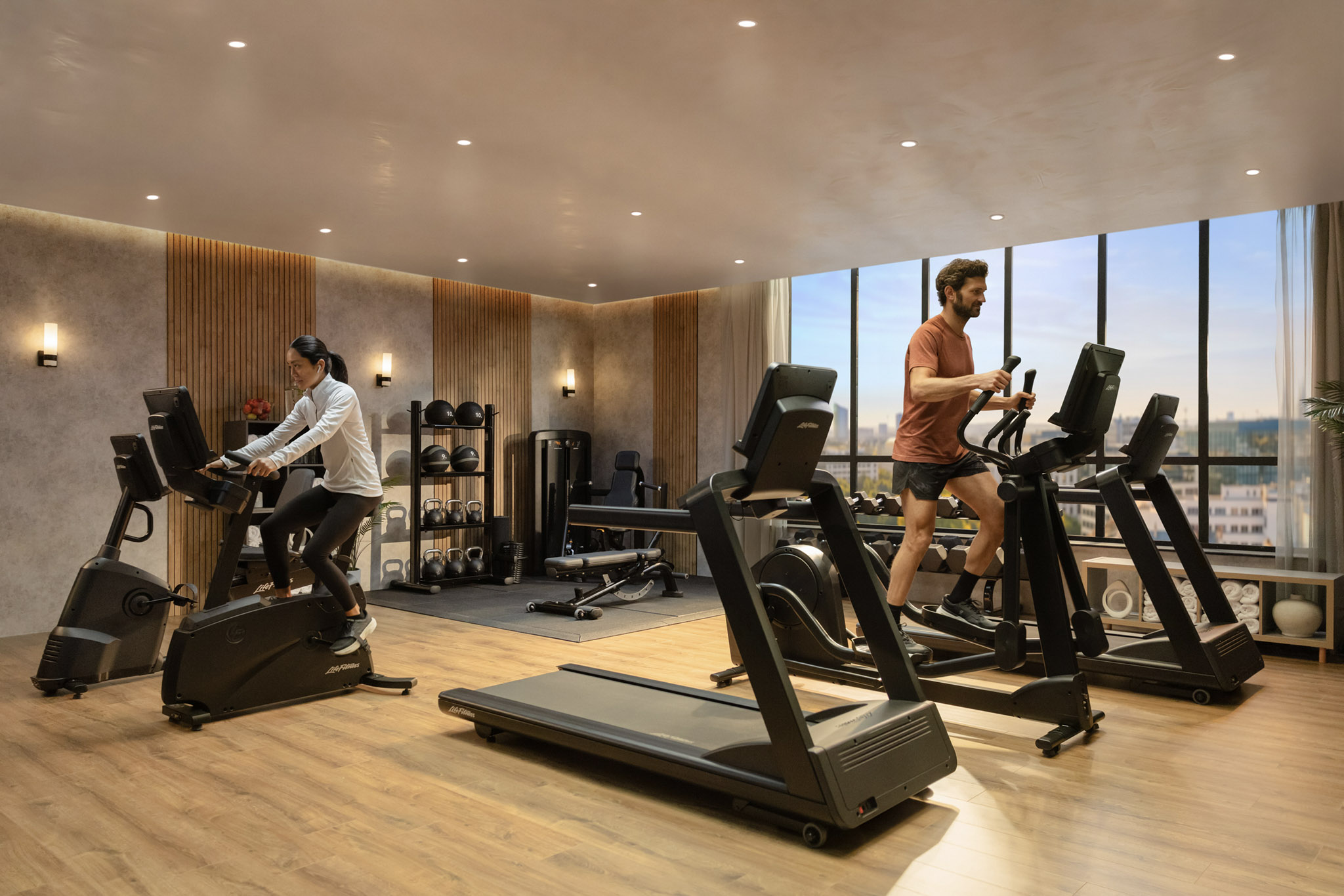
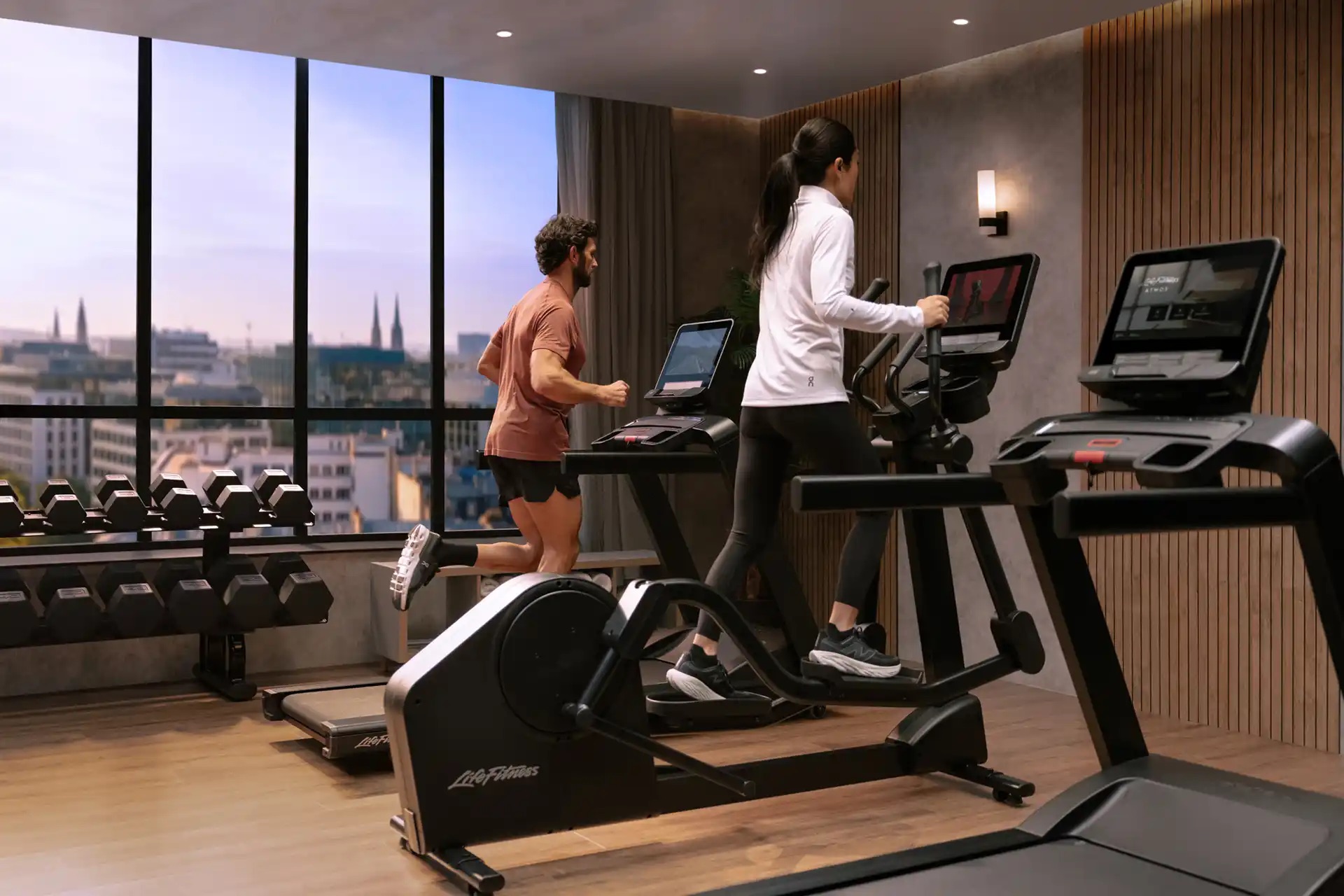
Atmos is essential cardio, purpose-built for residential environments. This cardio lineup is designed to support:

  • Accessible performance across all fitness levels
  • Compact footprints that help spaces feel open and inviting
  • Durable engineering that minimizes service interruptions
  • A cost-conscious investment aligned with residential budgets

This is cardio equipment that works quietly and consistently in the background, supporting your community without demanding attention.

Console Choice That Matches How Residents Live

In residential fitness spaces, the best experiences don’t force residents to adapt. They adapt to residents.

Some residents want to plug in, explore content, and stay longer. Others want to step on, move, and get on with their day. Both behaviors matter, and both deserve to feel intentional.

That’s why Atmos offers two console experiences, each designed to support different workout preferences while maintaining a consistent quality standard across your portfolio.

SE4 Console: A Connected Experience That Feels Premium

For residents who value immersion, motivation, and choice, the SE4 Console delivers a polished, modern experience that immediately elevates the fitness space.

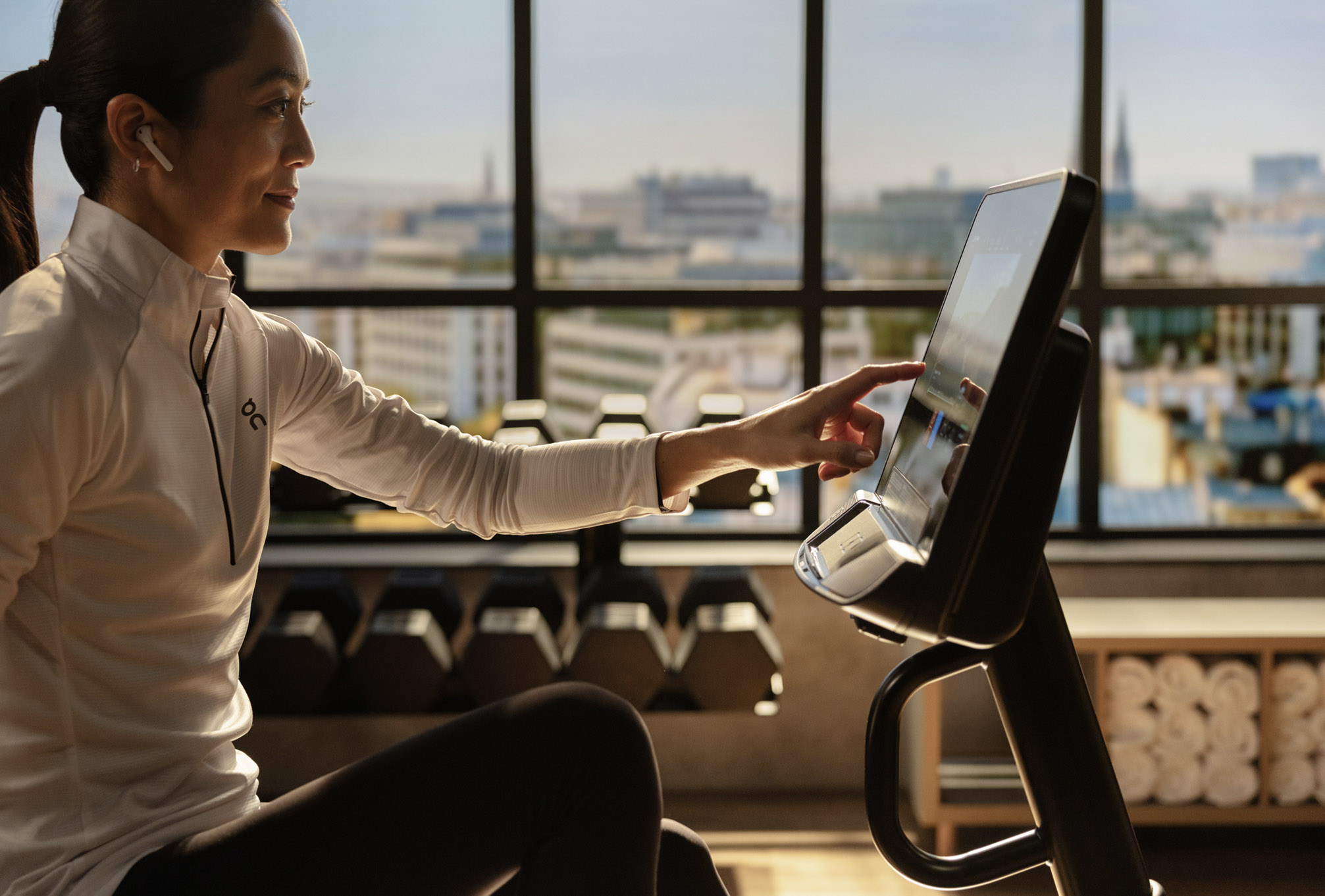
With a clean, responsive touchscreen, SE4 feels intuitive from the first interaction. No learning curve, no friction.

Residents can:

  • Connect smartphones and wearables seamlessly
  • Use Bluetooth® headphones and wireless charging
  • Track heart rate and performance with confidence
  • Access 500+ free on-demand workouts and immersive terrains through Life Fitness On Demand+

For communities, this means:

  • More consistent amenity engagement
  • Stronger emotional connection to the property
  • Greater perceived value without expanding square footage

SL Console: Simple, Fast, and Ready When Residents Are

Not every workout needs a screen, and not every resident wants options.

The SL Console is built for a true get-on-and-go experience: clean, approachable, and refreshingly simple. It delivers the essentials residents need to move confidently, without distraction.

Together, SE4 and SL give operators flexibility, offering different experiences while maintaining a consistent look, feel, and level of quality across the community.

Built for Operational Confidence

Behind the scenes, Atmos is designed to support property teams with reliable, low-maintenance performance, especially for portfolios with multiple properties or limited on-site staff.

Both SE4 and SL consoles support Facility Connect, enabling:

  • Centralized equipment visibility
  • Streamlined software updates
  • Simplified equipment oversight

Combined with a durable design and a 3-year warranty, Atmos delivers long-term reliability aligned with residential operations.

From Amenity to Asset

In multi-unit housing spaces, the most effective amenities don’t just attract residents. They help keep them.

Fitness, when done right, becomes a daily touchpoint that reinforces value long after move-in. It supports retention, reduces churn, and strengthens the overall perception of the community.

Our Atmos cardio lineup helps transform fitness from a static amenity into a living asset, one that works quietly, consistently, and cost-effectively.

The Smart Move Is the Simple One

For property managers and operators already evaluating a refresh, waiting rarely improves the outcome. Every month with underperforming fitness equipment is a missed opportunity to:

  • Strengthen leasing conversations
  • Reinforce value during tours
  • Support long-term resident satisfaction

Atmos offers a clear, low-friction path forward, delivering modern fitness experiences without operational headaches.

Upgrade the amenity residents expect. Protect the returns your property depends on. 


Source: https://www.lifefitness.com/en-us/customer-support/education-hub/blog/multi-unit-housing-advantage

Share

The Role of Pilates Equipment in Empowering Women

“Sustainable wellness begins with care.” — Lynn Grenier.

In the Pilates industry, women serve as instructors, culture-builders, decision-makers, and architects of experiences. From programming and studio design to equipment investment and team development, their choices influence how mindful movement is delivered and how communities are built.

Lynn Grenier and Valerie Couture, co-founders of Connexion Pilates, describe how Pilates serves as a quiet yet powerful tool for empowerment, supporting women’s fitness and wellness through a balanced, holistic approach.

Pilates as a Supportive Path to Strength & Confidence

Pilates offers a particularly accessible and supportive pathway for many women beginning or returning to movement. Its low-impact design allows individuals to build strength progressively while supporting joint health and recovery. The method’s adaptability also makes it well-suited for women navigating different life stages, from postpartum recovery to perimenopause or chronic discomfort.

For Lynn and Valerie, opening a Pilates studio came from a desire to create a space where women feel supported and safe in their bodies. Over time, the leadership philosophy has evolved. While movement expertise remains essential, the human experience behind each client’s visit has become equally important.

According to Lynn:

Every client arrives with a different story. Some are navigating injuries, others are adjusting to hormonal changes, managing stress, or moving through major life transitions. Leadership today means listening deeply and building a team that values empathy as much as expertise.”

Designing for Emotional & Physical Safety

For many women, entering a fitness environment can be intimidating. Unfamiliar equipment, performance-driven atmospheres, and spaces focused on comparison can create barriers that discourage participation.

Pilates as a Supportive Path to Strength & Confidence

Connexion Pilates was intentionally designed to eliminate these pressures. The goal was to create a calm, welcoming atmosphere where women feel at ease the moment they arrive. The studio focuses on small class sizes and gives personalized attention. The studio prioritizes small class sizes and personalized attention, enabling instructors to meet each client where they are in their movement practice.

This philosophy also shaped the studio’s physical environment. Elements that often contribute to comparison or pressure were intentionally removed. Valerie explains:

Emotional safety often precedes physical strength. There are no mirrors encouraging comparison and no loud, competitive atmosphere. Instead, we focus on connection and creating a space where women can breathe and build community.”

Intentional Equipment Solutions

The equipment selected for Connexion Pilates reflects the same thoughtful approach that defines its culture and programming. Lynn shares:

Intention rather than trends guided our equipment decisions. Aligning with the STOTT PILATES® methodology, we invested in Merrithew® equipment that allows for precision, adaptability, and long-term safety.”

Each piece of equipment plays a role in supporting individualized movement experiences:

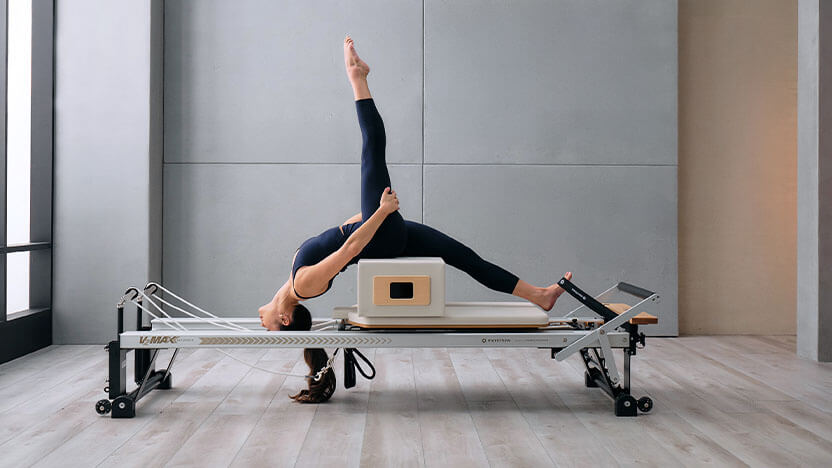
  • V2 Max Reformer: Offers controlled resistance that builds strength without unnecessary strain.
  • Cadillac: Provides assisted support, making it especially valuable for rehabilitation and early-stage recovery.
  • Split-Pedal Stability Chair: Introduces balance and functional strength challenges in an approachable format.

Together, these tools allow instructors to adapt sessions based on injuries, energy levels, and changing life stages.

Pilates equipment allows women to move safely

Pilates equipment allows women to move safely, regain confidence, and build strength on their own terms through adjustable resistance, guided support, and controlled movement patterns. By selecting tools that respond to different bodies, energy levels, and life stages, studios help women feel more capable and in control of their practice. Equipment becomes a practical tool for empowerment, not just functionality—it allows instructors to tailor movement, reduce intimidation, and create spaces where women can grow, recover, and thrive.


Source: https://www.merrithew.com/blog/post/2026-03-20/the-role-of-pilates-equipment-in-empowering-women

Share

How To Create a Sustainable Gym

Creating a sustainable gym isn’t just about reducing your environmental impact—it’s also a strategic move that benefits your business and attracts eco-conscious members. By implementing these key strategies, you can transform your fitness space into an eco-friendly haven:

Sustainable Gym

  1. Sustainable Flooring

Opt for eco-friendly flooring like Pavigym’s virgin rubber, which is durable and recyclable. This reduces your gym’s carbon footprint and ensures longevity. 

  1. Energy Efficiency

Invest in energy-efficient gym equipment and maximise natural lighting. Use LED bulbs and ensure good ventilation to minimise energy use. 

  1. Water Conservation

Implement water-saving fixtures and consider rainwater harvesting for non-potable uses. Encourage responsible water use among members. 

  1. Recycling and Waste Reduction

Provide recycling bins and minimise paper use with digital alternatives like membership cards and waivers. Use eco-friendly cleaning products to maintain a healthy environment. 

Sustainable Gym

By implementing these sustainable practices, you not only help protect the environment but also create a healthier, more appealing space for your gym members. Sustainability is an ongoing effort, and every small step contributes to a bigger impact.


Source: https://www.pavigym.com/en/blog/sustainable-gym

Share

The Select Hotel Advantage

For Select hotels, success is often won in the margins.

You’re competing on experience, efficiency, and consistency all while balancing tight footprints, brand standards, and return on every capital decision. In that environment, amenities that once felt “good enough” are now either working for you or quietly costing you bookings.

The fitness center is one of them.

Today’s traveler doesn’t see fitness as a bonus amenity. They see it as a signal. A signal of quality. Of care. Of whether a hotel understands how guests live, train, and recover on the road and at home.

And increasingly, it’s a deciding factor.

Fitness Is Now a Booking Driver and no Longer a Nice-to-Have

Travelers consistently rank the fitness center as one of the top three amenities influencing hotel selection, alongside free breakfast, Wi-Fi, and a pool.

That shift matters.

Because when fitness expectations aren’t met, the impact on your hotel shows up quickly:

  • Lower satisfaction scores
  • Negative or lukewarm reviews
  • Missed repeat stays
  • Lost loyalty in competitive markets

For Select hotels, where brand strength and consistency already matter, the fitness center has become one of the most visible expressions of the guest experience. And one that guests increasingly notice and remember.

The question is no longer “Do we need to invest in fitness?” It’s “Is our current fitness experience helping or hurting us?”

When “Meeting the Standard” Isn’t Enough Anymore

Many Select hotel fitness centers were originally designed to meet established brand standards, and for years that was enough.

Today’s travelers, however, expect more. They’re accustomed to modern equipment, intuitive technology, and spaces that feel inviting and easy to use. When guests encounter older machines, inconsistent consoles, or equipment that feels less familiar, it can subtly diminish their experience, even if everything technically functions as intended.

And guests notice. Small moments shape perception:

  • A treadmill that feels unstable.
  • A screen that doesn’t mirror what they use at home.
  • A cardio zone that looks worn before they even press “Start.”

Individually, these moments may seem minor. Collectively, they influence how guests feel about your fitness center, and by extension, the stay itself. In a review-driven booking environment, perception plays an outsized role.

That’s why thoughtful fitness upgrades matter. They signal to guests that wellness is valued, expectations are understood, and the hotel is keeping pace with how travelers live today.

Triggering the Upgrade: Why Atmos Fits the Select Hotel Reality

For high-intent hotel buyers, the fastest path to action is clarity. The Life Fitness Atmos cardio line was designed for this scenario: limited space, high visibility, and the need for immediate guest impact.
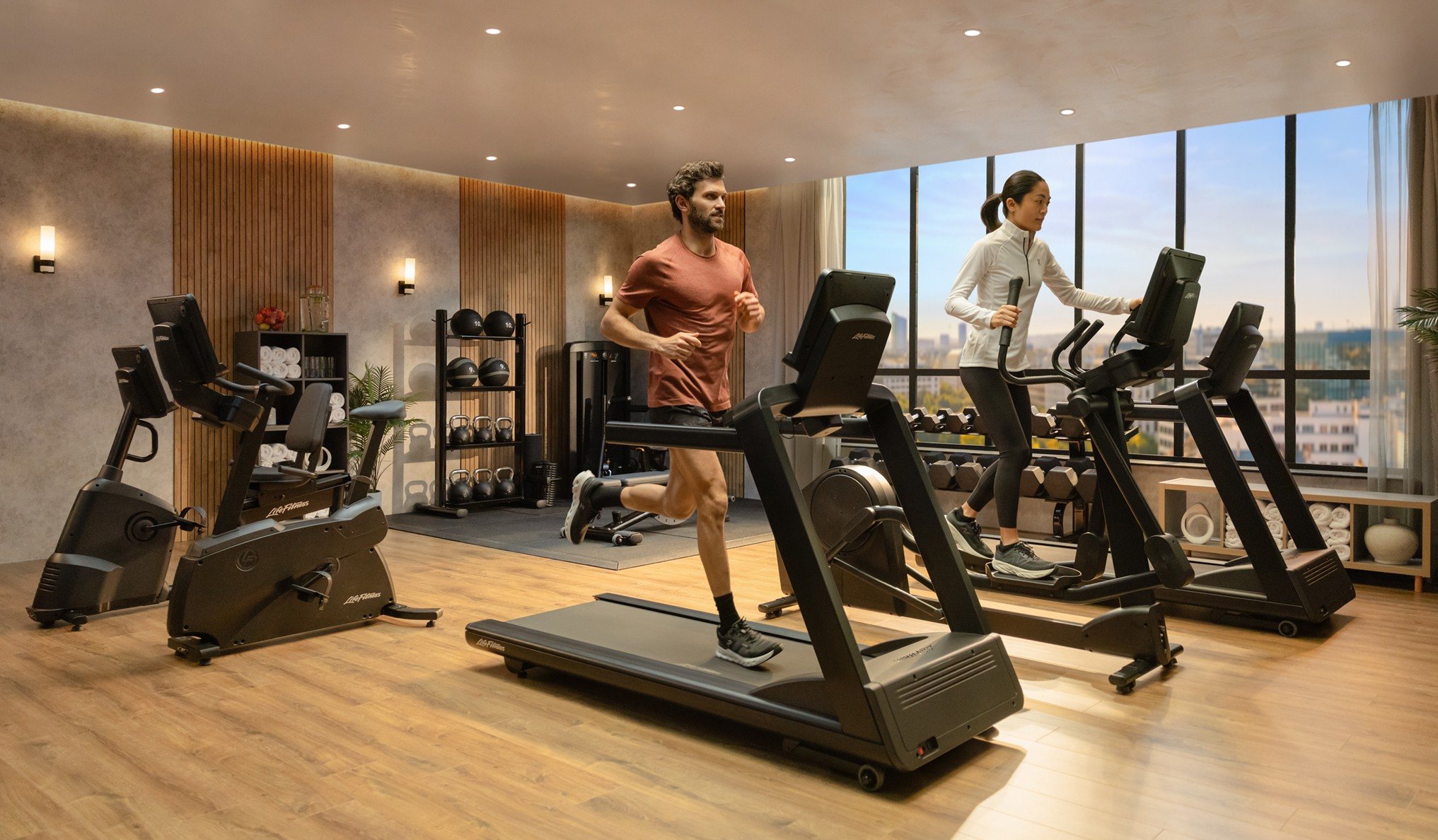
Atmos Cardio Line

Life Fitness’ Atmos cardio line delivers where your hotel needs it most:

  • A modern, cohesive look that elevates perception instantly
  • Space-efficient designs that maximize limited square footage
  • Proven durability for high-use environments
  • Operational efficiency that minimizes maintenance and downtime

It’s cardio that works hard without asking the business to work harder.

The Console Experience: Where Guest Expectations and Hotel Operations Align

While Atmos elevates the physical look of the fitness space, the console is where guests actually experience it, and where quality is judged in seconds.

That’s why the Atmos cardio lineup offers two distinct console options: the SE4 Console and the SL Console giving Select hotels the flexibility to deliver the right experience for their guests, their brand standards, and their operational goals.

Both are designed to remove friction, support high usage, and reinforce a sense of quality the moment a guest steps on the machine.

SE4 Console: A Premium, Connected Experience Guests Instantly Recognize

The SE4 Console is built for properties that want fitness to feel modern, immersive, and fully aligned with today’s connected lifestyles.

With a large, visually rich touchscreen (available in 24” or 16”), SE4 captures attention immediately and feels intuitive from the first tap. Guests don’t need instructions or staff support. They simply step on, choose their experience, and start moving.
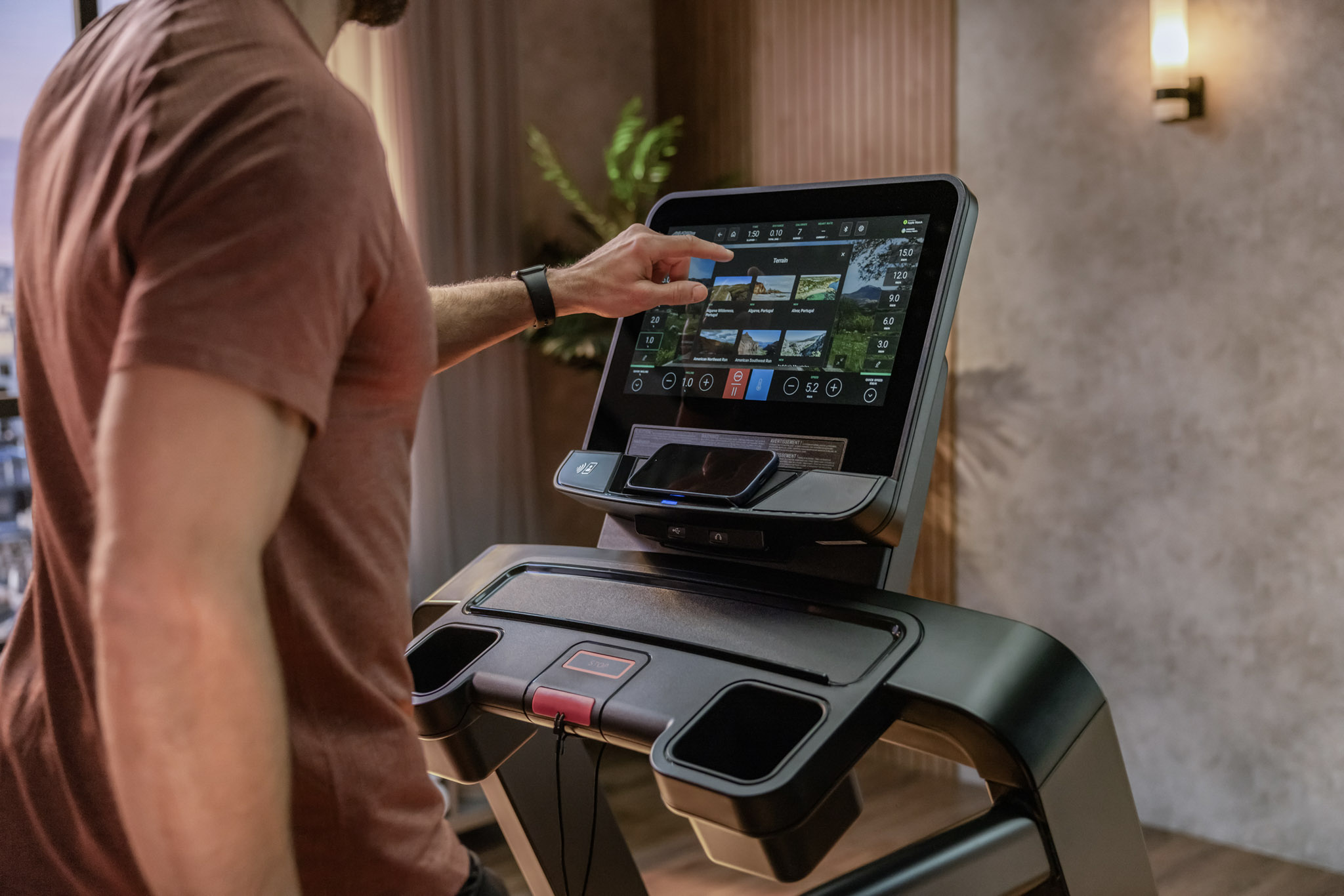
SE4 Console on Atmos Treadmill

SE4 delivers a premium experience without unnecessary complexity:

  • A fast, highly responsive touchscreen with vivid visuals in any lighting
  • Seamless connectivity via Bluetooth® and NFC
  • Wireless device charging for added convenience
  • Wearable integration for heart rate and performance tracking

These capabilities mirror what guests expect from fitness experiences outside the hotel, making the transition effortless.

SE4 also supports Life Fitness On Demand+, giving guests access to 500+ on-demand fitness experiences that keep workouts engaging and encourage repeat use across longer stays. At the same time, hotels can extend their brand into the cardio experience with custom content, thus transforming fitness into a natural extension of the overall stay.

SL Console: A Streamlined Experience Designed for Simplicity and Efficiency

For Select hotels prioritizing ease of use, durability, and operational efficiency, the SL Console delivers a clean, straightforward cardio experience that still feels modern and guest-ready.
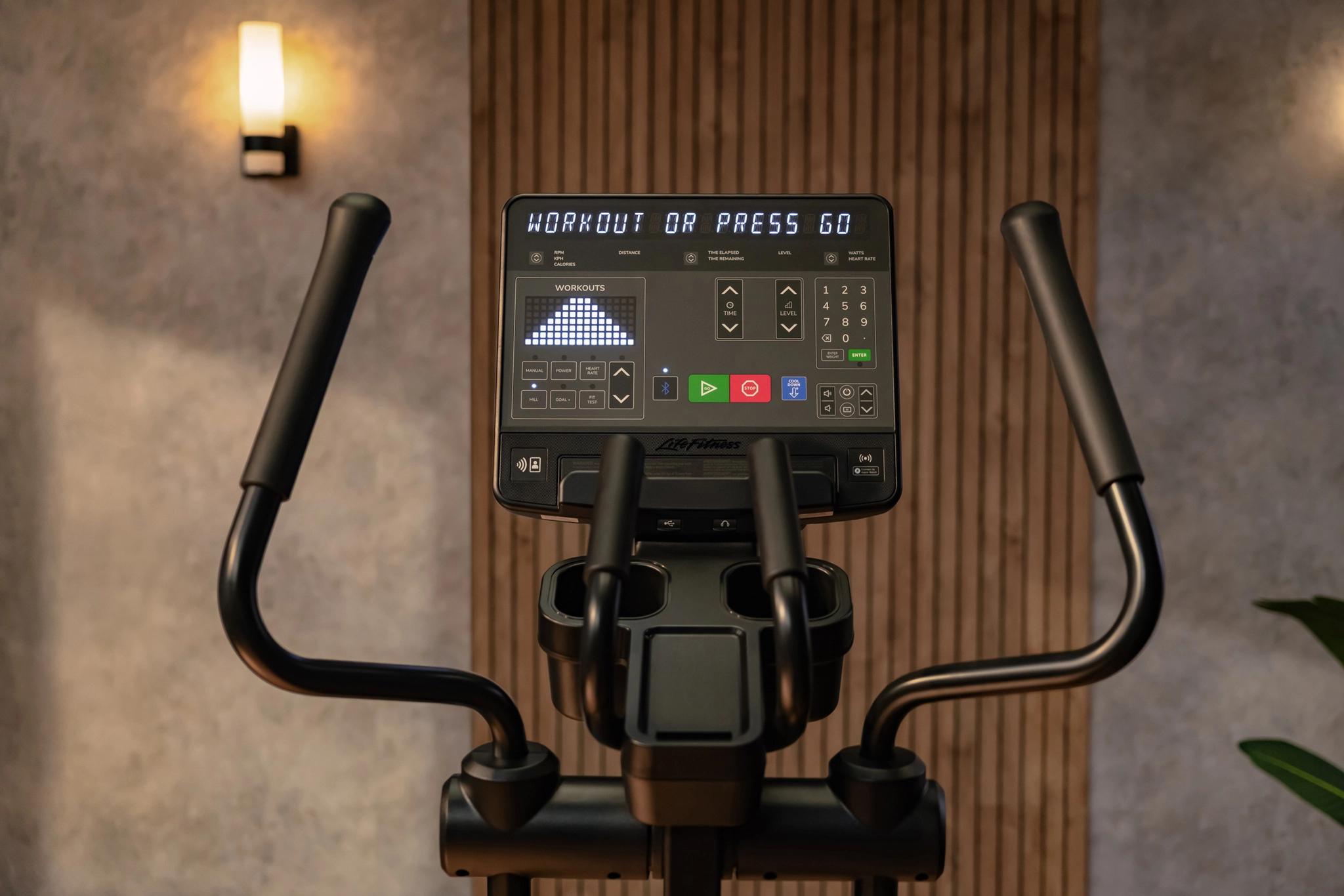
SL Console on Atmos Elliptical

The SL Console is intentionally designed to be:

  • Simple and intuitive for a wide range of fitness levels
  • Easy for guests to understand without explanation
  • Reliable in high-use environments with minimal oversight

By focusing on essential workout feedback and a familiar interface, SL removes barriers to use while supporting consistent performance day after day. It’s an ideal option for properties that want a no-nonsense, dependable console that aligns with brand standards and supports efficient operations.

Built-In Operational Confidence—Across Both Options

Behind the guest-facing experience, both SE4 and SL consoles are engineered to support hotel teams.

With Facility Connect, operators gain:

  • Centralized equipment management
  • Streamlined software updates
  • Insight into usage and performance
  • Proactive maintenance support

This reduces manual oversight, helps extend equipment lifespan, and enables smarter, data-informed decisions. This is especially important in fitness centers with limited equipment and high utilization.

Both console options are also designed for durability and low maintenance, helping protect capital investment and minimize downtime.

Why Console Choice Matters for Select Hotels

Select hotels don’t need one-size-fits-all solutions. They need options that align with:

  • Guest expectations
  • Brand requirements
  • Space constraints
  • Budget realities

By offering both SE4 and SL consoles on the Atmos cardio line, hotels can choose the experience that best supports their property. Whether that’s a more immersive, connected environment or a streamlined, efficient solution that simply works.

Either way, the result is the same: A fitness experience that feels intentional, reliable, and aligned with the quality your brand promises.

This reduces manual oversight, extends equipment lifespan, and supports data-driven decisions. All of which are critical in high-use, limited-equipment environments.

Add in a durable, low-maintenance design backed by a 3-year warranty, and our SE4 console delivers the reliability your hotel needs with the guest experience travelers expect.

Why It Matters for Select Hotels

The Atmos cardio lineup solves the real challenges operators face:

  • Limited budgets that require long-term value
  • High utilization that demands durability
  • Brand standards that require approved, future-ready solutions
  • Guests who expect modern, connected experiences everywhere they go

Our Atmos cardio equipment line will not overcomplicate the fitness center. It elevates it, delivering a premium feel, reliable performance, and operational peace of mind in one smart investment.

Guest Experience That Immediately Signals Quality

Atmos features a clean, modern design and intuitive digital interface that mirrors what guests expect from premium fitness environments. It doesn’t require an explanation. Guests know how to use it and feel confident doing so.

That confidence translates directly into satisfaction.

Small Footprint, High Impact

Select hotels don’t have space to waste. Atmos is engineered to maximize performance without overwhelming the room. This allows your operators to create a cohesive cardio zone that looks intentional, not improvised.

Quiet, Reliable, Low-Friction

Hotels don’t just need cardio equipment that performs; they need equipment that performs without creating operational noise. Our new Atmos line is built for reliability and ease of maintenance, reducing downtime and service disruptions that frustrate both guests and staff.

A Visual Upgrade That Pays for Itself

Guests may not comment when fitness is acceptable, but they absolutely comment when it’s elevated. A refreshed cardio lineup becomes a review multiplier.

“Better gym than expected” 

“Surprisingly great fitness center” 

“Actually enjoyed working out here”

Those moments influence booking decisions long after checkout.

From Checkbox to Competitive Advantage

Select hotels won’t win by adding more amenities. The win by making the right amenities work harder.

Upgrading cardio isn’t about chasing trends. It’s about aligning with how guests actually choose hotels today. Fitness has become a loyalty driver, a satisfaction lever, and a differentiator hiding in plain sight.

That’s why the most effective fitness investments aren’t complex or experimental; they’re decisive.

The Real Question: Why Wait?

For hotels already considering a refresh, the decision isn’t whether to act. It’s when.

Every month with underperforming fitness equipment is a month of:

  • Missed positive reviews
  • Unremarkable guest experiences
  • Lost differentiation against similar properties

Atmos offers a clear, low-friction path forward: a cardio lineup designed for modern guest expectations, Select hotel realities, and fast returns.

Source: https://www.lifefitness.com/en-us/customer-support/education-hub/blog/the-select-hotel-advantage
Share

What You Really Need in Your Home Gym

Since the pandemic, when many gyms were forced to close, interest in home gyms has grown rapidly — and it shows no signs of slowing down.

At Eleiko, we see it every day. Customers are building training spaces in garages, basements, and even dedicated “gym spaces” in their gardens.

But no matter the size, a great home gym isn’t about how much equipment you can fit — it’s about how well that equipment supports you and your training.

Start with your goal, not the equipment

The first step is to think about what you want to do in your gym. Are you into powerlifting, weightlifting, functional training, or a mix of all three? The type of training you enjoy most should guide how you plan your space. For many, free weights are the most versatile option — they take up little space yet offer endless possibilities.

Put the barbell at the center

Once you know your goals, the next step is to consider how much room you have. Surprisingly small areas can become fully functional home gyms. A closet, a corner of the garage, or part of a basement can be enough with the right plan. Start with the barbell. It’s often the largest piece of equipment, both in length and height, especially if you lift overhead. Build your gym around the barbell to create a logical setup and make the most of your available space.

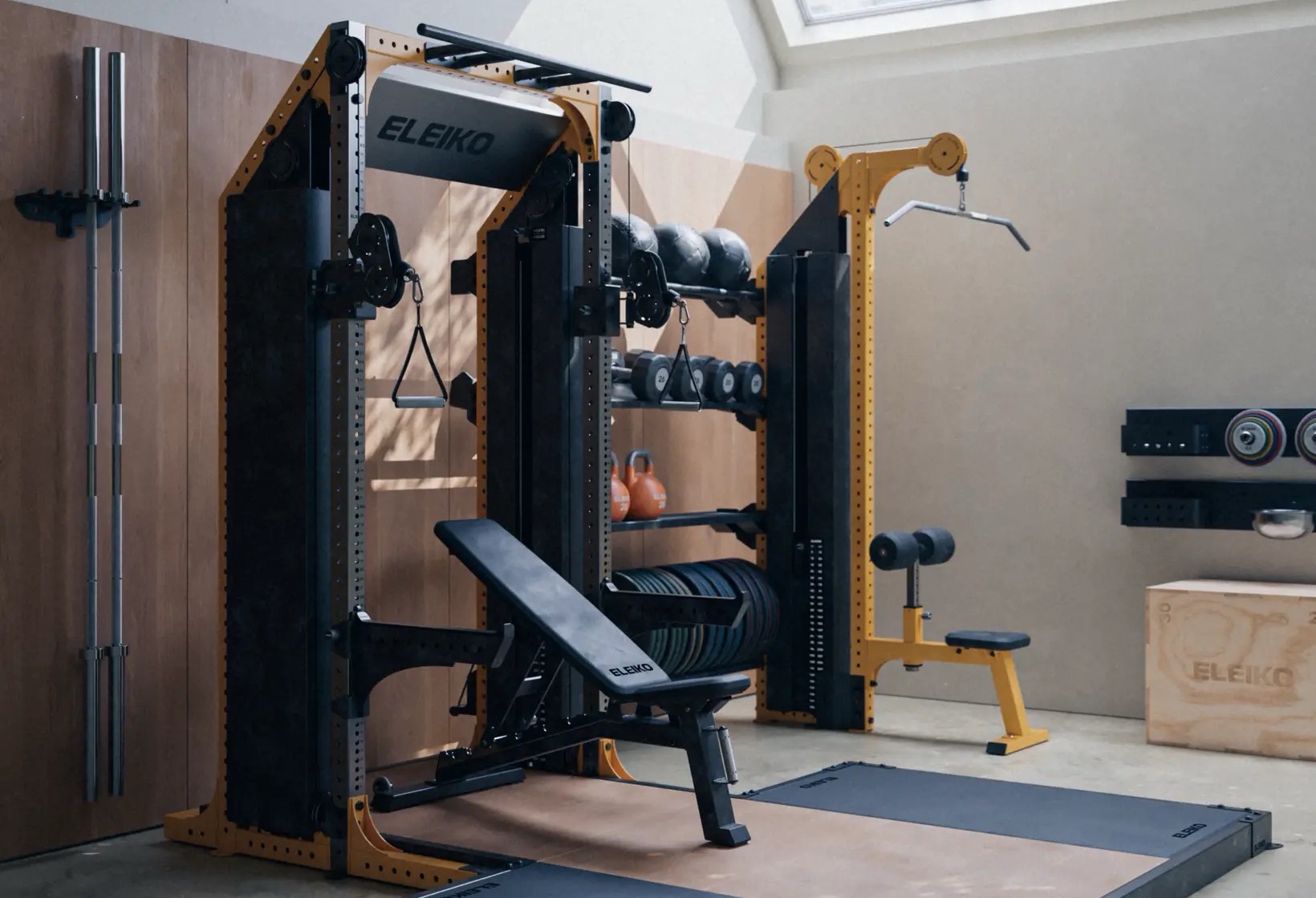
The half rack — the heart of the home gym

A half rack is hard to beat when you want to train effectively in limited space. It’s stable, safe, and provides everything you need for the main lifts while taking up far less room than a full power rack.

Many choose a power rack for the added safety of enclosed lifting, but modern half racks offer similar protection through adjustable safety arms, letting you lift confidently even when training alone.

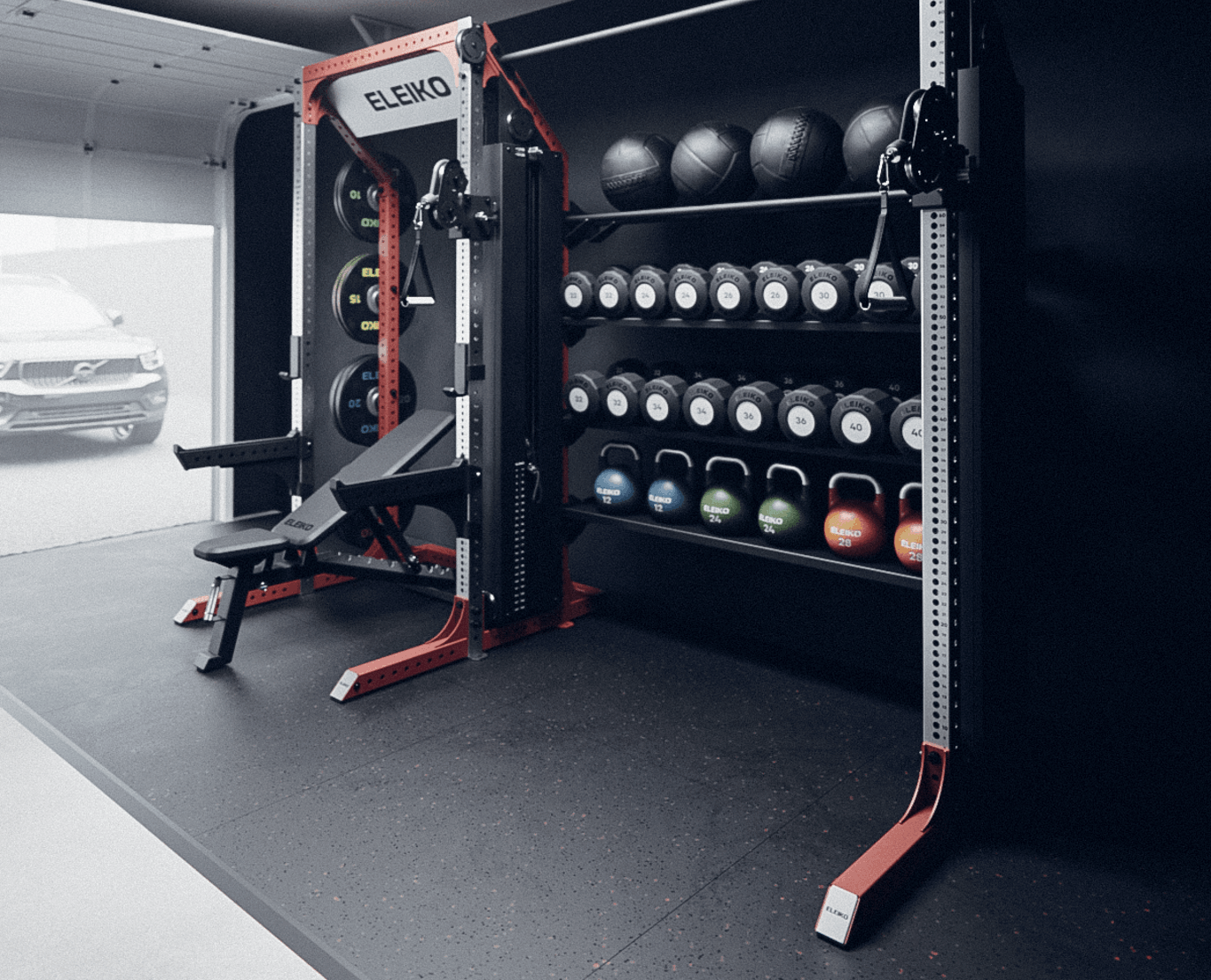
With the Eleiko Prestera System, you can integrate cables, storage, and accessories into one setup. The result is a gym that feels well thought out and professional, even in a compact area.

The floor — the unsung hero

A good floor might be the most underrated part of any home gym. It protects your home, reduces noise, and improves the feel of every lift. Eleiko modular flooring tiles are easy to install, clean, and move if you relocate. They can also be arranged in different patterns — brick or straight — to create a refined and cohesive look.

Stay organized, stay motivated

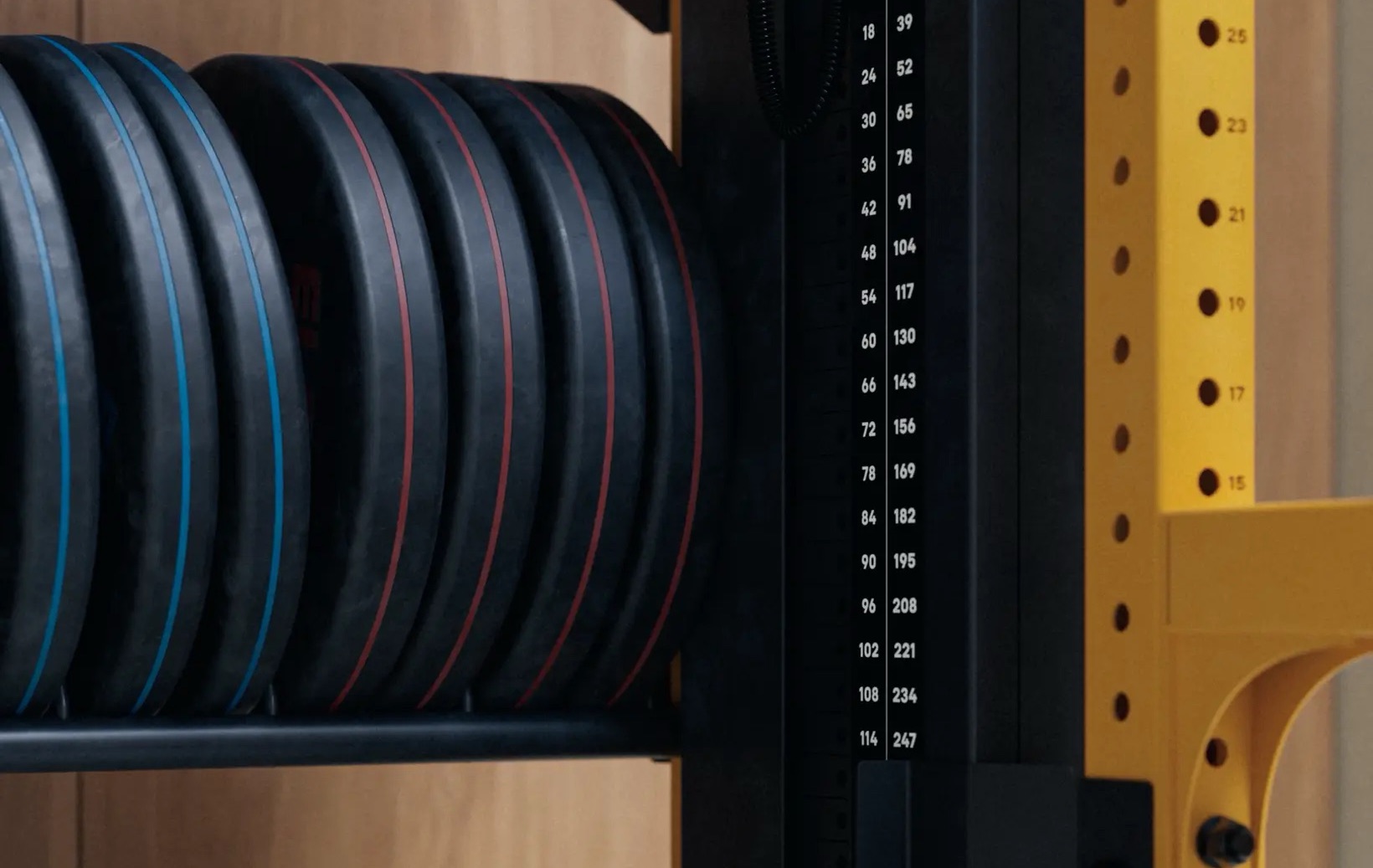
A tidy gym is a gym you’ll want to use. Wall-mounted storage keeps weights, kettlebells, and accessories off the floor and frees up space. It not only makes cleaning easier but also ensures your gym looks like a gym — not a storage room.

Think long term

When you build your home gym, think beyond the latest trends. Choose equipment that will last for decades, not just seasons. Trends come and go, but free weights, barbells, and solid racks have stood the test of time — trusted by athletes and everyday lifters alike. Quality is for many the smartest investment, especially when your gear is used week after week, year after year.

“The bitterness of poor quality remains long after the sweetness of low price is forgotten.” — Benjamin Franklin

“Buy once, lift forever.” — As one Eleiko home gym customer put it.

Get help visualizing your space

Building a home gym can feel overwhelming, which is why Eleiko offers free design consultations. Together with our strength experts, you’ll discuss your training style and receive 2D or 3D renderings of your setup, complete with a quote and installation plan. There’s no cost and no obligation — just a chance to see how your gym could look before making any decisions.

Small steps, big lifts

You don’t need to buy everything at once. Start with the essentials — a half rack, a barbell, weights, and solid flooring — and let your gym grow with you. With the right plan, equipment, and vision, your home gym can become a place you’ll return to day after day.

Source: https://eleiko.com/en-us/stories/what-you-really-need-in-a-home-gym

Share

Building a Consistent and Sustainable Pilates Practice at Home

There’s a reason why it is called Pilates practice, and not Pilates perfect.

When it comes to movement, we’ve all felt the pressure to get it right, the perfect form, the routine, the flow. But Pilates isn’t about perfection but progression.

Whether you’re just starting your Pilates journey or have been practicing for years, what matters most isn’t how flawless your form looks on any given day. It’s your steady commitment to keep showing up, to keep learning, and to keep reconnecting with your body.

Why Consistency Matters More Than Intensity

You don’t need an hour-long workout or advanced equipment to build strength and awareness. A few minutes of focused movement practiced consistently can make a real difference.

Pilates meets you where you are. Some days you’ll feel aligned and strong; other days, your body might ask for slower, more restorative work. Each time you move with intention, you reinforce healthy patterns of alignment, breath, and control.

How to Build a Sustainable Home Pilates Routine

A consistent home practice doesn’t need to be complicated. It’s about finding what fits your life and making movement part of your rhythm. Clear a small space, roll out your mat, and keep a few favourite props nearby.

Tips to stay consistent:

  • Set time aside for two or three short sessions a week.
  • Choose a focus each month, like mobility, balance, or strength.
  • Reflect on how your body feels after each session instead of measuring progress by performance.
  • Track your sessions in a journal or app to celebrate small wins.
  • Pair Pilates with your routine, like morning coffee or evening wind-down, to make it habitual.

Over time, these small, mindful steps become part of your lifestyle and help you build strength that lasts.

How to Be Consistent with Your Pilates Practice at Home

Why Home Pilates Works

Practicing Pilates at home offers flexibility and freedom while keeping your goals within reach. Here are benefits of having a home studio:

  • Tailor each session to your fitness level and personal goals.
  • Convenient access making it easier to maintain a regular schedule.
  • A dedicated space supports focus and mindfulness.
  • Choosing your own props and equipment creates a well-rounded, personal workout experience.

Essential Pilates Equipment & Props for Your Home Studio

Start with the basics and expand as your practice grows. Here are five tools that will help you stay consistent and motivated:

  1.  V2 Max™ Reformer for full studio experience at home
  2. Pilates Mat offering cushion and spine support for floor exercises
  3. Non-Latex Flex-Band® to build strength and flexibility through resistance
  4. Toning Balls™ to tone your muscles and add intensity to upper-body work
  5. Mini Stability Ball™ supports balance and activates deep core muscles

Seek Connection & Guidance

Even when you practice at home, you’re never practicing alone. The beauty of the Pilates community lies in its shared knowledge and support. On-demand resources like Merrithew Connect™ offer thoughtful instruction from experts who understand that growth happens gradually, through attention and care.

So let go of perfect. Keep showing up. That’s where real progress begins.

FAQs

  1. How often should I practice Pilates at home?
    Aim for two to three sessions each week. Even 15 – 20 minutes of focused movement can make a lasting difference. Remember that consistency is key.
  2. What do I need to start a Pilates practice at home?
    A mat, comfortable clothing, and a few simple props like a Flex-Band, Toning Balls, or Mini Stability Ball are great starting points.
  3. What’s the best way to progress in my Pilates practice?
    Focus on small, steady improvements. Progress comes from mindful repetition, not rushing through harder exercises.
  4. How can I stay motivated to practice regularly?
    Set realistic goals, track how your body feels after each session, and explore on-demand platforms like Merrithew Connect to keep your routine engaging and varied.


Source: https://www.merrithew.com/blog/post/2025-11-13/building-a-consistent-and-sustainable-pilates-practice-at-home

Share