Strength Training for Women
The conversation around women and strength training has whiplashed in recent years from “lift light to get toned” to “lift heavy or it doesn’t count.” For operators, programming directors, and personal training leaders, the messaging shifts faster than the science actually warrants, and your female members are caught in the middle.
In this article, Luke Carlson — CEO of Discover Strength, Chair of the HFA Board of Directors, and a 25-year strength training practitioner — cuts through the noise. Drawing on quality research and decades of in-facility experience, Luke lays out what the evidence actually says about load, repetition ranges, and effort, and what it means for how your team should be programming and coaching one of the fastest-growing demographics in the industry.
For decades, women were told they should lift lighter weights and perform higher repetitions if they wanted to become “toned.” That message became so deeply embedded in the fitness industry that it was repeated everywhere: fitness magazines, university exercise science programs, and by nearly every personal trainer in the world.
Now the pendulum has swung in the opposite direction.
Today, women — especially menopausal women — are hearing a new message:
“You need to lift heavy – 12 reps with a moderate weight simply won’t cut it if your goal is strength, lean muscle, and bone health.”
Unfortunately, misinformation still dominates the conversation.
As coaches and personal trainers, we have a massive opportunity to position ourselves as experts and allies with our female clients and members, but it’s important that we understand that they’ve been marketed to and mislead.
The research on strength training for women is remarkably clear: women can lift light weights, moderate weights, or heavy weights and produce the exact same outcomes in muscle strength, muscle hypertrophy, and muscle size.
The long-standing belief that certain repetition ranges uniquely create “tone,” while other repetition ranges uniquely build muscle or strength, is largely unsupported by the evidence.
This matters because women deserve an evidence-based and empowering approach to exercise — not fear-based messaging from influencers, social media personalities, or pundits promoting rigid rules and unnecessary complexity. This represents an opportunity to position your gym, studio, or club as a voice of evidence-based reason in a sea of misinformation. Additionally, it makes the design and implementation of a strength training program simple (and perceived complexity is cited as a major barrier to strength training participation).
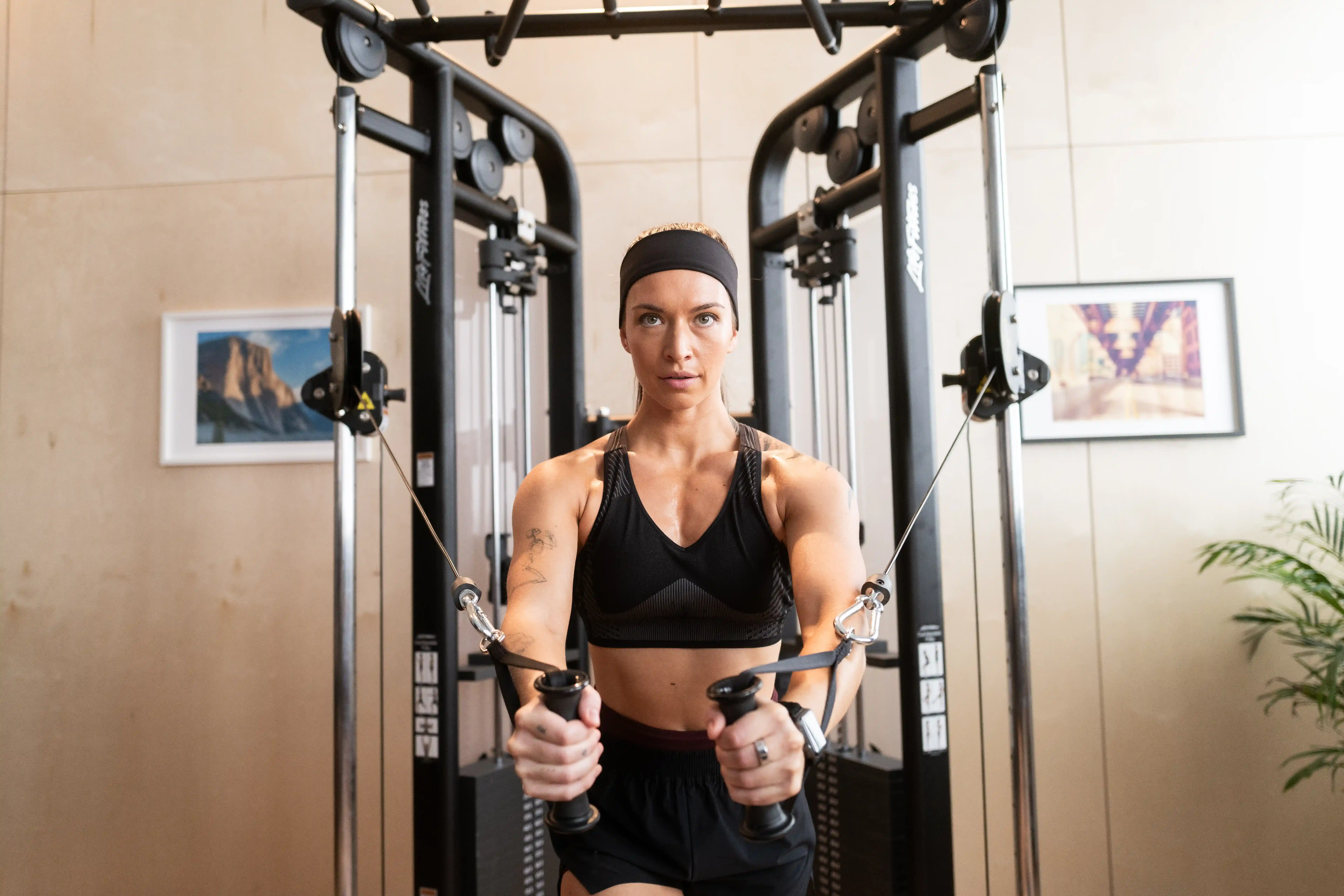
Here’s what the preponderance of research tells us:
- Women can improve strength and build muscle using a wide range of loads and repetition ranges.
- The most important variable is effort. Sets should be performed close to muscular failure or to momentary muscular failure.
- There are no magical exercises, machines, or training tools.
- Free weights and machines are both highly effective.
- Women build muscle through the same physiological mechanisms as men. The foundational principles of strength training are the same.
- Women do not need to “cycle sync” their workouts around the menstrual cycle to produce results. Instead of timing the workout for where one is in the menstrual cycle, research indicates that a woman can simply plan the workout based on how she feels that day. The approach is individualized but isn’t based on menstrual cycle phase.
- Improvements in bone mineral density can occur with light, moderate, or heavier resistance training loads. A woman doesn’t need to lift a heavy weight to improve bone density, as was once assumed.
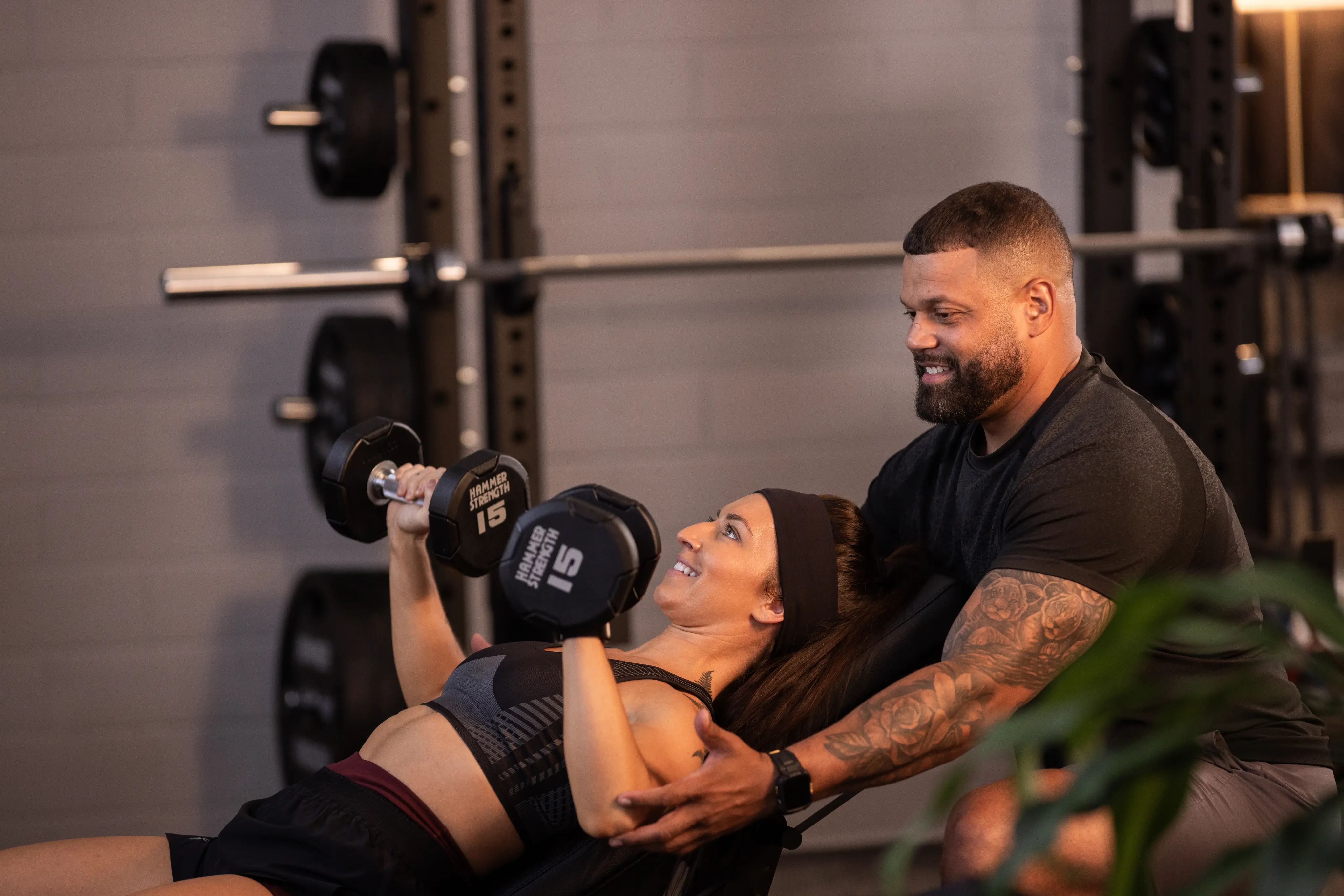
The implication is incredibly liberating.
Women do not need to fear lifting heavier weights. But they also do not need to believe that heavy lifting is the only effective approach.
What matters most is consistency, progressive effort, recovery, and participating in a strength training program that is safe, sustainable, and enjoyable enough to continue for decades.
Source: https://www.lifefitness.com/en-us/customer-support/education-hub/blog/strength-training-for-women-load-reps-research