5 reasons to add a Merrithew® Split-Pedal Stability Chair™ to your studio or clinic offering
Magda Boulay, a physical therapist, STOTT PILATES® Certified Instructor and owner of P.ilaT.es Physical Therapy & Pilates in Oakland, California, has been using the Merrithew® Split-Pedal Stability Chair™ at her studio and clinic for three years.
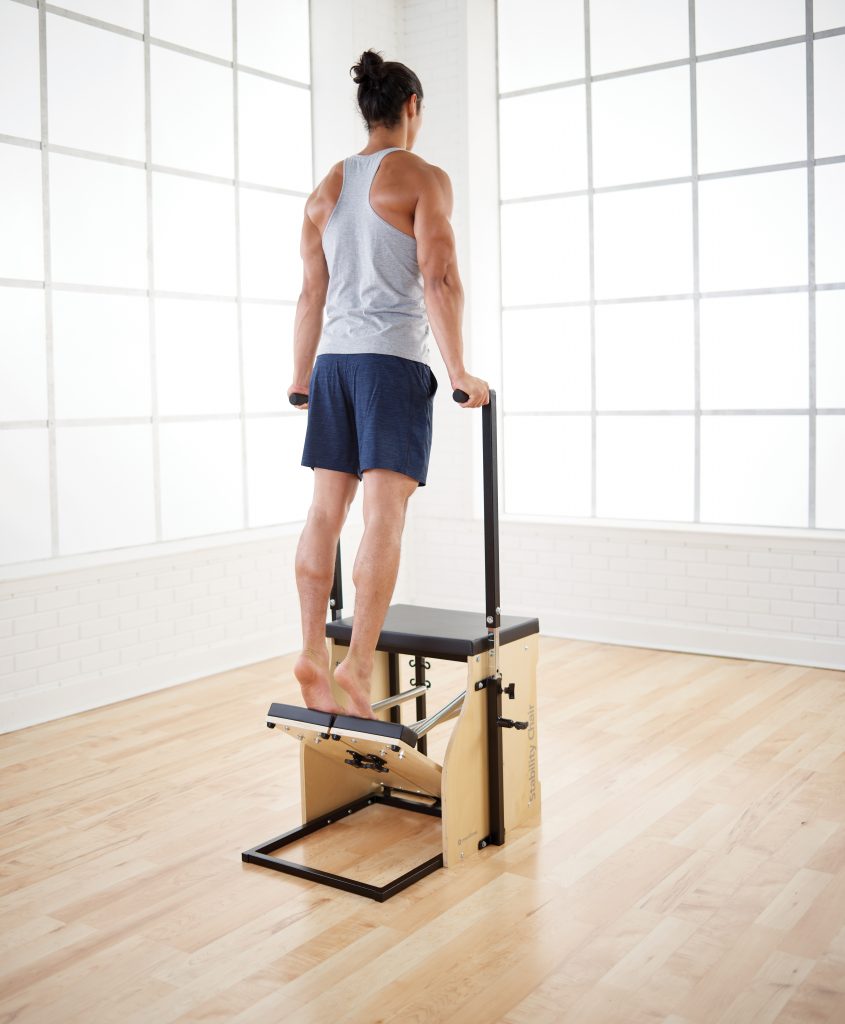
“The Split-Pedal Stability Chair is good for all types of clients. It is so versatile, and it also has unique properties making it different when compared to other types of Pilates equipment. In terms of daily activity, many of the Stability Chair exercises can be performed in functional positions, such as sitting or standing. It provides many great balance challenges for people of varying capabilities,” she says.
Here are five reasons why the Stability Chair is an excellent addition to any clinic or studio offering.
1. Accommodates clients with mobility challenges and rehab needs – including pregnant women
The Stability Chair is an excellent tool for patients or clients who cannot lie on their backs or easily transition from supine to upright positions due to pain, breathing difficulties, injuries or other medical conditions. It can be used with pregnant women, clients with vertigo, select clients with hypotension, and those who struggle with transitions between different postures and positions.
“The Stability Chair can be used to challenge static sitting balance and posture for those who are deconditioned, or the elderly. Maintaining a neutral spine with gentle trunk perturbations while maintaining a steady seated position is a great static challenge for rehab clients. For those who need it, there are arm handles that can be used for extra assistance, stability, and safety,” Magda says.
“When this exercise becomes less of a challenge, you can add in some light Footwork with the foot pedals in a limited range of motion, among other modifications. You can continue to layer upon this exercise in many ways to create additional challenges.”
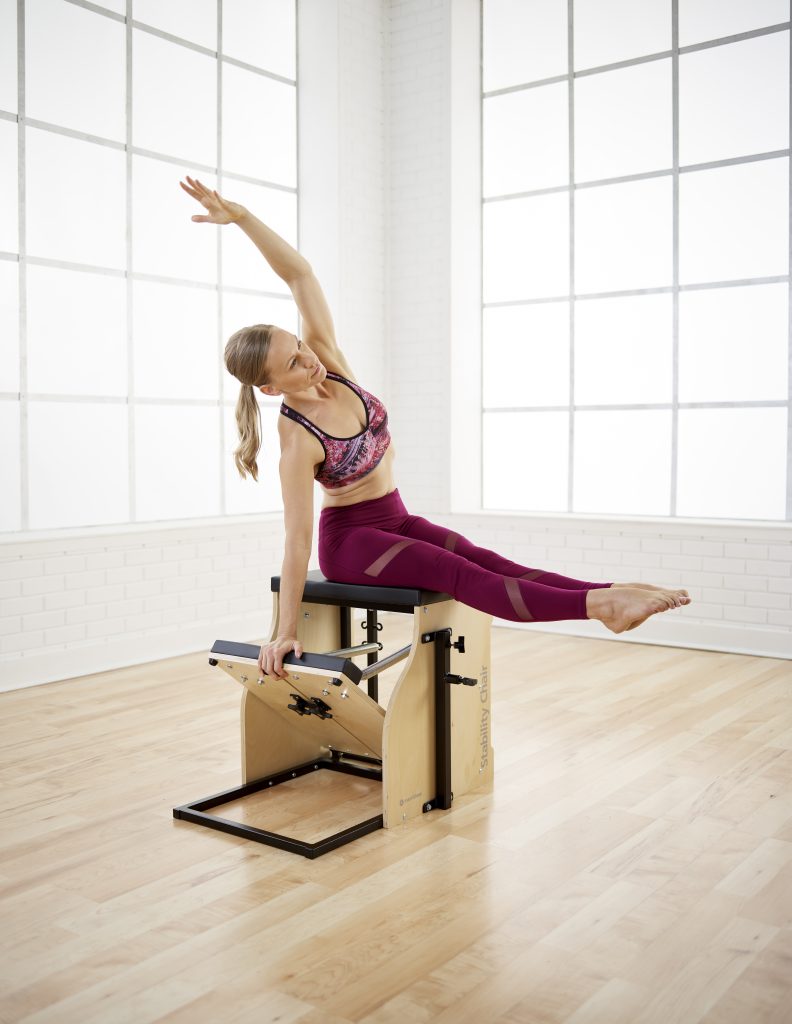
2. Challenges fit and active recreational and elite athletes
The Stability Chair can also be used to challenge clients who are extremely fit and active. Some advanced exercises, such as leg circles with just the arms supporting the body, require great muscular endurance and strength.
“This is a very impressive, gymnastics-like exercise that’s reminiscent of gymnastics ring-work. It is an intense challenge for the lower abdominals and upper arm and shoulder stability,” Magda says.
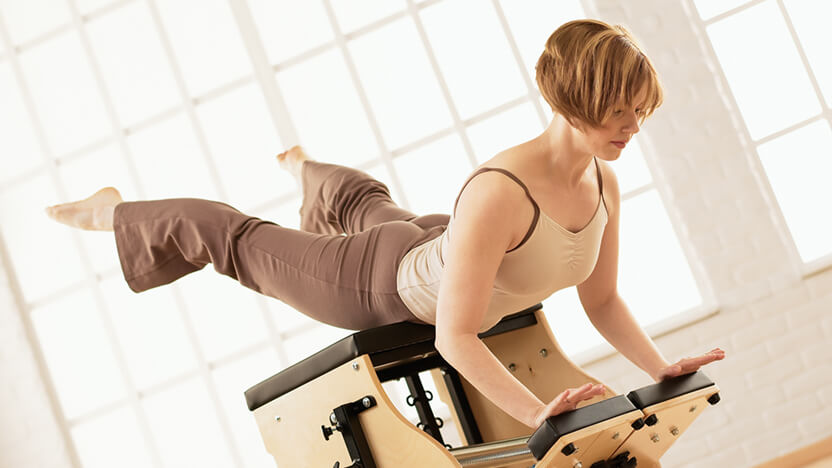
In addition to sitting and standing exercises, the Stability Chair can also be used for performing exercises in prone positions. With the Stability Chair’s smaller mat surface area, exercises in prone can increase the challenge to the transverse abdominis and the other abdominal muscles, while also strengthening the erector spinae and other critical spinal muscles.
“These muscles help maintain an upright body position, counteracting many people’s tendency to slump or slouch forward during the day. In addition, weight bearing through the arms is a great way to strengthen the shoulder stabilizers in prone while pushing through the pedals.”
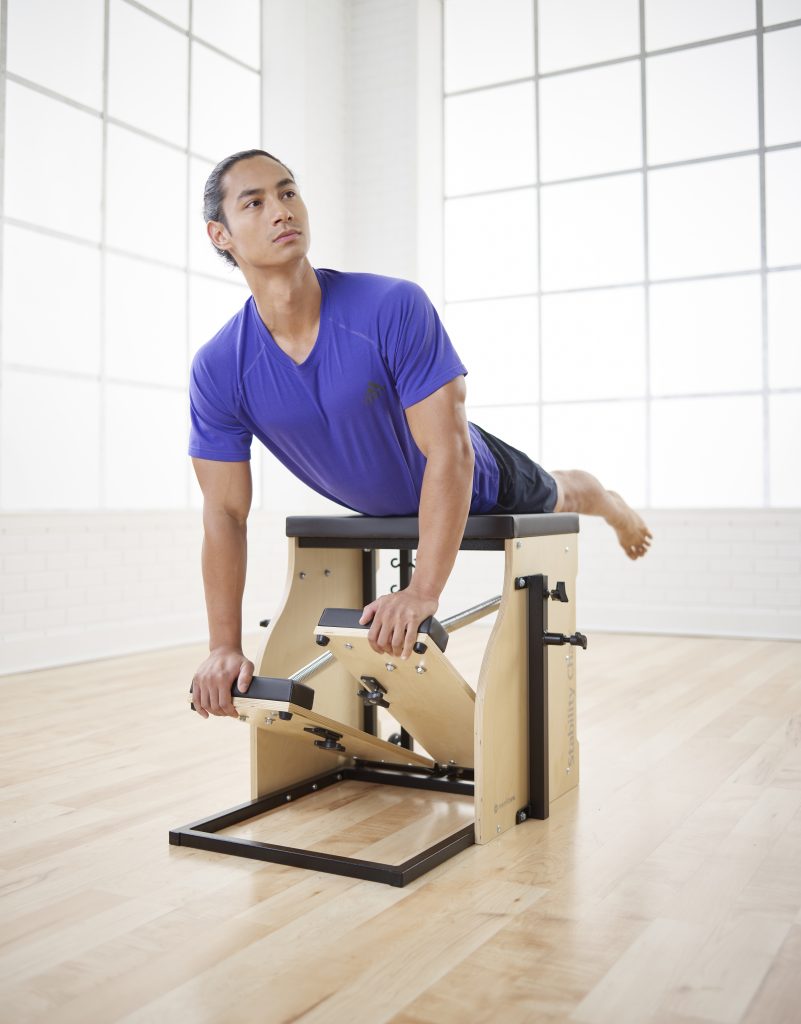
3. Provides hundreds of functional exercise options to add to your clients’ workout routines
The versatility and adaptability of the Stability Chair allows instructors and studio owners to diversify their clients’ workout routines with hundreds of new exercise options. Instructors can easily create chair programming that matches their clients’ skillset, fitness or rehab needs, and personal goals.
“There are so many fun variations one can try when instructing clients on the Stability Chair. For fun, I like to get the client to sit on the unstable surface of a Stability Cushion™ on top of the Stability Chair. It is a great way to amp up the dynamic challenge on the transverse abdominis and other core stabilizing abdominal muscles when performing exercises such as Footwork using a single or split pedal option. I truly love the Stability Chair for the way its unique exercises and positions complement the other Pilates exercises on equipment such as the Reformer and Cadillac,” Magda says.
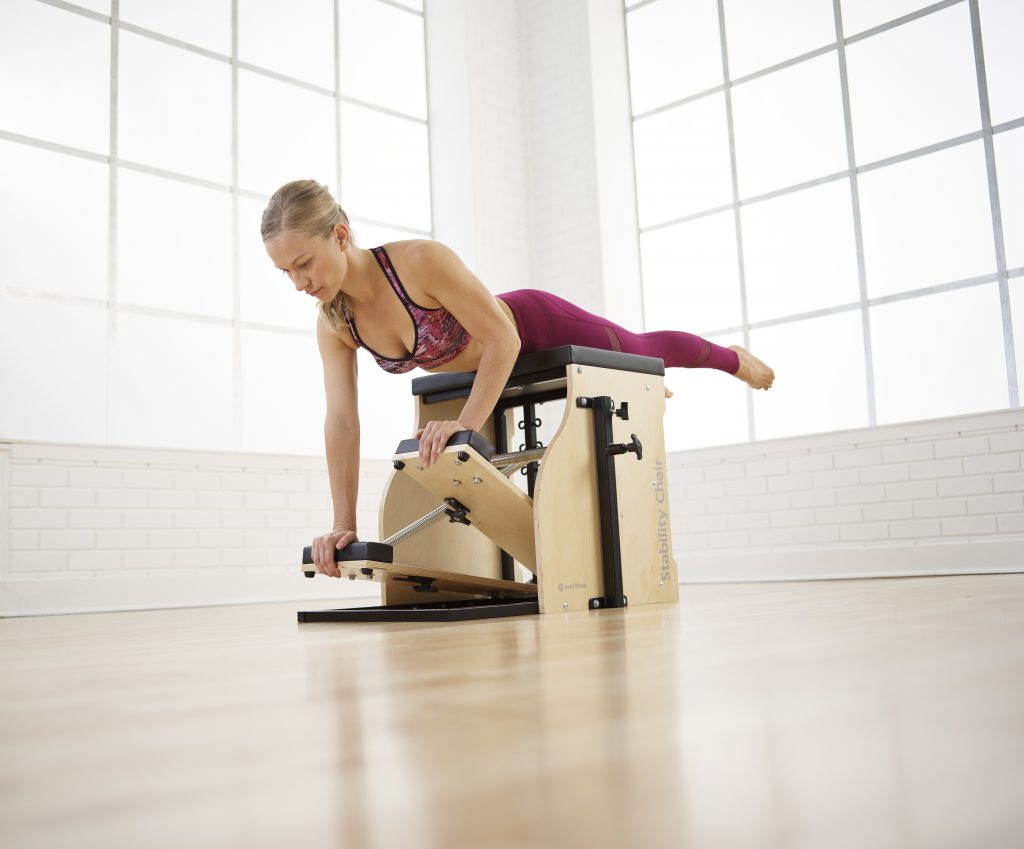
4. Compact and portable for multi-use facilities, small studios and at-home gyms
With its small footprint, the Stability Chair is ideal for at-home gyms and boutique studios, or multi-use gyms and recreational facilities. With its easy-roll wheels, the Stability Chair can be quickly repositioned and moved away when not needed.
Use the Stability Chair to complement your clients’ training on the Reformer or Cadillac, or on its own to challenge the body in hundreds of ways, while progressing clients safely and effectively from rehabilitation and essential-level to intermediate and advanced-level exercises.
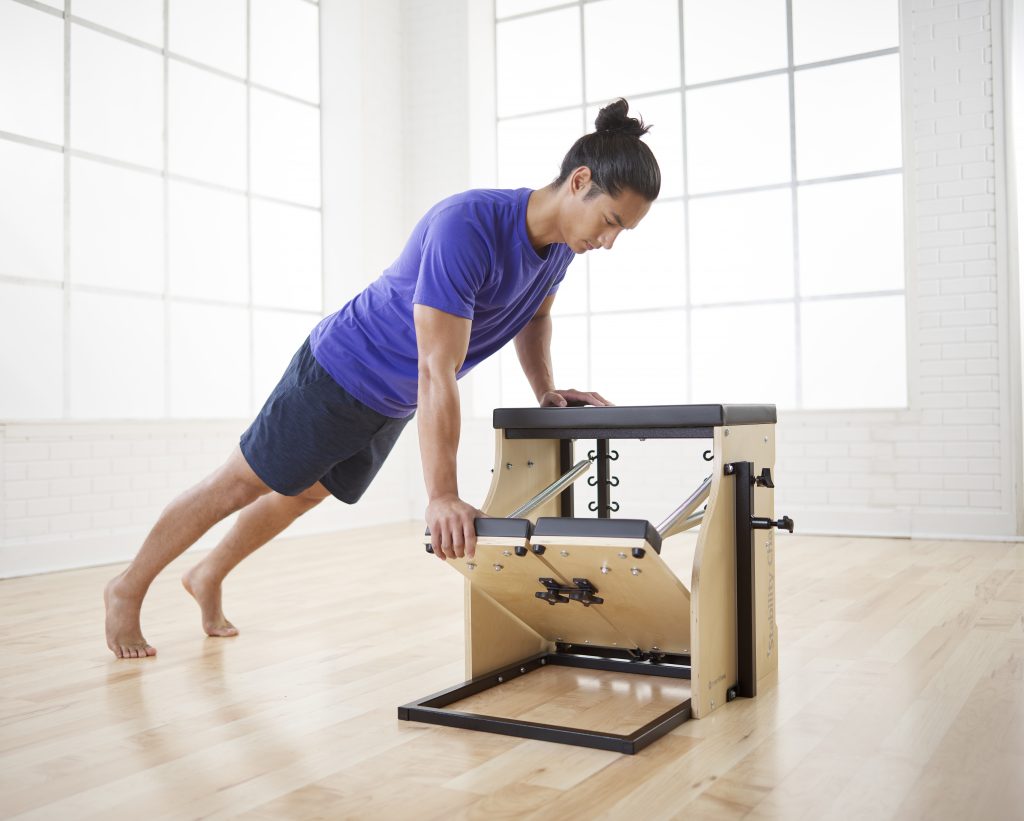
5. Improves mind-body awareness, postural habits and functional movement for everyday life
The Stability Chair is a great tool for improving proprioception and correcting clients’ poor postural habits, Magda says.
“I like to cue people to return to their ‘neutral spine’ alignment every time they return to the starting exercise position to help retrain the client’s nervous system and help them understand where ‘neutral spine’ is when they are sitting or standing. This is a great way to help correct poor postural habits and movement patterns that clients may be doing all day long, which can lead to dysfunction and ultimately be a source of pain. Often, after performing these proprioception activities during our sessions, many clients later come back and have become more aware of how often they assume poor postural positioning during the day,” Magda says.
Shop the Split-Pedal Stability Chair Now!
Source: https://www.merrithew.com/blog/post/2020-10-16/5-reasons-to-add-a-merrithew-split-pedal-stability-chair-to-your-studio-or-clinic-offering