The Five Laws of Creating a Great Fitness Experience
Customer experience is one of the hottest topics in the fitness industry.
Throughout the sector, health clubs recognise that to win new members – converting them first into fans, and then into advocates – every aspect of the gym experience needs to be meaningfully tailored to their needs. Even when the user is not yet sure what those needs might be.
Various studies have shown that, overwhelmingly, customers are willing to pay higher prices if they feel valued and cared for.
Therefore, the fitness industry needs to purposely think about how to deliver meaningful customer experiences. Great experiences do not happen by chance. They happen because a company has a deep understanding of the customers’ needs and expectations, and has the right processes and culture to deliver that great experience.
The customer experience needs to be designed and prepared. In this process, it is useful to break down the experience into 5 key components for health club owners to think about.
THE ESSENTIAL COMPONENTS
The structure underpinning a great gym experience needs to consider the following:
The Product
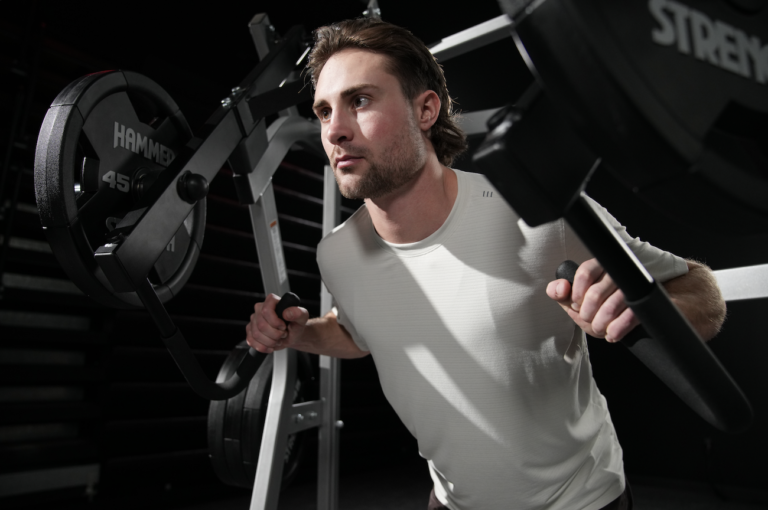
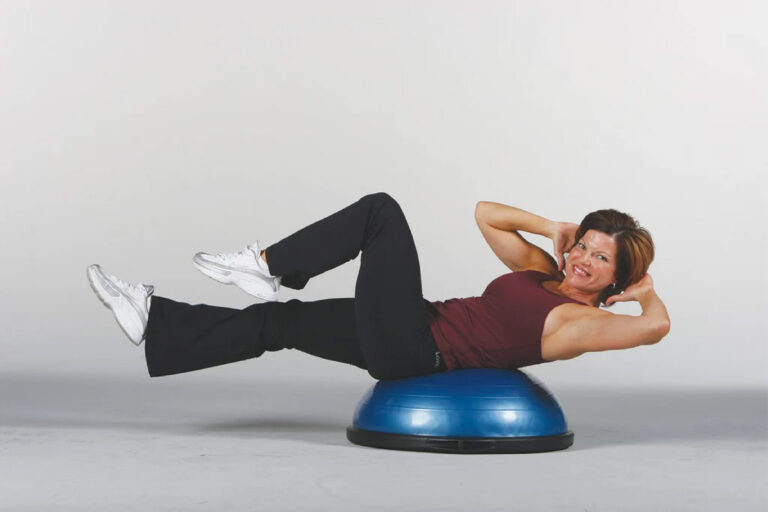
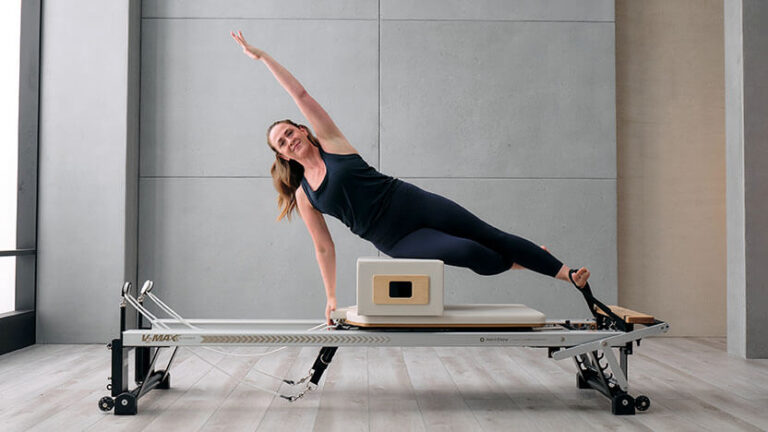
In the fitness industry, the product is the actual exercise methodology that the health club offers. It’s essential to tailor the product to the likely client base, understand your customer and their needs and offer them a unique and bespoke experience. This should incorporate the following:
- Exercise programs
- Routines
- Strategies to deliver specific outcomes
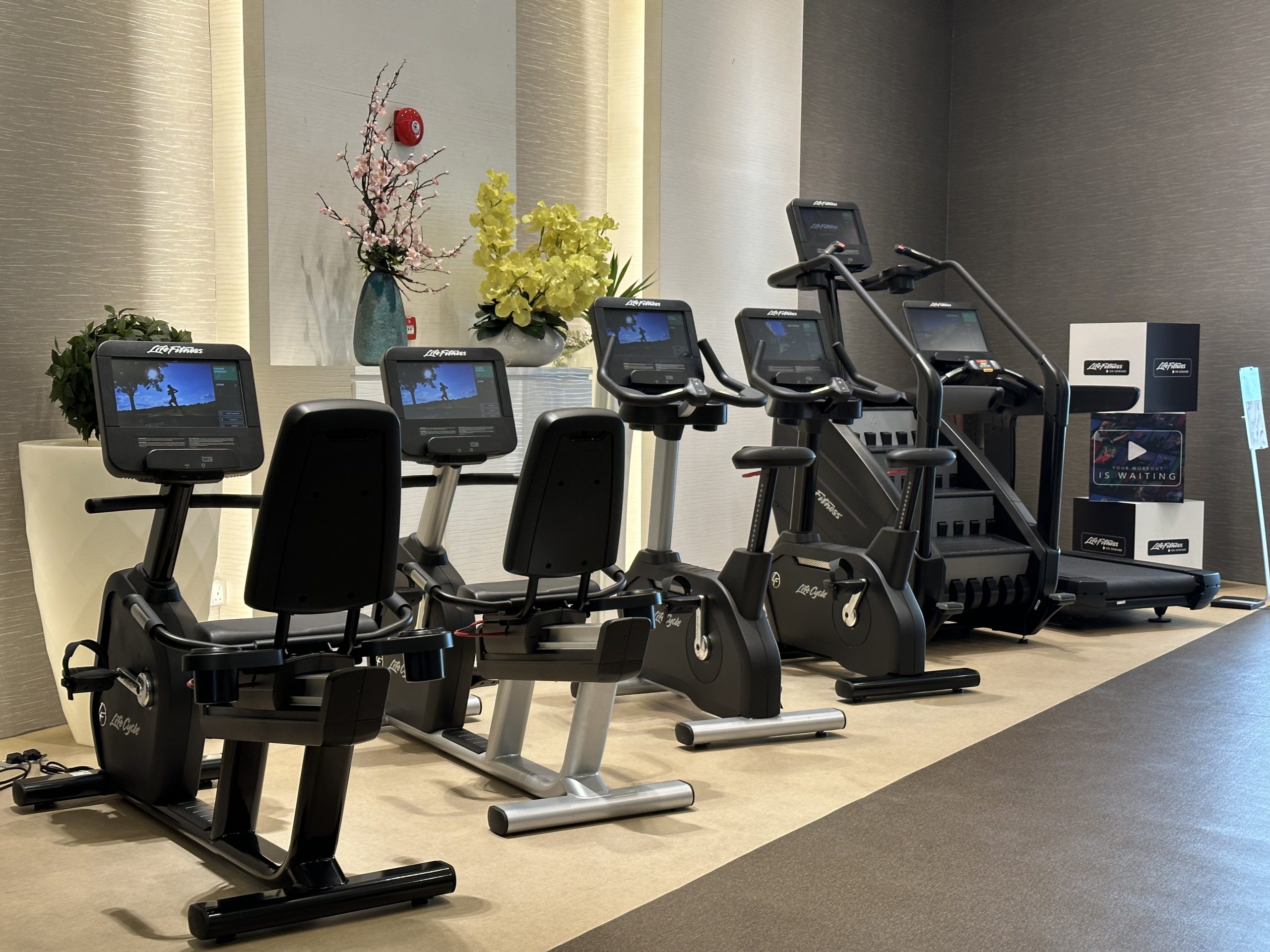
- Equipment that can support even the most demanding workouts.
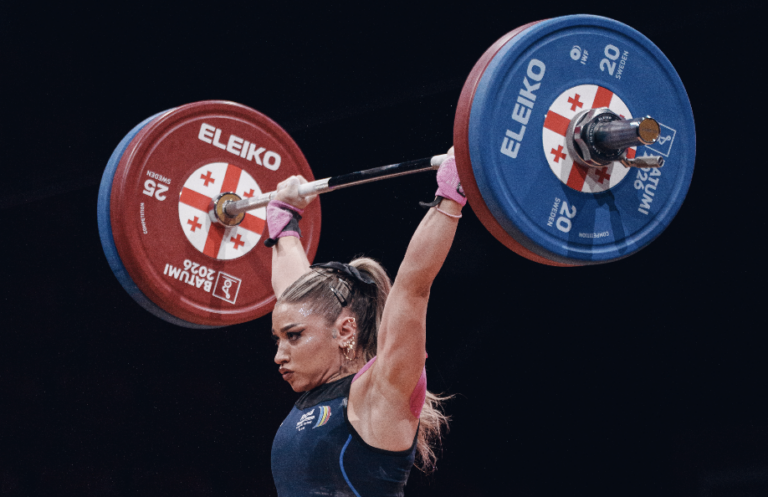
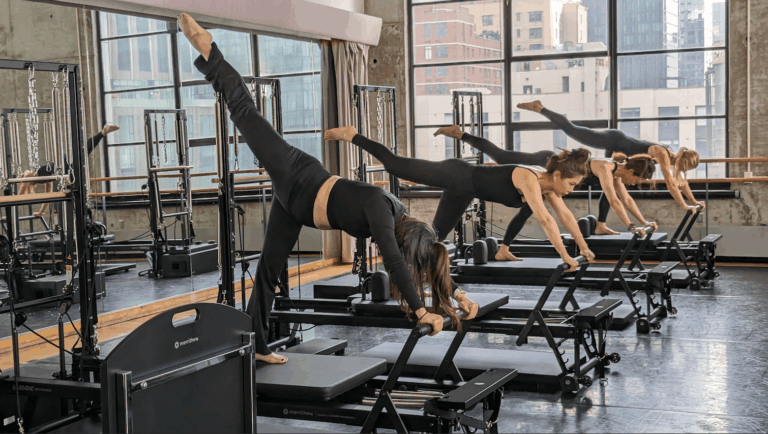
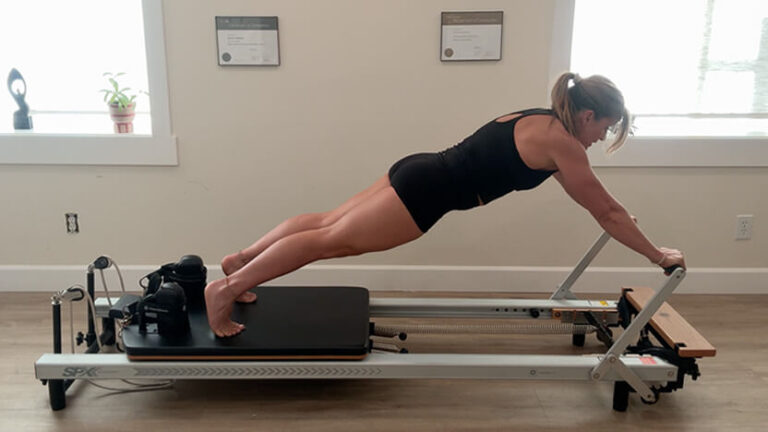
Refining the product is what creates the differences between a fit boxing boutique, a bodybuilding gym, or a traditional health club. It is the very first step to start planning the experience.
The Relationships
In a fitness centre, human connections exist between everyone taking part in the experience: between members, instructors, and staff. Relationships can even be created between the customer and the brand! Creating a strong social circle can be one of the best ways to improve member retention and increase motivation.
Therefore, the experience planning process needs to consider what type of relationships should happen in the health club. Should instructors proactively connect with members? Should the club organise activities to provoke member connections? Should the club stay on the side and let members create informal connections on their own? It all depends on the experience to be delivered for members.
There are certain questions gyms should be asking themselves:
- Should the club promote new connections? If so, how?
- What type of relationships do the members expect to have?
- How do you motivate people?
- Who is the authority during a workout?
- How frequently should you communicate with your members?

The Facility
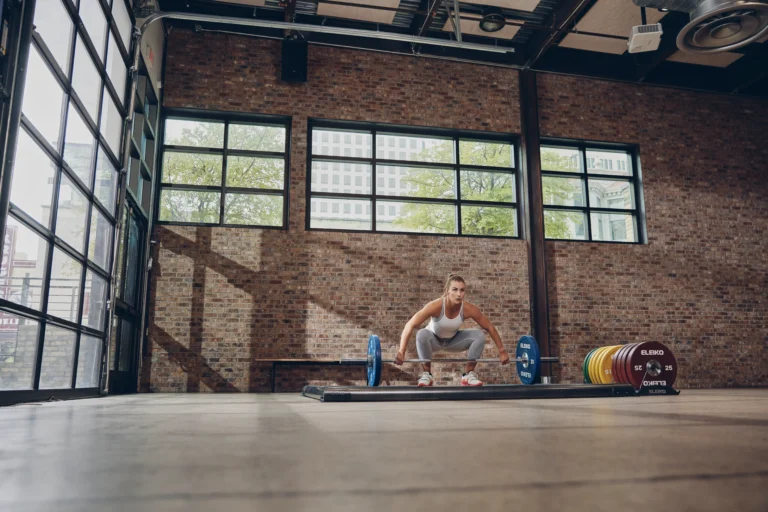
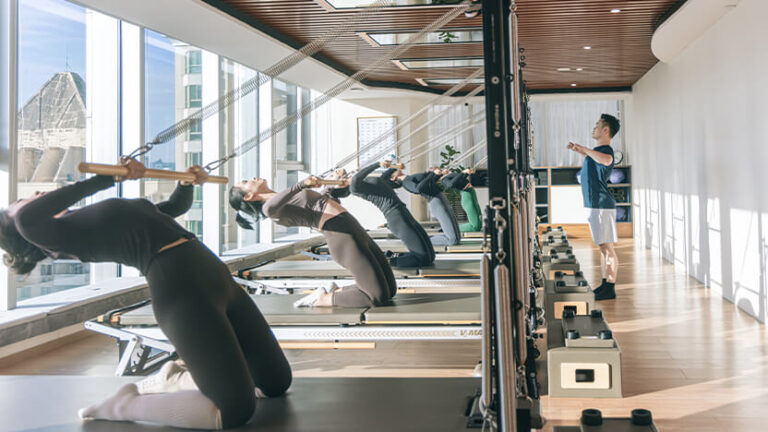
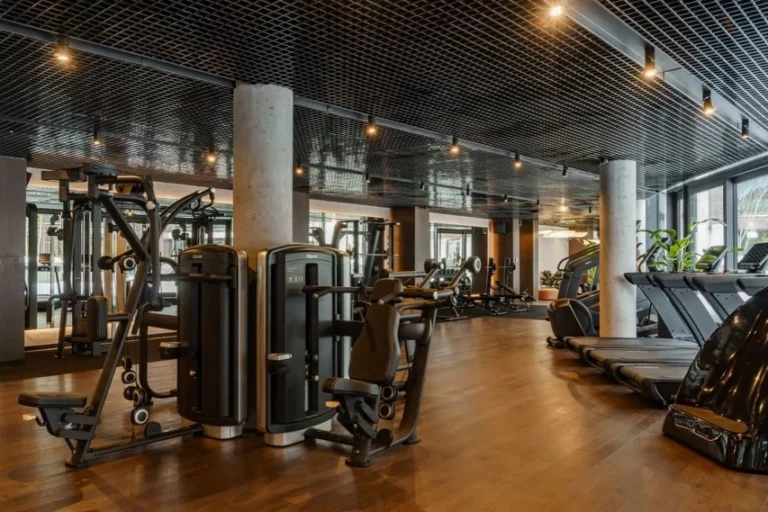
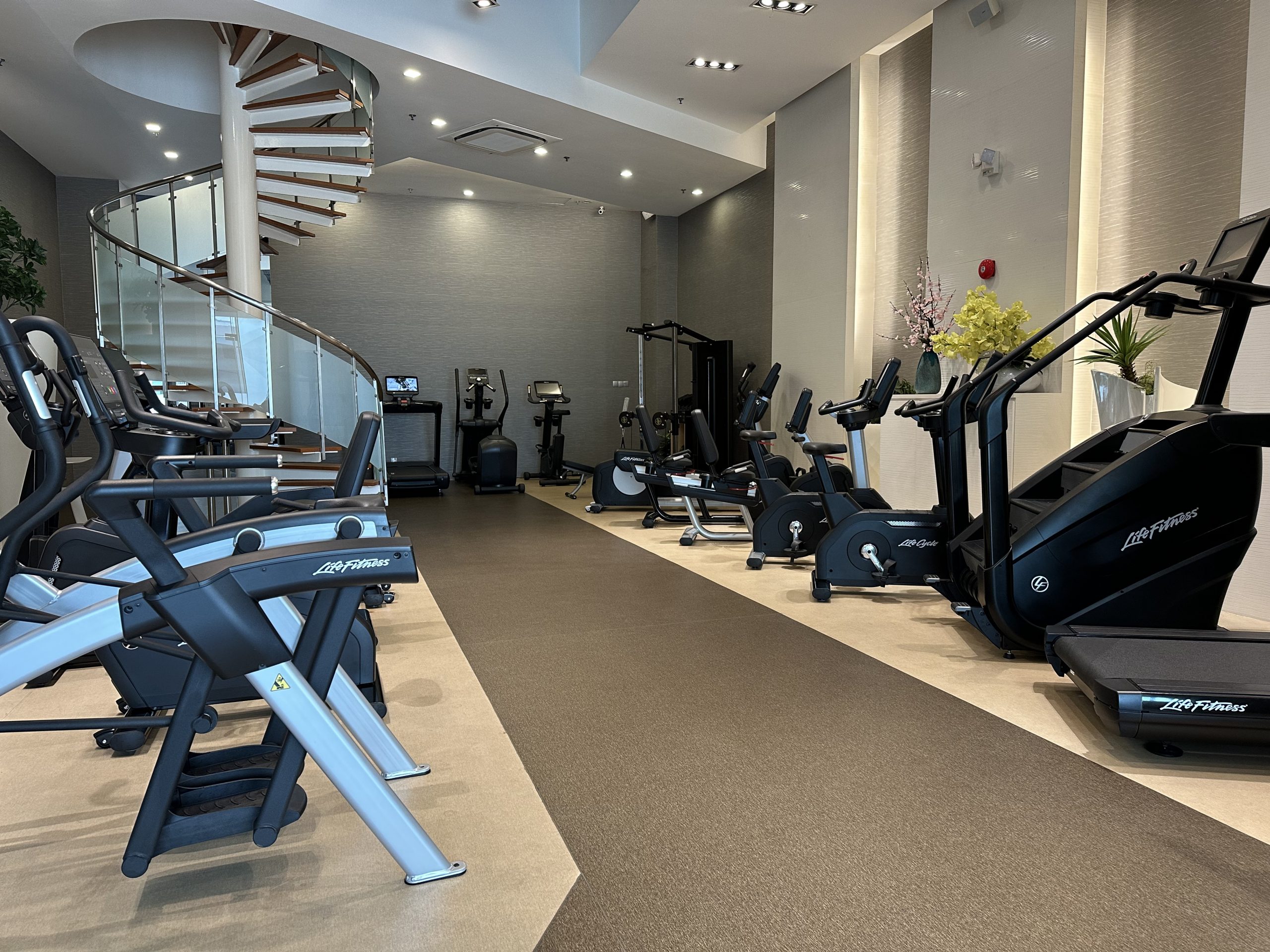
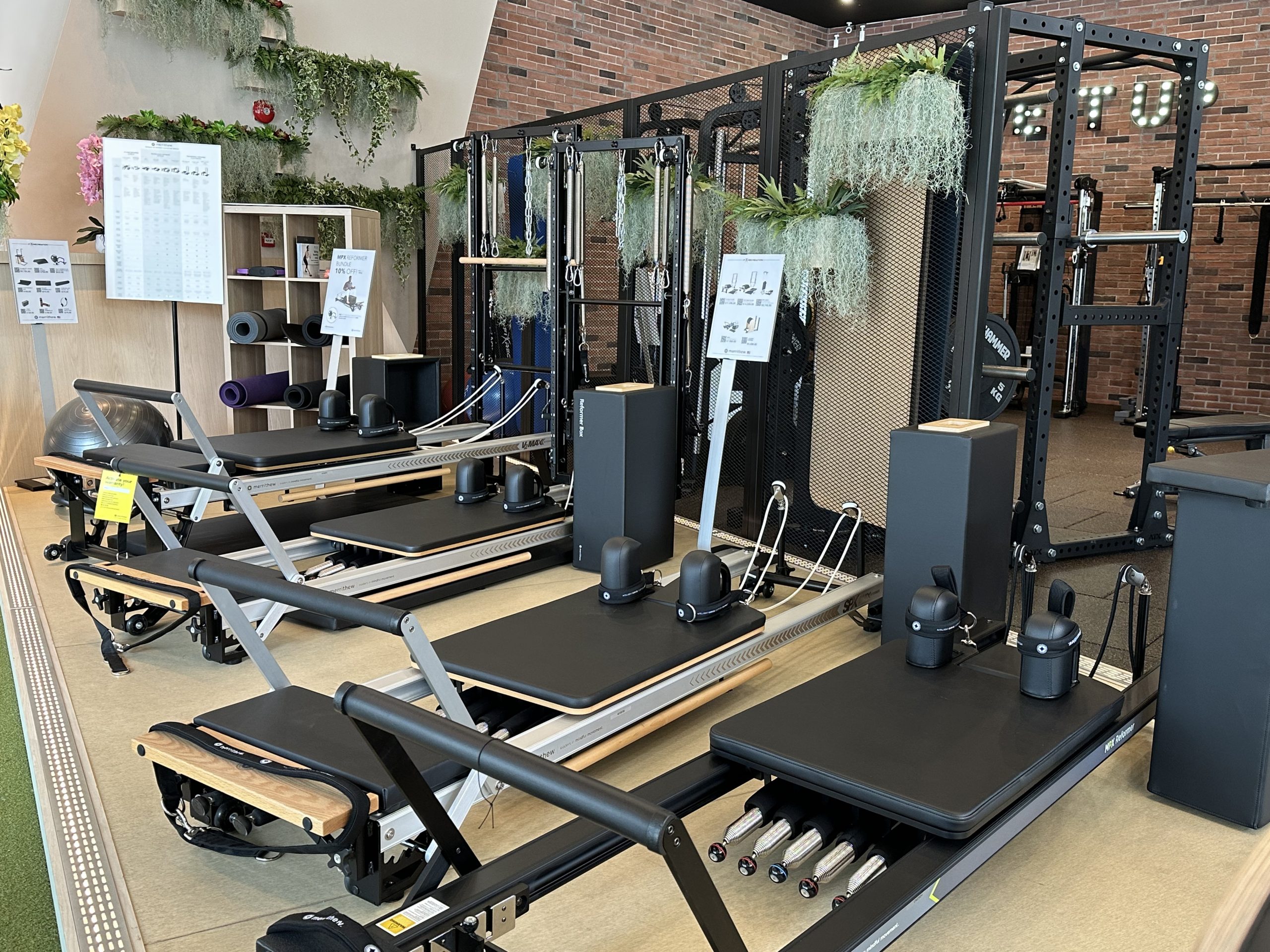
The facility is where the magic happens. Surroundings not only enhance mood but can also affect behaviour. The various spaces of a fitness centre need to be carefully designed to help deliver the experience along the member’s journey.
Designing a fitness space is a complex process that involves many decisions, from selecting the right equipment to having the right smell.
The smallest details can make a difference. A good starting point is to think about:
- What are the limitations in the space you have?
- What equipment should you be using?
- How should the equipment be placed?
- What type of lighting should you have?
- Should you have music?
- How will people move around the facility?
- How should the centre smell?
In today’s competitive world, design expectations are higher. While the best possible fitness equipment is a given if you want to attract and retain members, it’s also important to remember that people feel valued when their surroundings make them feel good. When designing the fitness space, having the right inspiration can take your idea to the next level.

The Processes
As we said, great experiences do not happen by chance. They depend on a series of carefully planned processes in which players from every level of a business take part.
In this key component of an experience, strategies, processes and company culture become the pillars of consistently delivering a good experience.
There are several things to think about when planning these processes.
- Does the company have the right culture?
- Do employees understand their contribution to the experience?
- Are there clear strategies to deliver the experiences?
- Does the company have the right feedback channels to understand which processes need improvement?
Doing a deep dive into your members’ preferences will not only reveal which processes are required but also what their expectations are.
For example, member onboarding is a well-known process for every fitness facility. However, there is not just a single way to deliver that. The perfect onboarding process for an advanced lifter might be very short: a small tour around the facility. But the perfect onboarding process for a newcomer might require a body composition analysis, followed by a personal training session and a 15-day follow-up to see how they are progressing.
The key to delivering the right experience is to understand member expectations and create processes based on them.
The Technology
Last but not least, technology is the fifth component of our fitness experience model. Technology refers to the tools, software and gadgets that enable all the other components to shine.
The right level of digitalisation will depend on the members’ preferences and expectations. There is no one-size-fits-all approach here. For example, a site may decide that to deliver their perfect experience, they need colour-changing lights, HR monitoring, and a member app to book classes. Modern digital tools are ideal to create new connections, motivate members or increase the operational efficiency of your site.
However, another site may decide that the perfect experience for their members is purely analogical and human-based, with very little technology that only facilitates a couple of processes (reservations and availability).
Technology needs to be applied with a clear purpose; it needs to be a means to an end.

IN CONCLUSION…
Deconstructing every fitness offering using these five components allows us to look at the gym experience in a more strategic way. By analysing each of the pillars, you can open new paths for innovation in, and improvements to, every aspect of the customer experience at your facility.
Source: https://www.lifefitness.com/en-us/blog/five-laws-of-fitness-experience-2255388