Is Pilates for Beginners? Everything You Need to Know to Get Started

Pilates has been transforming the way people move and feel for over a century. Once the secret training method of professional dancers, it’s now a mainstream mind-body workout practiced by millions worldwide.

Unlike traditional strength training, Pilates doesn’t rely on heavy weights. Instead, it uses spring-based resistance to create strength through stability. Over time, it improves flexibility, coordination, posture, and body awareness, helping you move more efficiently in everything you do.

“Pilates helps you develop body awareness, and a greater understanding of how the body moves.” says Merrithew® Master Instructor Trainer Laureen DuBeau. “It’s not just about getting fitter, it’s about learning to move better.”

Why Pilates Is Perfect for Beginners

Pilates was originally developed by Joseph Pilates in the early 20th century as a method of rehabilitation. While working with injured soldiers and dancers, he designed exercises and equipment that helped rebuild strength, mobility, and balance through controlled movement and mindful breathing.

That restorative foundation remains at the heart of Pilates today. With its focus on alignment, stability, and controlled resistance, Pilates is one of the safest and most adaptable exercise methods for people of all ages and fitness levels. It’s gentle on the joints yet incredibly effective for developing strength and improving functional movement.

Benefits of Pilates for Beginners include:

  • Improved core strength and stability
  • Better posture and balance
  • Increased flexibility and mobility
  • Reduced stress and tension through mindful breathing
  • Enhanced body awareness and confidence

Pilates also pairs beautifully with strength training to create a balanced, powerful body. It builds stability, mobility, and precision, while strength training develops muscle and endurance. Together, they enhance performance, efficiency, and resilience across every form of movement — both inside and outside the studio.

Mat vs. Reformer Pilates: What’s the Difference?

Mat vs. Reformer Pilates: What’s the Difference?

Let’s get one thing straight, they’re not competitors. They work together to strengthen your body, improve mobility, and deepen the mind-body connection.

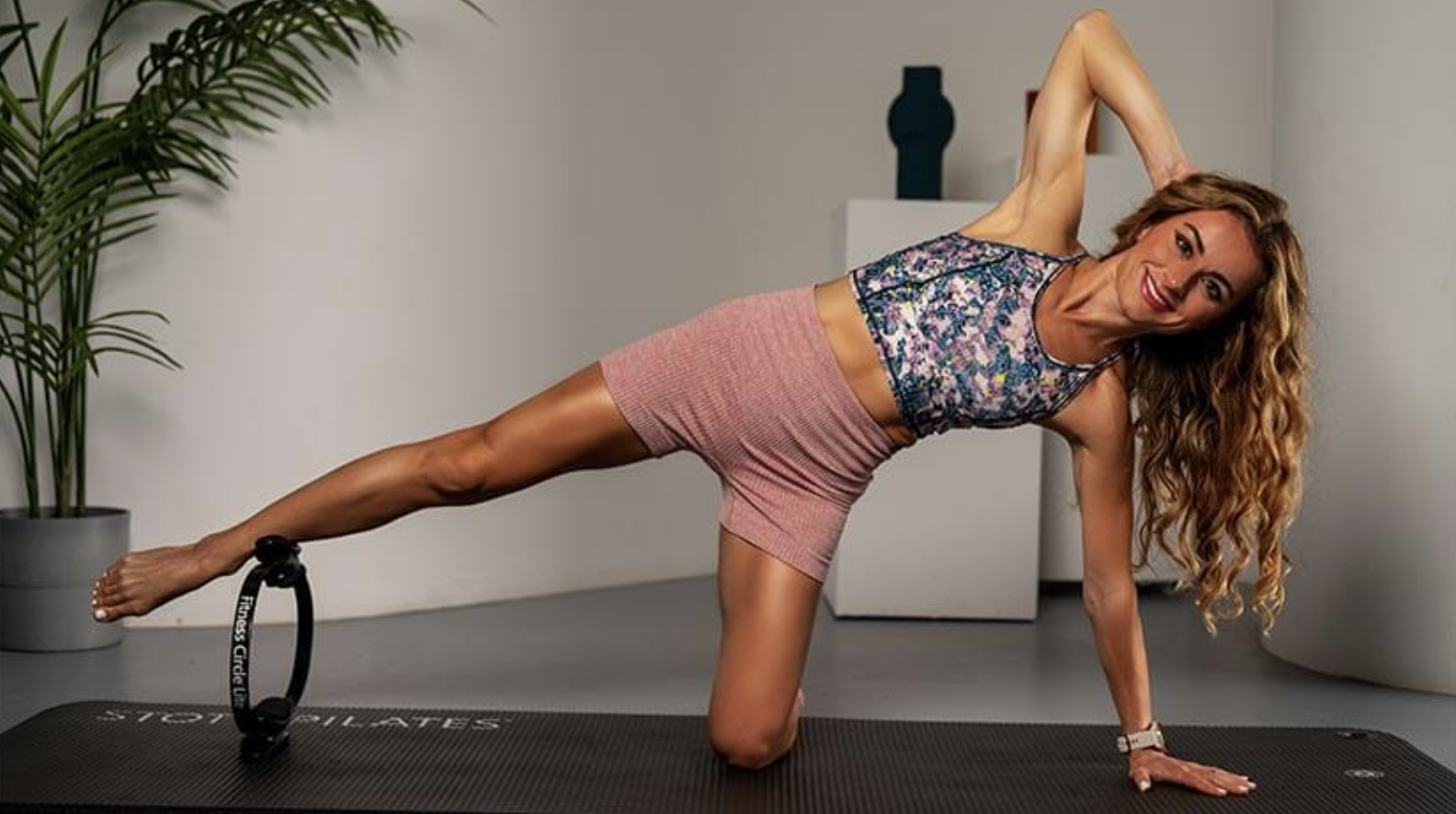
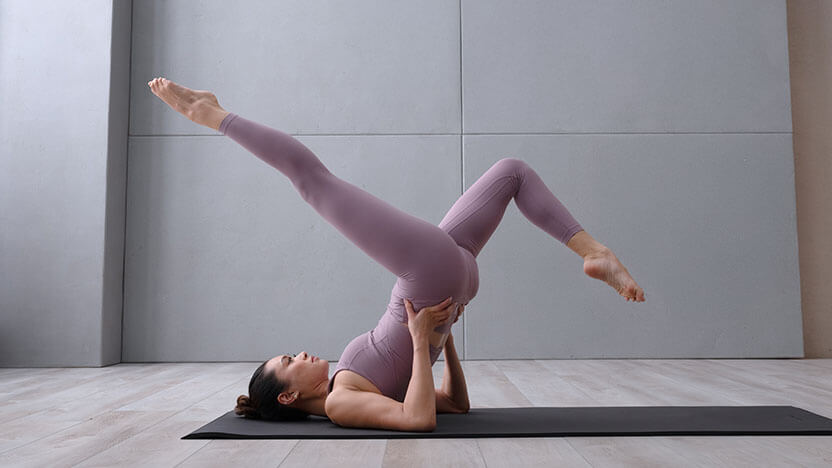
Mat Pilates relies on bodyweight and gravity for resistance. All you need is a mat and a few simple accessories such as a Toning Ball™Mini Stability Ball™, or Non-Latex Flex Band®, to build strength, balance and control.

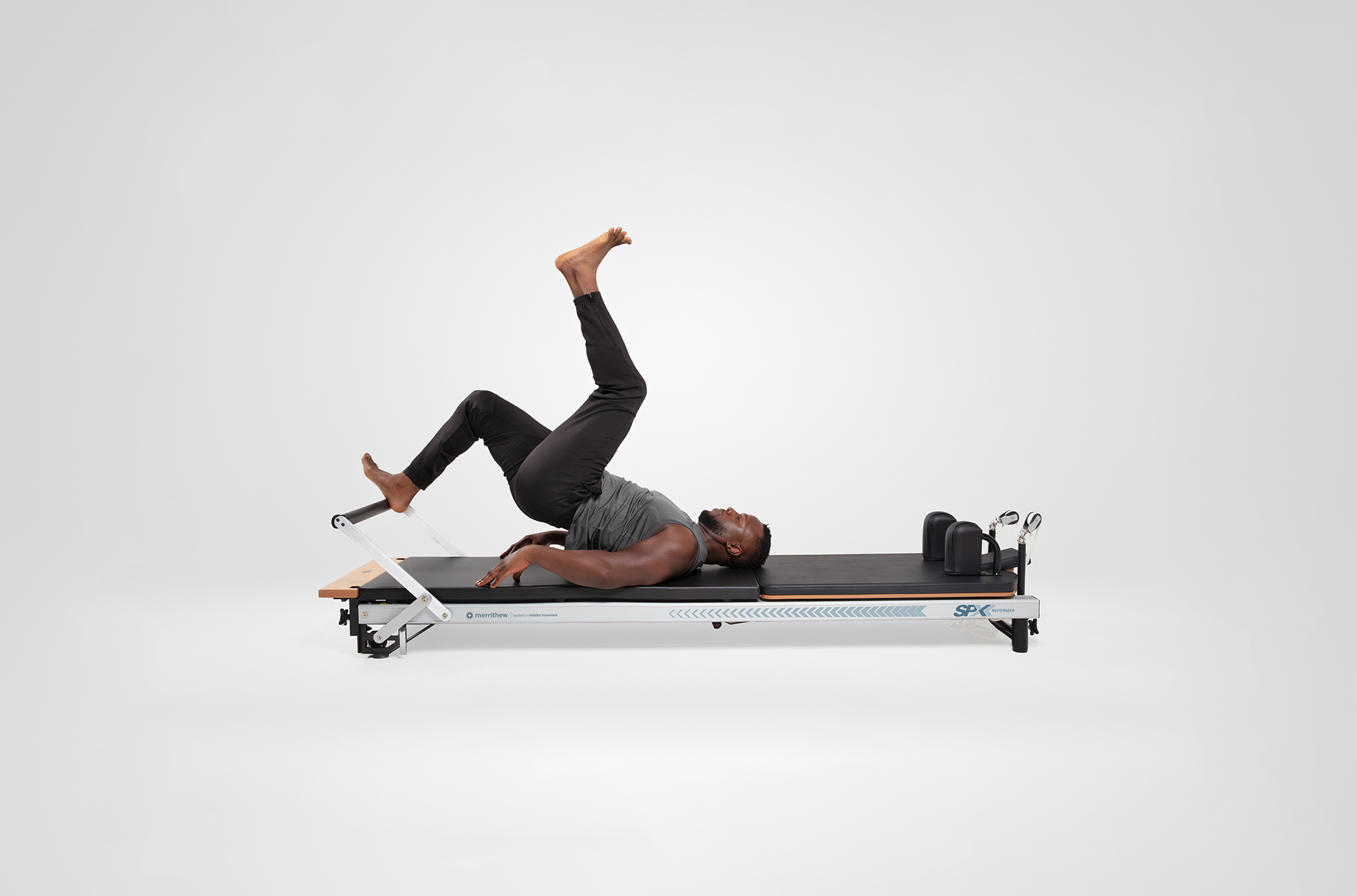
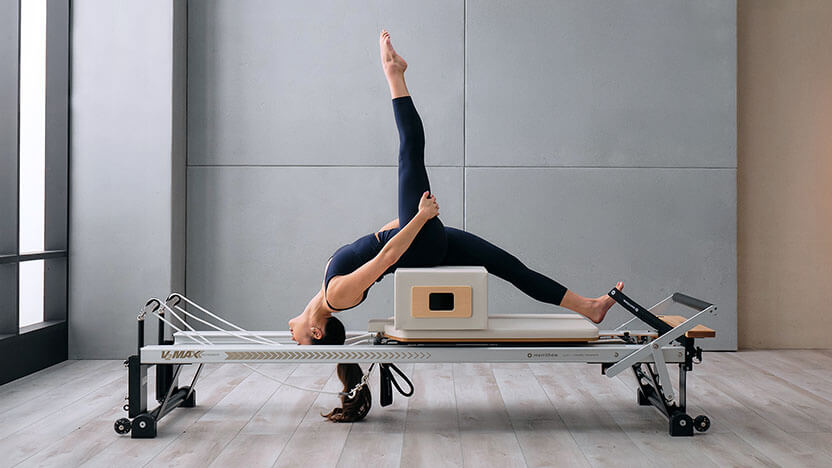
With Reformer Pilates, nothing goes unnoticed. The spring-based carriage pushes back as you move, giving you instant feedback on your alignment, control, and effort. That real-time response helps you fine-tune every rep, so you’re not just working harder—you’re moving smarter, improving coordination, posture, and stability with every session.

Both forms of Pilates share the same goal: to help you move with precision, awareness, and ease. Practicing both offers a well-rounded approach to strength and mobility that supports you in everyday life.

How to Start Pilates as a Beginner

If you’re new to Pilates, here are a few simple steps to get started safely and effectively:

  1. Find a certified instructor: Look for a qualified Pilates teacher who can guide you through the fundamentals, ensure proper form, and tailor exercises to your body’s needs.
  2. Try a beginner-friendly class: Start with an introductory mat or Reformer session to learn the basics of breathing, alignment, and control.
  3. Be consistent: Committing to two sessions per week can significantly improve strength, flexibility, and quality of life.
  4. Listen to your body. Pilates isn’t about perfection; it’s about awareness and steady progress.
  5. Keep it fun: The more you enjoy your sessions, the more consistent you’ll be.

Takeaway

Whether you’re new to fitness, returning after a break, or looking for a gentle yet powerful way to move, Pilates is the perfect place to start. It’s a method that grows with you, helping you feel stronger, more flexible, and more connected from the inside out.

Ready to begin your Pilates journey?
Find a certified instructor or explore Merrithew Connect™ to start practicing from home and experience the difference for yourself.

Check out our Pilates essential kit to get started.

Source:https://www.merrithew.com/blog/post/2025-11-25/is-pilates-for-beginners-everything-you-need-to-know-to-get-started

Share

Why Accessories Deserve a Front-Row Seat in Facility Planning

They may not take up much floor space, but in a member’s hands, accessories can make or break the workout experience. From the grip on a dumbbell to the organization of a training station, these small details have an outsized impact on how members feel about your facility and whether they stick around.

Justin Wireman, Product Director, Accessories at Life Fitness / Hammer Strength, has spent years helping operators see accessories not as afterthoughts, but as strategic tools for member satisfaction, operational efficiency, and brand differentiation.


“Every accessory is a touchpoint between your brand and your members. Quality here speaks volumes.” – Justin Wireman 


Why Accessories Often Get Overlooked. And Why That’s a Mistake

Q: Why are accessories often overlooked in fitness facilities, and what role do they really play? 

Justin Wireman: Most of the spotlight and budget goes straight to the big-ticket items: cardio and strength equipment. That’s understandable, but it means accessories sometimes get whatever’s left in the budget.

Here’s the thing, accessories aren’t just “extras.” They’re the connective tissue between members and the equipment they use most. They serve three critical purposes:

  • Support: Accessories often make core equipment usable, like Olympic plates on plate loaded machines or bars paired with squat racks.
  • Specialization: They unlock specific types of training you can’t replicate with just machines. Think suspension systems, kettlebells, resistance bands, and more.
  • Function: The right accessories protect both equipment and the facility. For example, urethane dumbbells won’t gouge storage racks, and coated plates won’t damage barbells or weight horns.
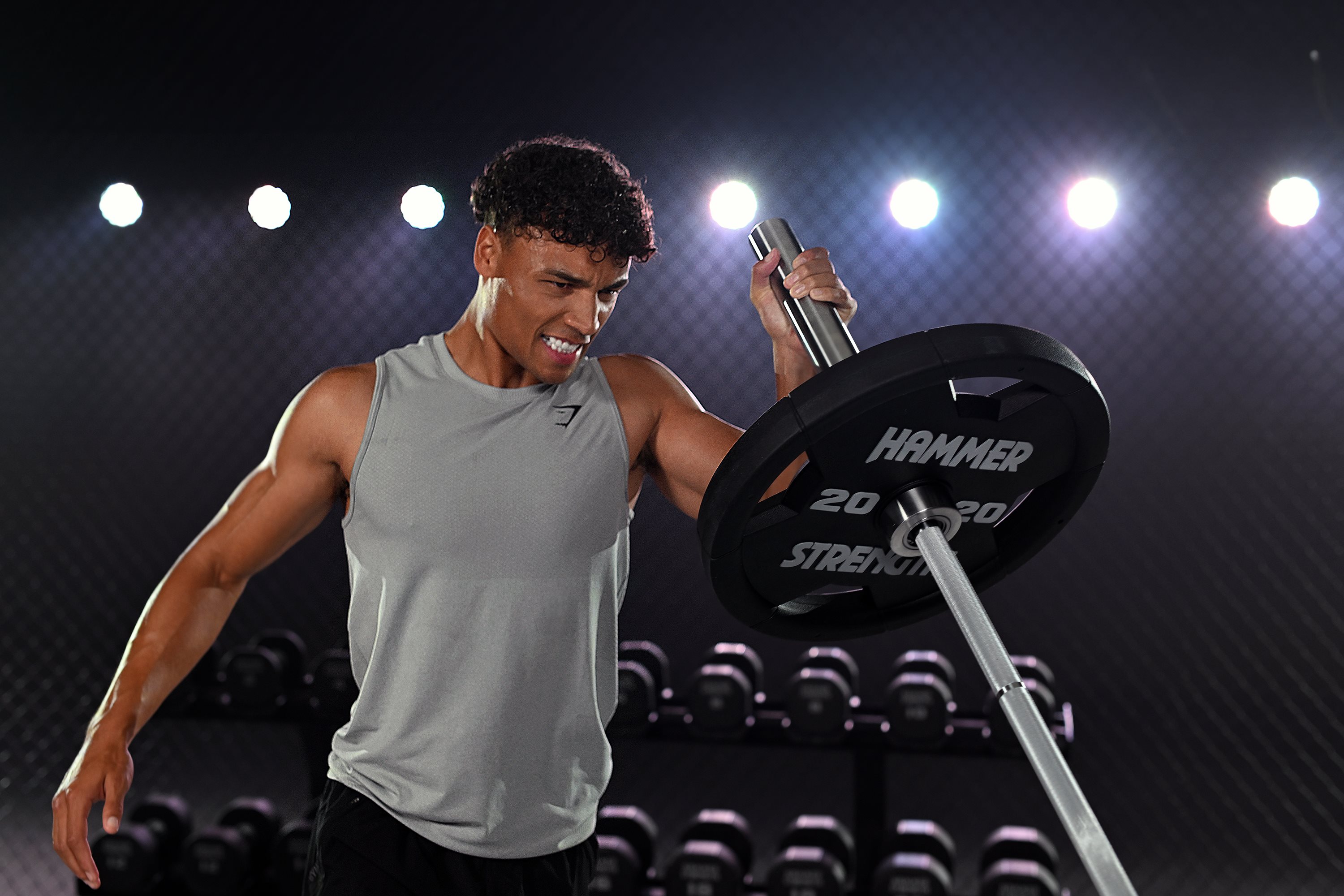
When you skip over accessories, you’re not just cutting corners on equipment, you’re cutting corners on your members’ experience.

Driving Member Satisfaction and Retention

Q: How can the right accessories improve member satisfaction and retention? 

Justin: First, quantity and range matter. If a member can never find the 15-pound dumbbells because someone else is using them, frustration builds fast. Having enough of the right weight ranges for your diverse membership is essential.

Second, accessories are the variety engine of your facility. Members can swap exercises, try new movements, or change routines entirely just by picking up a different tool. That keeps training fresh, and members engaged.

And third, this is often overlooked, accessories are in members’ hands, faces, and line of sight for a large part of their workout. From the feel of the grip to the balance in their hand and the look of the design, every small sensory detail shapes how prospects and members experience your brand.


“It’s not just about having accessories. It’s about having the right ones, in the right quantities, at the right quality.” 

The Must-Have Accessories Every Facility Needs

Q: Which accessories should every facility prioritize? 

Justin: Olympic bars and dumbbells are non-negotiable. They’re the workhorses of the gym.

Safety is the priority when members lift weights, and failure is not an option. But after safety, it’s about the interaction.

With bars, for example:

  • Too-aggressive knurling? You’ll tear up members’ hands.
  • Poor plating? It rusts.
  • Loose tolerances? You get clang, rattle, and grind, not exactly the sound of a premium experience.

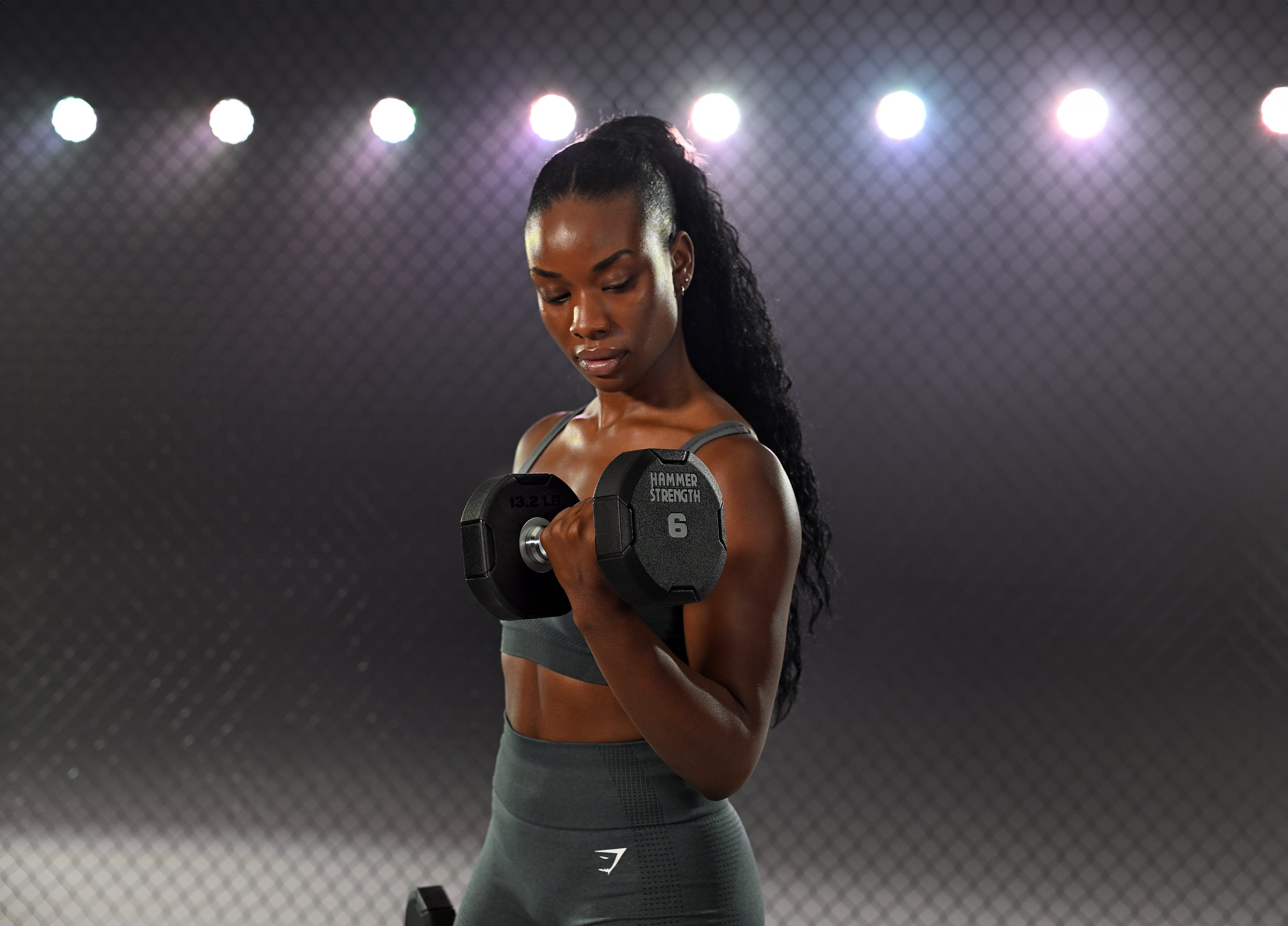
Dumbbells are equally important. They’re incredibly versatile, often a focal point in the weight area, and get more use (and abuse) than almost any other piece of equipment. Cheap ones degrade fast. Quality ones maintain performance and appearance year after year.
Operational Efficiency and Equipment Longevity

Q: How do accessories contribute to operational efficiency and longevity? 

Justin: Cheap accessories don’t just fail faster; they create a domino effect of problems. A low-grade kettlebell can chip paint off a rack, dent a storage tray, or even crack your flooring. And when flooring is one of the most expensive long-term investments a facility makes, that damage adds up quickly.

Premium options, like urethane-coated dumbbells or rubber-coated kettlebells, flip the script. They protect themselves from early wear while also safeguarding your racks, your floors, and the overall training environment. In other words, you’re not just buying a better dumbbell, you’re buying fewer replacements, fewer repair bills, and fewer avoidable headaches down the line.

Making the Most of Space

 Q: Can you share examples of how accessories can help maximize space and versatility? 

Justin: Accessories are some of the most flexible tools you’ve got, but where you put them matters just as much as how you use them.

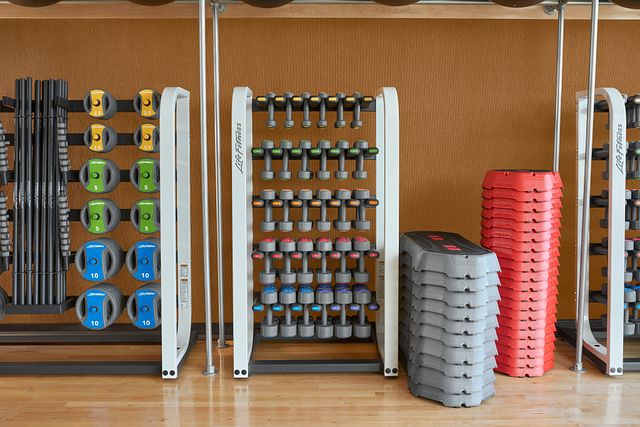
Take the Synrgy 180. It tucks right along the edge of a functional training space but still holds a ton of accessories across different tray options. Everything’s easy to grab, bring out onto the turf, and then put back when you’re done. So, you’re not only storing more; you’re keeping the turf wide open for movement.

Same idea with group training. Our Studio Collection is built to keep big classes moving. Picture 60 people needing hundreds of accessories at once. With integrated storage, everything has its place, people can get what they need without slowing down, and cleanup is quick. The result: classes stay efficient, and the floor stays safe and organized.
What Sets Life Fitness and Hammer Strength Accessories Apart

Q: How are your accessories different from others on the market? 

Justin: A lot of brands buy generic accessories from overseas factories, slap their logo on, and call it a day. We don’t do that.

Every LF/HS accessory is designed in-house by the same industrial design and engineering teams that create our cardio and strength products. That process isn’t just about durability on paper. It’s about building accessories that truly support the long-term success of a facility.

For managers, that translates into three big advantages:

  • Consistency: Every piece is engineered to the same standards as our cardio and strength equipment, so you know it will hold up to daily use.
  • Integration: Accessories are designed to work seamlessly with racks, storage, and machines protecting your larger investment while keeping the floor organized and functional.
  • Member Experience: The ergonomics, feel, and usability are all thought through, which keeps members safe, engaged, and confident in your facility.

So, when you choose LF/HS accessories, you’re not just filling in the gaps. You’re extending the same quality and brand promise across every touchpoint in your training environment.

From Concept to Launch… With Feedback Built In

Q: How do you approach product development? 

Justin: We have a stage-gate process that starts with listening. Facility managers, trainers, and members all have a voice. We take that input, build prototypes, test them in real-world environments, collect feedback, and refine it until we have something that truly meets the need.

Q: Any recent innovations that solve facility pain points? 

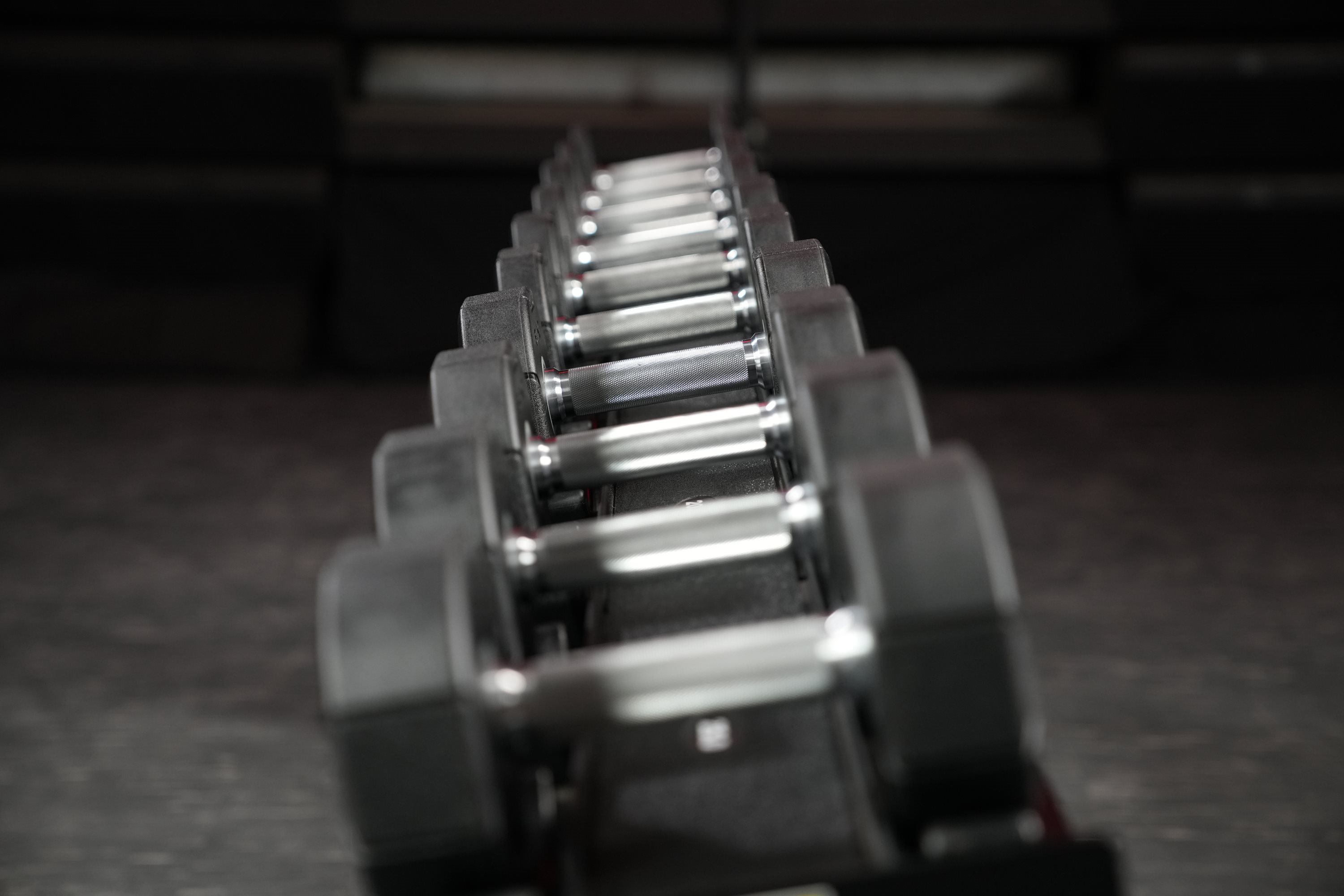
Justin: Our new 4-sided dumbbell and fixed barbell line is a great example. It’s already live in North America, and we’re expanding the launch to Europe and Asia. The design tackles two of the biggest pain points at once: safety and maintenance. Flat sides stop the weights from rolling, keeping spaces tidy and reducing trip hazards. UV inhibitors keep them looking new for years. And a proprietary chemical bond between the steel core and urethane shell means they can handle daily drops without separating or breaking down.
Shaping the Member Experience Through Accessories

Q: How do accessories influence the workouts a facility can offer? 

Justin: They can completely change what’s possible in a facility. For example, if a gym has never offered boxing, simply adding a bag and gloves instantly creates a new training station. Or take a power pivot; attach it to a squat rack and suddenly members have access to dozens of rotational and pressing exercises that weren’t available before.

Q: And safety? 

Justin: Safety isn’t just about your big machines. It’s about every piece of equipment on the floor. You wouldn’t put a low-quality bar on a premium squat rack, or a flimsy attachment on a commercial cable machine. Every accessory should meet the same safety level as the equipment it supports.

Differentiating Through Accessories

Q: How can facility managers use accessories to set themselves apart? 

Justin: When members see LF/HS accessories, they instantly connect that to quality. It’s the same as walking into a luxury hotel versus a budget one. You can tell right away where quality has been prioritized.


“When you bring Hammer Strength into your facility, you’re telling members: this is a place to push limits—safely.” 


Looking Ahead: Trends and the Future

Q: What trends should managers watch? 

Justin: Strength training continues to grow, especially free weights and plate-loaded equipment. Facilities need to think about how much equipment they carry, the mix of pieces available, and how it’s arranged within the space, all while considering the sensory experience they create for members.

Technology is also starting to make its way into accessories. Soon, tracking and guided programming for accessory-based workouts will be much more accessible.

Measuring ROI on Accessories

Q: How can managers measure the return on investing in high-quality accessories? 

Justin: Look at member retention and new member conversion. Are members finding the equipment they want, in the condition they expect, every time they train? Do tours showcase a space that feels premium and complete? Those factors are the real ROI because they directly impact revenue.

Final Word

Accessories aren’t add-ons. They’re the high-touch, high-use tools that shape how members experience your facility every day. As Justin Wireman puts it:

“Get the quantities right, invest in quality, and remember: every accessory is a reflection of your brand.” 


Source: https://www.lifefitness.com/en-us/customer-support/education-hub/blog/gym-accessories-facility-planning
Share

Beyond Cardio: How Indoor Cycling Became the Anchor of Group Training Spaces

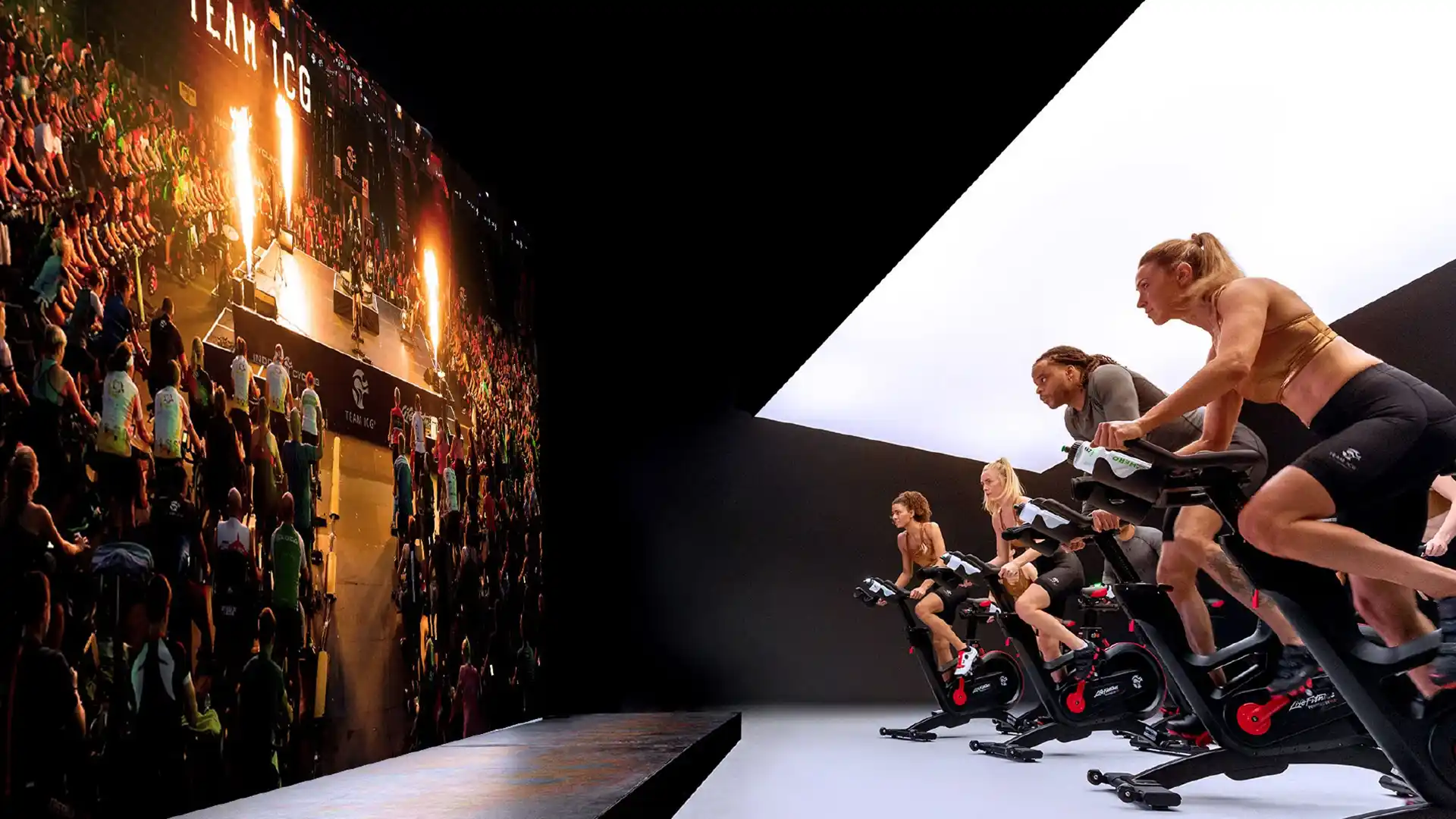
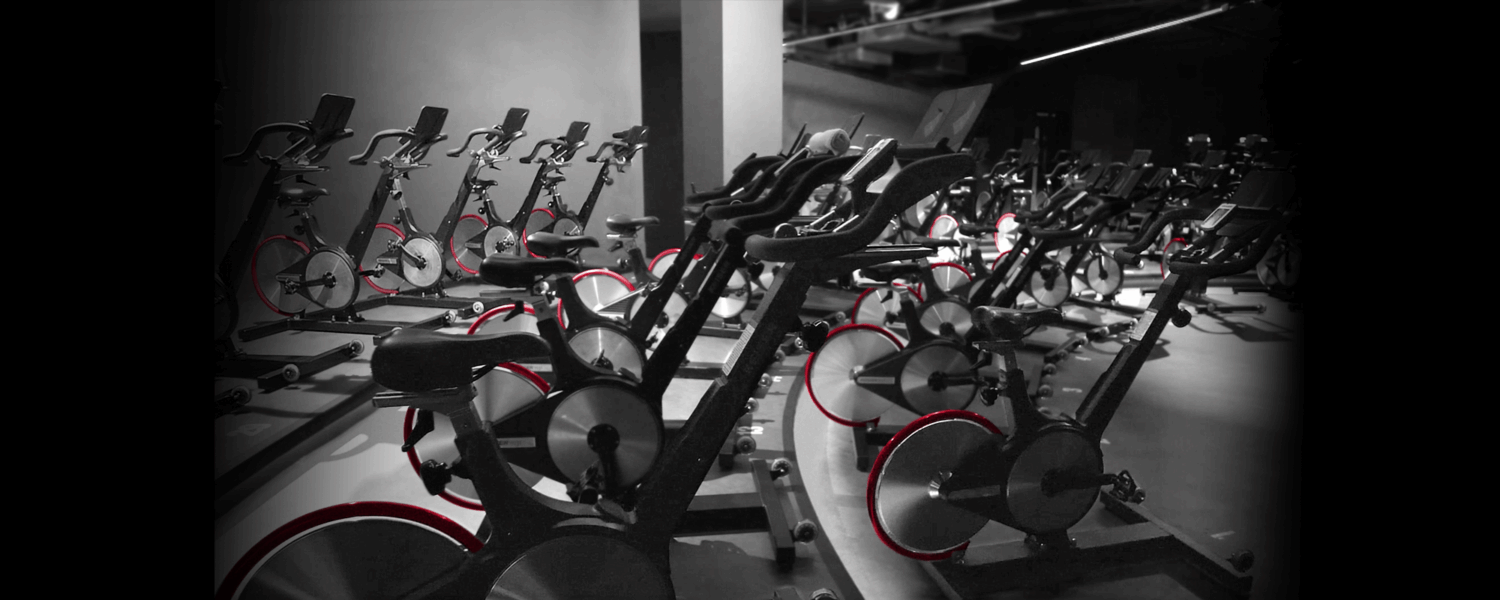
Walk into a modern cycling studio today and it feels different than it did a decade ago. The lights are immersive, the music syncs with the ride, and the energy is electric, whether you’re a first-timer or a seasoned triathlete.

Indoor cycling has outgrown its reputation as “just cardio.” It has become a cornerstone of group training strategy. Think of indoor cycling as more of a platform that combines science, personalization, and community engagement in ways few other modalities can match. For operators, that shift carries major implications: cycling is no longer a “nice-to-have” class on the schedule, it’s a strategic anchor for member retention, revenue optimization, and brand differentiation.

“At TOPfit Gesundheitszentrum in Nuremberg, we run more than 30 cycling classes a week. What makes it work so well is the emotional connection we build through personal engagement, powerful music, and group dynamics. It has enormous potential for team building and significantly strengthens the member’s sense of belonging. Our themed cycling events, often featuring live DJs, not only create buzz but also drive additional revenue, as our members are used to — and happy to — pay extra for unique and memorable experiences.” – Tim Sander, Operator at TOPfit Gesundheitszentrum 

Here’s what facility managers should know, do now, and plan for as cycling continues to redefine group fitness.

1. What Facility Managers Should Know Today

Cycling’s staying power lies in its unique ability to satisfy three converging member demands:

  • Inclusivity – joint-friendly, accessible for all ages, scalable intensity.
  • Trackable progress – live feedback, personal zones, and post-class metrics.
  • Community – riders feel part of a collective effort, not isolated on the floor.

These qualities make cycling more than a class format; it is a cultural touchpoint within the facility. Studios with thriving cycling programs consistently outperform peers on both member engagement and retention metrics.

“We focus heavily on making our cycling program inclusive from day one,” says Tim. “We offer intro workshops and mixed-level classes where coaches provide optional variations for every fitness level. Tools like Coach by Color give riders real-time feedback, boosting both safety and effectiveness. 

When members can track their progress, their motivation skyrockets. Nothing inspires more than seeing tangible results. And as for community, it’s simple: when people train together in a supportive atmosphere, they achieve more. That’s true in life, and it’s true in fitness.

2. What Facility Managers Should Do Now

Audit Studio Utilization 

Cycling rooms are often under-leveraged assets. Map your daily schedule: How many hours per day is the studio dark? Introducing virtual programming (like the ICG® Virtual App) allows members to access structured rides outside of peak times, converting idle square footage into an all-day engagement hub.

“To maximize usage during off-peak hours, we’ve introduced virtual cycling and extended our cardio floor with on-demand options,” says Tim from TOPfit Gesundheitszentrum. “This way, our cycling studio stays active and valuable throughout the day and not just during live class times.”  

Invest in Instructor Excellence 

Even the most advanced bikes underperform without strong leadership at the front of the room. Prioritize continuous education and certification for instructors. The difference between a technically skilled rider and a trained coach is retention: instructors drive emotional connection.

“Our instructors go through regular training updates and peer feedback sessions within the team,” Tim explains. “It keeps the coaching quality high and the energy fresh. Members comment to us that they really notice the difference.”  

Standardize Member Onboarding 

A structured onboarding protocol reduces intimidation and accelerates confidence. Best practice includes:

  • A pre-class bike set up tutorial to eliminate barriers for first-time riders.
  • A Coach by Color® introduction, so members immediately understand their personal zones.
  • A progression plan communicated at signup: start with beginner-friendly rides, then gradually layer in performance challenges.

By making onboarding consistent, facilities reduce attrition from first timers who might otherwise never return.

“We’ve built onboarding into our overall member journey,” Tim shares. “Our coaches often recommend indoor cycling during initial cardio consultations, and we offer test classes plus beginner workshops. That early, guided exposure makes new members feel more confident and supported.”  

3. Preparing for the Future

Hybrid Engagement Models 

Tomorrow’s members expect their indoor cycling data to travel with them from the studio to the gym floor to their smartwatch. Ensure your cycling ecosystem integrates seamlessly with wearables and third-party apps. Members who see their progress in multiple environments are far more likely to stay engaged long-term.

Studio as Brand Beacon 

Cycling studios are increasingly becoming flagship experiences. It’s now the space members bring their friends to, the class they post about on social media, the event they remember. Facilities should invest in lighting, sound, and studio design that reinforces brand identity and makes the cycling room a signature space.

“Eventization” and Community Expansion 

Think beyond the weekly schedule. Quarterly challenges, themed rides, and large-scale festivals expand community engagement beyond the four walls of your facility. ICG events in Europe regularly attract hundreds of participants; facilities can replicate this model locally to elevate member pride and deepen loyalty.

4. The Playbook for Facility Leaders

  • Today: Audit underused cycling rooms, standardize onboarding, and prioritize instructor education.
  • Next 12 months: Integrate hybrid solutions, maximize ROI per square foot, and enhance studio immersion.
  • Future: Position cycling as a brand-defining experience and expand engagement through large-scale events and digital ecosystems.

The Takeaway for Operators

Indoor cycling has shifted from a cardio option to a strategic anchor. Facilities that focus on maximizing utilization, elevating onboarding, and future-proofing their ecosystems will reap the rewards of stickier communities, higher retention, and stronger ROI.

As Sebastian Pfund of ICG® notes, “Cycling is where data, connection, and emotion meet. That’s why the most successful operators build from it, not around it.” 

Learn more about why the world’s best indoor cycling isn’t just about the bike.


Source: https://www.lifefitness.com/en-us/customer-support/education-hub/blog/cycling-group-training-spaces

Share

Maintaining a Safe Pilates Practice During Fasting

FOREMOST, ALWAYS CONSULT YOUR HEALTHCARE PRACTITIONER BEFORE STARTING OR ADAPTING ANY EXERCISE ROUTINE.

How Fasting Affects Movement & Energy

Fasting changes how the body uses fuel and fluid. Whether through dietary fasting, religious observance, or seasonal practices, hours without food and drink affect how you feel in motion. As fuel runs low and hydration fluctuates, muscles stay capable but focus and coordination demand more awareness. Many people try intermittent fasting because it fits daily life, supports wellness goals, or feels easier to maintain than strict eating schedules.

* Practical insight: energy dips are predictable. Patterns in your energy emerge throughout the day, with some moments feeling sharp and grounded and others heavier or hazier. Learning to recognize these rhythms allows you to shape your movement around them.

Mindful sequencing makes this tangible. Start with what feels stable, maintain core engagement, focus on breath, and gradually introduce complexity. This approach lets the body work with available energy rather than against it.

Pilates for Energy-Efficient Strength

Pilates emphasizes precision. It honors the body in each moment and values refinement over repetition. The STOTT PILATES® method, with its focus on breath, alignment cues, and controlled pacing, adapts well when energy or hydration levels fluctuate. It doesn’t demand heavy exertion, and the practice strengthens the connection between intention and action, as well as support and effort.

Pilates for Energy-Efficient Strength

Certified STOTT PILATES® Instructor Hilal Leigh in Dubai works with many clients observing Ramadan, adjusting exercises, pace, and intensity to match energy levels during the month of fasting. As she explains:

If a client is healthy and fit, they can absolutely safely continue with their Pilates practice during fasting. Pilates is generally low impact, so it doesn’t create any added risks that more vigorous cardio exercises do.”

Hilal emphasizes paying attention to simple cues—your breath, how your spine moves, and your body’s natural flow—to guide your practice.

Guiding Your Practice with Energy-Conscious Strategies

Fasting alters how every plan unfolds. Technique becomes an anchor and pacing becomes a tool. If the body feels steady, connection to breath and movement stays clear. When energy feels diminished, grounding and support take precedence. Adjust intensity to how your body feels to keep every movement precise and controlled.

Guiding Your Practice with Energy-Conscious Strategies

Hilal shares this insight:

For clients who feel low on energy, we plan sessions nearer to Iftar [their eating window] so that nutrition follows right after. It helps with recovery and gives a sense of reassurance. On days when sessions are earlier, we simplify intensity to honor how the body feels.”

Pay mind to these patterns:

MATCH MOVEMENT TO FUEL AVAILABILITY – Plan workouts around when most comfortable and hydrated.

TUNE INTO HOW THE BODY FEELS – If coordination feels foggy or effort feels labored, simplify rather than amp up.

BUILD FROM CORE STABILITY – Begin with movements that reinforce alignment and spinal support.

USE SHORT BREAKS TO RESET – Brief pauses help maintain focus without halting momentum.

BALANCE SESSION LENGTH WITH ENERGY – Allow sessions to be brief when energy is lean; expand when fuel is accessible.

Reminder to always respect your physiological limits and choose movements that feel safe and sustainable, while taking advantage of higher-energy periods to explore fuller range, complexity, and endurance.

Exercise Formats & Prioritization

Not all training formats respond equally to fasting windows. Movements that demand high output or significant sweat challenge hydration and increase perceived effort. Practitioners who fast tend to find more clarity and fluid engagement in work that emphasizes neuromuscular control, breathing, and alignment.

Hilal shares:

I avoid high-sweat sessions like jumping sequences, athletic conditioning, or Cardio-Tramp® and Jumpboard sessions as sweating might increase their need for hydration. Instead, I focus on slower-paced mat and equipment work with my clients, emphasizing torso, shoulder, and pelvic stability, core strength, and spinal articulation.”

Exercise Formats & Prioritization

Consider this when planning workouts:

STABILITY BEFORE INTENSITY – Focus movement where structural support matters most.

PROPS TO ENRICH ENGAGEMENT – Tools like a Stability Ball™Toning Balls™, and the Flex-Band® add activation without overwhelming the system.

MIXING MODALITIES – Alternating between mat and equipment work sustains interest and reinforces technique without demanding high metabolic output.

COMPLEXITY WITH INTENTION – Introduce challenging patterns only when energy and focus align with precision.


Source: https://www.merrithew.com/blog/post/2026-03-13/maintaining-a-safe-pilates-practice-during-fasting

Share

Pilates Trends Defining the Next Chapter of the Industry

The Pilates Boom Is Maturing

This low-impact exercise has firmly established itself as a global movement practice, and its momentum shows no signs of slowing. According to the ClassPass 2025 Look Back Report, Pilates experienced a 66% year-over-year increase, making it the most booked workout globally for the third consecutive year.

Pilates is commanding attention in the fitness and wellness space. New demographics are discovering the benefits of mindful movement, studios are expanding their offerings, and innovation is reshaping how Pilates is practiced, taught, and experienced.


What Pilates Will Look Like

1. A Growing Demand for Highly Qualified Instructors

As awareness of movement quality, longevity, and injury prevention increases, clients are becoming more discerning. The future points toward a preference for instructors with strong foundational knowledge, thoughtful programming skills, and a deep understanding of how the body moves. Pilates is increasingly valued for its support of long-term health, with greater emphasis on professional expertise and continuing education.

2. Smart Reformers & Connected Equipment

Technology is beginning to play a more visible role in Pilates, improving the practice in ways that make it more accessible, effective, and engaging. These tools are designed to enhance the learning experience by providing feedback, tracking progress, and enabling more personalized sessions.

3. Hybrid Pilates

More fitness clubs and gyms are integrating Pilates with complementary training modalities, including weight training, athletic conditioning, and high-intensity workouts. Pilates adapts seamlessly to these hybrid environments, supporting more balanced training. When incorporated thoughtfully, a well-rounded routine that includes Pilates can enhance muscle tone, improve mobility, and contribute to overall physical well-being.

4. Men Make Up a Growing Share of Pilates Practitioners

Pilates is attracting a broader and more diverse demographic, with more men recognizing its value for strength, mobility, injury prevention, and performance. Once perceived as a niche or female-dominated practice, Pilates is now embraced by male athletes seeking injury prevention, professionals looking to counter the effects of prolonged desk work, and individuals focused on improving long-term health and movement quality.

As this shift continues, studios and instructors are refining their messaging, programming, and studio environments to better support and welcome this growing audience.

5. Studios as Social Hubs

Pilates studios are becoming spaces of connection. Beyond classes, studios foster community through workshops, events, and shared experiences that create a sense of belonging. In a crowded wellness landscape, cultivating meaningful relationships and supportive environments is becoming just as important as the movement itself.


Looking Ahead

In a rapidly changing landscape, staying ahead is essential to remaining relevant in 2026 and beyond. For instructors, studios, and brands, this means being connected to where the industry is headed and actively engaging with new ideas and tools.

Events such as the Merrithew Symposiums and the Instructor Trainer Experience offer firsthand insight into emerging trends, equipment innovation, and the future direction of movement practices.

The future of Pilates is unfolding now, and those who remain curious, connected, and informed will help shape what comes next.


Source: https://www.merrithew.com/blog/post/2026-02-20/pilates-trends-defining-the-next-chapter-of-the-industry

Share

How to Reduce Gym Noise and Vibration

The definitive guide: How to reduce gym noise and vibration without compromising heavy strength training.


Reducing gym noise is rarely about “silencing everything.”


The real goal is to create a training environment where heavy strength training can take place without disturbing neighbours, staff, or other members.


As gyms are increasingly established in city centers, office buildings, and mixed-use properties, noise and vibration have become a strategic concern — not just a technical detail.

Below is a practical, step-by-step guide to help you understand the problem, plan effectively, and build a solution that works in real-world conditions.


Step 1: Identify the type of noise you’re dealing with

All gyms make noise, but not all noise behaves the same way. To choose the right mitigation measures, you first need to understand the type of noise causing the issue.

Airborne Noise

  • Music
  • Voices
  • Fans and ventilation

Airborne noise travels through the air and is often relatively easy to reduce using acoustic treatments within the room.

Impact Noise and Vibration

  • Barbells and weights landing on the floor
  • Weight plates hitting each other
  • Heavy lifts transferring force into the building structure

Impact noise is usually the biggest challenge in gyms. Vibrations can travel through floors and structural elements and be perceived in other parts of the building — sometimes several floors away.


Step 2: Plan for real-world behaviour

A common mistake is designing a gym based on how you wish people would use it. In reality, your solution must handle how gyms are actually used:

  • Some members drop weights
  • Some clang plates together
  • Some move equipment to where it suits them best

This isn’t the exception — it’s everyday reality. We know this from speaking with gym owners around the world, every day, for decades.

That’s why clearly defined lifting zones and the right flooring make a real difference. When a gym is built for real behaviour, noise issues and future rebuilds are reduced. It saves time, money, and energy—and allows members to train without interruptions.

Step 3: Build a solution that’s easy to use correctly

The most effective noise solutions often make the right behaviour the obvious choice. A well-designed lifting zone ensures that:

  • Heavy lifts have a clearly designated area
  • The surface is stable to stand on
  • The landing area is built to absorb impact

When lifting areas are clearly defined, the risk of noise spreading throughout the gym — due to equipment being moved around — is reduced. Members intuitively understand where heavy lifting belongs and use the space accordingly.

Step 4: Think about the gym as a whole

Noise and vibration affect more than just your relationship with neighbours. They shape the entire gym experience:

  • PT sessions and coaching – conversations work without raised voices
  • Confidence for less experienced lifters – fewer sharp impacts make lifting areas feel less intimidating
  • Premium feel – a more controlled sound environment reduces stress and elevates the overall impression

A gym that takes sound seriously signals care, quality, and professionalism — something members, partners, and especially neighbors notice.

Step 5: Measure, test, and document

In buildings with multiple tenants, “it feels better” is rarely enough. To make informed decisions and create confidence in the project, documentation is essential.

Make sure you can show:

  • Floor plans with clear zoning
  • Placement of lifting areas in relation to adjacent spaces
  • Measurements or test data demonstrating the effect of the chosen mitigation solution

This makes discussions with property owners, project managers, and acoustics consultants easier — and reduces the risk of late-stage issues or costly retrofits.

The right sound strategy creates better training

Reducing gym noise isn’t about removing the character of strength training. It’s about channelling force to where it belongs — into a surface designed for the task.

When noise and vibration are managed at the source:

  • Heavy training can continue without compromise
  • More members enjoy the space
  • The gym functions even in complex buildings

A well-considered sound strategy is not just a technical solution—it’s an investment in experience, flexibility, and long-term sustainability for your gym.

Feel free to contact our experts or explore our flooring solutions.


Source: https://eleiko.com/en/stories/how-to-reduce-gym-noise-and-vibration

Share

How Symbio Treadmill Surface Firmness Variety Enhances Member Experience

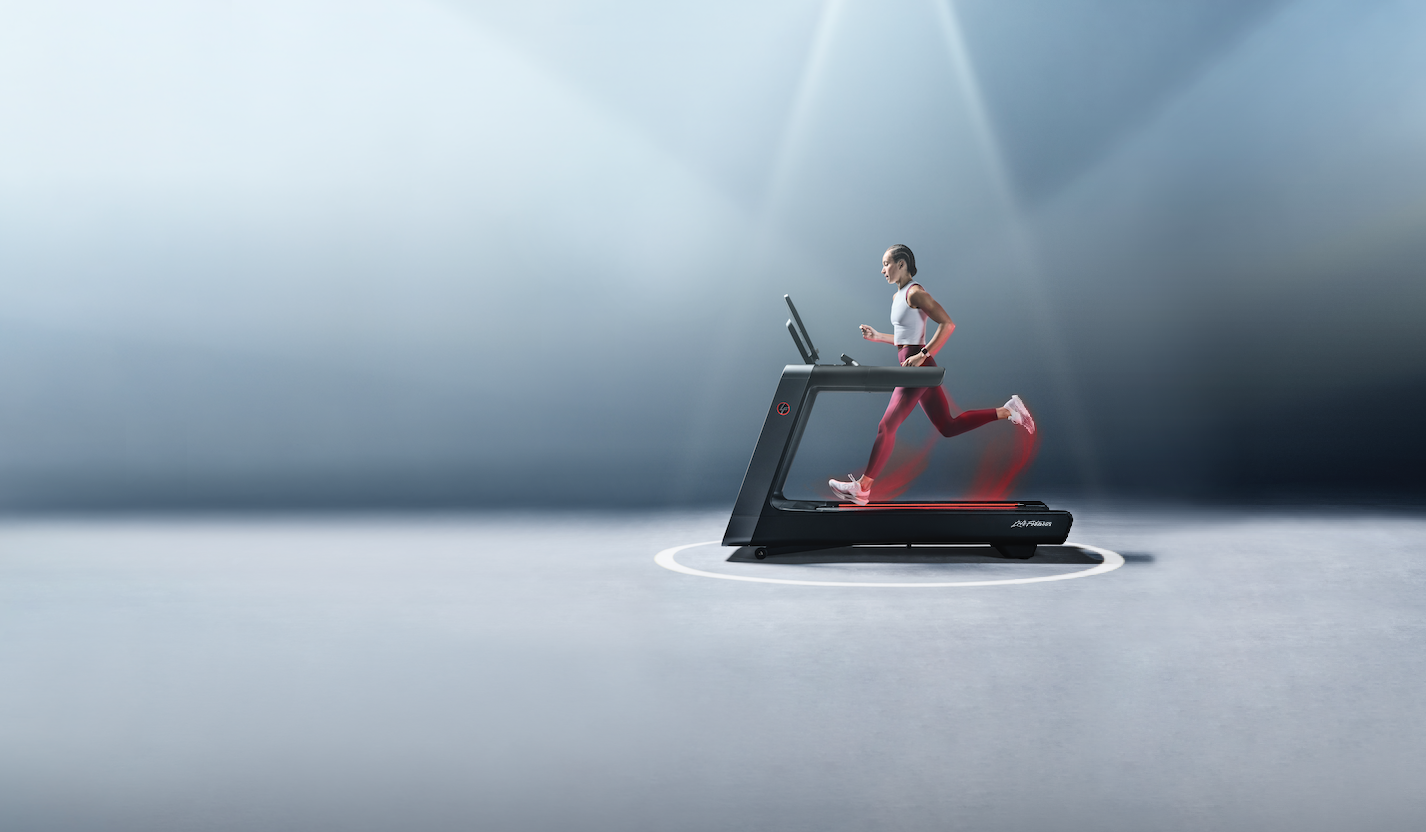
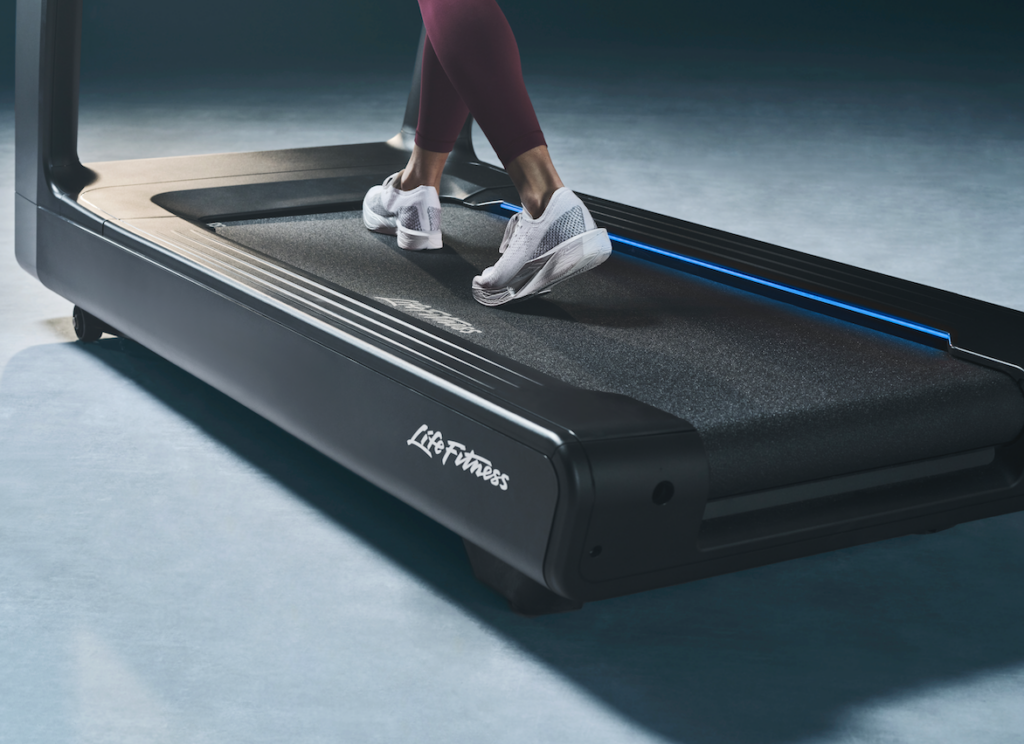
The patented Adaptive Flex Deck® on the Symbio Runner elevates the classic Flex Deck® feel with the addition of four new treadmill deck firmness settings. Users can now choose between five different deck firmness options (Classic, Soft, Very Soft, Firm, and Very Firm). This offers them a range from 40% softer to 40% firmer than the classic Flex Deck®.

With the Adaptive Flex Deck®, exercisers can personalize their workout and instantly change the feel of the surface beneath their feet, with the press of a button.

So, what’s so important about variety in deck firmness? Allow us to explain… 

When running outside, exercisers feel a difference on hard concrete, soft grass, or a bouncy rubber track. Research shows that runners’ bodies perceive differences in terrain and subconsciously make micro-adjustments, such as changing leg spring stiffness, while maintaining the same overall running form. These small, precise changes in running form affect how the tendons, ligaments, muscles, bones, and other tissues in runners’ legs absorb shock and impact forces.

Adjusting leg stiffness is an active mechanism the body uses to absorb shock from impacts as the foot strikes the ground. Running on different surfaces varies the stresses experienced by the lower limbs, building resilience and robustness, which can help to reduce the risk of overuse injury.

Why Offering a Range of Running Surface Settings Is So Important

In today’s fitness landscape, offering diverse running surfaces within your facility is more important than ever. By providing a variety of surfaces, you cater to the unique needs and preferences of all runners, from beginners to performance athletes. Diverse running surfaces not only enhance the overall workout experience but also help prevent injuries, improve performance, and keep exercisers engaged. Whether it’s the cushioned comfort of an indoor track, the natural feel of a turf field, or the challenging terrain of a trail simulator, having multiple options ensures that every runner can find their perfect stride. Embrace the importance of diversity in running surfaces and watch your facility become a hub for fitness enthusiasts of all levels.

  1. Optimizing Leg Stiffness for Enhanced Performance. Runners’ bodies instinctively adjust leg stiffness based on the running surface. Training on various surfaces helps the body make these micro-adjustments, optimizing leg stiffness for different terrains.
  2. Minimizing Injury Risk. Running on diverse surfaces influences how tendons, ligaments, muscles, bones, and other tissues absorb shock and impact. By rotating through different surfaces, runners build resilience and robustness, reducing the risk of injury.
  3. Achieving Training Goals. Runners can tailor their surface choice to their workout. For instance, a firm, responsive surface is ideal for intervals and tempo runs, while a softer surface suits recovery runs. Those preparing for a trail or road race can train on surfaces that mimic race terrain.
  4. Adding Variety to Training. Incorporating different running surfaces into training routines prevents monotony and keeps runners engaged. Varying routes and surfaces can help maintain motivation and keep training programs fresh and engaging.


Appeal to All Levels of Exercisers with Our Adaptive Flex Deck®

The Adaptive Flex Deck is revolutionizing the way we approach running, making it an essential addition to any fitness facility. Its advanced technology seamlessly caters to a wide range of exercisers, from those just starting their fitness journey to seasoned runners looking to enhance their performance. By offering a unique blend of comfort, support, and innovation, the Adaptive Flex Deck® not only attracts new exercisers but also keeps them engaged and motivated. Whether you’re looking to attract a beginner taking their first steps into their running journey or an advanced runner pushing their limits, the Adaptive Flex Deck® provides an unparalleled running experience that appeals to all levels of fitness enthusiasts.

  • Beginners can initiate their training program at lower velocities – even walking pace – to ensure they have a comfortable user experience in their initial sessions.  Beginners can also begin with a softer deck setting to help avoid injuries such as shin splints as they work to improve their running form.
  • Injured runners can also start with softer deck settings to reduce ground impacts for a more suitable running environment during the initial stages of rehabilitation.
  • Advanced runners can switch between different surface settings to accommodate their training in preparation for a competition.
  • Team sport athletes can choose the softer deck settings in season to maintain fitness while also reducing wear and tear on their joints.


Source: https://www.lifefitness.com/en-us/customer-support/education-hub/blog/indoor-running-symbio-adaptive-flex-deck

Share

Pilates for Osteo & Lifelong Bone Health

Osteoporosis is sometimes referred to as the silent disease since many people are unaware of changes in their bone health as they happen. It is easy to assume osteoporosis is something to think about only after menopause or well into older adulthood. In truth, bone health begins shifting much earlier than most of us expect, often long before we think to pay attention to it.

You cannot feel your bones becoming thinner or sense your density decreasing. For many, the first indication is a fracture, sometimes from a minor fall or an everyday movement that should not have caused harm. According to the International Osteoporosis Foundation, one in three women and one in five men over the age of 50 will experience an osteoporotic fracture in their lifetime. These stats highlight an important point in building awareness early and taking small, proactive steps to support bone health can make a meaningful difference for everyone.


How Early Prevention Builds Strong Bones for Life

STOTT PILATES® Master Instructor Trainer, Laureen Dubeau explains, “we reach our peak bone density between ages 25 and 30. After that point, bone density slowly begins to decline for both male and female.” Between ages 30 and 50, the loss is subtle but progressive, and by the time most people consider themselves old enough to worry about bone health, their bones have already been changing for years.

This is why thinking about bone health earlier in life can really help. The teenage and young adult years represent a critical window for building strong bones. During this time, the body is still developing bone mass, and physical activity plays a significant role in determining how much bone you accumulate before reaching your peak.

Think of bone health like long-term savings. The more ‘bone wealth’ you build early on, the more protected you will be against loss later. The good news is that the choices you make today can have a profound impact on your bone strength decades from now.


Daily Habits That Support Bone Health & Help Prevent Osteoporosis


Sedentary lifestyles accelerate bone loss. Movement of any kind helps your bones remain healthy, resilient, and functional. Strong bones are built through consistent, everyday habits such as:

  1. Weight-Bearing Exercises: Walking, dancing, stair climbing, and hiking encourage the bones to adapt to impact by becoming stronger.
  2. Resistance Training: Strength training helps build the muscle that surrounds, protects, and supports the bone. The stronger the muscles, the more stress they place on the bones, stimulating bone growth and density.
  3. Nutrition That Supports Bone Formation: Calcium-rich foods, vitamin D, and adequate protein provide the essential materials bones need. Sunlight, fortified foods, and nutritious meals play an important role.


How STOTT PILATES Supports Bone Strength

One of the most valuable benefits of Pilates is its emphasis on posture and alignment. When you understand how the body works as an integrated system, it becomes easier to maintain good bone alignment. This helps your muscles work more efficiently and makes movement smoother and more controlled.

Balance training is another key piece of the puzzle. Pilates naturally helps build and maintain balance, which become especially important later in life, as falls are a leading cause of osteoporotic fractures.

Because osteoporosis also comes with clear guidelines on movements that should be avoided, Pilates instructors must understand how to modify exercises safely and effectively. This need inspired the creation of the STOTT PILATES Bone Health and Osteoporosis Professional Development Course. It gives instructors the knowledge and confidence to support clients with varying degrees of bone fragility.

The STOTT PILATES Movement System™ takes a whole-body approach that integrates postural alignment, targeted muscle activation, and movement patterns that support functional strength. The system’s foundations in precision and alignment help guide clients toward safer, more effective movement.

Incorporating the Reformer and accessories such as the Mini Stability Ball™, Toning Ball™, and Flex-Band® introduces gentle, controlled resistance that strengthens the entire body. These exercises engage the stabilizing muscles that support the spine, hips, and pelvis, which are critical areas for preserving bone integrity and overall stability.


Movement for Better Bone Health

Movement is one of the most effective ways to reduce the risk of developing osteoporosis and many other health concerns. While any movement is better than none, targeted, specific, and mindful practices such as Pilates offer powerful benefits that build and strengthen the body and support health over time.

Discover how you can develop safer, more effective programming for clients with osteoporosis and expand your studio’s offerings.

Source: https://www.merrithew.com/blog/post/2025-12-12/pilates-for-osteo-lifelong-bone-health

Share

Movement = Happiness: Unlocking the Power of Regular Movement at Any Age

Why Movement Matters at Every Age

Movement is a cornerstone of longevity and quality of life.  It’s more than just physical activity—it’s the foundation for a wellrounded and fulfilling life. 

Regular activity fuels your body, sharpens your mind, and uplifts your spirit, paving the way for improved mental clarity, emotional resilience, and overall wellbeing.

From boosting flexibility and mobility to nurturing emotional health, the benefits of movement go far beyond the surface. It’s a gateway to a healthier, more fulfilling lifestyle.

The World Health Organization (WHO) defines healthy aging as “the process of developing and maintaining the functional ability that enables wellbeing in older age.”  They emphasize the importance of functional ability—maintaining the physical and mental capacity to live independently and engage with the world around you.


Movement helps achieve this by:

  • Strengthening muscles and improving balance to prevent falls
  • Enhancing flexibility and mobility for daily activities
  • Supporting mental health and cognitive function
  • Reducing the risk of chronic illnesses like heart disease and diabetes

No matter your age, movement enables you to meet life’s demands, stay socially connected, and pursue your passions with energy and confidence.

Regular movement supports all these facets by improving flexibility, mobility, and balance—crucial for preventing agerelated issues like falls, stiffness, or loss of independence. 

Staying active ensures that we can continue to engage fully with the world around us, whether it’s through simple daily activities or more structured forms of exercise.


The Importance of Low—Impact Exercise

Not all movement needs to be high—intensity to yield results

As we age, it’s essential to choose forms of movement that are gentle on the body while delivering significant benefits.  Low—impact exercises, such as walking, swimming, or cycling, are ideal for preserving joint health, enhancing cardiovascular fitness, and supporting overall mobility.


Popular low—impact activities include:

  • Walking: A simple way to improve cardiovascular health and maintain mobility.
  • Swimming: Perfect for building endurance and strengthening muscles with no joint stress.
  • Cycling: An effective cardiovascular workout that also tones the lower body.


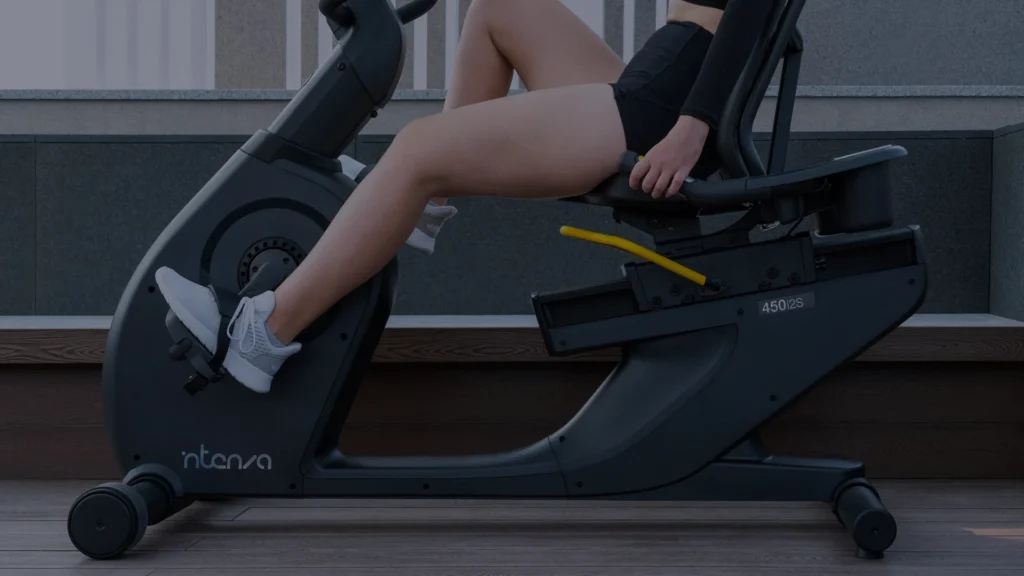
Cycling, stands out for its adaptability and accessibility.  Modern fitness equipment, such as recumbent bikes, offers additional support and comfort, making it easier for individuals of all fitness levels to enjoy this beneficial activity.  Cycling is one of the most effective low—impact exercises available.  It’s gentle on the joints while providing an excellent workout for the body and mind. 

These are particularly effective: 

  • Gentle on Joints: The smooth, repetitive motion of pedaling minimizes stress on the knees and hips.  
  • Engages the Whole Body: Cycling strengthens the lower body while improving cardiovascular health. 
  • Accessible for Everyone: Modern equipment like recumbent bikes offers options that accommodate individuals with different fitness levels or mobility challenges. 

One such option is the Intenza Recumbent Bike Series, a thoughtfully designed solution for those seeking a comfortable and effective way to stay active. 

With its ergonomic seat, back support, and step—through design, it’s perfect for individuals with limited mobility or those who prefer a low—impact exercise option making it an ideal choice for low—impact exercise.


The Mental and Emotional Benefits of Movement


Beyond physical benefits, regular movement profoundly impacts mental and emotional health.  Physical activity stimulates the release of dopamine, often called the “happy hormone,” which enhances mood and reduces stress.  Incorporating movement into your routine can improve focus, mental clarity, and overall life satisfaction. 

Simple ways to stay active include: 

  • Walking in nature 
  • Stretching or yoga to increase flexibility 
  • Cycling indoors or outdoors 

Incorporating small doses of movement into your day, like a brisk walk during lunch or a quick yoga session in the morning, can transform your emotional wellbeing and set a positive tone for the day. 


How to Make Movement a Habit


Building movement into your daily life doesn’t have to be complicated. Small, consistent steps can make a big difference: 

  1. Start Small: Begin with short walks or light stretching sessions and gradually increase intensity. 
  2. Incorporate Variety: Explore various activities to keep things fresh and engaging. 
  3. Set Goals: Whether it’s walking a certain number of steps or completing a weekly yoga session, goals keep you motivated. 
  4. Use Technology: Fitness trackers and apps can help monitor your progress and celebrate milestones. 
  5. Find What You Enjoy: Enjoyment is key—choose activities that feel rewarding and fun. 


Why Regular Movement is Vital for Aging Gracefully

Aging is inevitable, but how we age is largely influenced by our lifestyle. Regular movement helps preserve bone density, maintain muscle mass, and prevent stiffness—all of which are critical for independence and vitality in later years.

Even small, consistent efforts can yield impressive results.


Equipment like Intenza Recumbent Bike Series, offer added comfort and accessibility, making it easier to stay active regardless of fitness level or age.


Practical Tips for Staying Active Every Day

Incorporating movement doesn’t require a complete lifestyle overhaul. Try these strategies: 

  • Take Active Breaks: Stretch, walk, or do light exercises during work breaks. 
  • Combine Movement with Socializing: Join a walking group or plan active outings with friends. 
  • Make It Convenient: Keep fitness equipment at home or explore outdoor spaces near you. 
  • Build it into Your Routine: Pair movement with daily habits, like a post-dinner walk or morning yoga.


Movement is for Everyone

No matter your age or fitness level, the power of movement is within your reach.  It’s the key to unlocking a healthier, happier, and more fulfilled life.  Movement is adaptable and can fit into your daily routine with ease.  Start small—take a short walk, stretch during your day, or try a few minutes of cycling.  These simple actions, done consistently, can lead to transformative results over time.

Regular movement enhances physical strength, sharpens mental clarity, and boosts emotional well—being.  It gives you the freedom to keep doing what you love and to fully enjoy life, no matter the stage you’re in.

So why wait? Take small steps, start today.  Take that first step today, stay consistent, and discover the incredible physical and mental benefits of staying active.  Your journey to a healthier, happier life begins now.


Source: https://www.intenzafitness.com/health-lifestyle/movement-happiness-unlocking-the-power-of-regular-movement-at-any-age/

Share

A Guide to Indoor Cycling Metrics and Intensity Training on the M3i

How to train using intensity zones on the M3i.

Unlock the full potential of every cycling session with Keiser’s precision approach to training. We understand that the resistance that feels like a gentle slope to one rider might be another’s mountain climb. That’s why we focus on coaching with intensity, not just gear numbers. By harnessing the power of three key indicators—Power (watts), Heart Rate (BPM), and RPE (Rating of Perceived Exertion), —we empower each rider to find their perfect challenge level and maximize the benefits of every class.

To truly tailor your training and see the results you’re aiming for, it’s important to understand intensity training zones. Training zones in indoor cycling are used to categorize the intensity of a workout, allowing cyclists to target specific fitness goals and track progress over time.

Functional Threshold Power (FTP): Imagine the strongest, sustained effort you can maintain for an hour – that’s your FTP and measured in watts. It’s a benchmark for setting up personalized training zones, making your workouts more structured and goal-oriented.

Maximum Heart Rate (HR Max): This is the upper limit of what your cardiovascular system can handle during physical activity. Knowing your HR Max helps you train at the right intensity for maximum benefit.

Rating of Perceived Exertion (RPE): Listen to your body. RPE is a way to measure the intensity of your exercise based on how hard you feel like you’re working. It’s a personal gauge to ensure you’re pushing yourself effectively, without the need for technology.


Ride By Color™ Zones 

● Zone 1: Very Easy Helps with recovery

● Zone 2: Easy Improves basic endurance and fat-burning

● Zone 3: Moderate Improves aerobic fitness

● Zone 4: Hard Increases maximum performance capacity for shorter sessions

● Zone 5: Very Hard Improves oxygen utilization to reduce fatigue in high-intensity efforts


Training Zone Estimator

Enhance your training regimen with Keiser’s free intensity zone calculator. By determining your FTP and HR training zones, you’ll gain valuable insights into applying these metrics effectively to your training. Tailored to your unique profile, our estimation tool considers factors such as age, gender, weight, and training frequency to establish personalized training zones. This understanding will lay the groundwork for comprehending the concepts discussed below, improving your ability to apply these metrics to your training routine.


Training with Power and FTP

Power, displayed in watts on the M3i, is the culmination of both your muscular force in relation to gears and your velocity based on your rpm. In its simplest form:

Power = Force x Velocity

By defining your Functional Threshold Power and tailored intensity zones, it’s like having a personal coach right on your handlebars, guiding you to train in the perfect zone for you. This way, you’ll push your limits just enough to grow stronger, but not so hard that you risk overtraining.

Using the M Series App for FTP Testing:

Alongside the Intensity calculator, the Keiser M Series app offers a built-in feature for riders to conduct FTP testing. Enhance your training by utilizing the app’s FTP testing feature, crafted to refine your workout intensity and maximize your performance.

  1. Preparation: Download the M Series App and ensure your indoor bike is compatible. Select the bike number in the app that corresponds to your bike number.
  2. Select the Test: In the app, choose either the 5-minute or 20-minute FTP test based on your preference and fitness level.
  3. Execute the Test: After following the warm-up protocol, ride with consistent effort throughout the chosen test duration. The app will provide visual cues to help you stay within the correct intensity zones.
  4. Record Your Results: Upon completion, the app will calculate and display your estimated FTP. Save this information in your profile to track your progress over time.

How Often Should You Take An FTP Test?

By conducting an FTP assessment every 4-6  weeks or as needed based on your goals, you harness the power of personalized training plans. This strategic approach calibrates your workout intensity to your current fitness capabilities, guaranteeing that each session is optimally challenging and efficient.

Using Power Intensity Zones

Power intensity zones are essential tools for cyclists and athletes looking to improve their performance. The following zones are based on percentages of your FTP, each targeting different aspects of your fitness.

● Zone 1: Very Easy <55% of FTP. This is where you promote blood flow and recovery without adding stress to your body. It’s the gentle hum of your engine on rest days.

● Zone 2: Easy 56% to 75% of FTP. Here, you’re building the foundation of your fitness, enhancing your body’s ability to utilize fat as fuel, and increasing your aerobic capacity.

● Zone 3: Moderate 76% to 90% of FTP. You’re now pushing into a more challenging effort, improving your muscular endurance and teaching your body to perform comfortably at a moderate pace.

● Zone 4: Hard 91% to 105% of FTP. This is where you start to feel the hard effort level, training your body to delay fatigue and increase the intensity you can maintain.

● Zone 5: Very Hard 106% to 150% of FTP. Intense work sets in this zone improve your maximal oxygen uptake and push your performance boundaries.

FTP Test Results Example

The watts listed below are derived from an FTP calculation of 212. The results shown are for a 35-year-old male weighing 190 pounds, who typically trains for 1-3 hours per week. Refer to the intensity zone calculator or perform an FTP test to determine your own individual watts.


Training using HR Max

Discover your peak performance with Keiser’s heart rate insights. While smartwatches and other technology offer a quick glance at your heart rate, estimating your maximum heart rate can vary due to individual differences. In addition to using technology, there are many other methods available for estimating predicted heart rate. The following formula is just one example of many.

For women: 210 – (your age divided by 2) – (5% of your body weight in pounds) = bpm
For men: 210 – (your age divided by 2) – (5% of your body weight in pounds) + 4 = bpm

Heart Rate Zones

After establishing a predicted max heart rate, use it to define your training zones to help you stay in your optimal zone for maximum efficiency. Each zone is designed to meet a specific training objective. For example, for those dedicated to endurance or aerobic training, target 60–70% of your maximum heart rate to stay in the optimal zone. By aligning your heart rate with these zones, you’re not just working out – you’re engaging in a fitness journey tailored to your body’s responses.

● Zone 1: Recovery level at 50 to 60% of heart rate max (HRM)

● Zone 2: Endurance level at 60 to 70% HRM

● Zone 3: Aerobic level at 70 to 80% HRM

● Zone 4: Anaerobic threshold at 80 to 90% HRM

● Zone 5: VO2 Max+ level at above 90% HRM

Heart Rate Example

The BPM’s listed below are derived from a predicted HRMax calculation of 192. The results shown are tailored for a 35-year-old male weighing 190 pounds, who typically trains for 1-3 hours per week. Refer to the intensity zone calculator to determine your own individual BPM’s.


Training using Rate of Perceived Exertion

Training with RPE allows you to tailor your workout intensity to your personal fitness level, ensuring you’re challenged just enough to make significant gains without the risk of overexerting yourself. The following zones indicate how they should feel while cycling:

● Zone 1: Very easy, a light feeling in the legs, should feel effortless, a pace you could sustain indefinitely, perfect for recovery and cool down.

● Zone 2: Easy, still a light feeling in the legs, still comfortable, where full conversations flow easily—ideal for warm-ups and more active recovery.

● Zone 3: Moderate, you could only hold a limited conversation and will have to focus to meet the required RPM. Heart rate will rise and you will no longer be in a recovery zone.

● Zone 4: Hard, the heart rate will be high and legs feel heavy.

● Zone 5: Very Hard, you will likely be unable to talk as total focus will be needed. Your heart rate will be high, legs will feel very heavy.


By incorporating Power, Heart Rate, and Rating of Perceived Exertion into every ride, cyclists can refine their workouts with precision and intention. Whether your goal is to set personal records or improve your overall well-being, leveraging this precision approach ensures that each effort you put in contributes meaningfully to your progress.


Source: https://resources.keiser.com/a-guide-to-intensity-training-on-the-m3i

Share