Why rubber gym tiles outperform carpet in fitness facilities?
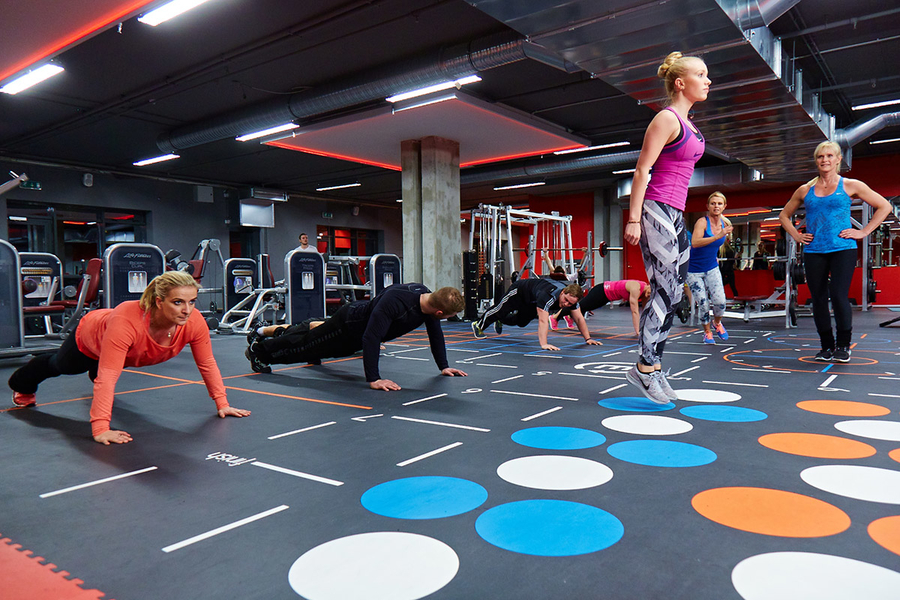
The choice of flooring in a gym is more than just a functional decision—it’s a reflection of your commitment to quality, safety, and long-term performance. While carpet might seem like a budget-friendly option, rubber gym tiles offer unparalleled durability, hygiene, and user experience.
Let’s explore why investing in premium rubber flooring is the smart choice for gym owners and why rubber gym tiles outperform carpet in fitness facilities.
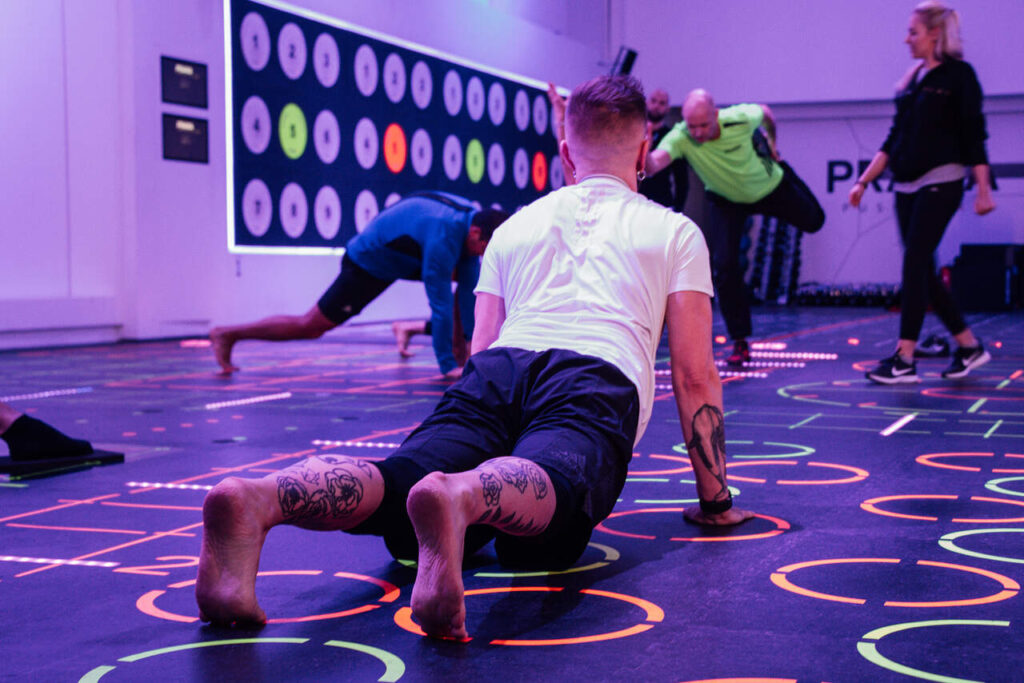
Why Choose Rubber Flooring Over Carpet?
A high-performance fitness space requires flooring that can withstand heavy foot traffic, intense workouts, and constant impact. While carpeted floors might initially appear cost-effective, they wear down quickly, absorb moisture, and require frequent deep cleaning.
The Key Advantages of Rubber Gym Tiles:
- Superior durability – Unlike carpet, which frays and compresses over time, rubber tiles retain their structure, even under weightlifting racks and functional training areas.
- Hygienic and low maintenance – Carpet absorbs sweat and odours, whereas non-porous rubber flooring resists stains and bacteria, making it far easier to maintain.
- Enhanced safety and stability – Rubber’s shock-absorbing and anti-slip properties provide better grip and protection, reducing injury risks for gym members.
Although carpet may seem like a cost-saving solution, frequent replacements and professional cleaning services make it more expensive in the long run.
Better Flooring, Better Member Retention
Your gym’s atmosphere directly impacts member satisfaction and retention, and flooring is a crucial part of that experience.
Poor-quality flooring can lead to:
- Uncomfortable, unstable surfaces that increase injury risks.
- Bad odours and hygiene issues due to sweat absorption.
- A cheap, worn-out look that negatively affects brand perception.
On the other hand, rubber gym flooring enhances training environments by providing a stable, cushioned surface that absorbs impact, reduces noise, and supports various workout styles.
Retention Benefits of Premium Gym Flooring
A well-maintained, high-quality floor contributes to member loyalty. According to a ClubWise report, 63% of new gym members train frequently in their first months, but this drops to just 33% after six months.
Investing in specialist gym flooring solutions like rubber tiles helps maintain an inviting and professional-looking facility, keeping members engaged and motivated to return.
Additionally, customising your flooring with zoning colours and markings can improve gym layout, helping members navigate different workout areas efficiently.
Easy Installation & Essential Maintenance for Longevity
One of the biggest advantages of rubber gym tiles is their simple and efficient installation. Unlike carpet, which requires adhesives and professional fitting, rubber tiles feature an interlocking system. This system allows for quick assembly and easy replacements when necessary.
However, proper maintenance is key to maximising the lifespan of your flooring. While rubber is naturally resistant to moisture and bacteria, it’s not enough to just wipe it down with water occasionally.
For best results, follow our official cleaning guide, which outlines the ideal cleaning routine and recommended products to maintain hygiene and durability.
- Regular cleaning preserves the non-slip surface and prevents odour build-up.
- Using the right products extends the life of your flooring, keeping it looking new for years.
By following these guidelines, gym owners can ensure their rubber tiles remain in top condition, reducing long-term costs and improving facility standards.
Safety First: Why Rubber Flooring is the Best Choice for Gyms
Injury prevention is a top priority in any fitness facility, and flooring plays a crucial role in ensuring a safe training environment. Rubber gym tiles offer a non-slip surface, even in high-moisture areas, making them ideal for weightlifting zones, functional training spaces, and cardio sections. The natural shock absorption of rubber also reduces strain on joints, protecting members from long-term injuries caused by repetitive high-impact movements.
Carpet, on the other hand, offers little support or stability. It tends to compress over time, reducing cushioning and increasing the risk of discomfort and even injury. Additionally, carpeted surfaces are prone to bacteria and mildew build-up, particularly in humid environments where sweat accumulates. Over time, this can create an unpleasant and unhygienic workout space, which can negatively affect member experience and gym reputation.
By choosing high-performance rubber gym tiles, gym owners ensure that their facility remains safe, clean, and comfortable—three key factors that contribute to member retention and business success.
Sustainability and Cost-Effectiveness
For gym owners looking to minimise their environmental impact, rubber flooring presents an eco-friendly solution. Many rubber gym tiles are made from recycled materials. Thus, they areva sustainable alternative to traditional carpet, which often contains synthetic fibres and chemical treatments that make recycling difficult.
From a financial perspective, investing in rubber flooring leads to significant long-term savings. The initial cost may be slightly higher than carpet. However the extended lifespan and minimal maintenance requirements make it a far more cost-effective option. Gym owners can reduce expenses on frequent replacements, deep-cleaning services, and repairs, allowing them to allocate their budget toward other areas of facility improvement.
Why Rubber Gym Tiles Are the Ultimate Flooring Solution
Selecting the right flooring isn’t just about aesthetics—it’s about creating a professional, safe, and high-performance environment.
Unlike carpet, rubber gym tiles offer unmatched durability, hygiene, and safety, making them the ideal choice for modern fitness facilities. Their resistance to wear, moisture, and bacteria ensures a clean and comfortable training space, while their shock-absorbing and non-slip properties enhance user experience and injury prevention.
Whether you run a boutique studio or a large commercial gym, upgrading to high-quality rubber flooring will elevate your space and keep your members coming back.
Source: https://www.pavigym.com/en/blog/why-rubber-gym-tiles-outperform-carpet-in-fitness-facilities