Why Accessories Deserve a Front-Row Seat in Facility Planning

They may not take up much floor space, but in a member’s hands, accessories can make or break the workout experience. From the grip on a dumbbell to the organization of a training station, these small details have an outsized impact on how members feel about your facility and whether they stick around.
Justin Wireman, Product Director, Accessories at Life Fitness / Hammer Strength, has spent years helping operators see accessories not as afterthoughts, but as strategic tools for member satisfaction, operational efficiency, and brand differentiation.
“Every accessory is a touchpoint between your brand and your members. Quality here speaks volumes.” – Justin Wireman
Why Accessories Often Get Overlooked. And Why That’s a Mistake
Q: Why are accessories often overlooked in fitness facilities, and what role do they really play?
Justin Wireman: Most of the spotlight and budget goes straight to the big-ticket items: cardio and strength equipment. That’s understandable, but it means accessories sometimes get whatever’s left in the budget.
Here’s the thing, accessories aren’t just “extras.” They’re the connective tissue between members and the equipment they use most. They serve three critical purposes:
- Support: Accessories often make core equipment usable, like Olympic plates on plate loaded machines or bars paired with squat racks.
- Specialization: They unlock specific types of training you can’t replicate with just machines. Think suspension systems, kettlebells, resistance bands, and more.
- Function: The right accessories protect both equipment and the facility. For example, urethane dumbbells won’t gouge storage racks, and coated plates won’t damage barbells or weight horns.
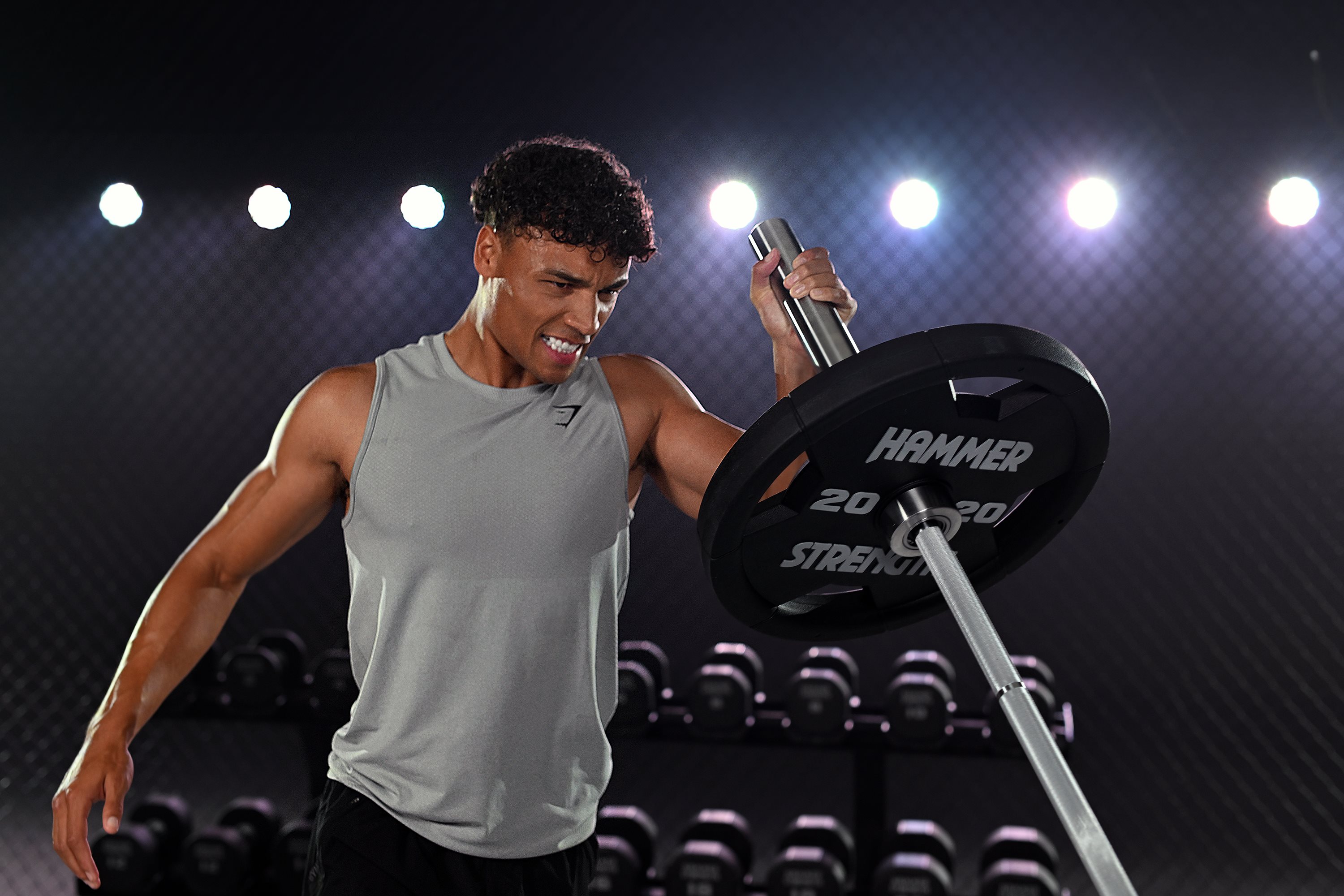
When you skip over accessories, you’re not just cutting corners on equipment, you’re cutting corners on your members’ experience.
Driving Member Satisfaction and Retention
Q: How can the right accessories improve member satisfaction and retention?
Justin: First, quantity and range matter. If a member can never find the 15-pound dumbbells because someone else is using them, frustration builds fast. Having enough of the right weight ranges for your diverse membership is essential.
Second, accessories are the variety engine of your facility. Members can swap exercises, try new movements, or change routines entirely just by picking up a different tool. That keeps training fresh, and members engaged.
And third, this is often overlooked, accessories are in members’ hands, faces, and line of sight for a large part of their workout. From the feel of the grip to the balance in their hand and the look of the design, every small sensory detail shapes how prospects and members experience your brand.
“It’s not just about having accessories. It’s about having the right ones, in the right quantities, at the right quality.”
The Must-Have Accessories Every Facility Needs
Q: Which accessories should every facility prioritize?
Justin: Olympic bars and dumbbells are non-negotiable. They’re the workhorses of the gym.
Safety is the priority when members lift weights, and failure is not an option. But after safety, it’s about the interaction.
With bars, for example:
- Too-aggressive knurling? You’ll tear up members’ hands.
- Poor plating? It rusts.
- Loose tolerances? You get clang, rattle, and grind, not exactly the sound of a premium experience.
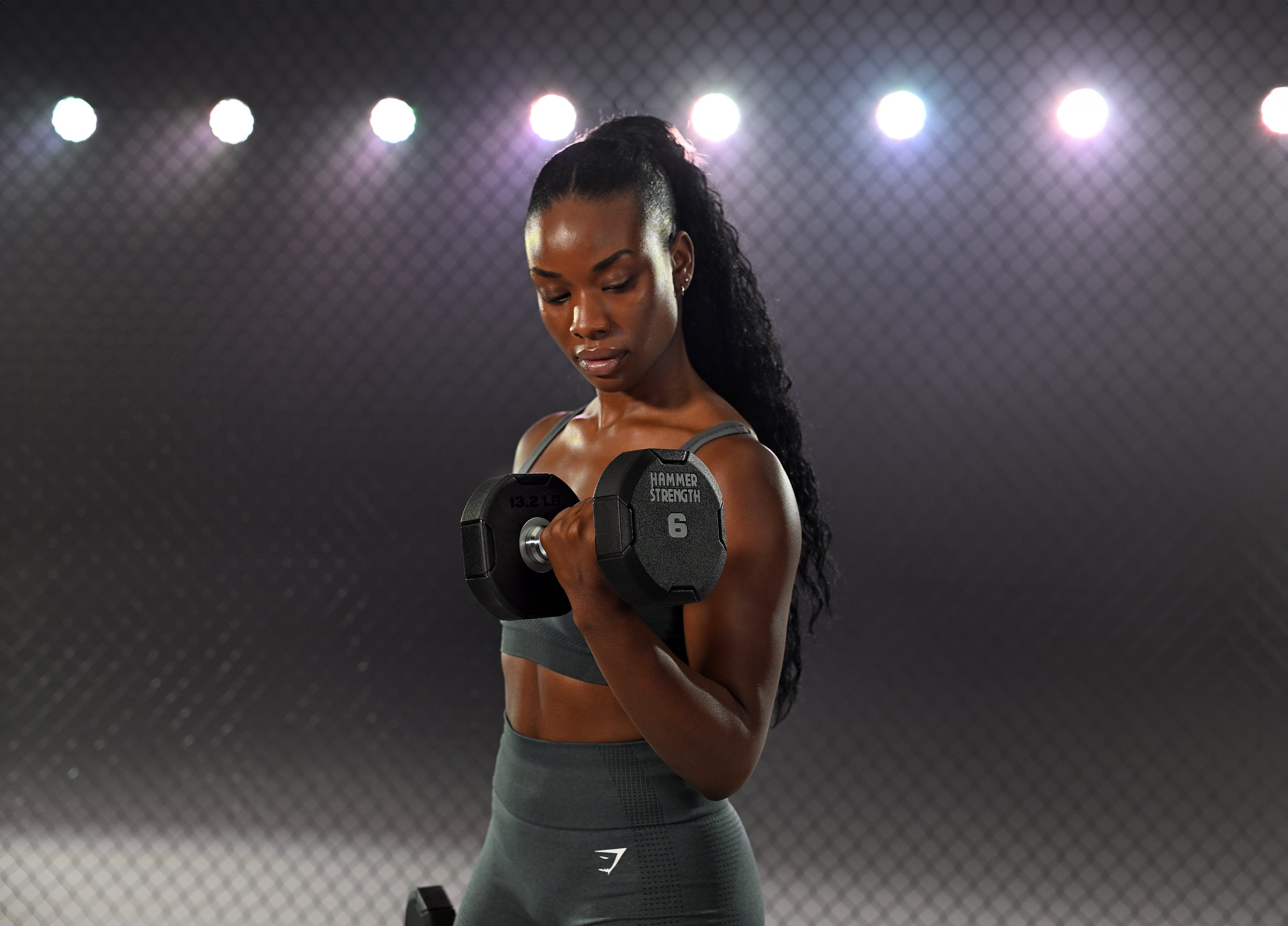
Dumbbells are equally important. They’re incredibly versatile, often a focal point in the weight area, and get more use (and abuse) than almost any other piece of equipment. Cheap ones degrade fast. Quality ones maintain performance and appearance year after year.
Operational Efficiency and Equipment Longevity
Q: How do accessories contribute to operational efficiency and longevity?
Justin: Cheap accessories don’t just fail faster; they create a domino effect of problems. A low-grade kettlebell can chip paint off a rack, dent a storage tray, or even crack your flooring. And when flooring is one of the most expensive long-term investments a facility makes, that damage adds up quickly.
Premium options, like urethane-coated dumbbells or rubber-coated kettlebells, flip the script. They protect themselves from early wear while also safeguarding your racks, your floors, and the overall training environment. In other words, you’re not just buying a better dumbbell, you’re buying fewer replacements, fewer repair bills, and fewer avoidable headaches down the line.
Making the Most of Space
Q: Can you share examples of how accessories can help maximize space and versatility?
Justin: Accessories are some of the most flexible tools you’ve got, but where you put them matters just as much as how you use them.
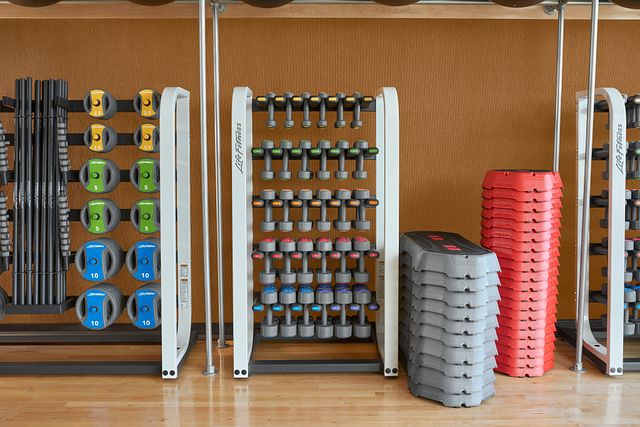
Take the Synrgy 180. It tucks right along the edge of a functional training space but still holds a ton of accessories across different tray options. Everything’s easy to grab, bring out onto the turf, and then put back when you’re done. So, you’re not only storing more; you’re keeping the turf wide open for movement.
Same idea with group training. Our Studio Collection is built to keep big classes moving. Picture 60 people needing hundreds of accessories at once. With integrated storage, everything has its place, people can get what they need without slowing down, and cleanup is quick. The result: classes stay efficient, and the floor stays safe and organized.
What Sets Life Fitness and Hammer Strength Accessories Apart
Q: How are your accessories different from others on the market?
Justin: A lot of brands buy generic accessories from overseas factories, slap their logo on, and call it a day. We don’t do that.
Every LF/HS accessory is designed in-house by the same industrial design and engineering teams that create our cardio and strength products. That process isn’t just about durability on paper. It’s about building accessories that truly support the long-term success of a facility.
For managers, that translates into three big advantages:
- Consistency: Every piece is engineered to the same standards as our cardio and strength equipment, so you know it will hold up to daily use.
- Integration: Accessories are designed to work seamlessly with racks, storage, and machines protecting your larger investment while keeping the floor organized and functional.
- Member Experience: The ergonomics, feel, and usability are all thought through, which keeps members safe, engaged, and confident in your facility.
So, when you choose LF/HS accessories, you’re not just filling in the gaps. You’re extending the same quality and brand promise across every touchpoint in your training environment.
From Concept to Launch… With Feedback Built In
Q: How do you approach product development?
Justin: We have a stage-gate process that starts with listening. Facility managers, trainers, and members all have a voice. We take that input, build prototypes, test them in real-world environments, collect feedback, and refine it until we have something that truly meets the need.
Q: Any recent innovations that solve facility pain points?
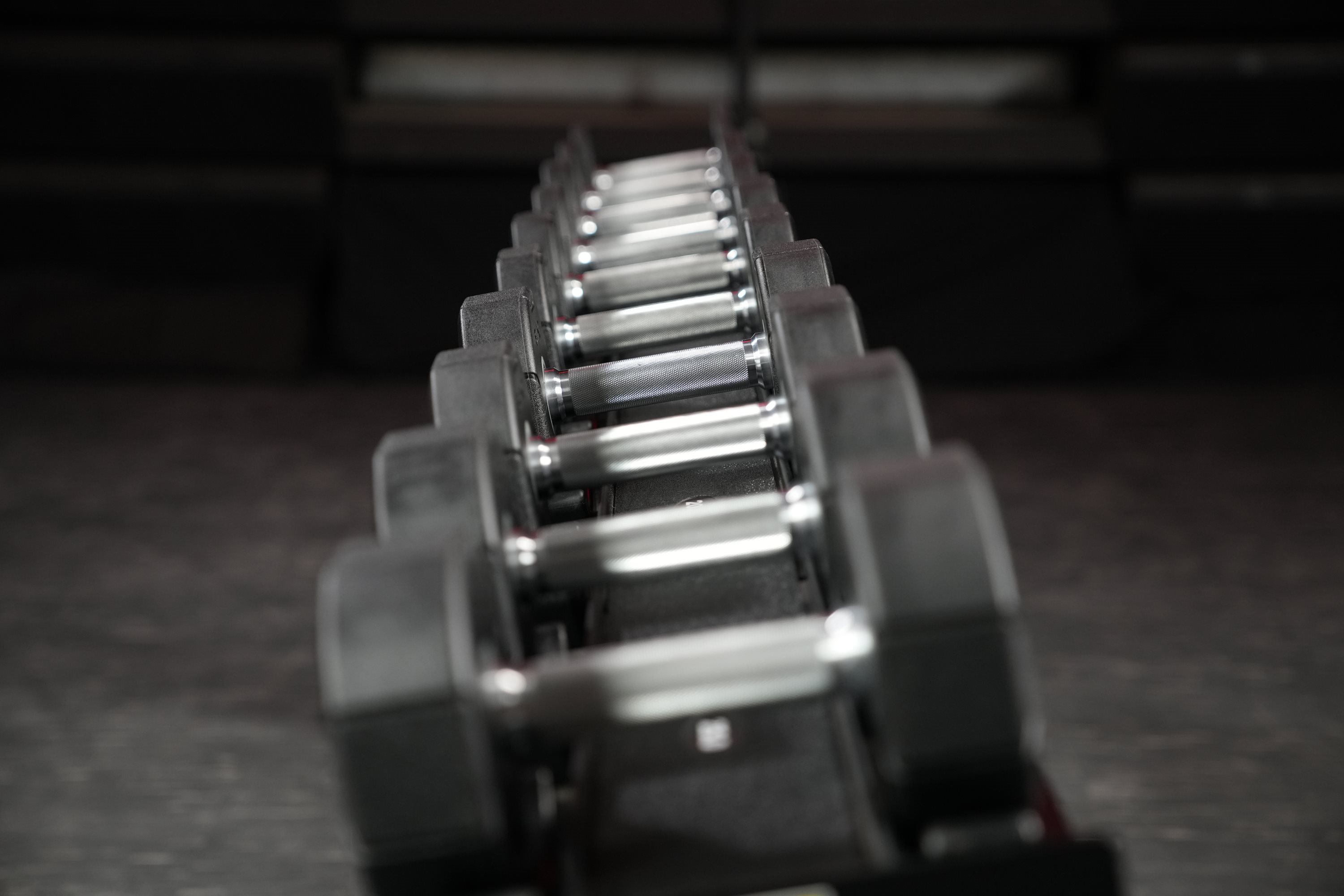
Justin: Our new 4-sided dumbbell and fixed barbell line is a great example. It’s already live in North America, and we’re expanding the launch to Europe and Asia. The design tackles two of the biggest pain points at once: safety and maintenance. Flat sides stop the weights from rolling, keeping spaces tidy and reducing trip hazards. UV inhibitors keep them looking new for years. And a proprietary chemical bond between the steel core and urethane shell means they can handle daily drops without separating or breaking down.
Shaping the Member Experience Through Accessories
Q: How do accessories influence the workouts a facility can offer?
Justin: They can completely change what’s possible in a facility. For example, if a gym has never offered boxing, simply adding a bag and gloves instantly creates a new training station. Or take a power pivot; attach it to a squat rack and suddenly members have access to dozens of rotational and pressing exercises that weren’t available before.
Q: And safety?
Justin: Safety isn’t just about your big machines. It’s about every piece of equipment on the floor. You wouldn’t put a low-quality bar on a premium squat rack, or a flimsy attachment on a commercial cable machine. Every accessory should meet the same safety level as the equipment it supports.
Differentiating Through Accessories
Q: How can facility managers use accessories to set themselves apart?
Justin: When members see LF/HS accessories, they instantly connect that to quality. It’s the same as walking into a luxury hotel versus a budget one. You can tell right away where quality has been prioritized.
“When you bring Hammer Strength into your facility, you’re telling members: this is a place to push limits—safely.”
Looking Ahead: Trends and the Future
Q: What trends should managers watch?
Justin: Strength training continues to grow, especially free weights and plate-loaded equipment. Facilities need to think about how much equipment they carry, the mix of pieces available, and how it’s arranged within the space, all while considering the sensory experience they create for members.
Technology is also starting to make its way into accessories. Soon, tracking and guided programming for accessory-based workouts will be much more accessible.
Measuring ROI on Accessories
Q: How can managers measure the return on investing in high-quality accessories?
Justin: Look at member retention and new member conversion. Are members finding the equipment they want, in the condition they expect, every time they train? Do tours showcase a space that feels premium and complete? Those factors are the real ROI because they directly impact revenue.
Final Word
Accessories aren’t add-ons. They’re the high-touch, high-use tools that shape how members experience your facility every day. As Justin Wireman puts it:
“Get the quantities right, invest in quality, and remember: every accessory is a reflection of your brand.”
Source: https://www.lifefitness.com/en-us/customer-support/education-hub/blog/gym-accessories-facility-planning