Top 7 KPIs to Track Your Pilates Studio’s Success

Running a successful Pilates studio requires passion, expertise and a keen eye on the numbers that drive your business forward. Key Performance Indicators (KPIs) play a crucial role in assessing the overall performance of your studio, helping you make informed decisions and strategize effectively.
By tracking these essential metrics, you can gain valuable insights into various aspects of your Pilates studio’s operations, identify areas for improvement, and ensure long-term success.
In this blog post, we will explore the must-have KPIs that every Pilates studio owner or manager should track. Whether you’re just starting or looking to optimize your existing studio, understanding these performance indicators will empower you to make data-driven decisions that enhance client satisfaction, improve financial stability, and propel your business to new heights.
Join us in conversation with Wataru Kamiizumi, Merrithew® Lead Instructor Trainer, president and founder of ZONE Academy of Fitness, Merrithew Licensed Training Center and Thicha Srivisal, Merrithew Lead Instructor Trainer and co-founder of Breathe Pilates, Merrithew Licensed Training Center as they talk about some KPIs that they swear by for their studios.
Class attendance
“Class attendance is a fundamental KPI for measuring the success of a Pilates studio. By tracking the number of attendees in each class, studio owners can evaluate the popularity of different sessions and instructors.”
– Wataru Kamiizumi, President & Founder of Bcube, Osaka, Japan
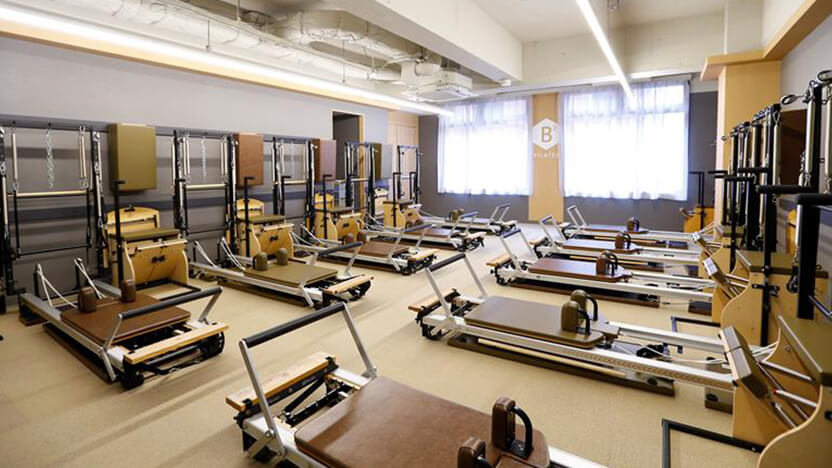
Image source: Wataru Kamiizumi, Bcube
Increasing class attendance signifies higher demand and engagement, indicating a successful studio. Consistently monitoring this KPI helps identify any declining trends or opportunities for growth.
Client retention rates
“Client retention is crucial for the long-term success of any Pilates studio. Monitoring the percentage of clients who continue their memberships or return for additional sessions provides insights into customer satisfaction and loyalty,” Wataru says.

“A high retention rate suggests that clients value the studio’s offerings and are achieving their fitness goals. By implementing strategies to enhance retention, such as personalized attention and creating a welcoming environment, studio owners can foster stronger relationships with their clients”
– Thicha Srivisal, Co-founder of Breathe Pilates, Singapore.
Revenue generated per client
“Tracking the revenue generated per client provides a clear indication of the studio’s financial performance and the effectiveness of its pricing strategies. By dividing the total revenue by the number of clients, studio owners can calculate the average revenue generated per client.” Wataru suggests.

This metric will help you identify high-value clients and assess the overall profitability of the business. Increasing revenue per client can be achieved through upselling additional services, introducing package upgrades, or offering specialized training sessions.
Studio space utilization rate
“Optimizing the usage of studio space is vital for maximizing revenue and providing a seamless experience to the clients,” Thicha says.

Tracking the studio space utilization rate helps assess how efficiently the available space is utilized. By analyzing peak and off-peak hours, studio owners can identify opportunities to schedule additional classes or offer specialized programs. “Maximizing studio space utilization ensures a steady flow of classes and accommodates the needs of a growing customer base,” Wataru says.
Number of new clients per month
Attracting new clients is essential for the growth and sustainability of a Pilates studio. Monitoring the number of new clients monthly helps evaluate the effectiveness of marketing campaigns, referral programs, and customer acquisition strategies.
“By analyzing the trends and identifying the most successful acquisition channels, studio owners can allocate resources to areas that generate the highest number of new clients. This KPI provides valuable insights into the studio’s overall market presence and growth potential,” Wataru says.
Client satisfaction
“Maintaining a high level of client satisfaction is vital to the success of any Pilates studio. Tracking client satisfaction scores through surveys, feedback forms, or post-session evaluations allows studio owners to gauge the quality of their services,” Wataru says.
By continuously striving to improve client satisfaction, studios can enhance their reputation, encourage positive word-of-mouth referrals, and retain their existing clientele. This KPI provides actionable feedback for making targeted improvements to the overall client experience.
“Measuring customer satisfaction is crucial for maintaining long-term client relationships and driving positive word-of-mouth recommendations,” Thicha suggests.
Regularly collecting customer feedback and assessing customer satisfaction scores allows studio owners to identify improvement areas and promptly address any concerns. A high customer satisfaction score indicates a positive studio experience, leading to increased loyalty, repeat business, and client referrals.
Number of classes booked
“Tracking the number of classes booked provides insights into the popularity and demand for different types of Pilates sessions. This KPI helps studio owners understand client preferences and adjust class schedules accordingly,” Thicha says.
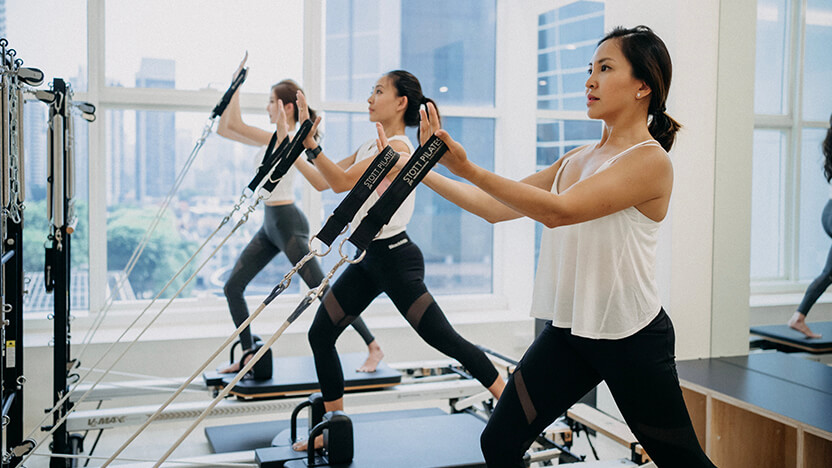
By offering a variety of classes, including private sessions, group classes, and specialized programs, studios can cater to the diverse needs and fitness levels of their clients. Increasing the number of classes booked indicates higher engagement and overall studio success.
By monitoring these KPIs you can gain valuable insights into various aspects of your studio’s performance. These insights will enable you to make informed decisions, optimize your operations, enhance client satisfaction, and drive long-term success. Get ready to take your Pilates studio to new heights by harnessing the power of data-driven decision-making.
Source: https://www.merrithew.com/blog/post/2023-07-04/top-7-kpis-to-track-your-pilates-studios-success?utm_source=Mailchimp&utm_campaign=d150f21307-NL_202402_Part_1&utm_medium=email&utm_term=0_-437fd17e9b-%5BLIST_EMAIL_ID%5D&ct=t(NL_202402_Part_1)&goal=0_0cd2a6749f-d150f21307-182743006&mc_cid=d150f21307&mc_eid=0c09e032cf