Pilates for Osteo & Lifelong Bone Health
Osteoporosis is sometimes referred to as the silent disease since many people are unaware of changes in their bone health as they happen. It is easy to assume osteoporosis is something to think about only after menopause or well into older adulthood. In truth, bone health begins shifting much earlier than most of us expect, often long before we think to pay attention to it.
You cannot feel your bones becoming thinner or sense your density decreasing. For many, the first indication is a fracture, sometimes from a minor fall or an everyday movement that should not have caused harm. According to the International Osteoporosis Foundation, one in three women and one in five men over the age of 50 will experience an osteoporotic fracture in their lifetime. These stats highlight an important point in building awareness early and taking small, proactive steps to support bone health can make a meaningful difference for everyone.
How Early Prevention Builds Strong Bones for Life
STOTT PILATES® Master Instructor Trainer, Laureen Dubeau explains, “we reach our peak bone density between ages 25 and 30. After that point, bone density slowly begins to decline for both male and female.” Between ages 30 and 50, the loss is subtle but progressive, and by the time most people consider themselves old enough to worry about bone health, their bones have already been changing for years.
This is why thinking about bone health earlier in life can really help. The teenage and young adult years represent a critical window for building strong bones. During this time, the body is still developing bone mass, and physical activity plays a significant role in determining how much bone you accumulate before reaching your peak.
Think of bone health like long-term savings. The more ‘bone wealth’ you build early on, the more protected you will be against loss later. The good news is that the choices you make today can have a profound impact on your bone strength decades from now.
Daily Habits That Support Bone Health & Help Prevent Osteoporosis
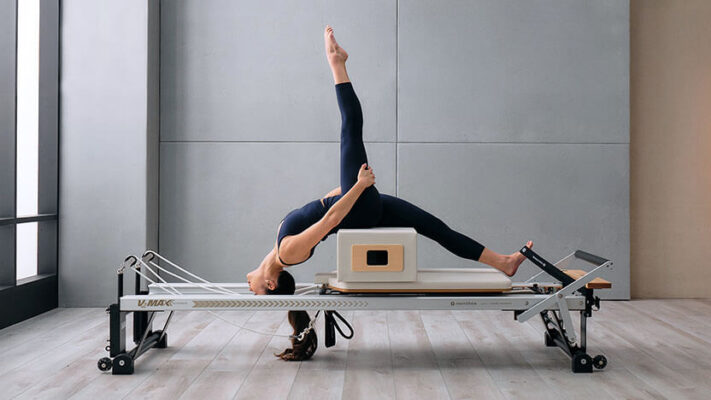
Sedentary lifestyles accelerate bone loss. Movement of any kind helps your bones remain healthy, resilient, and functional. Strong bones are built through consistent, everyday habits such as:
- Weight-Bearing Exercises: Walking, dancing, stair climbing, and hiking encourage the bones to adapt to impact by becoming stronger.
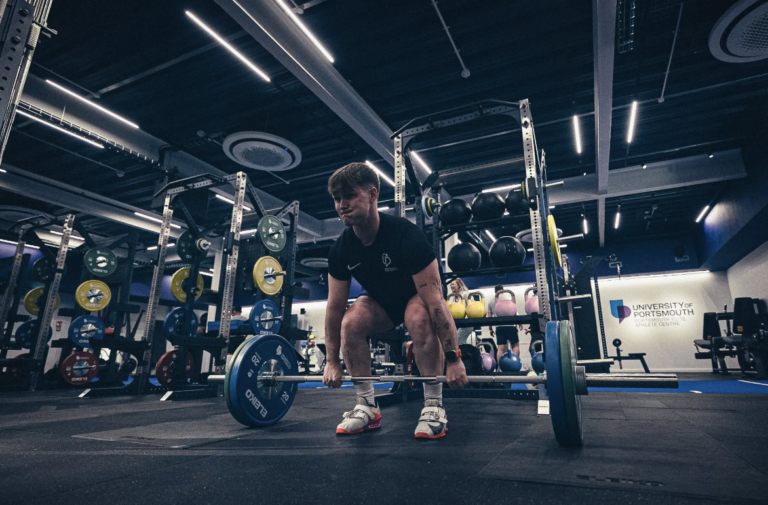
- Resistance Training: Strength training helps build the muscle that surrounds, protects, and supports the bone. The stronger the muscles, the more stress they place on the bones, stimulating bone growth and density.
- Nutrition That Supports Bone Formation: Calcium-rich foods, vitamin D, and adequate protein provide the essential materials bones need. Sunlight, fortified foods, and nutritious meals play an important role.
How STOTT PILATES Supports Bone Strength
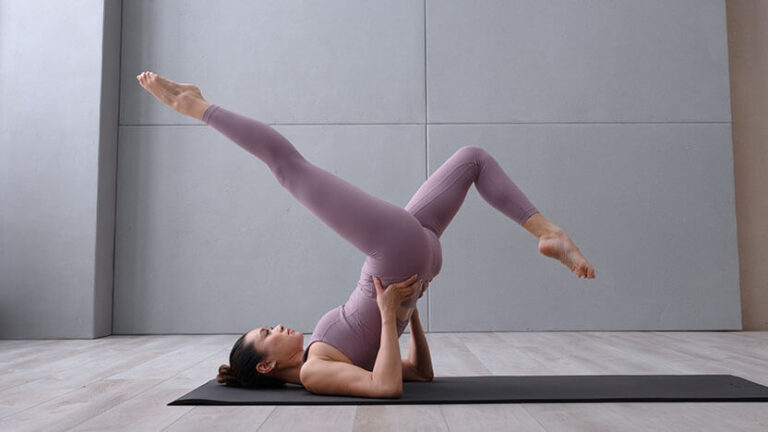
One of the most valuable benefits of Pilates is its emphasis on posture and alignment. When you understand how the body works as an integrated system, it becomes easier to maintain good bone alignment. This helps your muscles work more efficiently and makes movement smoother and more controlled.
Balance training is another key piece of the puzzle. Pilates naturally helps build and maintain balance, which become especially important later in life, as falls are a leading cause of osteoporotic fractures.
Because osteoporosis also comes with clear guidelines on movements that should be avoided, Pilates instructors must understand how to modify exercises safely and effectively. This need inspired the creation of the STOTT PILATES Bone Health and Osteoporosis Professional Development Course. It gives instructors the knowledge and confidence to support clients with varying degrees of bone fragility.
The STOTT PILATES Movement System™ takes a whole-body approach that integrates postural alignment, targeted muscle activation, and movement patterns that support functional strength. The system’s foundations in precision and alignment help guide clients toward safer, more effective movement.
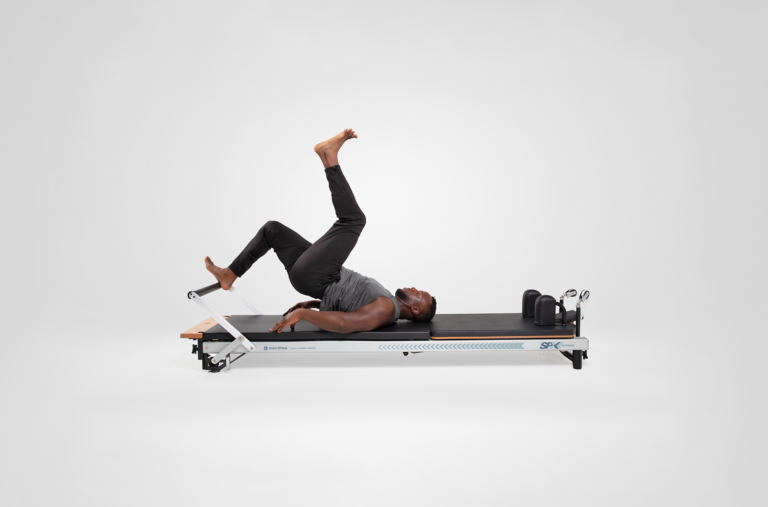
Incorporating the Reformer and accessories such as the Mini Stability Ball™, Toning Ball™, and Flex-Band® introduces gentle, controlled resistance that strengthens the entire body. These exercises engage the stabilizing muscles that support the spine, hips, and pelvis, which are critical areas for preserving bone integrity and overall stability.
Movement for Better Bone Health
Movement is one of the most effective ways to reduce the risk of developing osteoporosis and many other health concerns. While any movement is better than none, targeted, specific, and mindful practices such as Pilates offer powerful benefits that build and strengthen the body and support health over time.
Discover how you can develop safer, more effective programming for clients with osteoporosis and expand your studio’s offerings.
Source: https://www.merrithew.com/blog/post/2025-12-12/pilates-for-osteo-lifelong-bone-health