Is Pilates for Beginners? Everything You Need to Know to Get Started
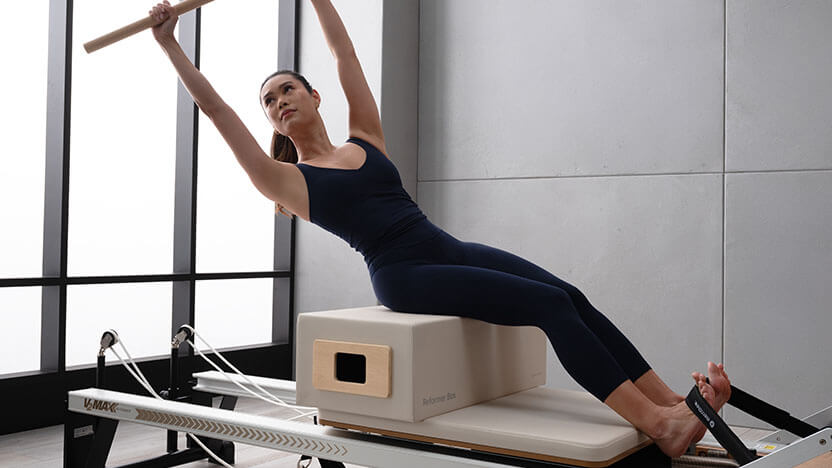
Pilates has been transforming the way people move and feel for over a century. Once the secret training method of professional dancers, it’s now a mainstream mind-body workout practiced by millions worldwide.
Unlike traditional strength training, Pilates doesn’t rely on heavy weights. Instead, it uses spring-based resistance to create strength through stability. Over time, it improves flexibility, coordination, posture, and body awareness, helping you move more efficiently in everything you do.
“Pilates helps you develop body awareness, and a greater understanding of how the body moves.” says Merrithew® Master Instructor Trainer Laureen DuBeau. “It’s not just about getting fitter, it’s about learning to move better.”
Why Pilates Is Perfect for Beginners
Pilates was originally developed by Joseph Pilates in the early 20th century as a method of rehabilitation. While working with injured soldiers and dancers, he designed exercises and equipment that helped rebuild strength, mobility, and balance through controlled movement and mindful breathing.
That restorative foundation remains at the heart of Pilates today. With its focus on alignment, stability, and controlled resistance, Pilates is one of the safest and most adaptable exercise methods for people of all ages and fitness levels. It’s gentle on the joints yet incredibly effective for developing strength and improving functional movement.
Benefits of Pilates for Beginners include:
- Improved core strength and stability
- Better posture and balance
- Increased flexibility and mobility
- Reduced stress and tension through mindful breathing
- Enhanced body awareness and confidence
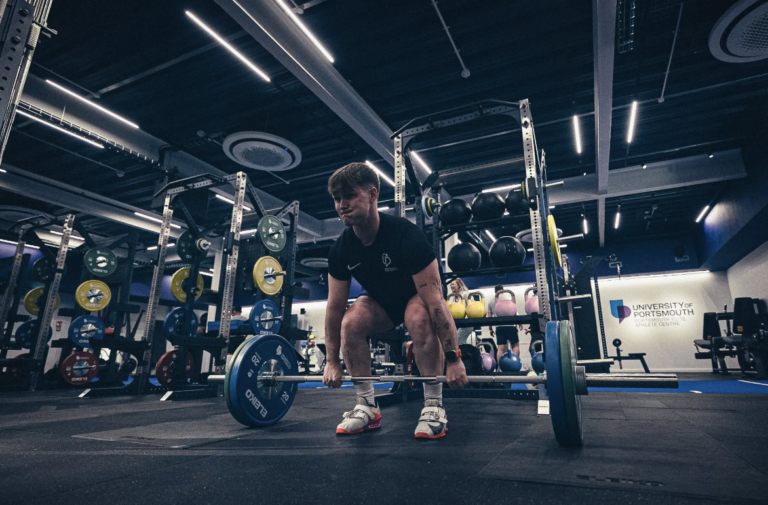
Pilates also pairs beautifully with strength training to create a balanced, powerful body. It builds stability, mobility, and precision, while strength training develops muscle and endurance. Together, they enhance performance, efficiency, and resilience across every form of movement — both inside and outside the studio.
Mat vs. Reformer Pilates: What’s the Difference?

Let’s get one thing straight, they’re not competitors. They work together to strengthen your body, improve mobility, and deepen the mind-body connection.
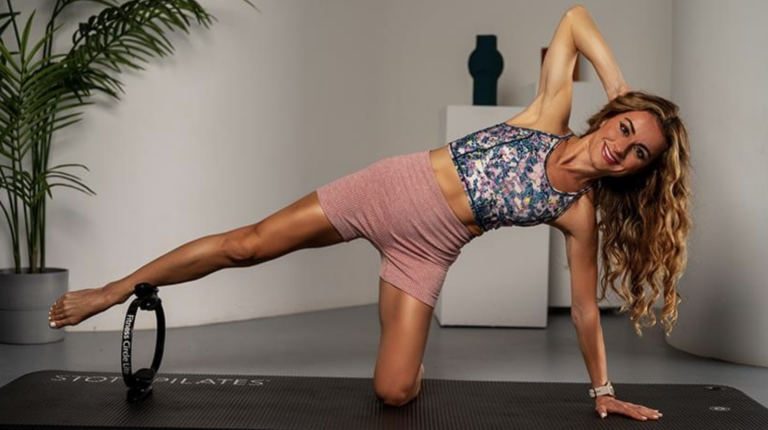
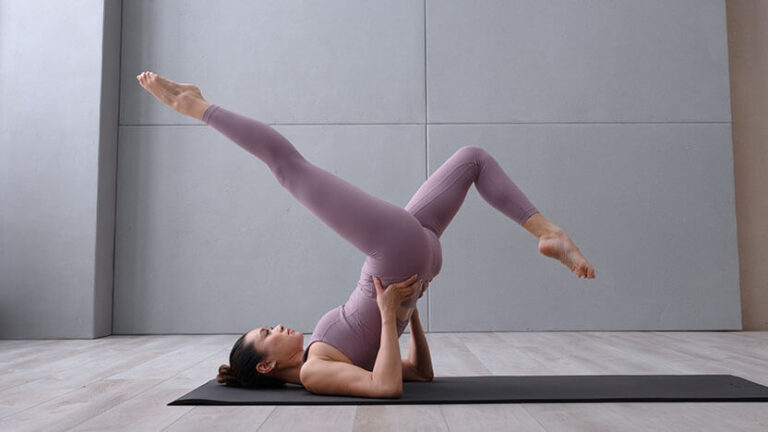
Mat Pilates relies on bodyweight and gravity for resistance. All you need is a mat and a few simple accessories such as a Toning Ball™, Mini Stability Ball™, or Non-Latex Flex Band®, to build strength, balance and control.
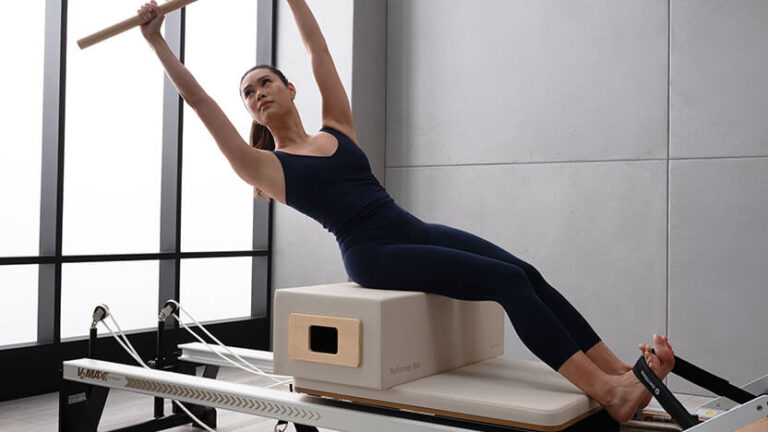
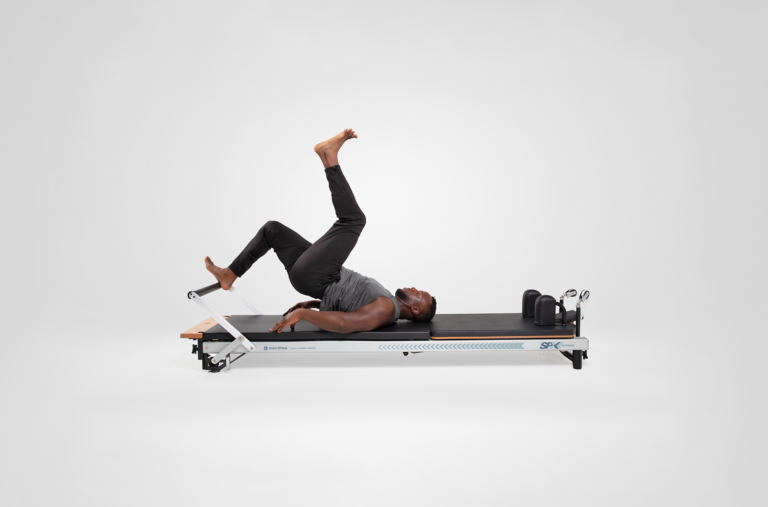
With Reformer Pilates, nothing goes unnoticed. The spring-based carriage pushes back as you move, giving you instant feedback on your alignment, control, and effort. That real-time response helps you fine-tune every rep, so you’re not just working harder—you’re moving smarter, improving coordination, posture, and stability with every session.
Both forms of Pilates share the same goal: to help you move with precision, awareness, and ease. Practicing both offers a well-rounded approach to strength and mobility that supports you in everyday life.
How to Start Pilates as a Beginner
If you’re new to Pilates, here are a few simple steps to get started safely and effectively:
- Find a certified instructor: Look for a qualified Pilates teacher who can guide you through the fundamentals, ensure proper form, and tailor exercises to your body’s needs.
- Try a beginner-friendly class: Start with an introductory mat or Reformer session to learn the basics of breathing, alignment, and control.
- Be consistent: Committing to two sessions per week can significantly improve strength, flexibility, and quality of life.
- Listen to your body. Pilates isn’t about perfection; it’s about awareness and steady progress.
- Keep it fun: The more you enjoy your sessions, the more consistent you’ll be.
Takeaway
Whether you’re new to fitness, returning after a break, or looking for a gentle yet powerful way to move, Pilates is the perfect place to start. It’s a method that grows with you, helping you feel stronger, more flexible, and more connected from the inside out.
Ready to begin your Pilates journey?
Find a certified instructor or explore Merrithew Connect™ to start practicing from home and experience the difference for yourself.
Check out our Pilates essential kit to get started.
Source:https://www.merrithew.com/blog/post/2025-11-25/is-pilates-for-beginners-everything-you-need-to-know-to-get-started