How to Reduce Gym Noise and Vibration
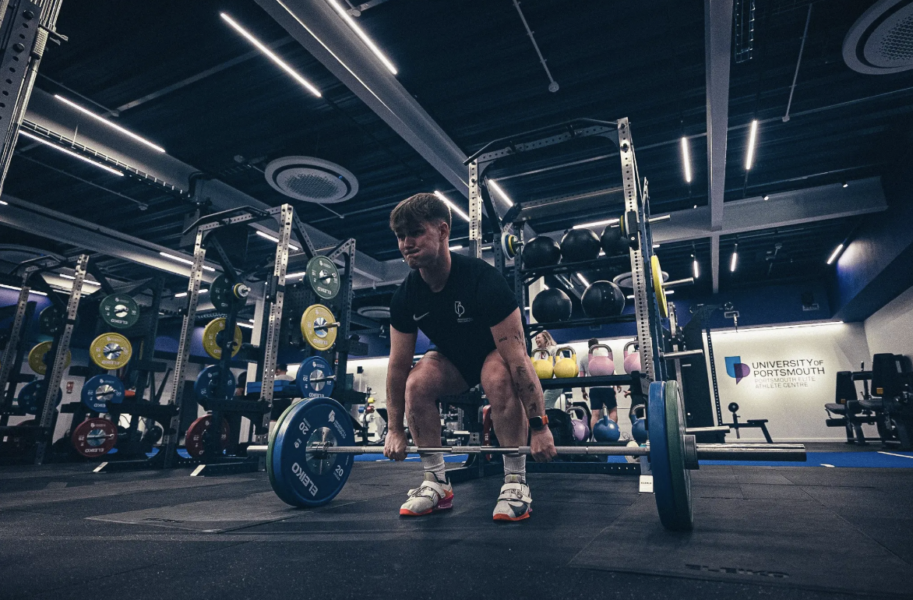
The definitive guide: How to reduce gym noise and vibration without compromising heavy strength training.
Reducing gym noise is rarely about “silencing everything.”
The real goal is to create a training environment where heavy strength training can take place without disturbing neighbours, staff, or other members.
As gyms are increasingly established in city centers, office buildings, and mixed-use properties, noise and vibration have become a strategic concern — not just a technical detail.
Below is a practical, step-by-step guide to help you understand the problem, plan effectively, and build a solution that works in real-world conditions.
Step 1: Identify the type of noise you’re dealing with
All gyms make noise, but not all noise behaves the same way. To choose the right mitigation measures, you first need to understand the type of noise causing the issue.
Airborne Noise
- Music
- Voices
- Fans and ventilation
Airborne noise travels through the air and is often relatively easy to reduce using acoustic treatments within the room.
Impact Noise and Vibration
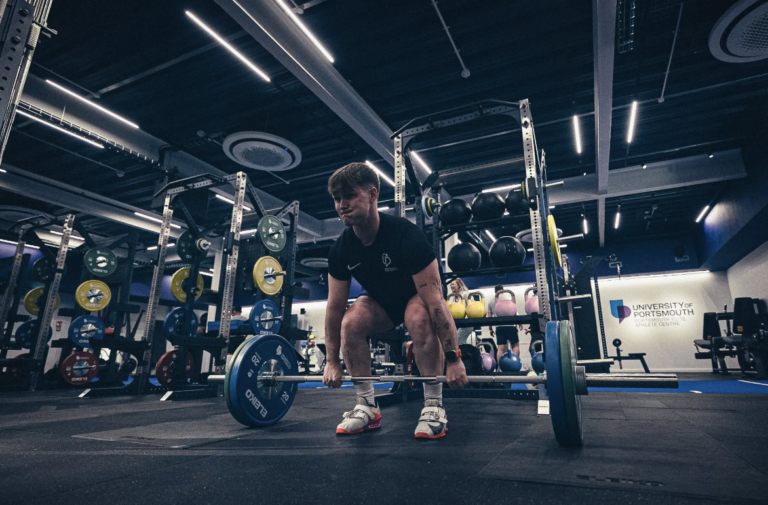
- Barbells and weights landing on the floor
- Weight plates hitting each other
- Heavy lifts transferring force into the building structure
Impact noise is usually the biggest challenge in gyms. Vibrations can travel through floors and structural elements and be perceived in other parts of the building — sometimes several floors away.
Step 2: Plan for real-world behaviour
A common mistake is designing a gym based on how you wish people would use it. In reality, your solution must handle how gyms are actually used:
- Some members drop weights
- Some clang plates together
- Some move equipment to where it suits them best
This isn’t the exception — it’s everyday reality. We know this from speaking with gym owners around the world, every day, for decades.
That’s why clearly defined lifting zones and the right flooring make a real difference. When a gym is built for real behaviour, noise issues and future rebuilds are reduced. It saves time, money, and energy—and allows members to train without interruptions.
Step 3: Build a solution that’s easy to use correctly
The most effective noise solutions often make the right behaviour the obvious choice. A well-designed lifting zone ensures that:
- Heavy lifts have a clearly designated area
- The surface is stable to stand on
- The landing area is built to absorb impact
When lifting areas are clearly defined, the risk of noise spreading throughout the gym — due to equipment being moved around — is reduced. Members intuitively understand where heavy lifting belongs and use the space accordingly.
Step 4: Think about the gym as a whole
Noise and vibration affect more than just your relationship with neighbours. They shape the entire gym experience:
- PT sessions and coaching – conversations work without raised voices
- Confidence for less experienced lifters – fewer sharp impacts make lifting areas feel less intimidating
- Premium feel – a more controlled sound environment reduces stress and elevates the overall impression
A gym that takes sound seriously signals care, quality, and professionalism — something members, partners, and especially neighbors notice.

Step 5: Measure, test, and document
In buildings with multiple tenants, “it feels better” is rarely enough. To make informed decisions and create confidence in the project, documentation is essential.
Make sure you can show:
- Floor plans with clear zoning
- Placement of lifting areas in relation to adjacent spaces
- Measurements or test data demonstrating the effect of the chosen mitigation solution
This makes discussions with property owners, project managers, and acoustics consultants easier — and reduces the risk of late-stage issues or costly retrofits.
The right sound strategy creates better training
Reducing gym noise isn’t about removing the character of strength training. It’s about channelling force to where it belongs — into a surface designed for the task.
When noise and vibration are managed at the source:
- Heavy training can continue without compromise
- More members enjoy the space
- The gym functions even in complex buildings
A well-considered sound strategy is not just a technical solution—it’s an investment in experience, flexibility, and long-term sustainability for your gym.
Feel free to contact our experts or explore our flooring solutions.
Source: https://eleiko.com/en/stories/how-to-reduce-gym-noise-and-vibration