How Breathwork Supports Digestion & Energy
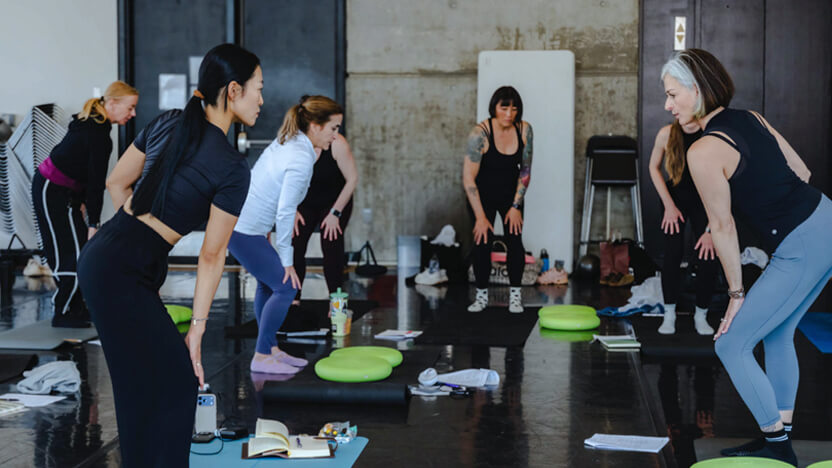
Breathing is something we do without thinking, yet it influences almost every system in the body. It affects how efficiently we move, how much energy we have, how well we manage stress, and even how effectively we digest our food. Because breathing happens automatically, many people never stop to consider how they’re breathing or whether their breathing habits are working for or against them.
“One of the first things people discover in Pilates is that breathing is far more than an automatic function,” says Kim Kraushar, STOTT PILATES® Master Instructor Trainer. “It’s a powerful tool for movement, stability, and overall well-being.”
In Pilates, breath isn’t an afterthought. Every movement is coordinated with intentional breathing patterns that help connect the body, improve efficiency, and support the nervous system. Over time, this awareness often extends beyond the studio, influencing how you breathe throughout your day.
Better Breathing Begins with Awareness
Efficient breathing is typically quiet, slow, deep, and continuous. Yet many people develop breathing habits that are fast, shallow, or restricted without realizing it. Stress, prolonged sitting, poor posture, and busy lifestyles often encourage breathing high into the chest instead of allowing the diaphragm, our primary breathing muscle, to do its job.
As this pattern becomes habitual, the body begins recruiting muscles in the neck and shoulders to assist with breathing. While these muscles are designed to help during periods of high demand, relying on them throughout the day creates unnecessary muscular effort. The result is often tension, fatigue, and movement that feels less efficient.
Pilates helps restore healthier breathing habits by bringing awareness back to the diaphragm and encouraging three-dimensional breathing through the ribcage. This creates a stronger foundation for core support while reducing unnecessary tension throughout the body.
Every Breath is Training Your Core
The diaphragm does far more than help you inhale. It works closely with the deep abdominal muscles, pelvic floor, and spinal stabilizers to create the support system that underpins every movement you make.
“The diaphragm is remarkably designed to work around the clock without fatigue,” explains Kim. “But prolonged slouching or collapsed posture can limit its ability to move freely.” Every time you improve your alignment and create space for the diaphragm to function efficiently, you’re also activating your deep core support system.
With thousands of breaths every day, each one becomes an opportunity to reinforce better posture, improve movement efficiency, and strengthen your body’s natural support system.
Why Better Breathing Can Leave You Feeling More Energized
Efficient breathing isn’t about taking the biggest breath possible. Instead, it focuses on quality, rhythm, and efficiency. Kim recommends practicing:
- Breathing through the nose with the mouth closed
- Keeping the jaw relaxed and the tongue resting on the roof of the mouth
- Three-dimensional diaphragmatic breathing
- Slow, smooth, continuous breaths
- Slightly longer exhales than inhales
- Quiet, gentle breathing rather than large, forceful breaths
As the nervous system begins to settle, you may notice signs that your body is becoming more receptive to digestion, including increased saliva production, warmer hands and feet, and a greater sense of calm and mental clarity.
Simple Breathing Techniques for Everyday Life
One of the greatest benefits of breathwork is that it can be practiced almost anywhere. Kim recommends matching your breathing strategy to what your body needs:
Feeling stressed? Try a physiological sigh: take a deep breath in through your nose, followed by a second quick inhale. Then slowly exhale through your mouth. Repeat a few times to help calm your body and mind.
About to eat? Practice a minute or two of slow diaphragmatic breathing with slightly longer exhales to help prepare the body for digestion.
Need an energy boost? Combine purposeful breathing with walking to help awaken both body and mind.
Key Takeaway
We spend so much time focusing on exercise, nutrition, and recovery that it’s easy to overlook the one thing we do every moment of every day: breathe. The quality of your breathing influences far more than your Pilates practice. It shapes how efficiently you move, how well you manage stress, how much energy you have, and how effectively your body digests and absorbs nutrients.
The next time you pause for a breath, remember that you’re doing more than filling your lungs. You’re creating an opportunity to support your nervous system, improve your movement, and restore your body—one breath at a time.
Source: https://tinyurl.com/3mc2mbz2