9 Tips for Building a Better Home Gym

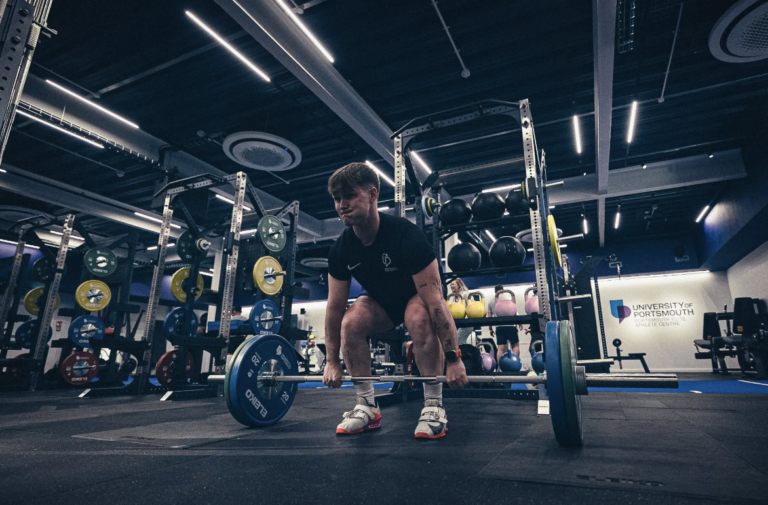
After years of helping customers across the US design their dream setups, Eleiko’s Kat Widup shares her best advice for creating a space that’s safe, functional, and enjoyable to train in — whether it’s a garage, basement, or spare room.


1. Start from the ground up

Flooring is the foundation. Most people begin with tiles or a lifting platform and build from there. Choose modular tiles that protect the floor, reduce noise, and can be reused if you move.

2. Choose a versatile centerpiece

A Prestera Half Rack is the most popular choice. It’s compact but offers everything you need — squats, presses, pulls, and storage options. Add attachments that match your training goals and build around that.

3. Keep your space clear

More equipment doesn’t mean better training. A well-designed home gym is about how it works, not how much it holds. Use wall-mounted storage and utility boards to keep gear off the floor and maintain a clean, motivating space.


4. Skip the trends

Smart or connected machines may look impressive but often end up unused. Trends come and go — free weights have always worked. Timeless, durable gear gives better results and lasts a lifetime.

5. Go for a half rack

The half rack is one of the most underrated pieces of equipment. Many think a full power rack is a must, but a half rack offers everything you need in less space — efficient, safe, and clean.

6. Plan around the barbell

The barbell requires the most room and freedom of movement. Start your layout with the barbell — make sure it can move freely and safely — then build everything else around it.


7. Think modular and movable

People move more often these days. Choose equipment and flooring that can move with you. Eleiko’s modular tiles and Prestera system make it easy to reconfigure or relocate your gym.

8. Get expert help early

A free design consultation can save time and help you visualize your setup before you buy. Discuss your training style, review 2D and 3D renderings, and receive a clear quote and installation plan — with no cost or commitment.

9. Don’t overthink installation

Roughly half of Eleiko’s home gym customers install everything themselves with basic tools. For larger projects, professional installers are available. Either way, you’re never left alone with just a manual.

Final thought

No matter the size or budget, it’s possible to create a home gym that’s safe, functional, and inspiring — a space you’ll actually want to train in.


Source: https://eleiko.com/en/stories/9-tips-for-building-a-better-home-gym

Share

Related Posts

April 7th, 2026

Is Pilates for Beginners? Everything You Need to Know to Get Started

Pilates has been transforming the way people move and feel for over a century. Once the secret training method of professional dancers, it’s now a mainstream mind-body workout practiced by millions worldwide. Unlike traditional strength...

March 31st, 2026

Why Accessories Deserve a Front-Row Seat in Facility Planning

They may not take up much floor space, but in a member’s hands, accessories can make or break the workout experience. From the grip on a dumbbell to the organization of a training station, these small details have an outsized impact on how members...

March 23rd, 2026

Beyond Cardio: How Indoor Cycling Became the Anchor of Group Training Spaces

Walk into a modern cycling studio today and it feels different than it did a decade ago. The lights are immersive, the music syncs with the ride, and the energy is electric, whether you’re a first-timer or a seasoned triathlete. Indoor...

March 17th, 2026

Maintaining a Safe Pilates Practice During Fasting

FOREMOST, ALWAYS CONSULT YOUR HEALTHCARE PRACTITIONER BEFORE STARTING OR ADAPTING ANY EXERCISE ROUTINE. How Fasting Affects Movement & Energy Fasting changes how the body uses fuel and fluid. Whether through dietary fasting, religious...

March 10th, 2026

Pilates Trends Defining the Next Chapter of the Industry

The Pilates Boom Is Maturing This low-impact exercise has firmly established itself as a global movement practice, and its momentum shows no signs of slowing. According to the ClassPass 2025 Look Back Report, Pilates experienced a 66%...

March 4th, 2026

How to Reduce Gym Noise and Vibration

The definitive guide: How to reduce gym noise and vibration without compromising heavy strength training.   Reducing gym noise is rarely about “silencing everything.”   The real goal is to create a training environment where heavy...

February 24th, 2026

How Symbio Treadmill Surface Firmness Variety Enhances Member Experience

The patented Adaptive Flex Deck® on the Symbio Runner elevates the classic Flex Deck® feel with the addition of four new treadmill deck firmness settings. Users can now choose between five different deck firmness options (Classic, Soft, Very...

February 16th, 2026

Pilates for Osteo & Lifelong Bone Health

Osteoporosis is sometimes referred to as the silent disease since many people are unaware of changes in their bone health as they happen. It is easy to assume osteoporosis is something to think about only after menopause or well into older...

February 10th, 2026

Movement = Happiness: Unlocking the Power of Regular Movement at Any Age

Why Movement Matters at Every Age Movement is a cornerstone of longevity and quality of life.  It’s more than just physical activity—it’s the foundation for a well—rounded and fulfilling life.  Regular activity fuels...

February 3rd, 2026

A Guide to Indoor Cycling Metrics and Intensity Training on the M3i

How to train using intensity zones on the M3i. Unlock the full potential of every cycling session with Keiser's precision approach to training. We understand that the resistance that feels like a gentle slope to one rider might be another's...