9 Tips for Building a Better Home Gym

After years of helping customers across the US design their dream setups, Eleiko’s Kat Widup shares her best advice for creating a space that’s safe, functional, and enjoyable to train in — whether it’s a garage, basement, or spare room.


1. Start from the ground up

Flooring is the foundation. Most people begin with tiles or a lifting platform and build from there. Choose modular tiles that protect the floor, reduce noise, and can be reused if you move.

2. Choose a versatile centerpiece

A Prestera Half Rack is the most popular choice. It’s compact but offers everything you need — squats, presses, pulls, and storage options. Add attachments that match your training goals and build around that.

3. Keep your space clear

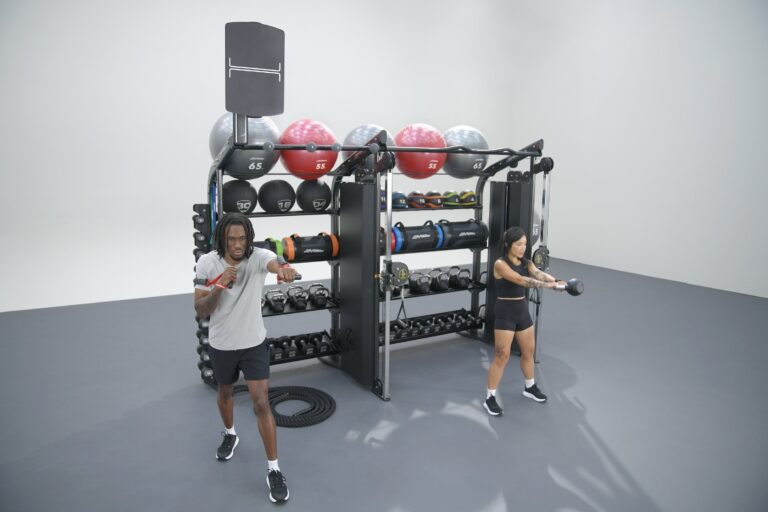
More equipment doesn’t mean better training. A well-designed home gym is about how it works, not how much it holds. Use wall-mounted storage and utility boards to keep gear off the floor and maintain a clean, motivating space.


4. Skip the trends

Smart or connected machines may look impressive but often end up unused. Trends come and go — free weights have always worked. Timeless, durable gear gives better results and lasts a lifetime.

5. Go for a half rack

The half rack is one of the most underrated pieces of equipment. Many think a full power rack is a must, but a half rack offers everything you need in less space — efficient, safe, and clean.

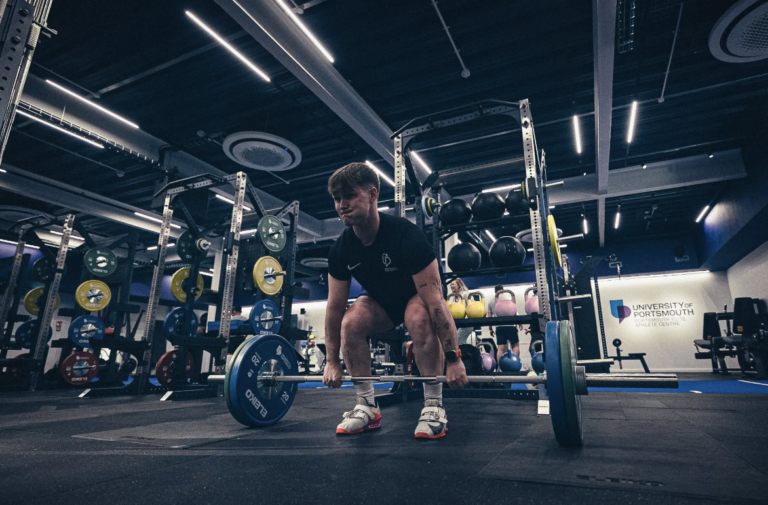
6. Plan around the barbell

The barbell requires the most room and freedom of movement. Start your layout with the barbell — make sure it can move freely and safely — then build everything else around it.


7. Think modular and movable

People move more often these days. Choose equipment and flooring that can move with you. Eleiko’s modular tiles and Prestera system make it easy to reconfigure or relocate your gym.

8. Get expert help early

A free design consultation can save time and help you visualize your setup before you buy. Discuss your training style, review 2D and 3D renderings, and receive a clear quote and installation plan — with no cost or commitment.

9. Don’t overthink installation

Roughly half of Eleiko’s home gym customers install everything themselves with basic tools. For larger projects, professional installers are available. Either way, you’re never left alone with just a manual.

Final thought

No matter the size or budget, it’s possible to create a home gym that’s safe, functional, and inspiring — a space you’ll actually want to train in.


Source: https://eleiko.com/en/stories/9-tips-for-building-a-better-home-gym

Share

Related Posts

January 6th, 2026

Advice from the Experts: Creating the Perfect Home Gym

Every year more and more people are deciding on entering a healthier lifestyle, whether it is getting rid of bad habits, changing their diet, or starting exercising. We all know how good exercise is or how beneficial it can be for us; it...

December 30th, 2025

What To Consider When Designing A Plate Loaded Circuit

Strength training has become a primary driver of engagement, pushing operators to rethink how space, equipment, and programming align with rising expectations. A well-designed plate loaded circuit can deliver throughput, efficient floor use, and a...

December 23rd, 2025

The Evolution Of Fitness Equipment: From Traditional Methods To Modern Training Cages

Welcome to the fascinating world of fitness, where the history of exercise equipment somewhat resembles human evolution—with the difference that instead of evolving from apes to humans, we’ve progressed from stones and sticks to technologically...

December 16th, 2025

9 Tips for Building a Better Home Gym

After years of helping customers across the US design their dream setups, Eleiko’s Kat Widup shares her best advice for creating a space that’s safe, functional, and enjoyable to train in — whether it’s a garage, basement, or spare...

December 9th, 2025

How Does The Power Plate Work? What Are The Benefits For Older Adults?

How does the Power Plate work? And why is it such a breakthrough for older adults? Most people think of exercise as “moving your body to move your muscles.” But Power Plate flips that idea upside down. Power Plate moves you — thousands of...

December 2nd, 2025

Recovery and Wellness: Ariel Lim’s Journey with STOTT PILATES®

Ariel Lim — Merrithew® Instructor Trainer and the owner of Merrithew Host Training Center WITH PILATES® — faced a Lumbar 4-5-disc issue during her teenage years and later acquired a T1-L1 disc problem due to an accident. These personal...

November 25th, 2025

Best Time for Training

Most of us have a time that we prefer to train. For some it’s in the morning, others in the afternoon, and still others prefer the evening. But is there a difference? It has been well established that maximal voluntary contraction, or maximum...

November 18th, 2025

What Happens To Your Body When You Step On A Power Plate?

What Happens To Your Body When You Step On A Power Plate? When you stand on a Power Plate for about 9 minutes, you start to experience pain relief in the knees, hips, and lower back. And elsewhere. Tip: Start at the lowest setting to get...

November 11th, 2025

From Dead Zones to Destination Spaces – How Gyms Are Reinventing the Member Experience Through Experiential Design

The traditional gym model is being reimagined. No longer just rows of cardio machines and weight racks, today’s fitness spaces are evolving into lifestyle hubs, completely redefining how your members interact, recover, and engage with wellness. A...

November 4th, 2025

The Power of Strength Training for a Longer, Healthier Life

Aging is a natural process, but our lifestyle choices greatly influence how we age. While aerobic exercise has long been linked with longevity, growing research emphasizes the importance of strength training in maintaining vitality,...