Try These 5 Forearm Exercises for Your Next Home Workout
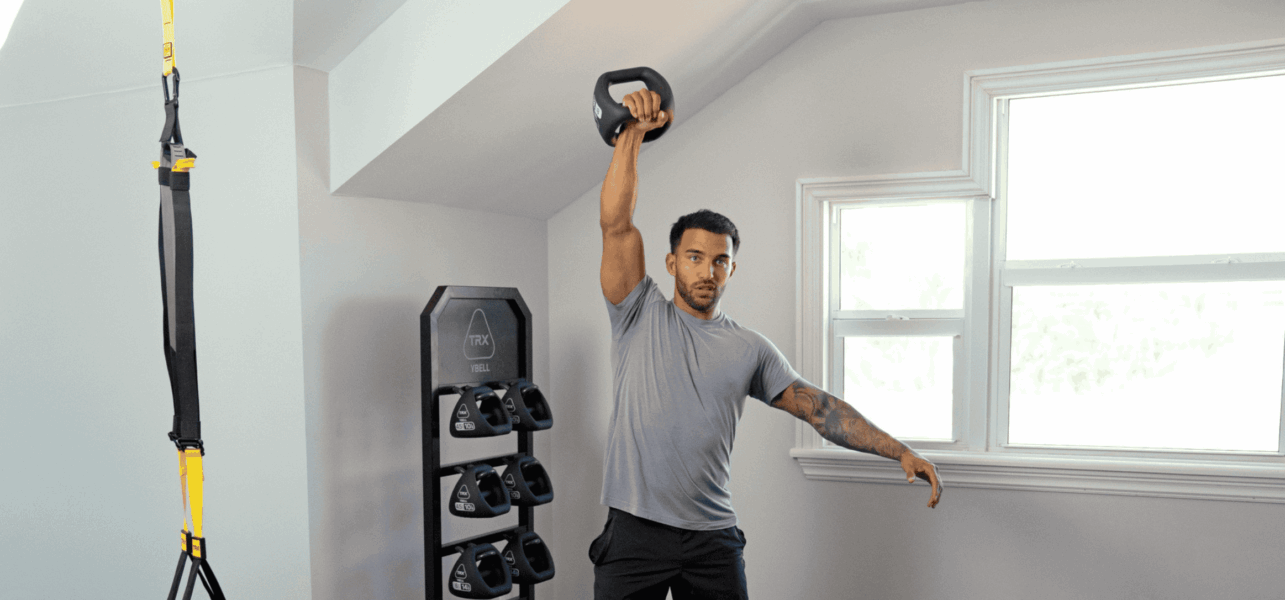
Your forearms might be the missing link you need to unlock your upper body strength. These small (but important) muscles drive everything from daily tasks to heavy training days. The good news: You don’t need a gym to build serious lower arm strength. With some gym equipment, our TRX Suspension Trainer™, and a few functional moves, you can build grip power, wrist endurance, and rotational strength.
Let’s break down seven forearm exercises that punch well above their weight.
Why Forearm Strength Matters
Forearm strength is important because it enhances everyday grip strength and improves control during high-tension movements. We get more into it below.
Boost Everyday Grip Power
Strong forearms make everything easier: lifting, pulling, carrying, and even typing. Grip strength isn’t just a gym metric—it’s a real-world performance booster that’s essential for rock climbing and other sports. Research even links it to heart health, brain function, and longevity.
Prevent Injuries and Improve Control
Training your forearms helps protect your wrists and elbows by building durability through repetitive motion and load-bearing. Balanced forearm development means fewer tweaks and more control, especially during high-tension movements.
How Often Should You Train Your Forearms?
For optimal results, train your forearms 2-3 times per week with at least 48 hours of rest between sessions. This allows for proper recovery while providing enough stimulus for growth. Since forearms are used in many daily activities, they can handle more frequent training than larger muscle groups, but avoid overtraining by listening to your body.
Make Sure You Warm Up Your Forearms Beforehand!
Before diving into forearm exercises, spend 5-10 minutes warming up your wrists and forearms. Perform gentle wrist circles in both directions, flex and extend your wrists through their full range of motion, and do some light finger stretches. This preparation helps prevent injury and improves performance during your workout.
7 Forearm Exercises You Can Do From Home
1. Towel Grip Pull-Ups (or Dead Hangs)
Towel Grip Pull-Ups are excellent for developing crushing grip strength while targeting your forearms, upper back, and biceps. By gripping towels instead of a bar, you force your hands and forearms to work much harder to maintain control, making this a powerful grip-building exercise.
How to Do It:
-
Drape two towels over a pull-up bar, leaving enough length to grip comfortably.
-
Grab one towel in each hand with a firm grip, wrapping your fingers around the towel.
-
Hang from the towels with your arms fully extended and shoulders engaged.
-
If you can do pull-ups, pull yourself up until your chin clears the bar, focusing on maintaining a tight grip on the towels.
-
Lower yourself back down with control, keeping constant tension in your grip.
Tip: Can’t do pull-ups yet? Start with dead hangs, holding for 15-30 seconds. No pull-up bar? Use towels over a sturdy door (close the door for safety) or tree branch.
2. Wrist Curls
Wrist Curls go beyond traditional dumbbell training by engaging more stabilizing muscles due to their movement patterns. This not only builds wrist and forearm strength but also enhances overall grip endurance, crucial for lifting, pulling, and daily functional strength.
How to Do It:
-
Sit on a chair or bench with your forearms resting comfortably on your thighs, palms facing up.
-
Hold a dumbbell (or YBell™) in each hand using the outer grip.
-
Without moving your arms, curl your wrists upward, contracting your forearms.
-
Slowly lower the YBells™ back down to the starting position.
-
After completing the set, switch to a palms-down grip (reverse curls) and repeat the motion.
-
Perform 2–3 sets of 12–15 reps in each direction (palms up and palms down).
3. Reverse Wrist Curls
Reverse Wrist Curls are a classic forearm exercise that targets the extensor muscles on the back of your forearms. This movement helps balance out the flexor strength you develop from gripping activities and is essential for preventing imbalances that can lead to injury.
How to Do It:
-
Sit on a chair or bench with your forearms resting on your thighs, wrists extending just past your knees.
-
Hold a dumbbell in each hand with your palms facing down (pronated grip).
-
Allow your wrists to drop down as far as comfortable, stretching the top of your forearms.
-
Slowly curl your wrists upward, lifting the dumbbells as high as possible using only your wrist movement.
-
Hold the top position briefly, then slowly lower back to the starting position.
-
Perform 2–3 sets of 12–15 reps.
Why it Works: Reverse wrist curls specifically target the forearm extensors, which are often weaker than the flexors. This exercise helps create balanced forearm development and reduces the risk of conditions like tennis elbow.
4. Fingertip Push-Ups
This bodyweight variation turns a standard push-up into a serious grip and finger strength challenge. By shifting your weight onto your fingertips, you build powerful hand muscles, strengthen the tendons, and improve stability through the wrists and forearms—all without any equipment.
How to Do It:
-
Get into a standard push-up position with your body in a straight line and your weight supported on your fingertips.
-
Engage your core and glutes to maintain alignment.
-
Lower your chest toward the ground slowly over 3 seconds, keeping your fingertips pressed firmly into the floor.
-
Push yourself back up over 2 seconds, maintaining fingertip control and tension.
-
Too challenging? Start from your knees or place your hands on an elevated surface like a bench.
-
Want to level up? Place your feet in the TRX foot cradles for added instability and an even greater core and grip demand.
5. TRX Suspension Trainer™ Row
TRX Rows are excellent for building pulling strength while significantly challenging your grip and forearms. The suspended nature of the exercise forces your hands to work harder to maintain control of the handles, making it a powerful compound movement for forearm development.
How to Do It:
-
Anchor your TRX Suspension Trainer™ securely at chest height.
-
Grab the handles with both hands and walk your feet forward until your body is at a 45-degree angle.
-
Keep your body in a straight line from head to heels, engaging your core.
-
Pull your chest toward the anchor point by squeezing your shoulder blades together and driving your elbows back.
-
Focus on gripping the handles tightly throughout the entire movement.
-
Slowly lower yourself back to the starting position with control.
-
Perform 3 sets of 8-12 reps.
Why it Works: TRX Rows challenge your grip endurance while building upper body pulling strength. The unstable handles require constant grip engagement, making your forearms work harder than traditional rowing exercises.
6. Dumbbell Farmer’s Walk
The Farmer’s Walk is one of the most functional grip and forearm exercises you can do. This simple yet brutal exercise mimics real-world carrying tasks while building serious grip endurance and forearm strength using just dumbbells or kettlebells.
How to Do It:
-
Stand tall holding a heavy dumbbell or kettlebell in each hand at your sides.
-
Keep your shoulders back, core engaged, and maintain good posture throughout.
-
Walk forward in a straight line for 30-60 seconds, focusing on not letting the weights sway or bang against your legs.
-
If you run out of space, turn around and continue walking.
-
When your grip starts to fail, that’s the end of your set.
-
Rest for 60-90 seconds and repeat for 2-3 total sets.
Why it Works: Farmer’s walks train your grip under fatigue while also working your entire body. The longer you can hold onto the weights while walking, the stronger your forearms become.
7. Resistance Band Wrist Rotations
This exercise uses a resistance band to target the rotational strength of your forearms, which is often neglected but crucial for wrist health and functional movement. It’s perfect for building balanced forearm development and preventing overuse injuries.
How to Do It:
-
Sit in a chair and anchor a resistance band under your foot or to a sturdy object at waist height.
-
Hold the other end of the band with one hand, arm bent at 90 degrees, elbow tucked into your side.
-
Start with your palm facing down, then slowly rotate your wrist to turn your palm upward against the band’s resistance.
-
Hold for 2 seconds, then slowly return to the starting position.
-
Complete 12-15 rotations in one direction, then reverse the movement for another 12-15 reps.
-
Switch arms and repeat. Perform 2-3 sets on each arm.
Why it Works: Resistance band rotations strengthen the smaller stabilizing muscles in your forearms that control wrist rotation. This helps prevent injuries and improves overall wrist stability for sports and daily activities.
Make Sure to Avoid These Mistakes
Many people make the mistake of using too much weight too soon, leading to poor form and potential injury. Start light and focus on proper technique before increasing resistance. Another common error is neglecting the extensor muscles—make sure to balance flexor work with extension exercises. Finally, avoid training forearms immediately before exercises that require heavy gripping, as fatigued forearms can limit your performance in other lifts.
For those interested in comprehensive upper body development, explore our guide to bicep-focused exercises and learn about the differences between hammer curls and bicep curls.
Leave Enough Time to Recover and Stretch
Proper recovery is crucial for forearm development. After intense forearm training, perform gentle stretches to maintain flexibility and prevent stiffness. Try wrist flexor stretches by extending your arm and gently pulling your fingers back toward your body. For extensors, make a fist and gently push your hand down and back. Hold each stretch for 30 seconds and repeat 2-3 times.
Additionally, consider incorporating bodyweight arm exercises into your routine for a well-rounded approach to upper body training. This helps ensure balanced development across all muscle groups.
Combine These With Other At-Home Workouts
For those looking to build a comprehensive home fitness routine, consider exploring our complete collection of training guides. Start with our bicep workouts at home for upper arm development, then add strength training at home principles for overall muscle building.
Our shoulder workouts at home guide complements forearm training perfectly, while our ab workout at home ensures you maintain core stability during all your exercises.
Final Reps
You don’t need a rack of dumbbells to build game-changing grip strength. All you need is your body, some basic equipment like dumbbells or resistance bands, and a mindset that’s ready to work. With these seven effective moves, your grip won’t just get stronger—it’ll get smarter.
Source: https://www.trxtraining.com/blogs/news/forearm-exercises-at-home