Maintaining a Safe Pilates Practice During Fasting
FOREMOST, ALWAYS CONSULT YOUR HEALTHCARE PRACTITIONER BEFORE STARTING OR ADAPTING ANY EXERCISE ROUTINE.
How Fasting Affects Movement & Energy
Fasting changes how the body uses fuel and fluid. Whether through dietary fasting, religious observance, or seasonal practices, hours without food and drink affect how you feel in motion. As fuel runs low and hydration fluctuates, muscles stay capable but focus and coordination demand more awareness. Many people try intermittent fasting because it fits daily life, supports wellness goals, or feels easier to maintain than strict eating schedules.
* Practical insight: energy dips are predictable. Patterns in your energy emerge throughout the day, with some moments feeling sharp and grounded and others heavier or hazier. Learning to recognize these rhythms allows you to shape your movement around them.
Mindful sequencing makes this tangible. Start with what feels stable, maintain core engagement, focus on breath, and gradually introduce complexity. This approach lets the body work with available energy rather than against it.
Pilates for Energy-Efficient Strength
Pilates emphasizes precision. It honors the body in each moment and values refinement over repetition. The STOTT PILATES® method, with its focus on breath, alignment cues, and controlled pacing, adapts well when energy or hydration levels fluctuate. It doesn’t demand heavy exertion, and the practice strengthens the connection between intention and action, as well as support and effort.

Certified STOTT PILATES® Instructor Hilal Leigh in Dubai works with many clients observing Ramadan, adjusting exercises, pace, and intensity to match energy levels during the month of fasting. As she explains:
“If a client is healthy and fit, they can absolutely safely continue with their Pilates practice during fasting. Pilates is generally low impact, so it doesn’t create any added risks that more vigorous cardio exercises do.”
Hilal emphasizes paying attention to simple cues—your breath, how your spine moves, and your body’s natural flow—to guide your practice.
Guiding Your Practice with Energy-Conscious Strategies
Fasting alters how every plan unfolds. Technique becomes an anchor and pacing becomes a tool. If the body feels steady, connection to breath and movement stays clear. When energy feels diminished, grounding and support take precedence. Adjust intensity to how your body feels to keep every movement precise and controlled.

Hilal shares this insight:
“For clients who feel low on energy, we plan sessions nearer to Iftar [their eating window] so that nutrition follows right after. It helps with recovery and gives a sense of reassurance. On days when sessions are earlier, we simplify intensity to honor how the body feels.”
Pay mind to these patterns:
MATCH MOVEMENT TO FUEL AVAILABILITY – Plan workouts around when most comfortable and hydrated.
TUNE INTO HOW THE BODY FEELS – If coordination feels foggy or effort feels labored, simplify rather than amp up.
BUILD FROM CORE STABILITY – Begin with movements that reinforce alignment and spinal support.
USE SHORT BREAKS TO RESET – Brief pauses help maintain focus without halting momentum.
BALANCE SESSION LENGTH WITH ENERGY – Allow sessions to be brief when energy is lean; expand when fuel is accessible.
Reminder to always respect your physiological limits and choose movements that feel safe and sustainable, while taking advantage of higher-energy periods to explore fuller range, complexity, and endurance.
Exercise Formats & Prioritization
Not all training formats respond equally to fasting windows. Movements that demand high output or significant sweat challenge hydration and increase perceived effort. Practitioners who fast tend to find more clarity and fluid engagement in work that emphasizes neuromuscular control, breathing, and alignment.
Hilal shares:
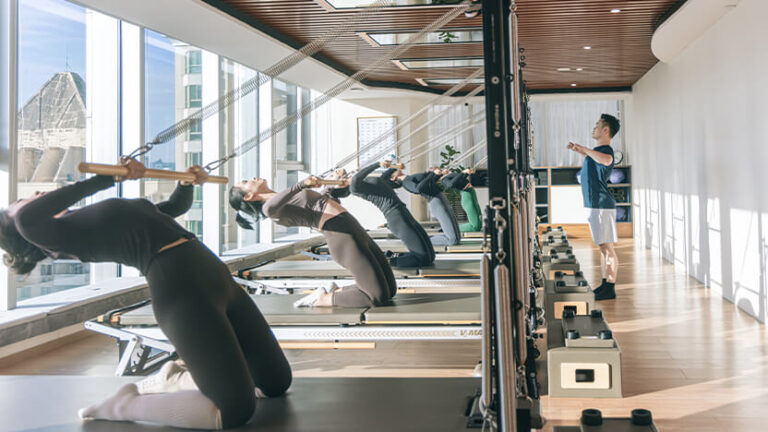
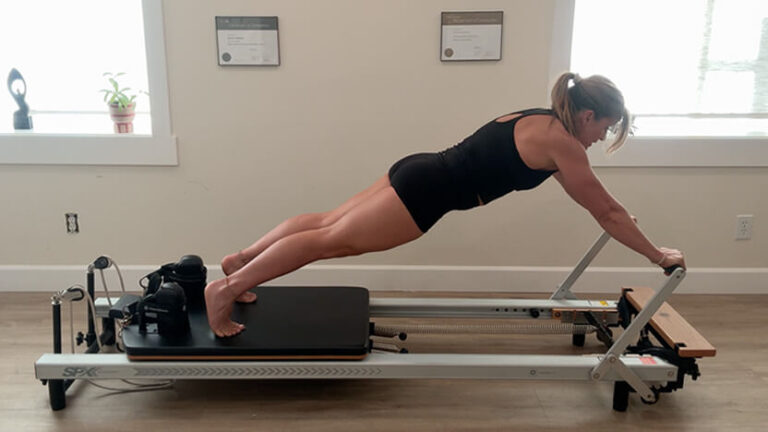
“I avoid high-sweat sessions like jumping sequences, athletic conditioning, or Cardio-Tramp® and Jumpboard sessions as sweating might increase their need for hydration. Instead, I focus on slower-paced mat and equipment work with my clients, emphasizing torso, shoulder, and pelvic stability, core strength, and spinal articulation.”

Consider this when planning workouts:
STABILITY BEFORE INTENSITY – Focus movement where structural support matters most.
PROPS TO ENRICH ENGAGEMENT – Tools like a Stability Ball™, Toning Balls™, and the Flex-Band® add activation without overwhelming the system.
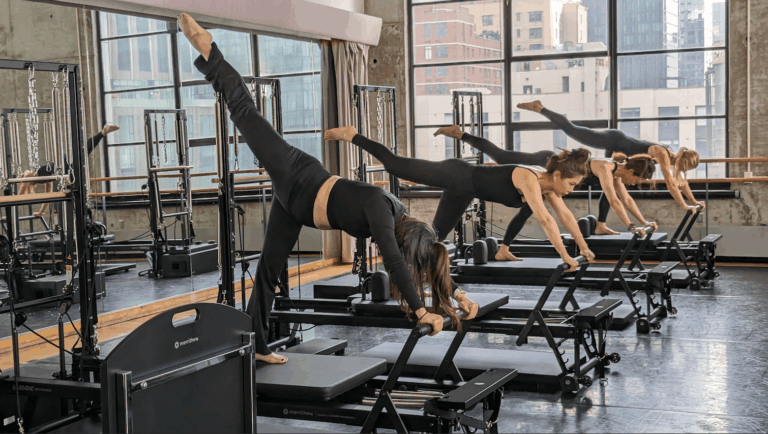
MIXING MODALITIES – Alternating between mat and equipment work sustains interest and reinforces technique without demanding high metabolic output.
COMPLEXITY WITH INTENTION – Introduce challenging patterns only when energy and focus align with precision.
Source: https://www.merrithew.com/blog/post/2026-03-13/maintaining-a-safe-pilates-practice-during-fasting