How Pilates supports a healthy pregnancy and postpartum recovery
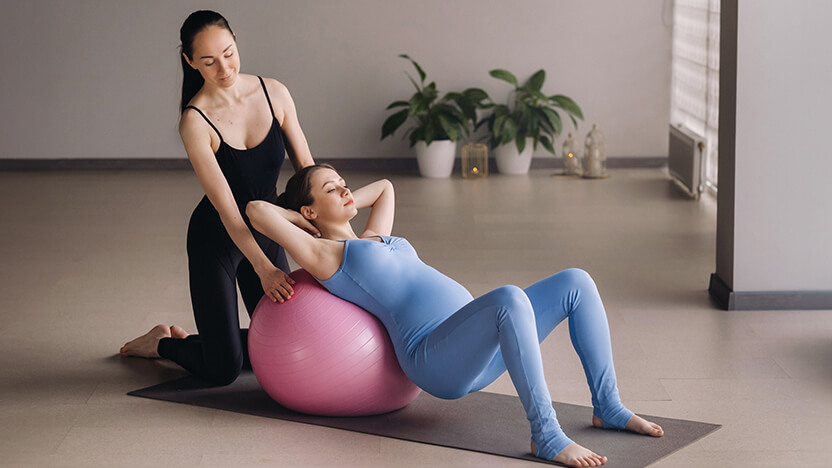
Pregnancy brings profound physical, emotional and mental changes. To support these transformations, many expecting mothers turn to Pilates—a low-impact exercise method that promotes strength, flexibility and a mind-body connection. Backed by evidence-based recommendations, Pilates offers a holistic approach to nurturing both body and mind during pregnancy and postpartum recovery. Every pregnancy is unique and the primary priority should always be listening to your body and consulting with your healthcare provider to determine what is best for you.
How Pilates benefits pregnancy and postpartum recovery
Physical benefits of Pilates during pregnancy:
As the body adapts to pregnancy, various physical changes can affect comfort, mobility and posture. Pilates exercises offer targeted ways to address these shifts by:
- Core strength (without rectus abdominus work): Strengthening the transverse abdominis (deep core muscles) supports the spine and pelvis, reducing common pregnancy discomforts like lower back pain. Be cautious with exercises that work the rectus abdominis (e.g., abdominal curls or any flexion work), as they can strain the abdominal muscles and worsen diastasis recti.
- Improved posture and alignment: Pilates helps maintain spinal alignment and strengthens the back muscles to alleviate strain from weight shifts caused by a growing belly and breasts.
- Increased flexibility and mobility: During pregnancy, the hormone relaxin increases to help the body prepare for childbirth by loosening ligaments and increasing flexibility, especially in the pelvis. While this added flexibility can be beneficial, it also requires caution as overstretching during pregnancy can cause joints to become too loose or unstable, potentially leading to discomfort or injury. Controlled, gentle stretches help maintain flexibility, while deep core and pelvic floor exercises build the strength needed to support loose joints safely.
Mental benefits of Pilates during pregnancy:

The mental demands of pregnancy and motherhood can be intense. Pilates supports emotional well-being by promoting:
- Mental clarity and resilience: Pilates combines mindful breathwork with controlled movement, helping reduce stress and support mental focus.
- Elevate mood: Exercise helps the body release endorphins, which are natural mood elevators. Pilates rhythmic movements help release endorphins, creating a sense of calm and reducing anxiety, which is beneficial for both prenatal and postnatal mental health.
- Preparation for childbirth: Deep breathing, body awareness and controlled movements in Pilates not only build confidence but also foster a calm, prepared mindset for labor and delivery. Pilates focuses on strengthening the deep core muscles—especially the transverse abdominis and pelvic floor—which play a crucial role during childbirth. A strong, engaged deep core supports endurance throughout delivery.
Prenatal Pilates: Key tips for each trimester
- First trimester: Focus on core stability by engaging the transverse abdominis and pelvic floor. This creates a strong foundation.
- Second trimester: Modify movements to accommodate a growing belly. Prioritize postural support and gentle stretching.
- Third trimester: Emphasize comfort, stability and breathwork to prepare for labor. Deep breathing aids relaxation and helps maintain focus.
Each trimester presents unique physical and emotional needs. Pilates exercises can be safely adapted to meet these evolving requirements.
Essential prenatal Pilates benefits
- Help stabilization through lower back: Pilates focuses on lumbar spine stabilization can prevent and alleviate lower back pain, a common pregnancy complaint.
- Improved circulation: The deep breathing and movement patterns in Pilates increase circulation, reducing swelling in the ankles and legs.
- Stress relief: Pilates’ mindful approach fosters mental calmness, helping reduce stress, which can be particularly helpful during childbirth.
Pilates for body awareness and baby connection
Pregnancy brings new sensations and can deepen body awareness, promoting a sense of connection with the growing baby.
- Bonding through movement: Emphasizing slow, controlled exercises that allow mothers to connect with their bodies—and their babies.
- Focused breathwork: Deep breathing that increases oxygen flow, benefiting both mother and baby.
- Listening to the body: Pilates encourages mothers to listen to their bodies, tuning into signals that guide safe movement and rest.
Pilates is more than just a fitness routine; it’s a pathway for expectant and new mothers to support their bodies, prepare for childbirth and recover postpartum with strength. Pilates offers a unique approach to wellness that carries lasting benefits through every stage of motherhood.
Post-natal Pilates: A gentle path to recovery:

The postpartum period is crucial for healing as the body returns to its pre-pregnancy state. Pilates can be a gentle, effective tool for postpartum recovery:
- Treat diastasis recti: Pregnancy often stretches the abdominal muscles, sometimes causing separation (diastasis recti). Pilates focuses on deep core work that can gently aid in closing this gap over time.
- Restoring pelvic floor strength: Pilates exercises target the pelvic floor, which is crucial for postpartum recovery and reducing the risk of issues such as incontinence.
- Mental health support: The emphasis on breathwork and relaxation in Pilates offers a mental break, helping new mothers manage stress and emotional adjustments.
Finding pre- and post-natal Pilates classes
Finding the right Pilates instructor experienced in pre- and post-natal fitness is vital. These instructors understand the safety considerations and limitations specific to pregnancy and can tailor exercises to accommodate varying stages of recovery.
For Pilates instructors looking to grow their expertise and empower mothers on their journey, becoming a Pre- and Post-Natal Specialist offers the chance to make a meaningful impact. With specialized training under the Specialty Tracks, you’ll be equipped to guide mothers confidently through every step of their unique experience.
Embrace the transformative journey of pregnancy with the support of Pilates—an empowering way to stay strong, balanced and connected.
References
https://www.acog.org/clinical/clinical-guidance/committee-opinion/articles/2020/04/physical-activity-and-exercise-during-pregnancy-and-the-postpartum-period
https://www.portalnepas.org.br/abcshs/article/view/2135
https://pubmed.ncbi.nlm.nih.gov/38008749/
https://pubmed.ncbi.nlm.nih.gov/25809925/
Source: https://www.merrithew.com/blog/post/2024-11-26/how-pilates-supports-a-healthy-pregnancy-and-postpartum-recovery