Avoiding Common Weightlifting Injuries
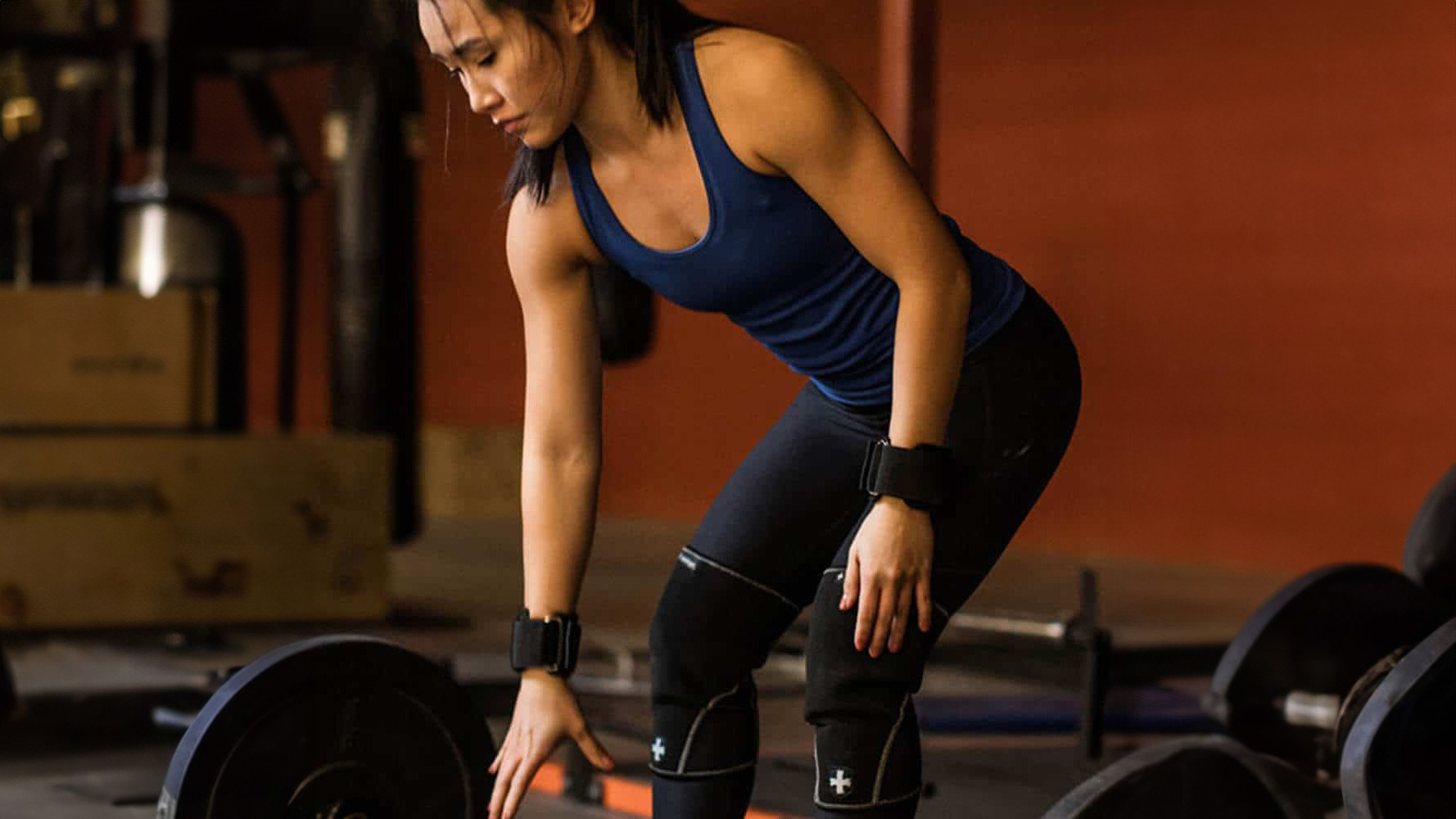
Weightlifting is a fantastic way to build strength, improve muscle tone, and boost overall fitness. However, like any physical activity, it comes with its risks. Injuries are not uncommon in the world of weightlifting, but the good news is that many of them can be prevented with the right approach and gear. Let’s explore some common weightlifting injuries and ways to avoid them. It all starts with using proper techniques and the right equipment!

Understanding Common Weightlifting Injuries: 

  1. Strains and Sprains: These occur when muscles or tendons are stretched beyond their limits, often due to improper form or lifting too much weight.
  2. Tendonitis: Tendonitis is inflammation of the tendons, often caused by repetitive movements and overuse. It commonly affects the elbows (tennis elbow) and shoulders.
  3. Lower Back Pain: Poor lifting technique, especially when performing exercises like deadlifts and squats, can strain the muscles and ligaments in the lower back, leading to pain and discomfort.
  4. Wrist and Elbow Injuries: These injuries can occur due to excessive stress on the wrists and elbows during exercises like bench presses and curls.

Prevention Strategies: 

Now that we know what we’re up against, let’s discuss some strategies for preventing these injuries:

  1. Start with Proper Form: Proper form is crucial for preventing injuries. Focus on maintaining a neutral spine, engaging your core, and using controlled movements throughout each exercise.
  2. Warm-Up and Cool Down: Always start your workouts with a proper warm-up to prepare your muscles and joints for the work ahead. Similarly, don’t neglect the cooldown phase, which can help prevent stiffness and soreness.
  3. Gradually Increase Weight: Progression is key in weightlifting, but it’s essential to increase the weight gradually to give your muscles and connective tissues time to adapt.
  4. Use Weightlifting Gear: Investing in quality weightlifting gear can provide additional support and protection against injuries. Here are some recommended Harbinger products:
  • Harbinger Weightlifting Belts: Designed to provide support to your lower back and core during heavy lifts, Harbinger weightlifting belts are essential for maintaining proper spinal alignment and preventing lower back injuries.
  • Harbinger Wrist Wraps: Wrist wraps help stabilize your wrists during exercises like bench presses and overhead presses, reducing the risk of strains and sprains.
  • Harbinger Gloves: Weightlifting gloves offer essential protection and support for your hands during intense lifting sessions. Having a better grip at all times will reduce your chances of slipping and causing injuries.

By following these injury prevention strategies and using the right gear, you can minimize your risk of common weightlifting injuries and enjoy a safer, more effective workout experience. Remember, consistency and proper technique are key to long-term progress and injury-free training. So, lace up your lifting shoes, strap on your gear, and lift smart. Your body will thank you for it.

Source: https://harbinger.co.nz/2024/05/08/avoiding-common-weightlifting-injuries/

Share

Related Posts

December 9th, 2025

How Does The Power Plate Work? What Are The Benefits For Older Adults?

How does the Power Plate work? And why is it such a breakthrough for older adults? Most people think of exercise as “moving your body to move your muscles.” But Power Plate flips that idea upside down. Power Plate moves you — thousands of...

December 2nd, 2025

Recovery and Wellness: Ariel Lim’s Journey with STOTT PILATES®

Ariel Lim — Merrithew® Instructor Trainer and the owner of Merrithew Host Training Center WITH PILATES® — faced a Lumbar 4-5-disc issue during her teenage years and later acquired a T1-L1 disc problem due to an accident. These personal...

November 25th, 2025

Best Time for Training

Most of us have a time that we prefer to train. For some it’s in the morning, others in the afternoon, and still others prefer the evening. But is there a difference? It has been well established that maximal voluntary contraction, or maximum...

November 18th, 2025

What Happens To Your Body When You Step On A Power Plate?

What Happens To Your Body When You Step On A Power Plate? When you stand on a Power Plate for about 9 minutes, you start to experience pain relief in the knees, hips, and lower back. And elsewhere. Tip: Start at the lowest setting to get...

November 11th, 2025

From Dead Zones to Destination Spaces – How Gyms Are Reinventing the Member Experience Through Experiential Design

The traditional gym model is being reimagined. No longer just rows of cardio machines and weight racks, today’s fitness spaces are evolving into lifestyle hubs, completely redefining how your members interact, recover, and engage with wellness. A...

November 4th, 2025

The Power of Strength Training for a Longer, Healthier Life

Aging is a natural process, but our lifestyle choices greatly influence how we age. While aerobic exercise has long been linked with longevity, growing research emphasizes the importance of strength training in maintaining vitality,...

October 21st, 2025

The Rise of Immersive Cardio

Cardio used to be the predictable part of the workout. A 30-minute run on a treadmill. A climb on a stair mill. Time in, calories out. It worked, but it didn’t always inspire. Today, expectations have changed. As exercisers look for experiences...

October 14th, 2025

The Eleiko Knurling Guide

Grip is a critical factor in a bar, and knurling plays a big role. Barbell knurling isn’t just texture — it’s where you connect with the bar. We craft each knurl to deliver a grip you can trust, tailored to the demands of various lifts and...

October 7th, 2025

Try These 5 Forearm Exercises for Your Next Home Workout

Your forearms might be the missing link you need to unlock your upper body strength. These small (but important) muscles drive everything from daily tasks to heavy training days. The good news: You don't need a gym to build serious lower arm...

September 30th, 2025

Top 5 Gen Z Fitness Industry Trends: What Gym Owners Need to Know

Intro The gym is changing.  Gen Z and Millennials together now account for 65% of all gym members, with Gen Z growing the fastest (smarthealthclub). They are also speaking with their wallets: Gen Z spends nearly three times more...