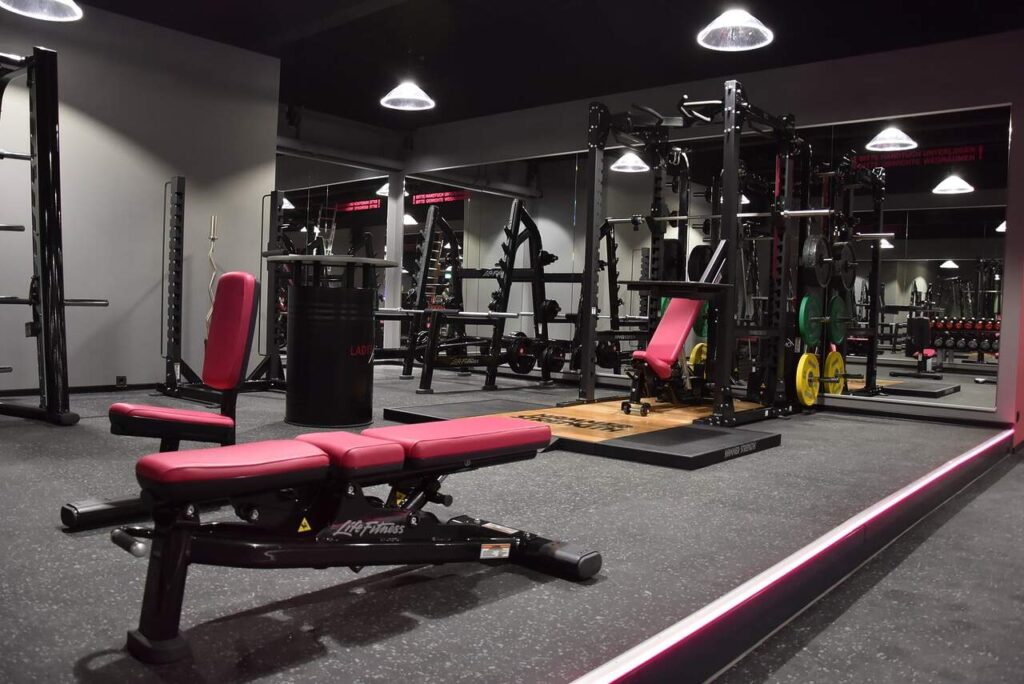
Thick rubber flooring: the go-to choice for high-intensity training spaces
High-intensity training spaces are designed for performance, durability, and intensity. Whether it’s CrossFit, functional fitness, HIIT, or strength training, these areas see a high volume of movement, equipment usage, and repeated impact. Yet, one of the most overlooked aspects of gym design is the flooring.
The type of flooring installed in these areas affects not just safety and comfort, but also equipment longevity, noise levels, and long-term maintenance costs. Many gym owners and fitness distributors make the mistake of choosing flooring based solely on cost or aesthetics, without considering how much stress the surface will endure daily.
This is where thick rubber flooring becomes an essential investment. Designed to withstand constant heavy use, dropped weights, and intense workouts, it offers shock absorption, stability, and durability, making it the ideal choice for high-intensity training areas. In this article, we explore why thick rubber flooring is the best option for these demanding spaces and how it benefits both gym owners and members.
The role of thick rubber flooring in safety and performance
One of the primary concerns in high-intensity training areas is safety. The combination of heavy lifting, fast-paced exercises, and high-impact movements significantly increases the risk of injuries, slips, and joint strain. The wrong flooring—such as thin mats or hard concrete—can contribute to these risks by failing to provide adequate support and shock absorption. Thick rubber flooring is engineered to reduce impact stress on the body, absorbing the force generated from jumps, lifts, and sudden movements. This is particularly important for high-intensity interval training (HIIT), where repetitive motion on a hard surface can lead to joint fatigue and muscle strain over time. The grip and traction provided by thick rubber flooring also play a crucial role in safety. In fast-moving environments like functional fitness spaces, athletes need a stable surface that prevents slipping, even during sweaty workouts. The textured surface of quality rubber flooring enhances grip, reducing the likelihood of falls and injuries. For gym owners, investing in flooring that prioritises safety and performance means fewer injuries, better member satisfaction, and lower liability risks. When members feel confident in their training environment, they are more likely to stay engaged and push themselves to new levels.Protecting the subfloor and equipment with the right flooring
While safety is a primary concern, gym owners must also think about the protection of their facility and equipment. High-intensity training often involves dropping barbells, kettlebells, and dumbbells from significant heights, especially in weightlifting and CrossFit-style workouts. Without proper flooring, these repeated impacts can cause serious damage to the subfloor, leading to expensive repairs over time. Thick rubber flooring acts as a protective barrier, absorbing the shock before it reaches the subfloor. This is particularly important for gyms located in multi-storey buildings, where vibrations from heavy impacts can travel through floors and create disturbances in adjacent areas. Additionally, gym equipment benefits from a more forgiving surface. Machines, weights, and training accessories tend to wear down faster when placed on hard or unstable flooring. The resilience of thick rubber flooring extends the lifespan of equipment, reducing maintenance and replacement costs for gym owners.Reducing noise levels for a better gym environment
The acoustics of a gym play a significant role in the overall experience for both members and staff. High-intensity training spaces are often the loudest areas in a gym, with the constant sound of weights dropping, foot strikes, and high-energy movement. This can create a disruptive atmosphere, making it harder for trainers to communicate and for members to focus. Thick rubber flooring absorbs sound and vibrations, helping to create a more controlled and pleasant environment. By reducing noise levels, it prevents sound from carrying across the gym, making other training areas more functional. This is particularly valuable in gyms with multiple training zones or facilities located near residential or office spaces, where excessive noise could lead to complaints. For gym operators, managing noise levels is an essential part of creating a high-quality fitness experience. A well-designed acoustic environment not only improves training conditions but also enhances the overall perception of the gym. Members appreciate spaces where they can train hard without excessive distractions, and rubber flooring plays a key role in making that possible.